Deal & comparison
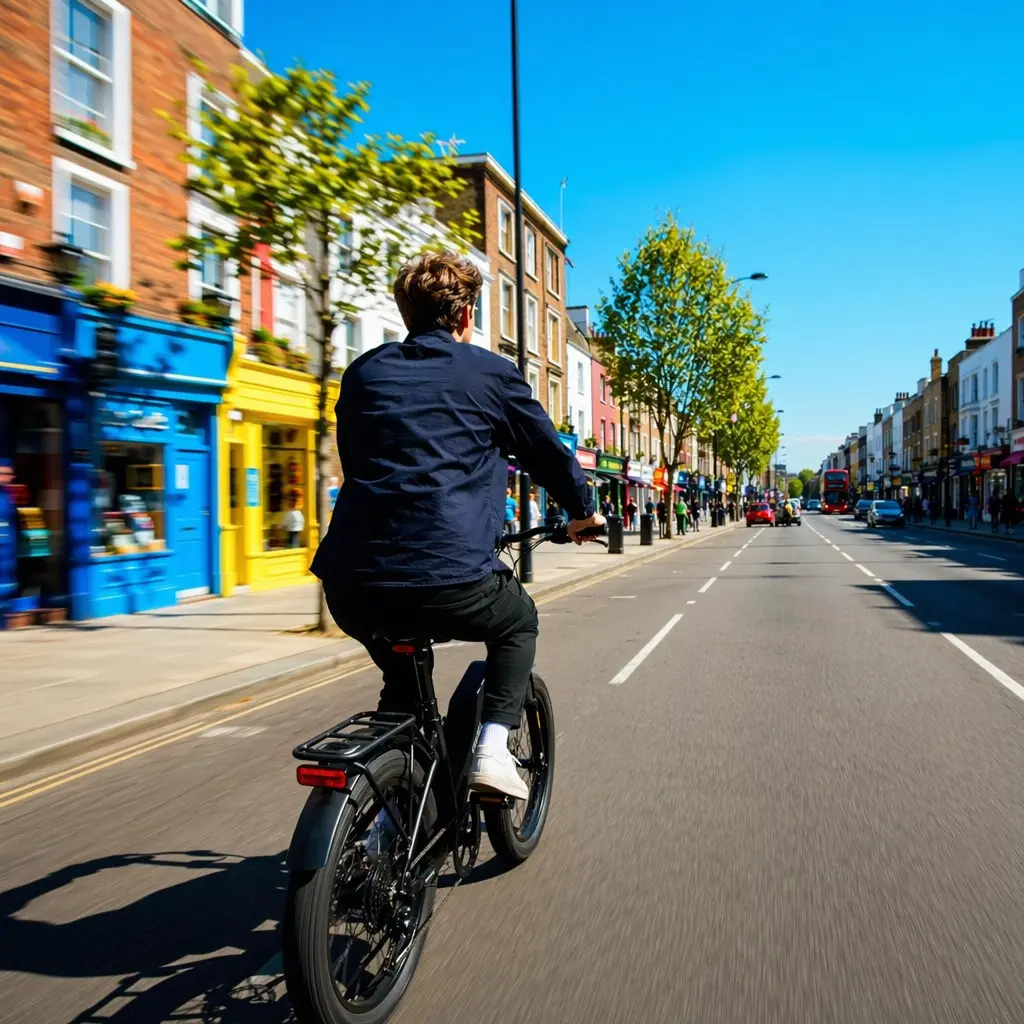
Short, no-hill journeys change the maths on e-bikes. This guide explains when cheaper motors and smaller batteries are good value for flat-town commutes — and where the compromises bite.
Deal & comparison
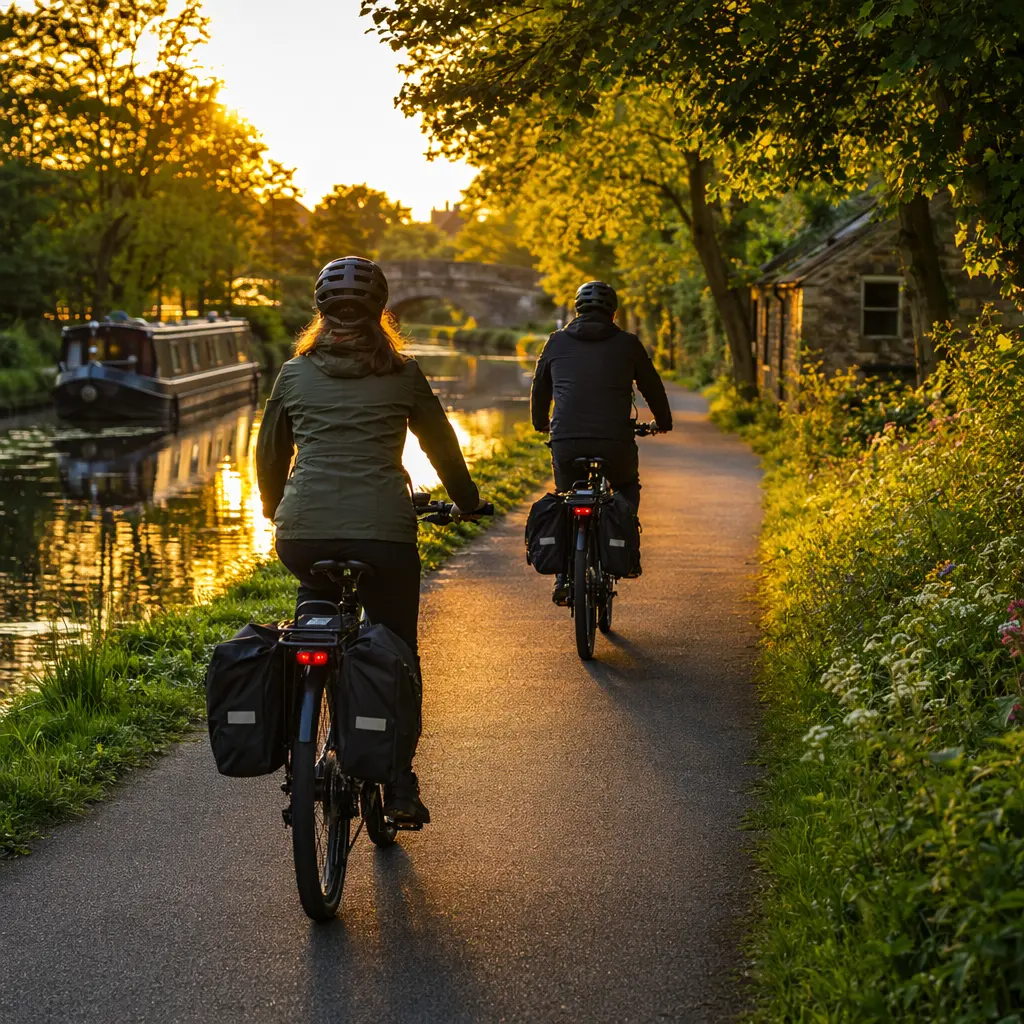
A value-focused guide to electric bikes under £1,800 that prioritise comfort, reliability and real-world range for steady UK commuting, with honest trade-offs and buying tips.

Deal & comparison
Thinking about an e‑bike but wary of the cost? This guide explains what budget electric bikes offer riders over 50, where the compromises sit, and how modest assistance can extend rides without premium prices.

Deal & comparison
A value-focused guide to electric bikes under £2,000 that suit heavier riders, with realistic advice on motor torque, frame strength and brakes that cope with load.

Deal & comparison
A clear-eyed UK comparison of £450 vs £850 e-bikes. Learn how motor quality, sensors and battery size change the feel on hills, starts and daily commutes — and where the extra money genuinely pays off.
Deal & comparison
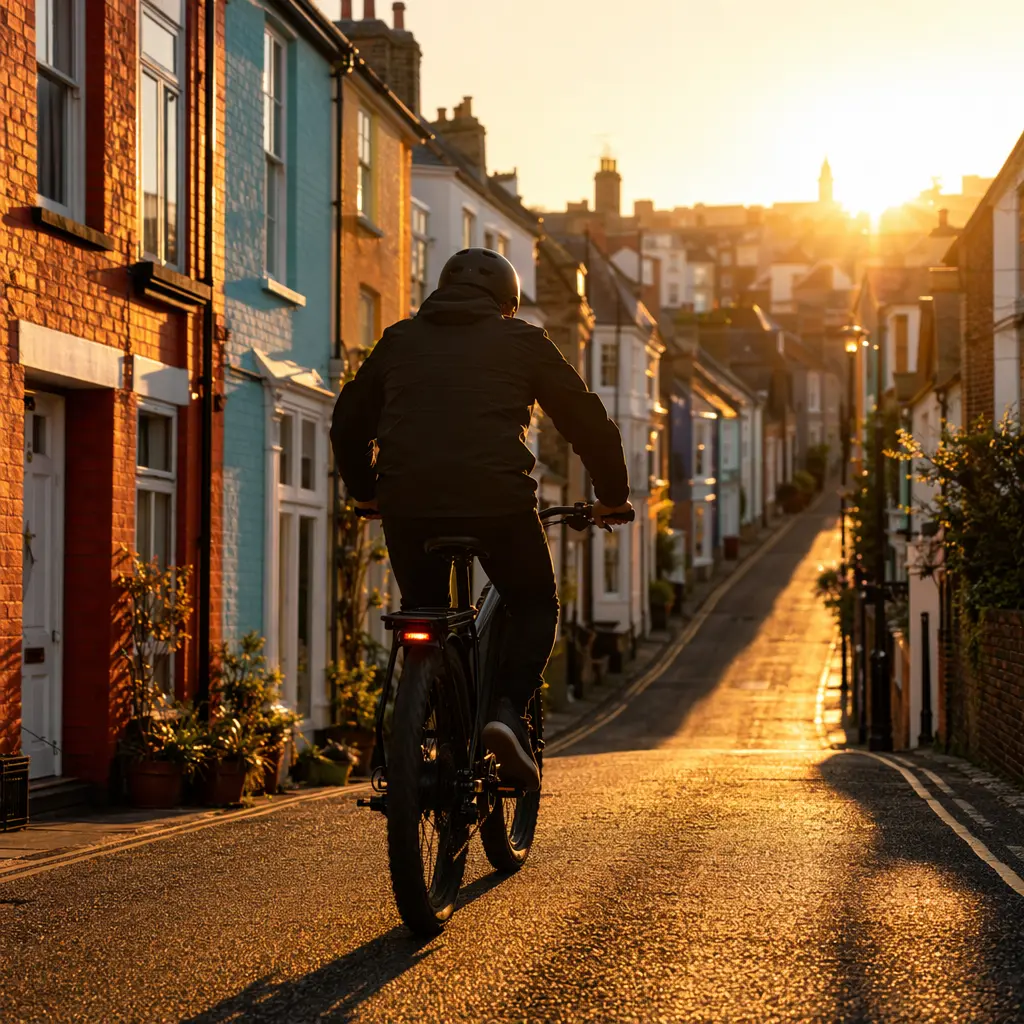
Under £1,500 is where electric bikes start to feel genuinely helpful for hills. This guide explains what you really get at the price, the compromises to expect, and how to choose a capable e‑bike for UK towns.
Deal & comparison
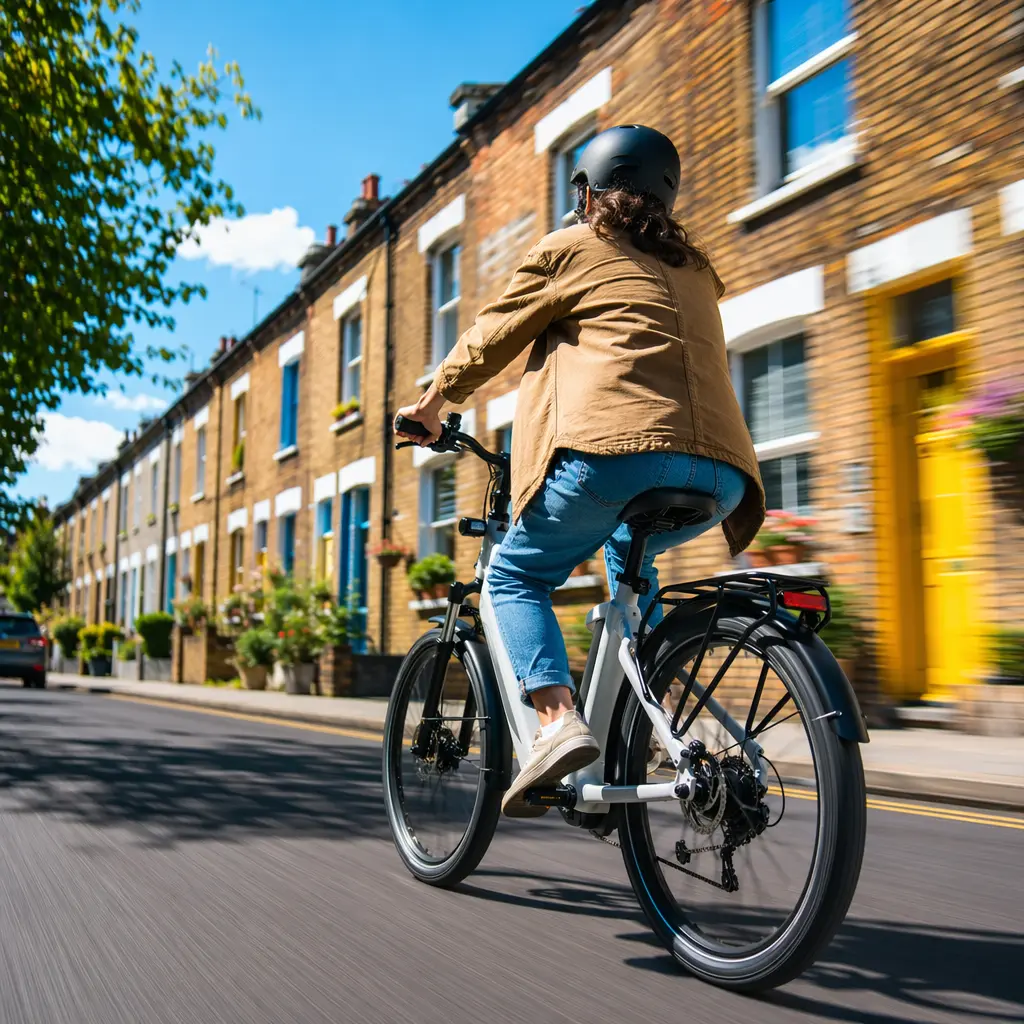
Entry-level e-bikes under £1,100 can handle short urban commutes without breaking a sweat. Here’s what you really get, what to avoid, and how to choose a dependable, legal UK e‑bike on a tight budget.

Deal & comparison
Is a £1,400 e‑bike really over twice as capable as a £600 one? This UK-focused comparison cuts through battery anxiety to explain the real differences in range, motor power and day‑to‑day usability.
Deal & comparison
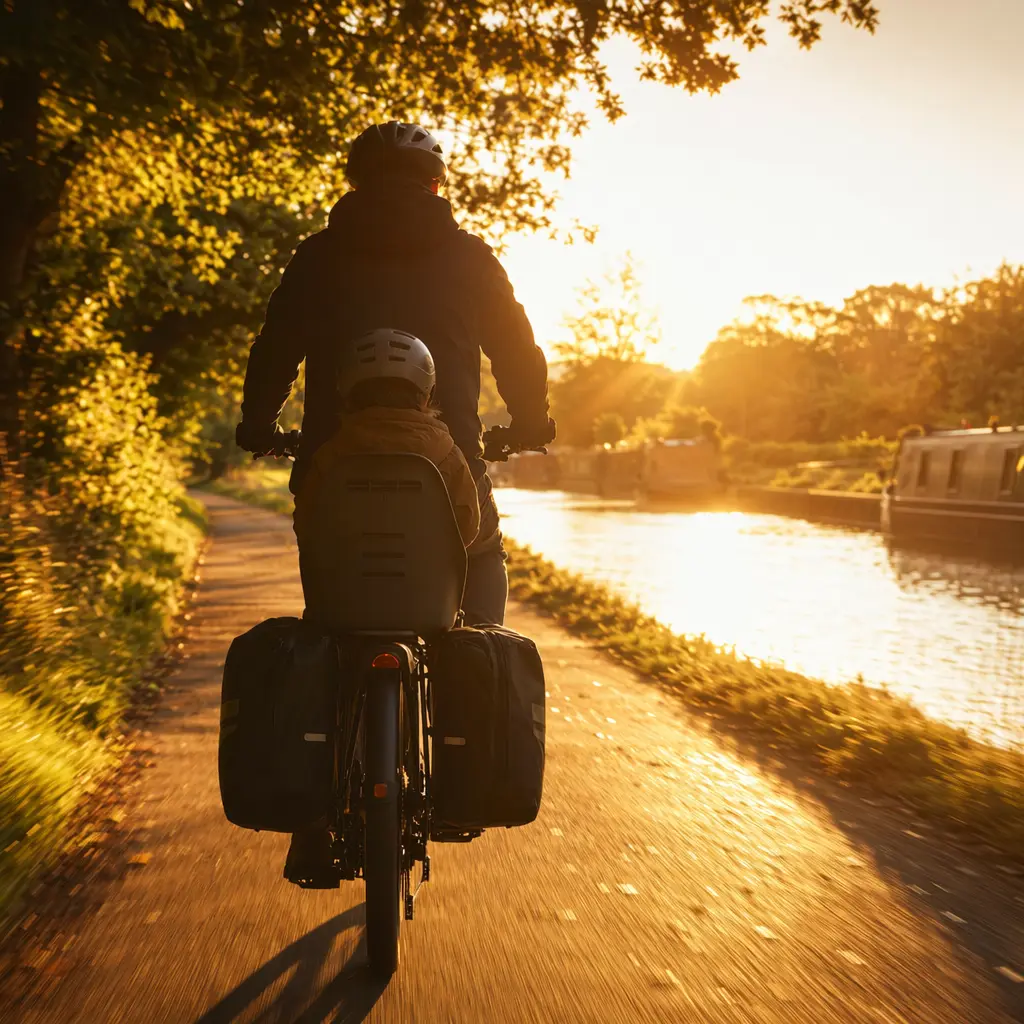
Motor assistance can transform short, loaded trips. This guide explains when an e‑bike makes sense for shopping and child seats, what you get for the money, and the compromises to expect.

Deal & comparison
Affordable e-bikes have improved fast. This guide explains what £1,200 buys in 2026, the compromises to expect, and how to choose a practical electric bike for commuting, errands and leisure rides.

Deal & comparison
Budget e-bikes have improved. This guide explains what £700 buys in 2026, where they help most on short UK journeys, and the compromises to expect — so you spend wisely.

Deal & comparison
For longer, flatter commutes, e‑bikes shine on range and comfort rather than raw motor power. Here’s what actually matters — and when the upgrade makes sense.

Deal & comparison
Short city trips reward quick motor response and manageable weight more than huge range. Here’s how e-bikes stack up for errands, traffic lights and kerbs — and what matters most when buying.

Deal & comparison
Is a £900 e‑bike twice as helpful as a £400 one? This plain‑English comparison separates real motor assistance from cosmetic upgrades, so UK riders know where the money actually goes.

Deal & comparison
On short, everyday rides, a £1,000 e‑bike doesn’t double the distance — it improves how the bike feels. This guide explains where the extra money goes, and which upgrades matter most for UK commuters.

Deal & comparison
For hilly suburban commutes, an e-bike can cut journey times and sweat, not just add weight. Here’s when electric assistance genuinely pays off, what you get for the money, and the trade-offs to expect.

Deal & comparison
A clear-eyed look at where £700 e-bikes cut corners versus £1,500 options — covering motor feel, battery life and the long-term costs that matter to UK riders.
Deal & comparison
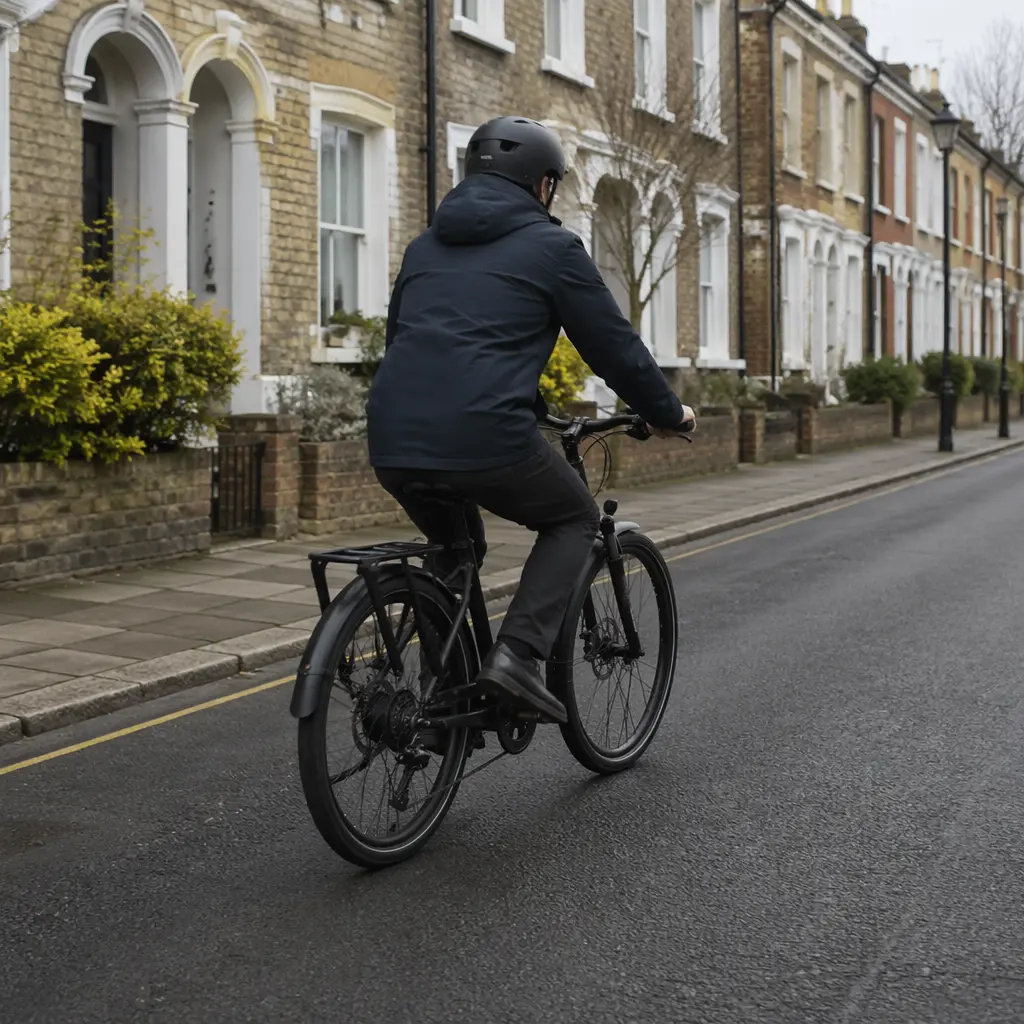
Short daily rides don’t need huge batteries. These five sensible e‑bike types prioritise motor quality, reliability and comfort over inflated range claims — ideal for UK commuting.
Deal & comparison
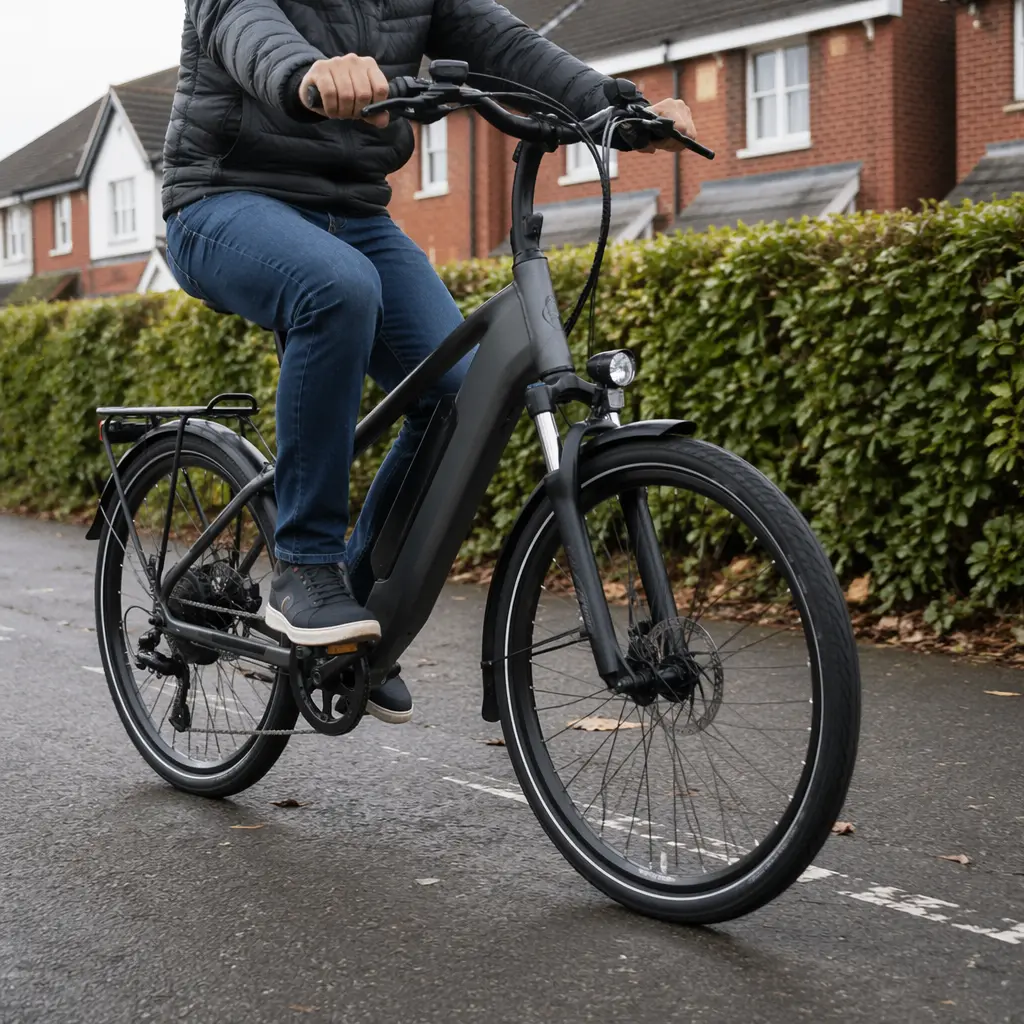
A clear-eyed look at what £900 buys in an e‑bike in 2026: who this budget suits, the compromises to expect, and how to choose a legal, usable electric bike without paying premium-brand prices.
Deal & comparison
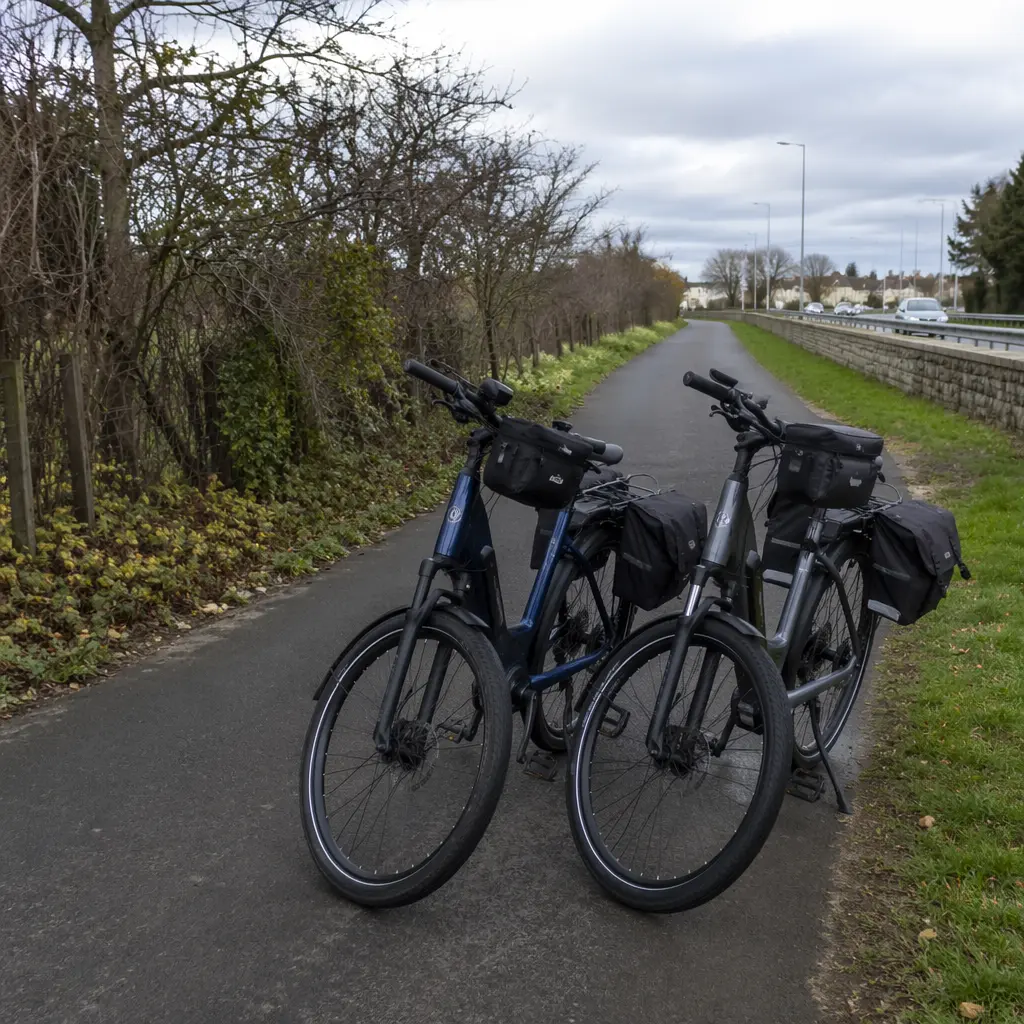
A clear look at the real-world differences between £600 and £1,200 e-bikes — covering motor feel, battery life, weight and reliability, and where the extra money actually goes.
Deal & comparison
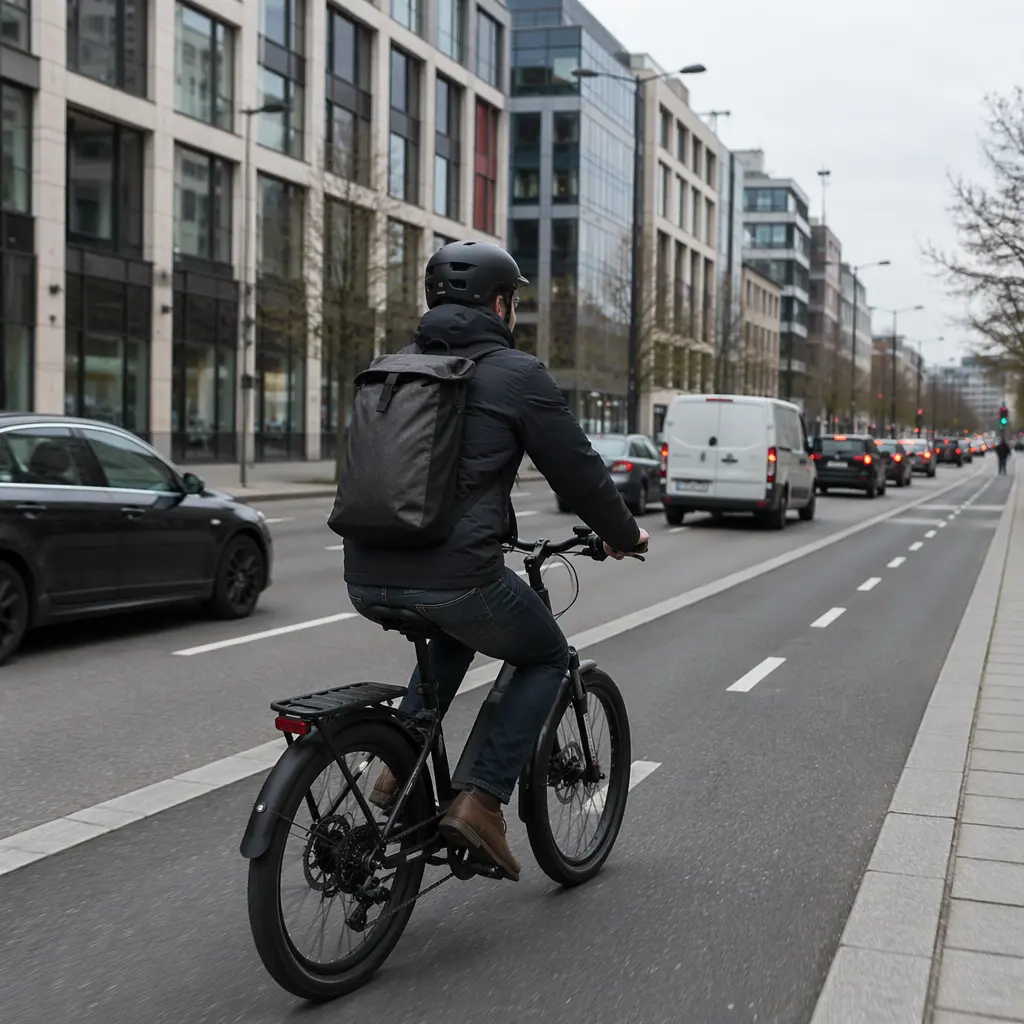
Even without hills, e‑bikes can make flat city commuting faster, easier and more reliable. This guide explains where electric assistance helps, what you get for the money, and when a regular bike still makes more sense.