Best Electric Hybrid Bikes Under £2,000 for UK Commutes
A practical guide to electric hybrid bikes under £2,000 for UK commuting, covering battery size, motor placement, comfort, running costs and the trade-offs at this price point.

Electric hybrid bikes have become one of the most practical options for UK commuting, especially for riders covering longer distances, hilly routes or daily stop-start traffic. A budget between £1,000 and £2,000 opens up a much wider choice than entry-level e-bikes, with better battery range, stronger motors and more reliable components for year-round riding. The challenge is balancing power, comfort and maintenance costs without paying for features that make little difference to a typical commute.
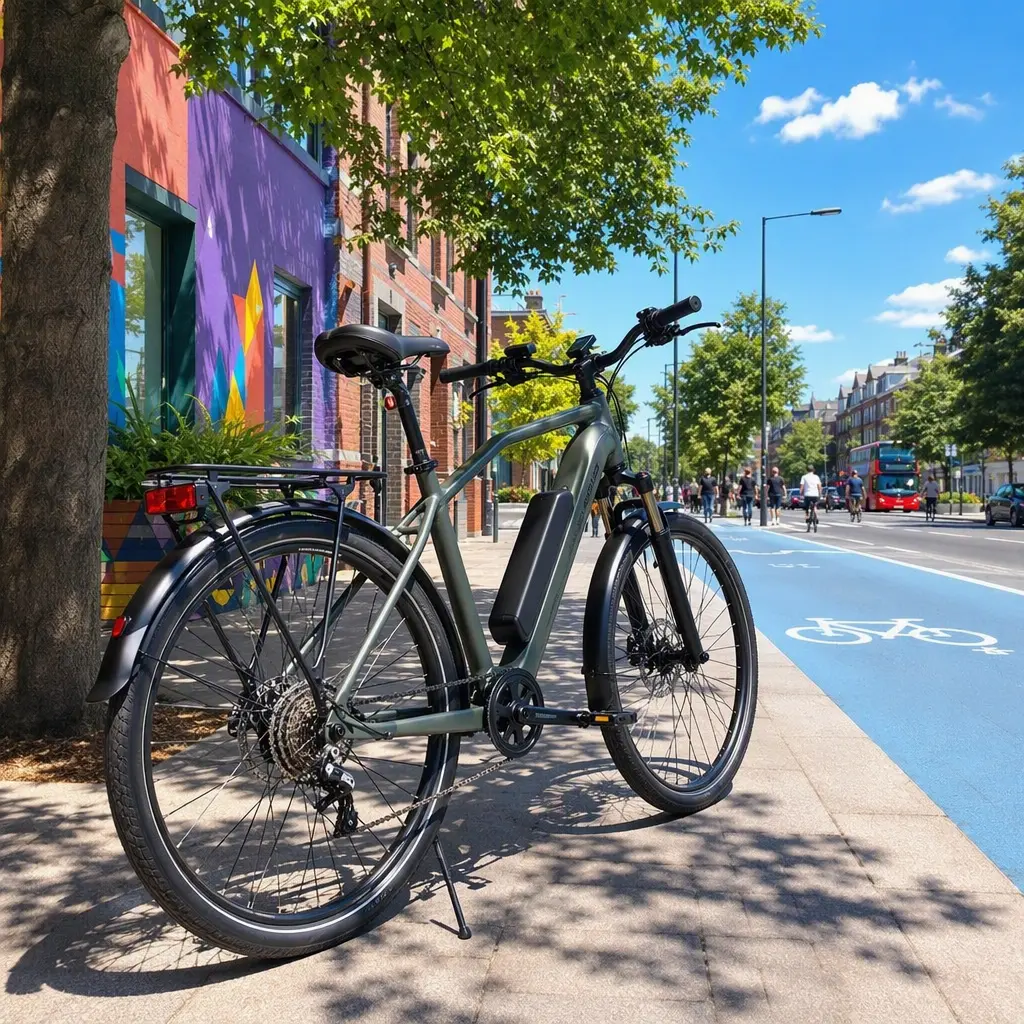
What to look for
Battery size and motor position are two of the biggest factors affecting how an electric hybrid bike feels on daily rides. Most bikes in this price range use batteries between 400Wh and 600Wh, which is usually enough for several commutes between charges depending on terrain, rider weight and assist level. Hub-drive motors are common under £2,000 and can offer smooth assistance with lower servicing costs, while mid-drive motors generally feel more natural on hills and distribute weight more evenly. Alongside the motor system, comfort and practicality matter just as much for regular commuting.
- Look for a battery around 400Wh to 600Wh for realistic commuting range without excessive weight.
- Rear hub motors are usually cheaper to maintain, while mid-drive motors tend to climb hills more efficiently.
- Hydraulic disc brakes are worth prioritising for wet-weather stopping power.
- An upright geometry reduces strain on wrists and shoulders during daily rides.
- Alloy frames dominate this category because they keep weight manageable and resist corrosion.
- Check tyre clearance if you plan to fit wider tyres for comfort or rough towpaths.
- Mudguards, pannier racks and integrated lights can save money compared with adding accessories later.
- A removable battery makes charging easier in flats or offices.
Budget and what you're getting
At £1,000 to £2,000, most electric hybrid bikes offer a noticeable step up from basic supermarket or catalogue e-bikes. Motors tend to feel smoother, battery capacity improves and overall build quality is better suited to everyday use. That said, there are still compromises. Bikes closer to £1,000 may use heavier frames, basic suspension forks or simpler drivetrains, while models near £2,000 often improve comfort, range and braking performance rather than outright speed. Lightweight premium motors and fully integrated smart systems are usually reserved for more expensive bikes, so value-focused buyers should concentrate on reliability and practical features instead of chasing the latest technology.
Standout categories or types
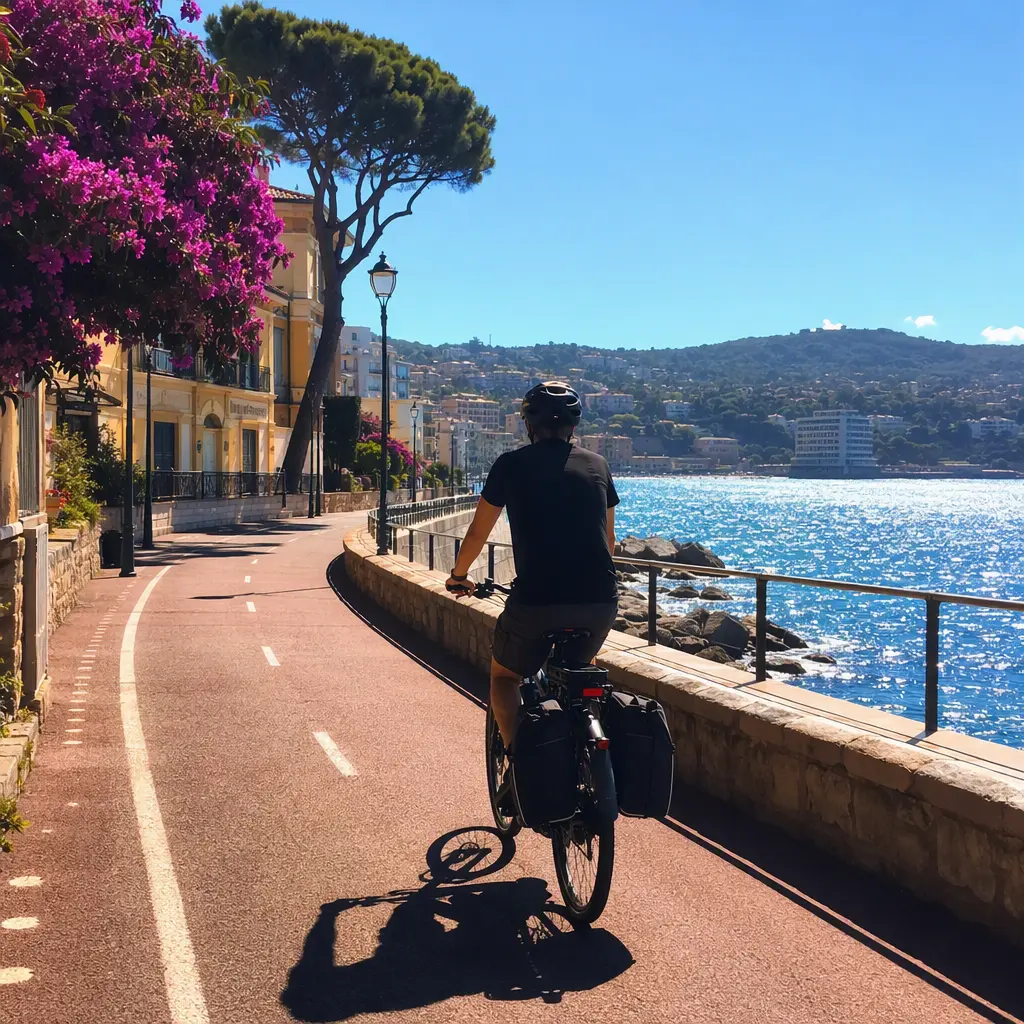
Rigid electric hybrids are often the best fit for urban and suburban commuting. Without a suspension fork, they are usually lighter, easier to maintain and more efficient on tarmac. Wider tyres can still take the sting out of rough roads and canal paths. Front-suspension electric hybrids can add comfort on broken surfaces, but lower-cost suspension systems may increase weight without offering major performance benefits for commuting.
Battery placement also changes the character of the bike. Integrated downtube batteries create a cleaner appearance and often improve balance, while externally mounted batteries can be easier and cheaper to replace later. Some riders prioritise low maintenance and choose simpler drivetrains with fewer gears, while others prefer wider gear ranges for mixed terrain and steeper climbs.
- Rigid electric hybrids suit road commuting, cycle paths and lower-maintenance ownership.
- Front-suspension hybrids can help on rough towpaths or poor road surfaces but usually weigh more.
- Step-through frames make frequent stop-start riding easier in traffic.
- Traditional crossbar frames can feel stiffer and more stable with heavier pannier loads.
- Belt-drive systems are quiet and clean but remain less common below £2,000.
- Wider tyres improve comfort and grip without the maintenance demands of suspension.
Frequently asked questions
How far will an electric hybrid bike go on one charge?
Most electric hybrid bikes in this price range manage roughly 25 to 70 miles depending on battery size, assist level, rider weight, weather and hills. Using lower assist settings can significantly extend range for flatter commutes.
Are hub-drive motors reliable for daily commuting?
Yes. Hub-drive systems are widely used because they are relatively simple and often cheaper to maintain. They can work very well for urban commuting, although mid-drive motors usually feel more responsive on steep hills.
Do electric hybrid bikes cost more to maintain?
Running costs are usually higher than a standard hybrid because brake pads, chains and tyres can wear faster under extra motor-assisted weight and torque. Battery replacement is the largest long-term expense, although modern batteries typically last several years with regular use.
Is a removable battery important?
For many commuters, yes. A removable battery makes charging easier at work or indoors and can help with security if the bike is locked outside for long periods.
Can electric hybrid bikes handle wet UK weather?
Most are designed for year-round use, but practical features make a difference. Mudguards, puncture-resistant tyres and hydraulic disc brakes improve comfort and control during wet commutes, while regular cleaning helps protect drivetrain parts from road grime.
For commuters balancing value, reliability and everyday practicality, electric hybrid bikes under £2,000 now offer a strong mix of range, comfort and usability. Focusing on motor type, battery size and maintenance-friendly components usually leads to a better long-term buy than simply choosing the most powerful option on paper.
Find these on Amazon
As an Amazon Associate, CheapBikes earns from qualifying purchases.