Is an e‑bike worth it for shopping and child seats?
Motor assistance can transform short, loaded trips. This guide explains when an e‑bike makes sense for shopping and child seats, what you get for the money, and the compromises to expect.
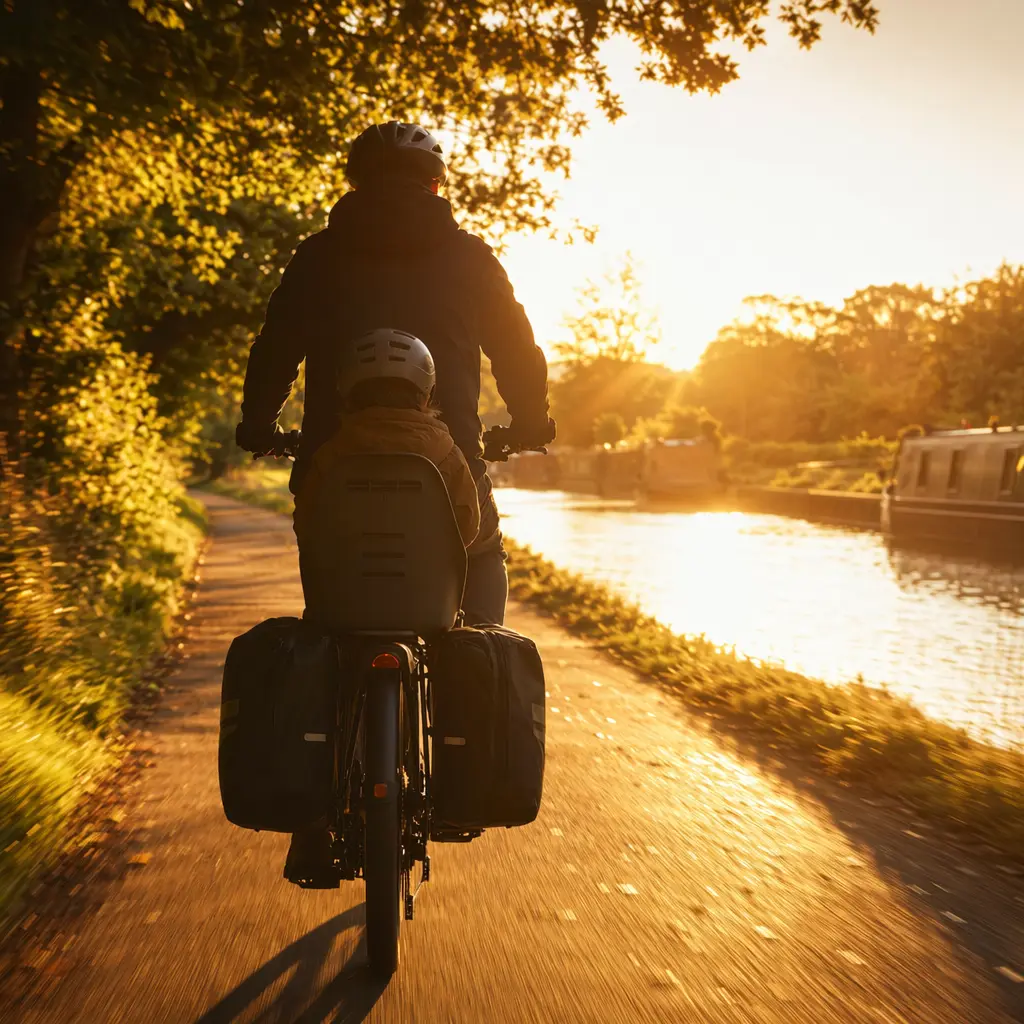
For everyday errands, the big question is simple: does motor assistance actually make a loaded bike easier, safer and more practical than a standard bike or a car? If trips involve groceries, a child seat, hills or stop‑start traffic, weight adds up quickly. This guide looks at whether an e‑bike earns its keep for short utility journeys, and what trade‑offs to expect in the UK.
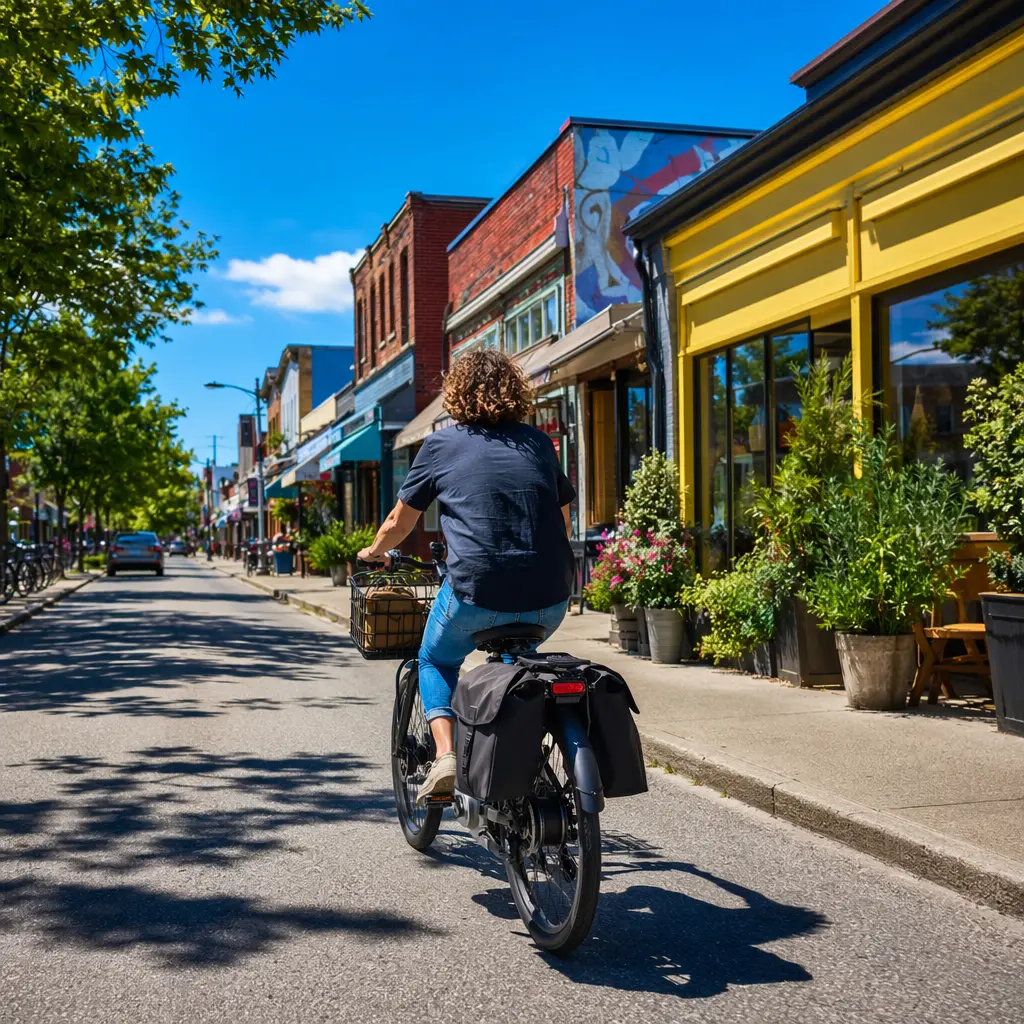
What you actually get at this price
Most utility‑focused e‑bikes sold in the UK prioritise stability and ease of use over outright speed. The legal assistance limit is 15.5mph, which matters less than how smoothly the motor helps when pulling away with extra weight. Expect a riding experience that flattens hills and reduces strain at junctions, especially useful with a child seat or full panniers.
Across the market, the spec follows a familiar pattern. You are paying for the motor system and battery first; everything else is functional rather than flashy.
- Motor and battery: hub or mid‑drive assistance with enough torque for moderate hills; removable batteries are common for charging indoors.
- Frame: aluminium frames with a longer wheelbase for stability; step‑through options make mounting easier with a child seat fitted.
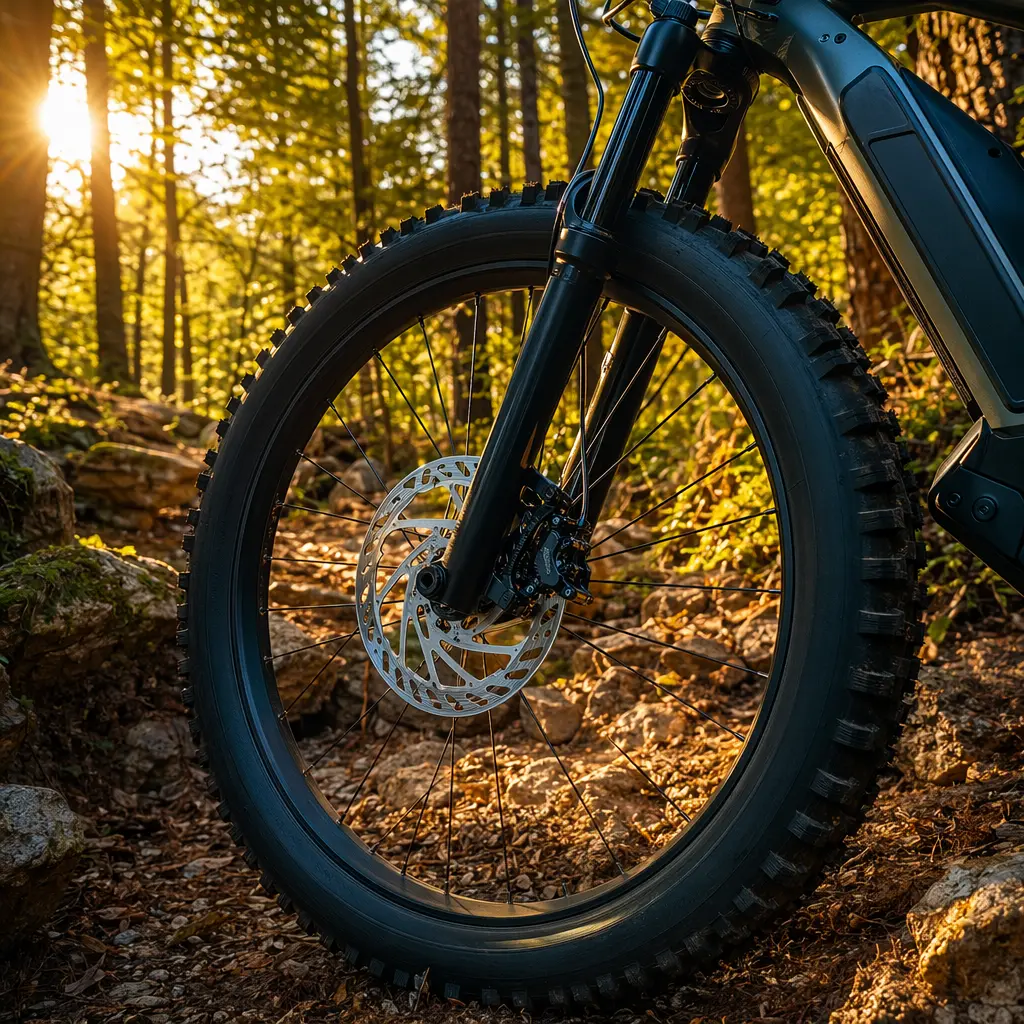
- Brakes: hydraulic disc brakes are typical and strongly recommended for controlled stopping under load.
- Gearing: wide‑range gearing with simple shifters; fewer gears, but tuned for pulling weight rather than speed.
- Extras: many come with mudguards, lights and racks; front basket compatibility varies, rear rack ratings are crucial for child seats.
How to choose
Start with how the bike will actually be used. Short trips with frequent stops reward smooth, predictable assistance and a stable feel at low speed. A longer wheelbase and upright geometry improve balance when carrying a child, while a lower step‑through frame reduces awkward mounting and dismounting.
Next, consider carrying capacity. Check the rear rack’s stated weight limit and whether it is designed for child seats. For shopping, panniers keep weight low and stable; baskets are convenient but can affect steering when heavily loaded. Battery size matters less for distance and more for consistency: a larger battery will deliver the same assistance level even with repeated starts and hills.
What to look out for
- Under‑rated racks: not all rear racks are suitable for child seats; check the weight rating and mounting standard.
- Top‑heavy handling: front baskets loaded with shopping can make steering twitchy at low speeds.
- Basic tyres: stock tyres may prioritise low cost over puncture protection; flats are more likely under load.
- Weight off the bike: e‑bikes are heavy to lift up kerbs or steps, especially with accessories fitted.
- Charging logistics: removable batteries are easier in flats; fixed batteries can be inconvenient.
Worth spending more on
A few upgrades make a disproportionate difference for utility riding. Tyres with strong puncture protection reduce downtime and frustration. A comfortable saddle designed for upright riding improves confidence on short trips, where constant stopping can highlight discomfort.
Security and safety also deserve budget. A high‑quality lock is essential when the bike replaces car trips to shops. For carrying children, a well‑designed, certified child seat and a helmet that fits properly are non‑negotiable. These costs are often separate from the bike price but matter more than minor spec differences.
Frequently asked questions
Does an e‑bike really make that much difference with shopping?
Yes. The motor assistance reduces the effort of pulling away and climbing hills, which is where weight is most noticeable. With panniers loaded, the ride feels controlled rather than sluggish.
Are e‑bikes safe with child seats?
They can be, provided the bike is designed for it. Look for stable geometry, strong brakes and a rack rated for child seats. Ride within the assistance limit and allow longer stopping distances.
Is maintenance more expensive than a normal bike?
Running costs are higher. Drivetrains and brake pads wear faster under load, and battery replacement is a long‑term cost. Regular servicing helps avoid bigger bills.
Can an e‑bike replace a second car?
For many households, yes for local trips. It will not suit every journey, but for shopping runs, nursery drop‑offs and errands, it can cover a surprising amount of ground.
In short, an e‑bike earns its value when weight and stop‑start riding are part of daily life. Choose one built for carrying, budget for the right accessories, and everyday trips become easier rather than a chore.
Find these on Amazon
As an Amazon Associate, CheapBikes earns from qualifying purchases.