£800 vs £1,500 e-bikes: what extra money buys
A closer look at what really changes between £800 and £1,500 e-bikes, from battery size and motor feel to comfort, reliability and commuting practicality.
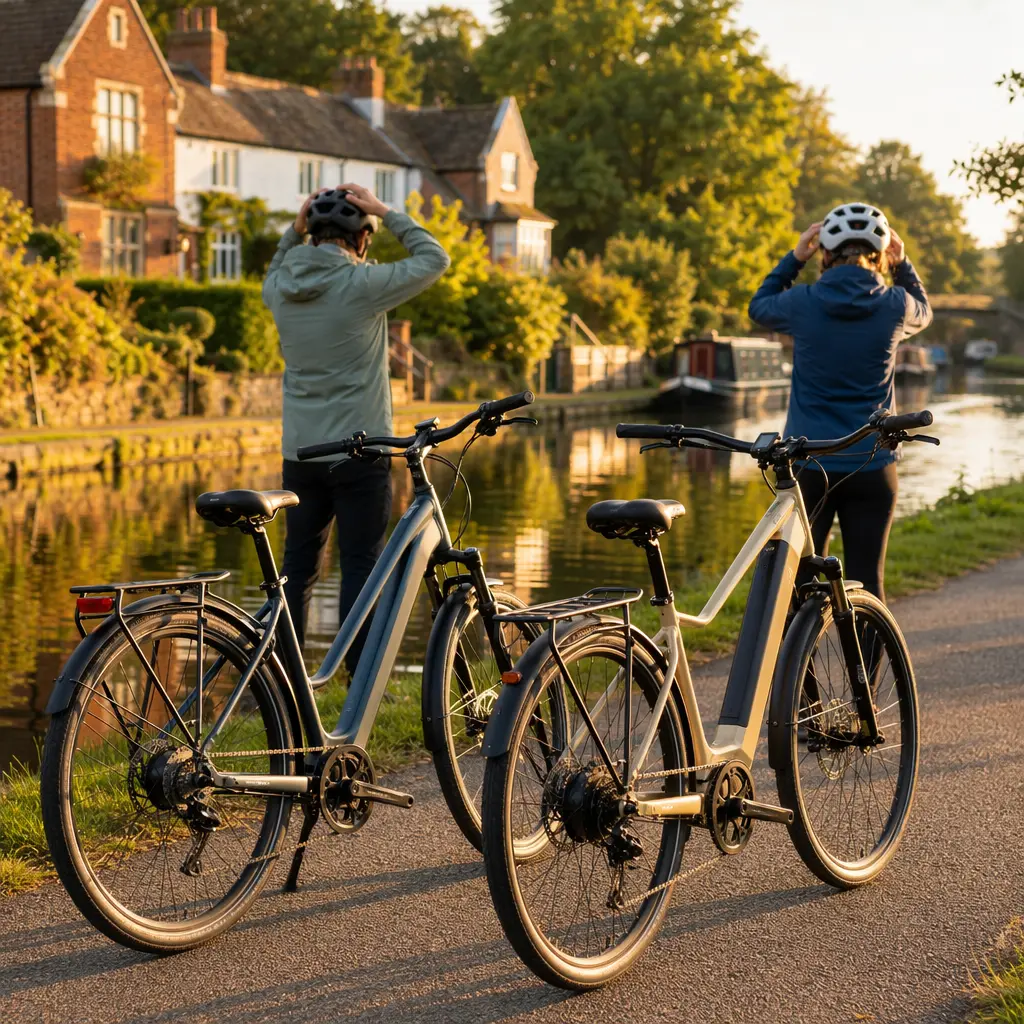
The gap between an £800 e-bike and a £1,500 one is often where electric bikes start feeling less like a compromise and more like a genuinely polished daily transport option. Both price points can get riders around town or through a commute without arriving sweaty, but the differences in battery size, motor smoothness and overall comfort become much more noticeable once rides stretch beyond short urban hops. For buyers worried about range anxiety, rough roads or long-term reliability, this is usually the point where spending more starts to make practical sense rather than simply buying prestige.
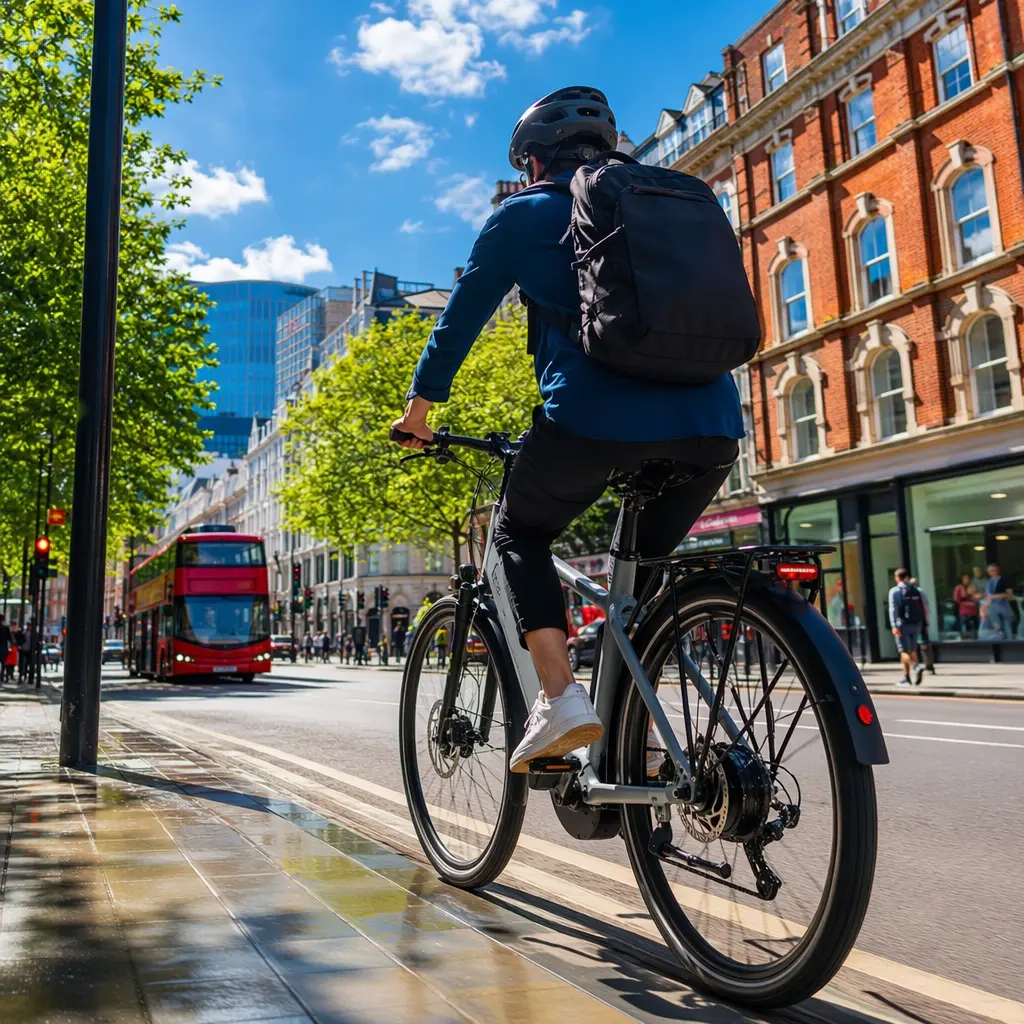
What you actually get at this price
At around £800, most e-bikes focus on delivering basic pedal assistance at the lowest possible cost. They are usually built around hub-drive motors paired with smaller batteries, simpler drivetrains and heavier frames. For short commutes, flatter routes and occasional leisure rides, that can still represent good value, especially for riders switching from public transport or car journeys.
Closer to £1,500, the improvements are less about outright speed and more about how naturally the bike rides day after day. Motors tend to respond more smoothly, batteries are often larger, and the frame and finishing kit become noticeably more refined. Comfort over broken roads improves, climbing feels easier and practical extras are more common.
- £800 e-bikes typically use rear hub motors with cadence sensors and batteries around 250Wh to 400Wh
- £1,500 models more commonly include larger 400Wh to 600Wh batteries and smoother motor calibration
- Mechanical disc brakes are common at both levels, but higher-priced bikes usually have stronger braking feel and better rotors
- Frames are mostly aluminium throughout, though pricier bikes tend to reduce vibration better through improved fork and tyre choices
- Cheaper models often use basic 7- or 8-speed drivetrains, while £1,500 bikes may move to wider-range 9- or 10-speed gearing
- Integrated lights, mudguards, pannier racks and more comfortable contact points become more common above £1,200
How to choose
The most important question is not maximum range on paper but the type of riding the bike will actually face each week. Riders covering five miles each way on mostly flat roads may find an £800 e-bike perfectly adequate. Someone riding daily through hilly suburbs, carrying shopping or tackling rough cycle paths will notice the benefits of a more refined motor and better comfort kit very quickly.
Fit and geometry also matter more than many first-time buyers expect. Upright commuter-style e-bikes prioritise visibility and comfort, while sportier hybrids place riders in a more efficient position for longer distances. Weight is another factor. Lower-cost e-bikes can feel cumbersome when pedalling without assistance or lifting up kerbs and stairs, whereas better-balanced mid-range bikes often handle more naturally at low speeds and through corners.
What to look out for
- Heavy overall bike weight, especially on cheaper folding and commuter models
- Small batteries that struggle to deliver claimed range in cold weather or hilly areas
- Abrupt motor engagement from basic cadence sensors
- Very narrow tyres that reduce comfort on rough urban roads
- Cheap suspension forks that add weight without improving ride quality
- Limited dealer support or hard-to-source replacement batteries
- No mounting points for mudguards or pannier racks on some budget-focused models
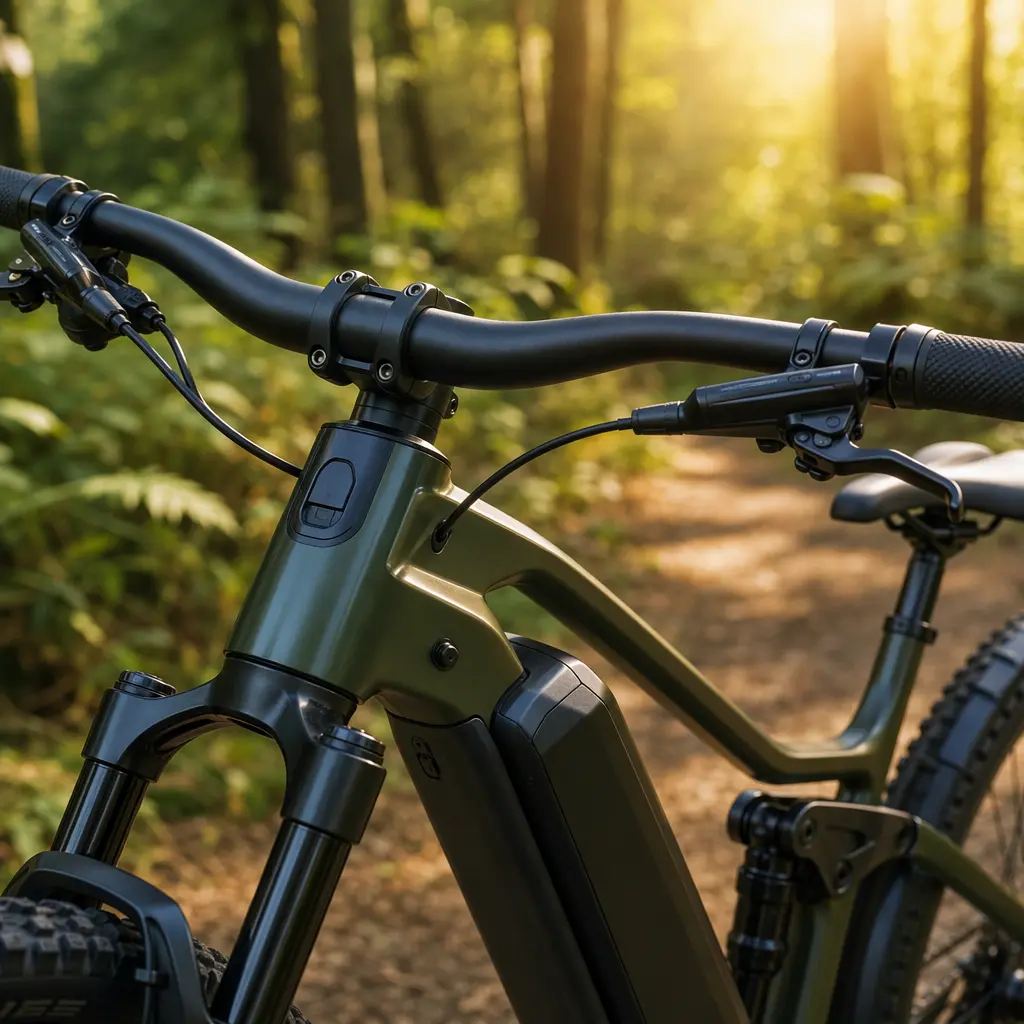
Worth spending more on
Tyres are one of the biggest comfort upgrades on any e-bike. Wider tyres with puncture protection can transform rough roads and towpaths, especially because electric bikes carry extra weight. A better saddle and ergonomic grips also make a larger difference over longer rides than many entry-level bikes suggest.
Security is another area where cutting corners rarely pays off. E-bikes are expensive targets, and a strong Sold Secure-rated lock is often a smarter upgrade than chasing slightly more motor power. Riders commuting year-round should also prioritise good lights, mudguards and waterproof panniers before worrying about cosmetic extras.
Frequently asked questions
Is a £800 e-bike good enough for commuting?
For shorter urban commutes and flatter routes, yes. Many affordable e-bikes handle daily transport duties well enough, especially if charging is convenient at home or work. The compromises usually appear in ride smoothness, battery range and long-term durability rather than basic functionality.
How much extra range does £1,500 usually buy?
Not always double, but often enough to remove charging anxiety. A larger battery combined with a more efficient motor can realistically add another 15 to 30 miles depending on terrain, rider weight and assistance mode.
Do more expensive e-bikes feel more comfortable?
Usually yes, although comfort improvements come from several smaller upgrades rather than one dramatic change. Better tyres, improved geometry, stronger wheels and smoother motor assistance all contribute to a calmer ride on poor road surfaces.
Should you buy used instead of new?
Used e-bikes can offer strong value, but battery condition matters enormously. Replacement batteries are expensive and older systems may lack parts support. For less confident buyers, a new bike with warranty coverage and dealer backup is often the safer option.
An £800 e-bike can absolutely cover basic transport duties, but around £1,500 is where range confidence, comfort and everyday usability begin to feel meaningfully more refined for regular riders.
Find these on Amazon
As an Amazon Associate, CheapBikes earns from qualifying purchases.