£600 vs £1,400 e-bikes: what range and power do you really gain?
Is a £1,400 e‑bike really over twice as capable as a £600 one? This UK-focused comparison cuts through battery anxiety to explain the real differences in range, motor power and day‑to‑day usability.
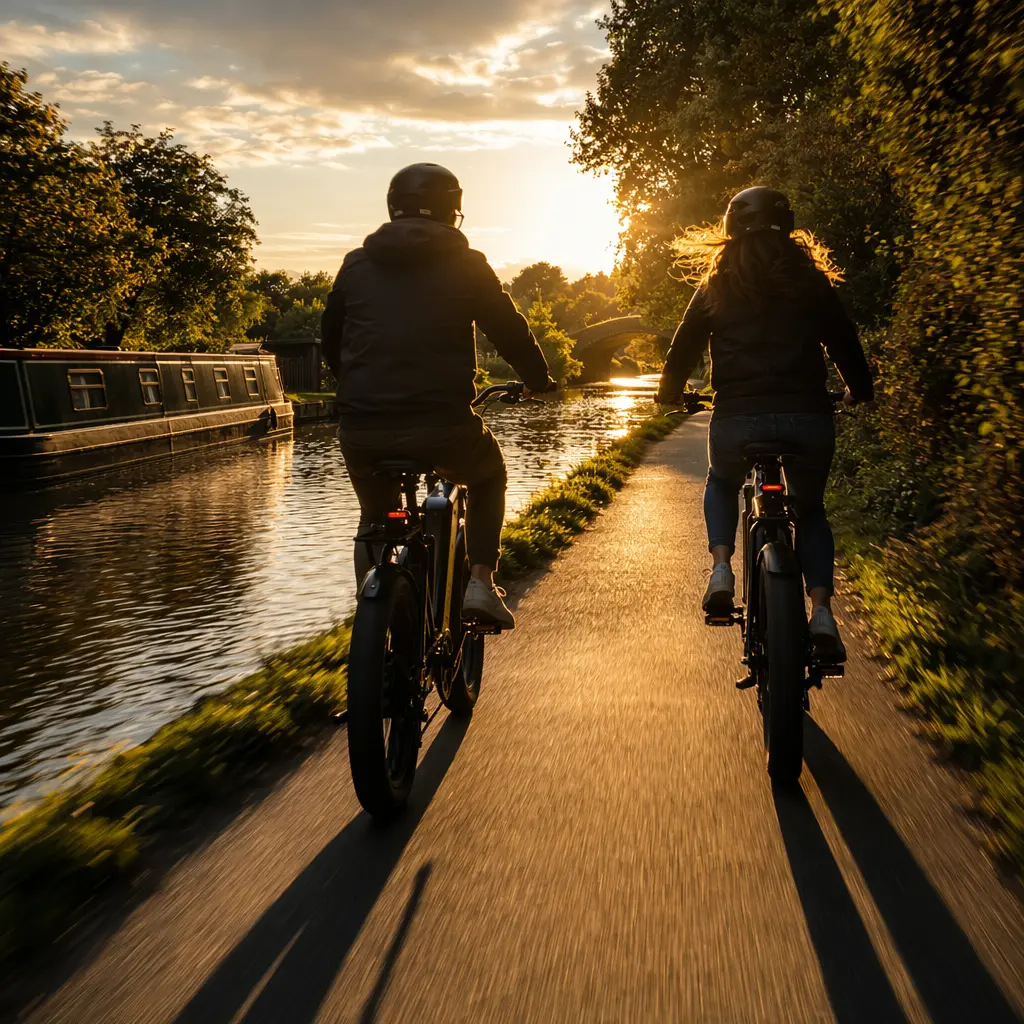
E‑bike prices in the UK span a huge range, but £600 and £1,400 mark two very different ends of the mainstream market. Both promise pedal assistance up to the legal 15.5mph limit, yet the experience on the road can feel worlds apart. This guide is for riders wondering whether spending an extra £800 actually buys meaningful gains in range, hill power and reliability — or whether a cheaper e‑bike already covers real-world UK journeys.
What you actually get at this price
At around £600, most e‑bikes are built to hit a headline figure rather than to excel everywhere. Expect a hub-mounted rear motor paired with a relatively small battery, usually around 360–400Wh. These systems meet UK legal limits, but they deliver assistance in a fairly basic, on‑off way that’s most comfortable on flat or gently rolling routes.
Move closer to £1,400 and the upgrades become more than cosmetic. Batteries typically jump to 500–630Wh, motors respond more smoothly to pedal input, and the rest of the bike is built to cope with higher mileage. This is where range claims start to align more closely with real UK riding rather than best‑case lab conditions.
- Motor: £600 bikes usually use basic rear hub motors; £1,400 bikes often have more refined hub motors or entry-level mid-drives
- Battery: roughly 360–400Wh vs 500–630Wh capacity
- Frame: aluminium on both, but pricier bikes use stiffer tubing and cleaner cable routing
- Gearing: basic 7–8 speed drivetrains vs wider-range 9–10 speed setups
- Extras: mudguards and racks are hit‑and‑miss at £600, more common and sturdier at £1,400
How to choose
The key question isn’t your longest possible ride, but your typical one. Many UK commutes are under 10 miles each way, with modest hills and frequent stops. For this kind of use, a £600 e‑bike can comfortably last several days between charges if ridden in lower assist modes.
If rides regularly stretch beyond 15–20 miles, include sustained climbs, or involve carrying shopping or panniers, the £1,400 category starts to justify itself. The extra battery capacity reduces charging frequency, while smoother power delivery makes riding feel more natural — especially when setting off at junctions or climbing steep urban streets.
What to look out for
- Optimistic range claims based on the lowest assist setting and flat terrain
- Heavy overall weight, particularly on cheaper hub‑motor bikes
- Basic cadence sensors that surge power rather than easing it in
- Limited dealer support or hard‑to‑source replacement batteries
- Minimal water sealing on electrics, which matters in UK weather
Worth spending more on
If stretching the bike budget isn’t possible, consider reserving some cash for upgrades that improve comfort and safety. Tyres with better puncture protection can transform a budget e‑bike’s reliability, particularly on debris‑strewn cycle lanes.
A quality lock and helmet are also non‑negotiable. Heavier e‑bikes attract attention when parked, and replacing a stolen budget bike still hurts more than investing upfront in decent security.
Frequently asked questions
Do £1,400 e‑bikes go twice as far as £600 ones?
Not usually. In real UK riding, expect perhaps 40–60% more usable range, not double. The gain comes from larger batteries and more efficient power delivery, rather than raw motor output.
Is the motor more powerful on a £1,400 e‑bike?
UK law caps assistance at 250W continuous output, so peak power feels similar on paper. The difference is how smoothly and consistently that power is delivered, especially on hills.
Will a cheaper e‑bike wear out faster?
The electrical systems are generally reliable, but cheaper bikes often use lower‑grade drivetrains and brakes that may need servicing or replacement sooner if ridden daily.
Is battery replacement affordable later on?
Replacement batteries can cost several hundred pounds. More established systems found on £1,400 bikes tend to have better long‑term availability, which matters if you plan to keep the bike for years.
In short, £600 e‑bikes cover shorter, flatter journeys surprisingly well, but £1,400 buys breathing room — more range, smoother assistance and less day‑to‑day compromise. The right choice depends on how far and how often UK roads ask you to ride.
Find these on Amazon
As an Amazon Associate, CheapBikes earns from qualifying purchases.