Is an e‑bike worth it for longer, mostly flat commutes?
For longer, flatter commutes, e‑bikes shine on range and comfort rather than raw motor power. Here’s what actually matters — and when the upgrade makes sense.

For riders facing a longer daily commute that’s mostly flat, the e‑bike question usually isn’t about speed — it’s about effort, consistency and arriving without feeling wrung out. With prices still higher than conventional bikes, it’s reasonable to ask whether electric assistance is worth paying for when hills aren’t the problem. The short answer: often yes, but not for the reasons many people expect.
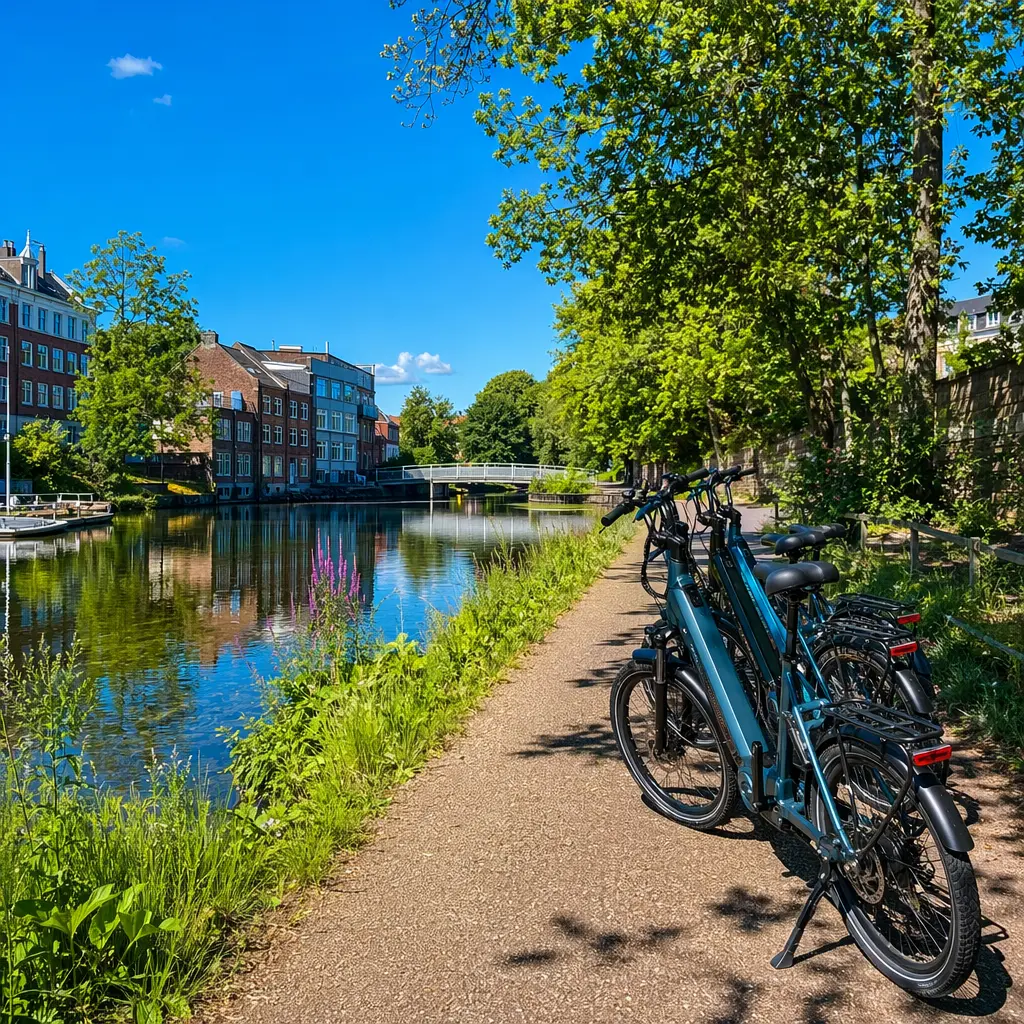
What you actually get at this price
On flatter routes, entry‑ to mid‑level e‑bikes deliver their value through steady assistance, relaxed gearing and commuter‑friendly components rather than headline motor wattage. UK‑legal motors are capped for assistance speed, so differences show up more in refinement than outright pace.
Most sensible commuter e‑bikes prioritise battery capacity and comfort features, because that’s what makes a long ride feel manageable day after day.
- Motor: hub motors or basic mid‑drive units tuned for smooth, consistent assistance rather than punchy acceleration
- Battery: typically 400–500Wh, enough for longer flat commutes without daily charging anxiety
- Frame: aluminium with an upright or neutral geometry for comfort and visibility
- Gearing: wide‑range but simple drivetrains designed for cadence support, not racing
- Brakes: mechanical or entry‑level hydraulic discs for predictable stopping in wet UK conditions
- Extras: mudguard mounts common; some include racks and integrated lights, others expect add‑ons
How to choose
For longer flat commutes, range matters more than peak power. A smaller motor working efficiently with a decent battery will feel more useful than a punchy setup that drains quickly. Look at quoted range figures conservatively and assume real‑world distances will be lower in winter, with lights on and higher assist levels.
Comfort is the other deciding factor. An upright riding position reduces fatigue over distance, while wider tyres smooth rough tarmac and kerbs. Step‑through frames can make daily riding easier if you’re stopping often, while traditional diamond frames usually feel a touch stiffer and more efficient.
What to look out for
- Small batteries paired with heavy frames, which limit usable range
- Over‑emphasis on motor torque numbers that add little on flat routes
- Cheap suspension forks that add weight without real comfort benefits
- Non‑standard battery shapes that are expensive to replace later
- Lack of rack or mudguard mounts on bikes marketed as commuters
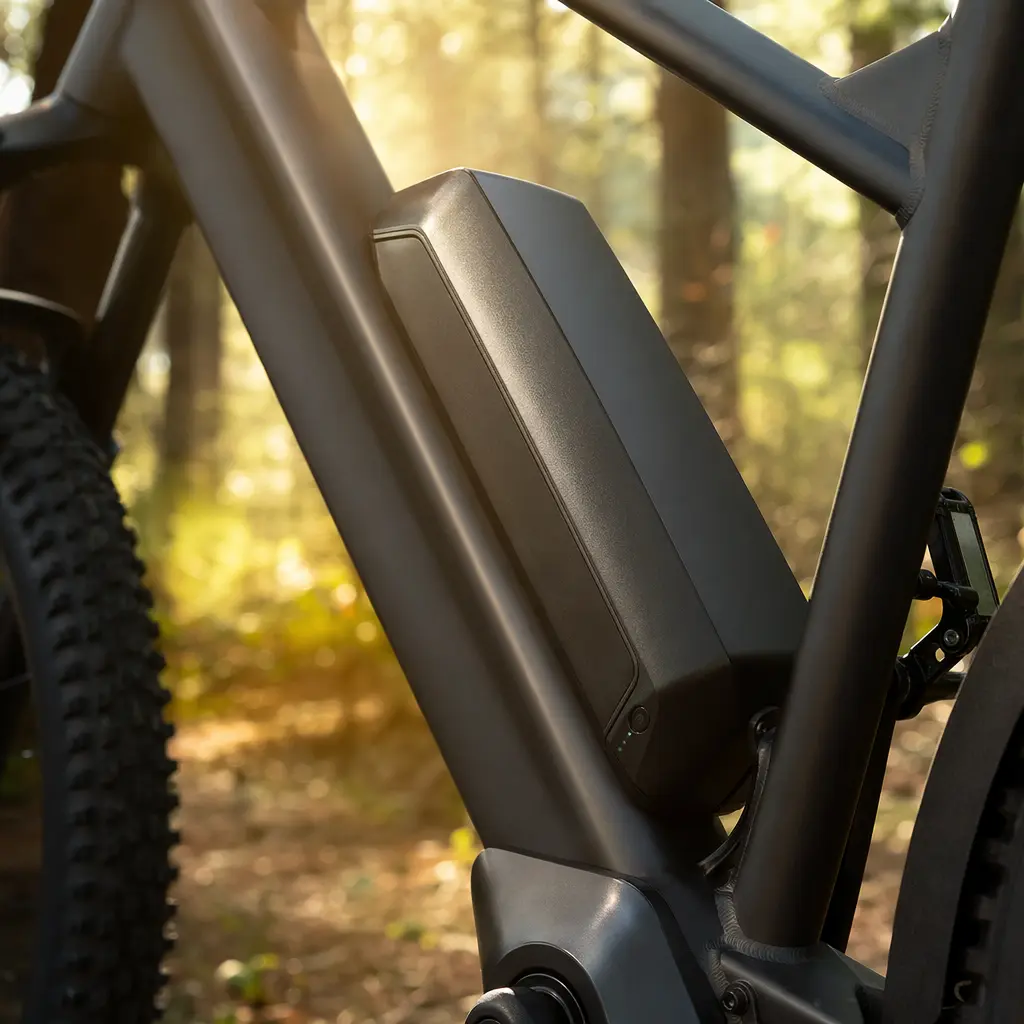
Worth spending more on
If budget allows, a higher‑capacity battery is the single most valuable upgrade for flat, longer commutes. It reduces charging frequency and keeps assistance consistent as the battery ages. Better tyres are another quiet upgrade: puncture protection and lower rolling resistance pay off quickly.
Comfort contact points matter too. Saddles, grips and pedals are often built to a price, and swapping them can transform how tolerable a 45‑minute ride feels, especially in everyday clothes.
Frequently asked questions
Do I need a powerful motor for flat commuting?
Not usually. On flat routes, consistent assistance and efficient gearing matter more than high torque figures. Extra power mainly helps on steep climbs or with heavy cargo.
How far can I realistically commute on one charge?
Many riders manage 30–60 miles on flatter terrain with moderate assistance, but expect less in cold weather or with constant high power. Treat manufacturer ranges as best‑case scenarios.
Are e‑bikes expensive to run?
Running costs are generally low. Electricity costs are minimal, but budget for consumables like brake pads and tyres, which can wear faster due to the bike’s weight.
Would a regular bike be enough instead?
For some riders, yes. But if distance, time pressure or arriving sweat‑free matters, an e‑bike often makes the commute more reliable and easier to stick with year‑round.
For longer, mostly flat commutes, an e‑bike earns its keep through range, comfort and consistency — not brute force — making it a practical upgrade when daily distance starts to dictate how often you ride.
Find these on Amazon
As an Amazon Associate, CheapBikes earns from qualifying purchases.