Why Expensive Folding Bikes Feel Easier to Live With
Premium folding bikes over £2,000 aim to improve comfort, portability and long-term durability. This guide explains where the extra money goes and which upgrades matter most for daily riding.
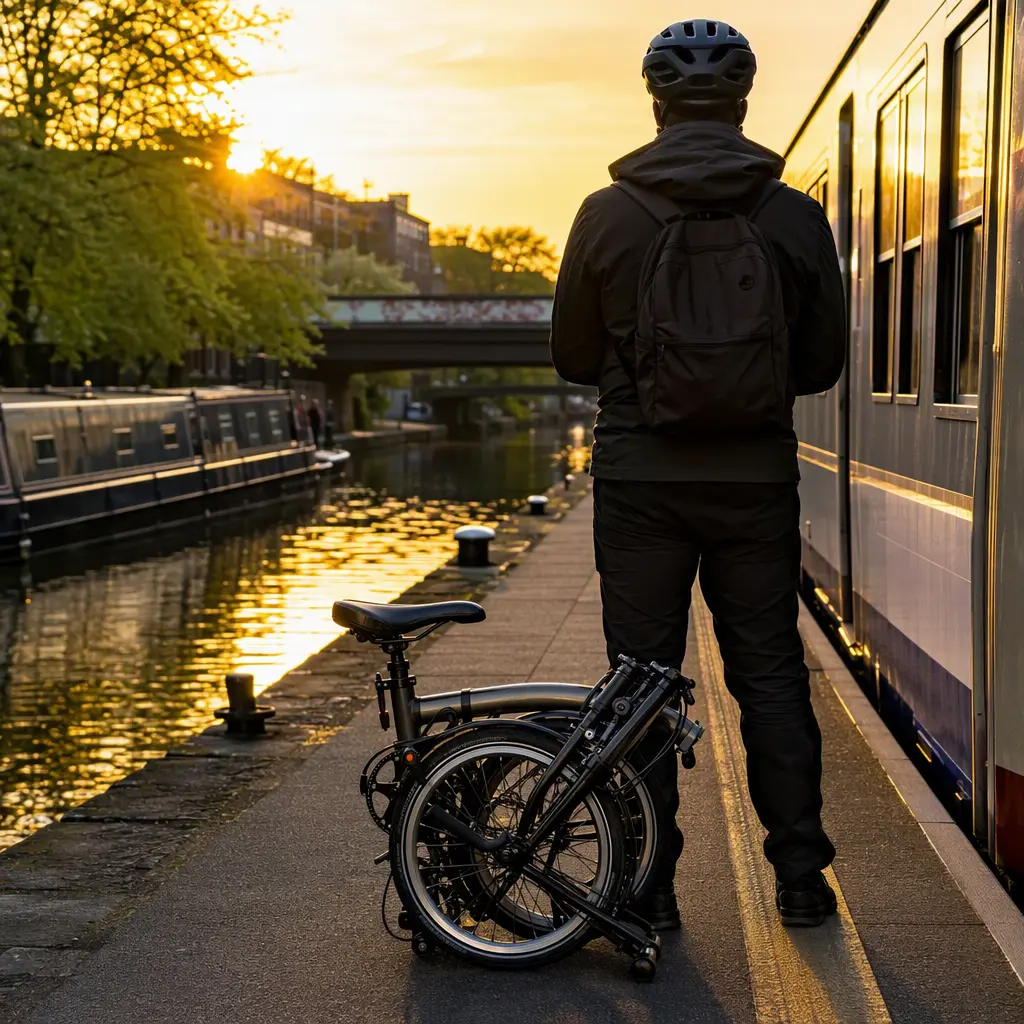
Folding bikes above £2,000 are aimed at riders who use them regularly rather than occasionally. At this level, the extra cost usually goes into smoother ride quality, faster and tidier folding systems, lower weight and better long-term durability. For commuters mixing cycling with trains or office storage, those differences can make a folding bike noticeably easier to carry, store and maintain over several years. The challenge is deciding which upgrades genuinely improve daily use and which features are mainly about saving a few hundred grams or adding prestige.
What to look for
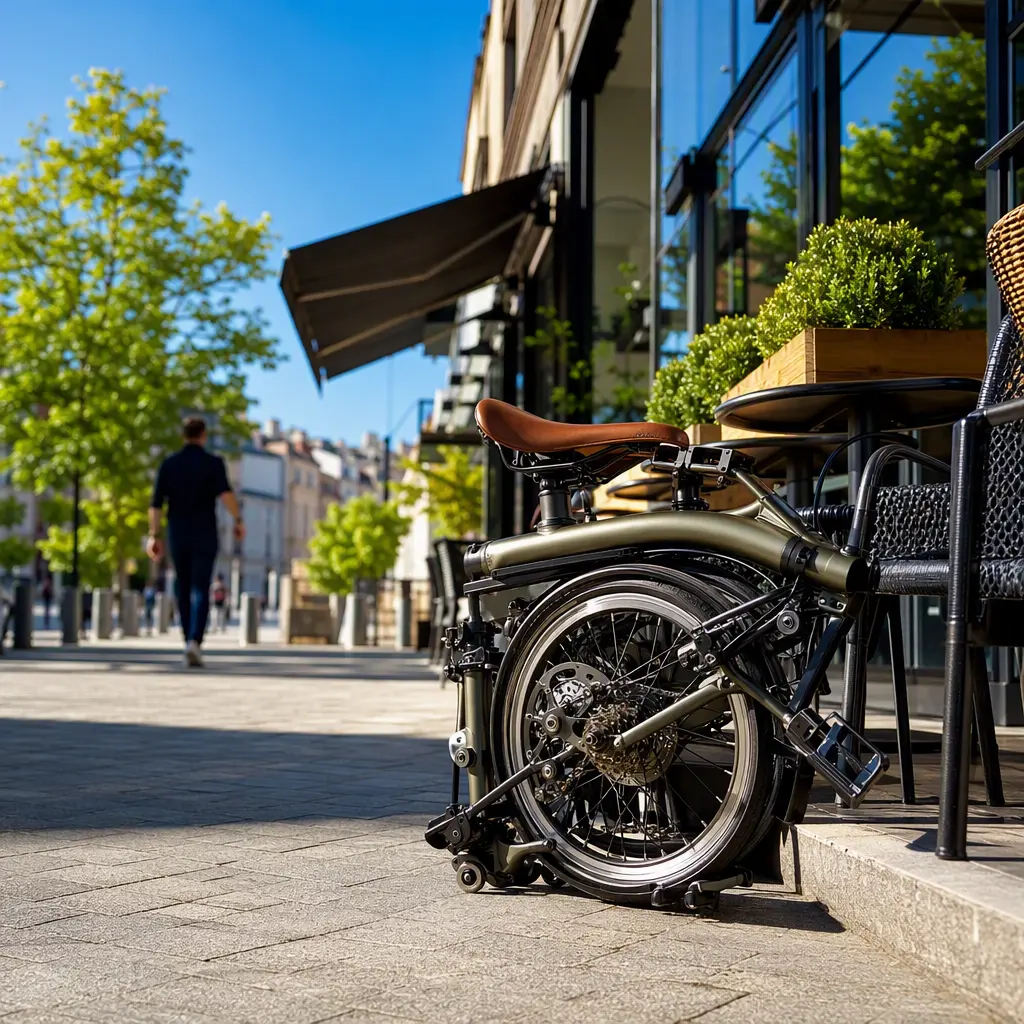
Premium folding bikes tend to focus on refinement rather than headline specifications alone. A lighter frame matters when carrying the bike up stairs or onto trains, but ride comfort, steering stability and fold practicality are equally important. Many expensive models use carefully engineered hinges and locking systems that feel more solid under power and develop less movement over time. Better wheelsets, tyres and drivetrain components can also make small-wheeled bikes feel quicker and calmer on rough urban roads.
- Wide-range gearing helps on hills while keeping cadence comfortable at commuting speeds
- Aluminium frames dominate for low weight, while titanium options prioritise comfort and corrosion resistance
- Hydraulic or high-quality mechanical disc brakes improve wet-weather control and reduce maintenance hassle
- Longer wheelbases and refined geometry usually create steadier handling at higher speeds
- Correct fit still matters on folding bikes, especially handlebar height and saddle adjustment range
- Lower overall weight makes carrying through stations or upstairs far easier
- Integrated lights, mudguards, luggage mounts and roller wheels add real convenience for daily use
Budget and what you're getting
At more than £2,000, buyers are paying for engineering quality and usability rather than dramatic increases in outright speed. Compared with folding bikes around £800 to £1,200, premium options often feel quieter, tighter and more stable over rough roads. The folding process is usually faster and cleaner too, with better magnet systems, cable routing and compact folded dimensions. Higher-end drivetrains and wheel components can reduce maintenance frequency, although replacement parts may cost more. There are still compromises: smaller wheels cannot fully match the comfort or rollover ability of larger-wheeled hybrids, and very lightweight folding designs can sacrifice some luggage capacity or tyre clearance.
Standout categories or types
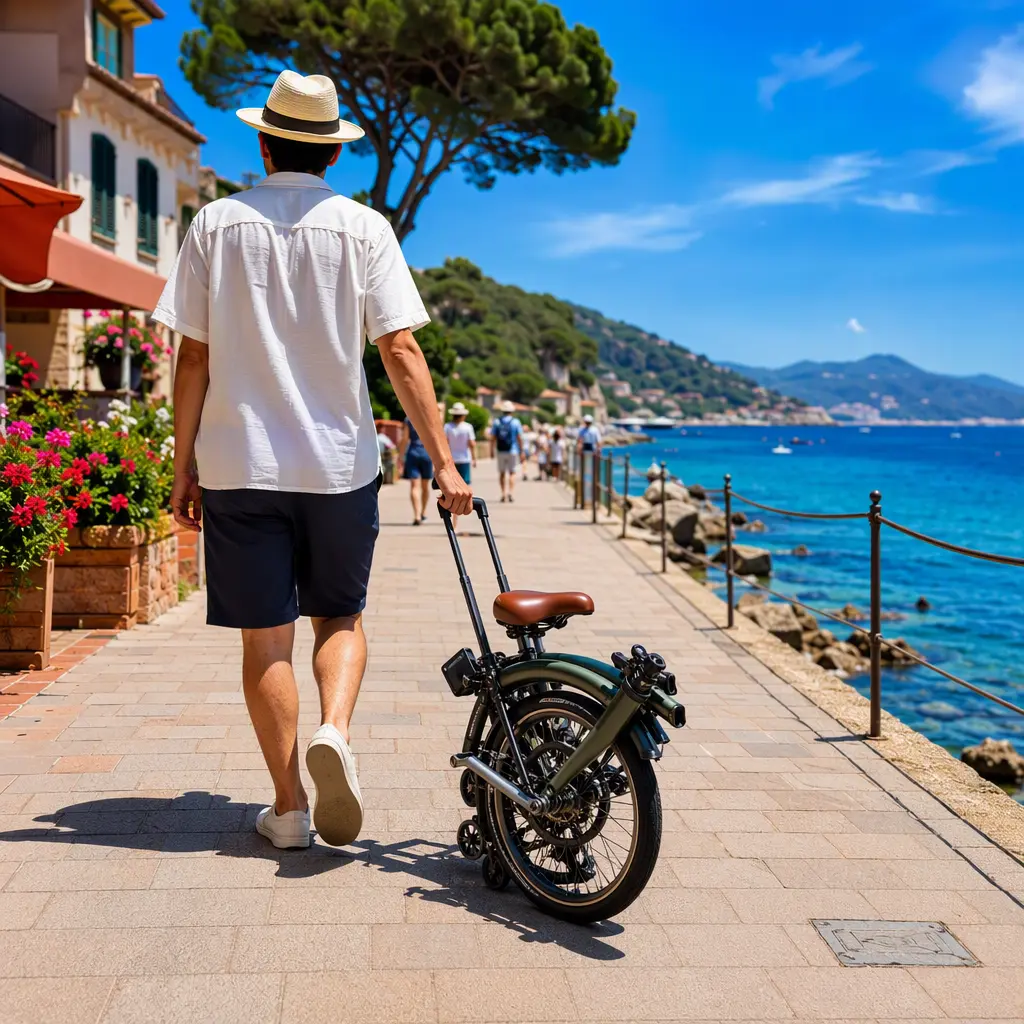
One major divide at this price point is between compact urban folding bikes and larger-wheel performance-focused designs. Compact folders prioritise portability above everything else. They usually fold into smaller shapes, fit more easily under desks or luggage racks and roll neatly through stations. These bikes are often chosen by commuters with limited storage space or regular train journeys.
Performance-oriented folding bikes tend to use larger wheels and slightly bigger frames for improved comfort and speed. They may not fold quite as compactly, but they generally feel closer to a conventional hybrid bike on longer rides. Some premium models also focus on low-maintenance features such as belt drives and internal hub gears, which suit year-round commuting in poor weather.
- Ultra-compact folders prioritise portability and quick folding times
- Larger-wheel folders improve stability and rough-road comfort
- Titanium frames reduce road buzz and resist corrosion well
- Belt-drive systems cut down on drivetrain cleaning and lubrication
- Integrated luggage systems can improve practicality for commuting and shopping
Frequently asked questions
Are expensive folding bikes noticeably better to ride?
In many cases, yes. Better frame stiffness, tyre quality and geometry tuning can make premium folding bikes feel more stable and efficient, especially over longer urban rides. The improvements are often more noticeable in comfort and handling than outright speed.
Does a lighter folding bike make a big difference?
For riders carrying a bike upstairs, onto trains or into offices every day, even a reduction of 2kg to 3kg can feel significant. Weight matters less if the bike spends most of its time unfolded and rolling.
Are folding bikes over £2,000 lower maintenance?
Higher-quality bearings, hinges and drivetrain parts can improve durability and reduce adjustment frequency. However, premium components may also cost more to replace, so maintenance savings are not always straightforward.
Can a folding bike replace a normal commuter bike?
For many urban riders, yes. Modern premium folding bikes can handle daily commuting, shopping trips and moderate leisure rides comfortably. They are less ideal for rough off-road riding or very long-distance touring compared with larger-wheeled bikes.
What matters more: fold size or ride quality?
That depends on how often the bike needs to be carried or stored. Riders with crowded train journeys or small flats may value a compact fold most, while longer-distance commuters often prefer larger wheels and steadier handling.
An expensive folding bike makes the most sense when portability is part of everyday life rather than an occasional convenience. The biggest gains are usually found in fold quality, carrying ease and long-term refinement rather than dramatic performance increases. Buyers who regularly combine cycling with public transport or tight storage spaces are the most likely to notice where the extra money goes.
Find these on Amazon
As an Amazon Associate, CheapBikes earns from qualifying purchases.