Is an e‑bike worth it for short school runs and errands?
For short school runs and local errands, an e‑bike can replace car trips. This guide explains why low‑speed assistance matters more than range, what you really get for the money, and the trade‑offs to expect.
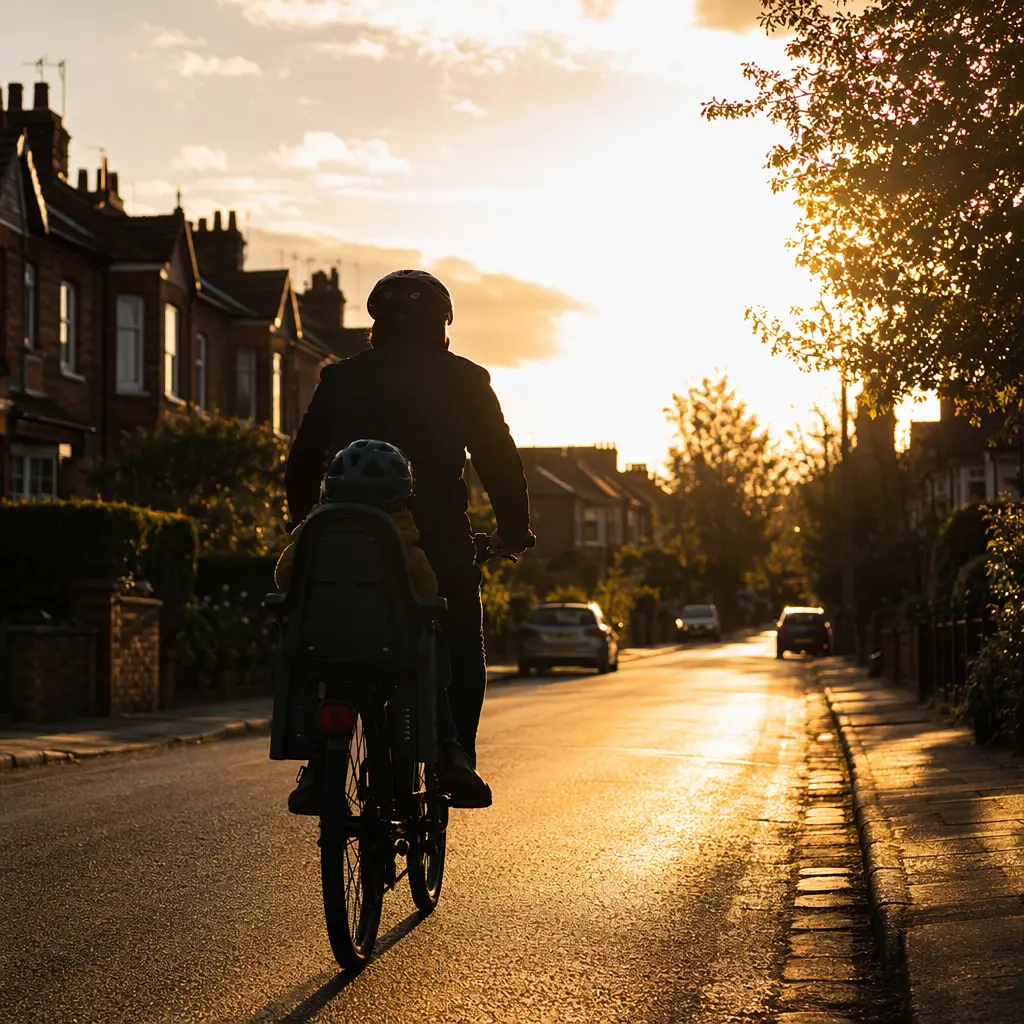
Short school runs and local errands are exactly where e‑bikes spark debate. Distances are often only a couple of miles, speeds are low, and the bike might be loaded with a child, a backpack, or shopping. The value question is simple: does electric assistance make everyday family trips easier and more reliable than a standard bike, or is it an unnecessary expense?
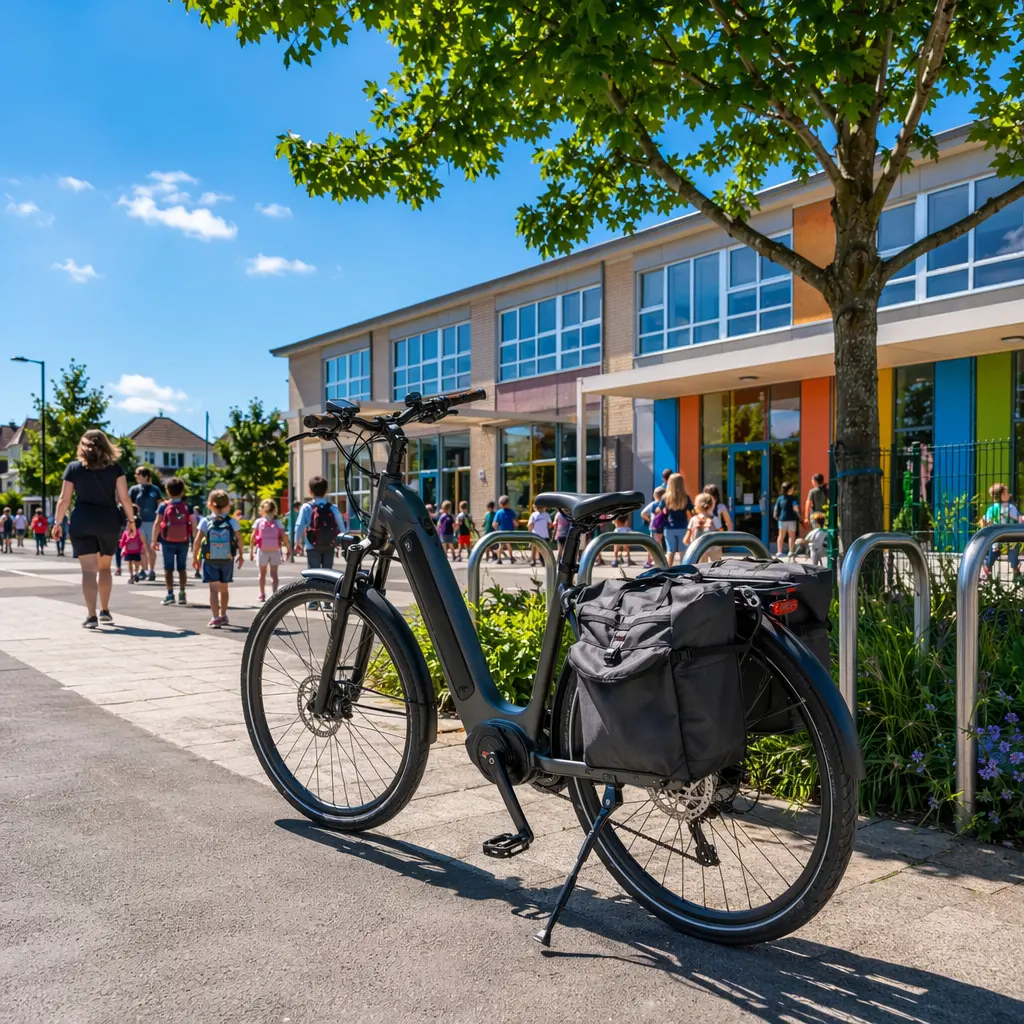
What you actually get at this price
For everyday utility e‑bikes sold in the UK, most sit between £800 and £1,800. At this level, the headline feature is not huge range or speed, but predictable, legal assistance up to 15.5mph that helps with pulling away, hills, and stop‑start riding.
These bikes are designed around convenience rather than sport. Weight is higher than a normal bike, but stability and durability tend to be prioritised.
- Motor and assistance: hub motors or basic mid‑drive units tuned for smooth low‑speed help rather than power
- Battery: modest capacity, typically enough for several short trips between charges rather than long leisure rides
- Frame: aluminium frames with step‑through options for easy mounting with child seats
- Brakes: mechanical or basic hydraulic disc brakes for reliable stopping in wet weather
- Gearing: simple wide‑range gearing aimed at hills with a load, not high top speed
- Extras: many come with mudguards, pannier racks, kickstands and integrated lights as standard
How to choose
For school runs and errands, low‑speed behaviour matters more than headline specs. Look for an e‑bike that feels calm and predictable pulling away from junctions and round parked cars. Smooth assistance at walking pace makes filtering through traffic or starting on a hill far less stressful.
Fit and practicality come next. An upright riding position improves visibility in traffic and makes it easier to keep an eye on children. Step‑through frames simplify stops and starts, especially when carrying extra weight. Mounts for child seats, panniers or baskets should be present rather than an afterthought.
What to look out for
- Heavy overall weight, which can be awkward to lift into sheds or up steps
- Basic displays with limited battery information
- Cheaper batteries that are expensive to replace once out of warranty
- Limited adjustment range on stems and handlebars
- Proprietary chargers or parts that tie you to one supplier
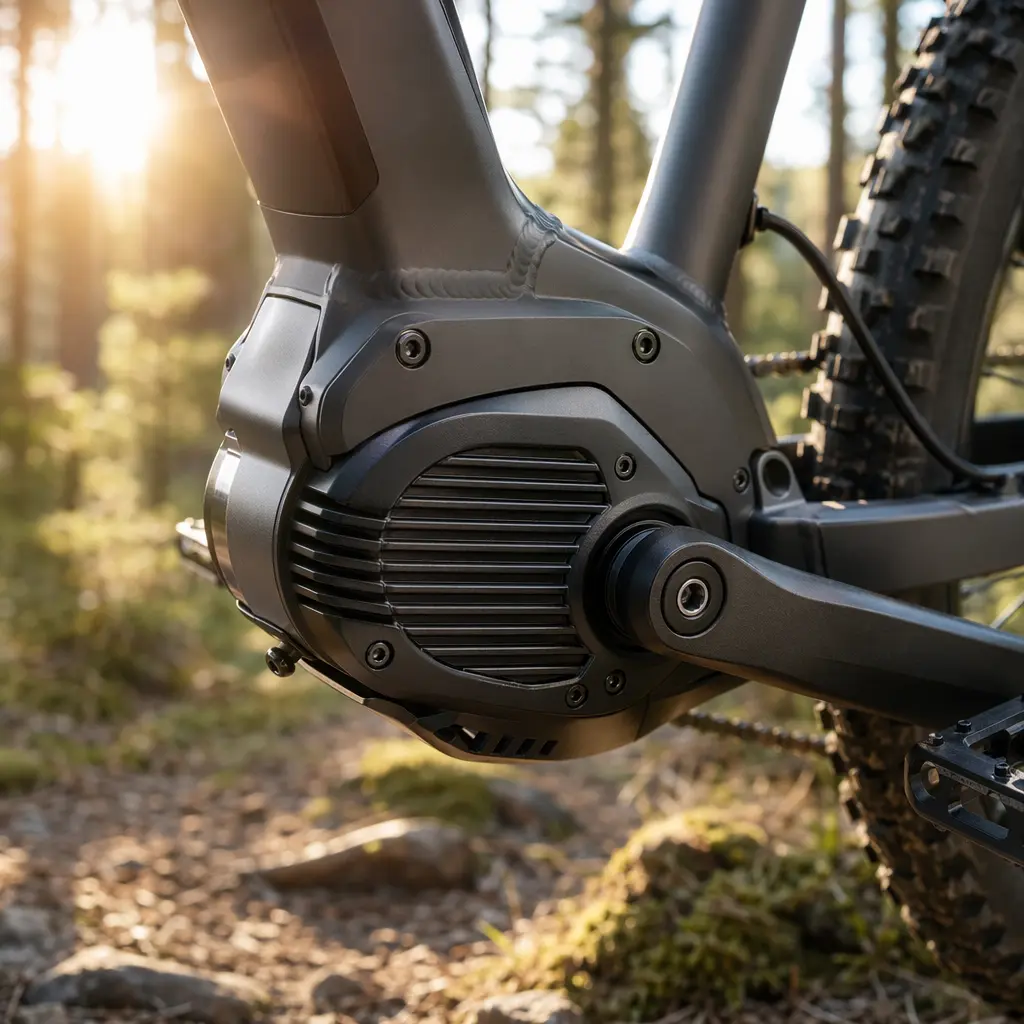
Worth spending more on
For short trips, comfort and safety upgrades often matter more than a bigger battery. Better tyres with puncture protection reduce hassle and improve confidence on wet roads. A stable double‑leg kickstand makes loading children or shopping far easier.
Security is another area where spending a bit extra pays off. A solid Sold Secure–rated lock and decent lights protect the bike and make quick stops less stressful. These upgrades can transform daily use more than chasing extra miles of range.
Frequently asked questions
Is an e‑bike overkill for a two‑mile school run?
Not necessarily. Assistance reduces sweat, effort and arrival times, making cycling feel practical rather than a workout. That consistency is what often replaces car trips.
Do I need a big battery for local errands?
No. Short, frequent trips favour reliable low‑speed support over maximum range. Smaller batteries are lighter and often charge more quickly.
Are e‑bikes safe with child seats?
Yes, provided the frame and rack are rated for the load and the bike feels stable when starting and stopping. Test rides are important here.
What about maintenance compared with a normal bike?
There is more to go wrong, but routine servicing is similar. Buying from a local shop with e‑bike support reduces long‑term headaches.
For short school runs and everyday errands, an e‑bike earns its keep by making cycling easy, predictable and repeatable — often replacing the car rather than competing with it.
Find these on Amazon
As an Amazon Associate, CheapBikes earns from qualifying purchases.