Best electric bikes under £1,200 for everyday UK riding
Affordable e-bikes have improved fast. This guide explains what £1,200 buys in 2026, the compromises to expect, and how to choose a practical electric bike for commuting, errands and leisure rides.

Electric bikes under £1,200 used to mean short range, clunky motors and heavy frames. In 2026, that budget finally stretches to something genuinely useful for everyday UK riding — commuting, shopping trips and relaxed weekend spins. This guide is for value‑focused riders who want electric assistance without finance deals or premium pricing, and who are willing to accept a few sensible compromises to keep costs down.
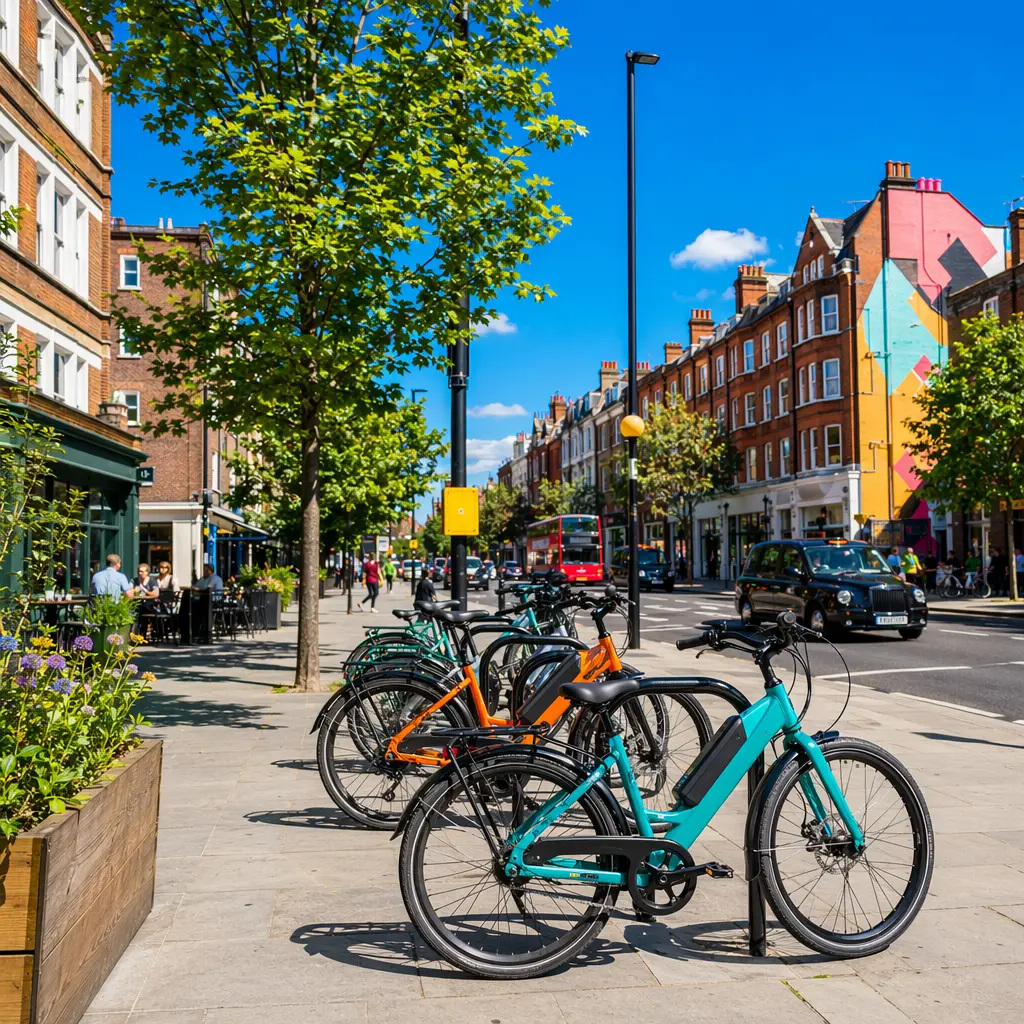
What you actually get at this price
At £1,200 or less, e-bikes now deliver dependable assistance rather than novelty power. Motors are typically modest but smooth, batteries are big enough for daily riding, and frames are designed around comfort rather than speed. You are paying for function first, not refinement.
Expect sensible, proven components rather than cutting‑edge tech. These bikes are aimed at riders who want to arrive less sweaty and carry a bag, not chase top speeds or shave seconds off a commute.
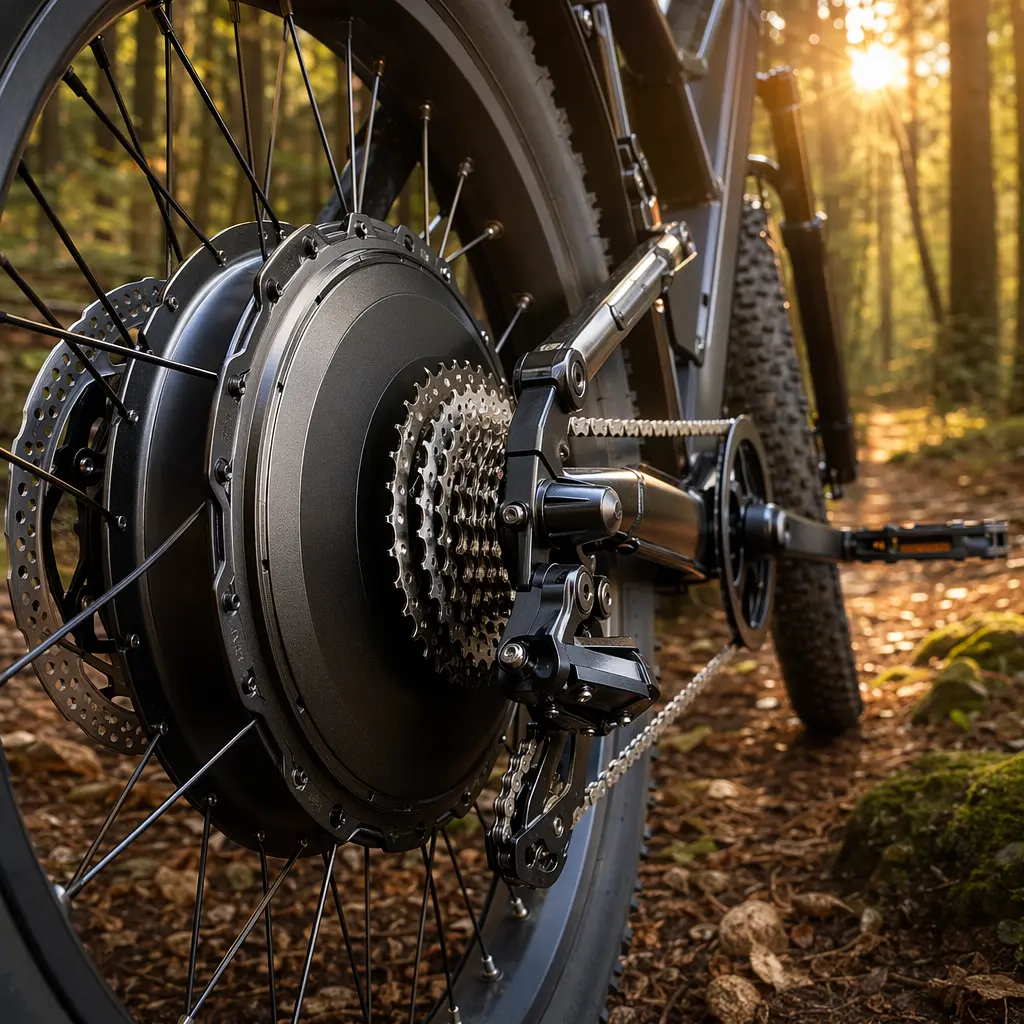
- Motor: rear‑hub or front‑hub motors around 250W, tuned for steady assistance rather than punchy acceleration
- Battery: roughly 350–460Wh, giving 20–40 miles in real UK conditions depending on assist level and terrain
- Frame: aluminium frames with upright geometry for comfort and visibility in traffic
- Gearing: basic 6–8 speed drivetrains, often with wide-range cassettes for hills
- Brakes: mechanical disc brakes or good-quality rim brakes; hydraulic discs are rare at this price
- Extras: many include mudguards, rear racks and kickstands, though integrated lights are hit and miss
How to choose
Start with how you will actually ride. For short urban commutes and errands, prioritise comfort, included accessories and easy handling over raw range. An upright position with swept-back bars reduces strain and improves confidence in traffic, especially for newer riders.
Fit matters more than headline specs. Many budget e-bikes are heavy, so a frame size that allows confident stopping and starting is crucial. Step‑through frames are popular for everyday use and make mounting easier when carrying panniers or wearing work clothes.
What to look out for
- Weight: 22–26kg is common, which can be awkward up stairs or onto car racks
- Basic displays: small LCDs with limited data and fiddly buttons
- Slower charging: budget chargers can take 5–7 hours for a full charge
- Limited dealer support: some online-only brands rely on owner maintenance
- Non-removable batteries: cheaper designs sometimes fix the battery in place
- Tyres: stock tyres may prioritise cost over puncture protection
Worth spending more on
A budget e-bike can be transformed by a few smart upgrades. Tyres are the biggest win: swapping to puncture‑resistant commuter tyres reduces hassle and improves confidence immediately. A comfortable saddle suited to upright riding is another low‑cost improvement that pays off on every journey.
Security is also worth prioritising. These bikes are valuable enough to attract attention, yet often ship with minimal locks. A solid D‑lock and cable combination is a better investment than cosmetic accessories, especially for city riding.
Frequently asked questions
Are e-bikes under £1,200 legal in the UK?
Yes, provided they meet EAPC rules: a 250W motor, assistance limited to 15.5mph, and pedal‑assist only. Most reputable UK‑sold budget e-bikes are designed to comply.
How far will I really get on a charge?
Manufacturers quote optimistic ranges. In mixed UK riding with hills, wind and higher assist levels, 20–30 miles is realistic. Lighter riders using lower assistance may see more.
Are cheap e-bikes expensive to maintain?
Routine costs are similar to a normal bike: tyres, chains and brake pads. Electrical parts are more expensive, so check battery replacement prices and warranty length before buying.
Is buying used a good idea at this price?
Used can offer better components for the money, but battery health is crucial. Without proof of age and charging history, a cheap used e-bike can become a false economy.
In short, £1,200 now buys an electric bike that genuinely works for everyday UK riding — choose carefully, accept the limits, and it can replace more car journeys than you might expect.
Find these on Amazon
As an Amazon Associate, CheapBikes earns from qualifying purchases.