Best Electric Bikes Under £1,400 for Commuting
Affordable electric bikes can handle year-round commuting if the basics are right. Here’s what to expect under £1,400, where corners are cut, and which features matter most for wet-weather riding.
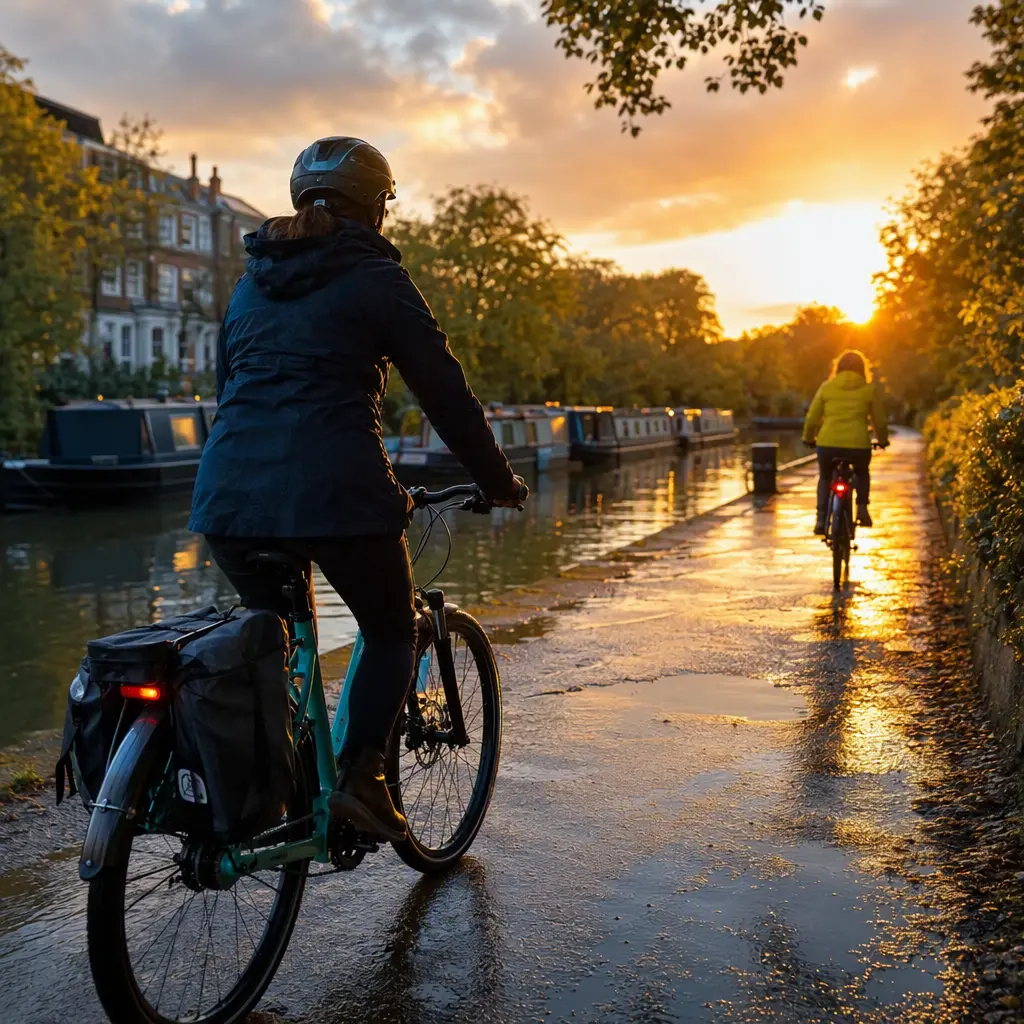
Electric bikes under £1,400 have improved enough to make daily commuting realistic for more riders, especially on flatter routes and medium-distance journeys. The key is balancing battery range, comfort and practical extras without paying for features that make little difference in everyday riding. For UK commuters dealing with wet roads, potholes and winter darkness, details like mudguards, tyre clearance and dependable brakes matter more than headline motor power.
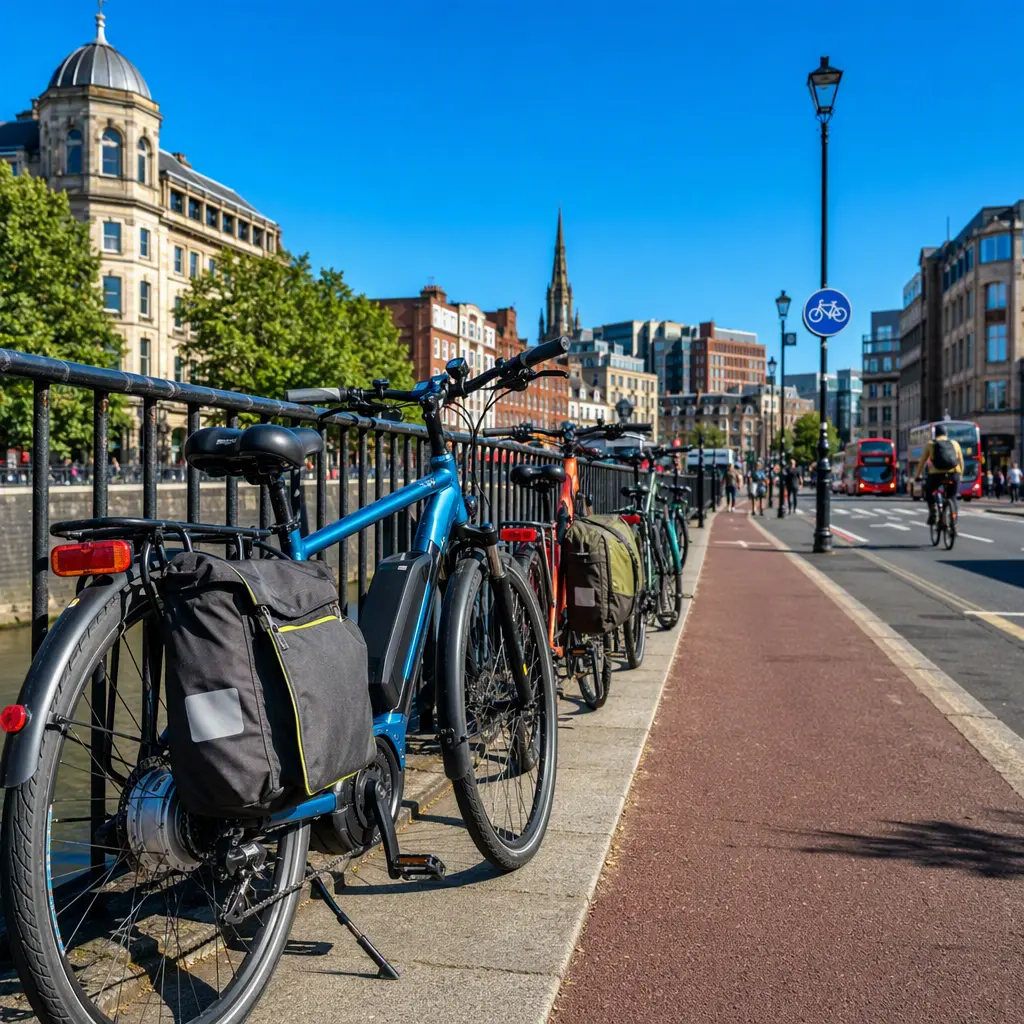
What you actually get at this price
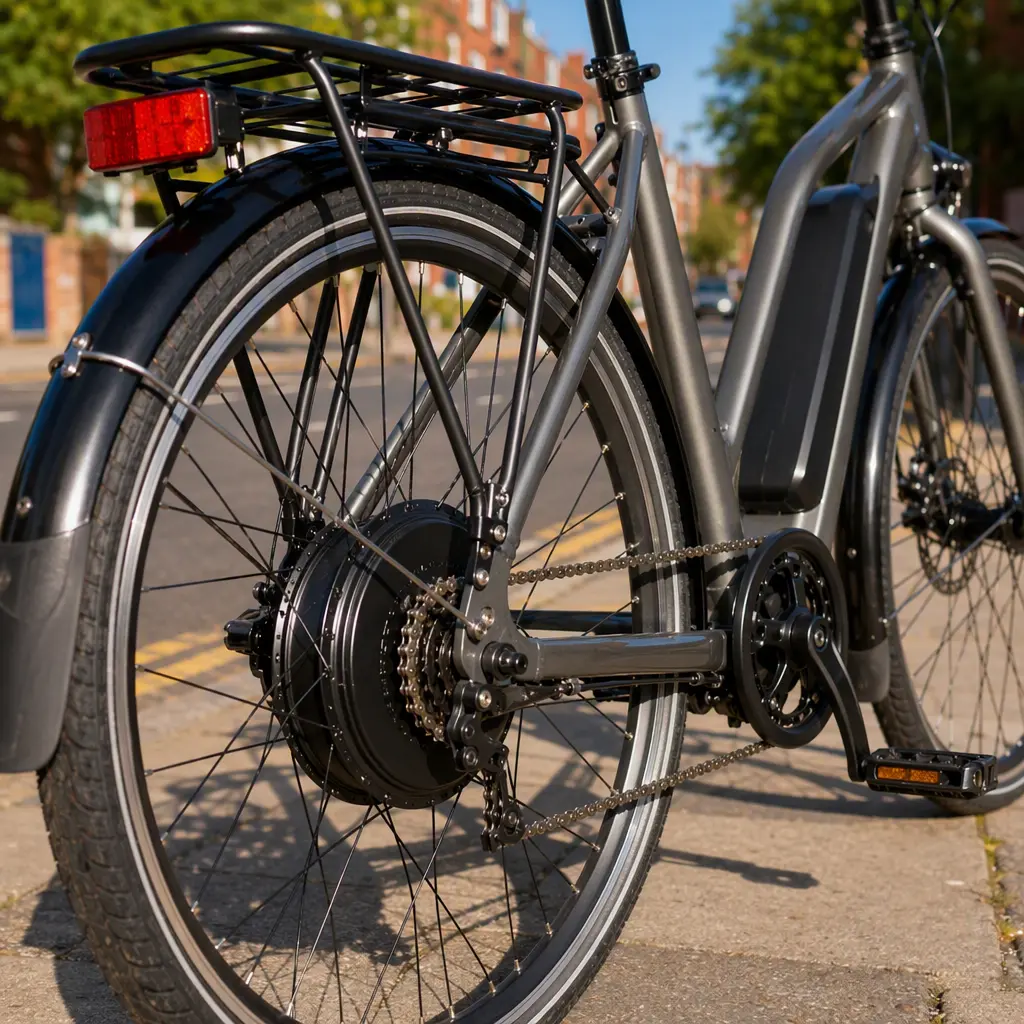
Most electric bikes under £1,400 use rear-hub motors rather than more expensive mid-drive systems. That is not necessarily a problem for commuting. Hub motors are simpler, quieter and often cheaper to maintain, though they can feel less natural on steep hills. Expect battery capacities around 360Wh to 500Wh, which is usually enough for roughly 20 to 50 miles depending on terrain, rider weight, weather and assist level.
Frames are commonly aluminium and tend to prioritise upright comfort over sporty handling. Many commuter-focused models include practical kit straight from the shop, which saves money later. Hydraulic disc brakes are becoming more common at this level and are worth prioritising for wet-weather confidence, though mechanical discs still appear on cheaper bikes.
- Rear-hub motors with cadence-based pedal assist
- Battery range suitable for short to medium daily commutes
- Aluminium frames with upright riding position
- Mechanical or entry-level hydraulic disc brakes
- 7- to 9-speed drivetrains with wide gearing
- Integrated lights or mounting points on some models
- Mudguards and rear racks often included on commuter designs
- Tyres aimed at mixed urban surfaces and towpaths
How to choose
For year-round commuting, comfort and practicality usually matter more than speed. A relaxed riding position helps visibility in traffic and reduces strain on longer rides, while wider tyres add grip and comfort on rough roads. Riders carrying laptops, shopping or waterproofs should look for rack mounts or included panniers rather than relying on a backpack every day.
Battery placement also affects handling. Integrated batteries look cleaner but can be harder or more expensive to replace later, while externally mounted batteries are simpler to remove for indoor charging. Step-through frames are increasingly popular for commuting because they make frequent stops easier, especially in winter clothing or heavy rain gear. Anyone riding through poorly maintained streets should also check tyre width and mudguard clearance before buying.
What to look out for
- Heavy overall bike weight, especially with smaller batteries
- Basic suspension forks that add weight without much comfort benefit
- Mechanical disc brakes needing more regular adjustment
- Limited dealer support for replacement batteries
- Narrow tyres with less grip on wet roads
- Cheap lights that are not bright enough for winter commuting
- No rack or mudguard mounts on sportier-looking frames
- Short warranties on electrical components
Worth spending more on
Even on a budget electric bike, a few upgrades can noticeably improve day-to-day riding. Tyres are often the first weak point. Swapping to puncture-resistant commuter tyres can reduce roadside repairs and improve wet grip during winter. A better saddle or ergonomic grips also make longer rides more comfortable without spending heavily.
Security is another area where cutting corners can become expensive. Electric bikes attract thieves because of their higher resale value, so a solid Gold-rated lock is usually a better investment than cosmetic accessories. Riders commuting through winter should also consider brighter rechargeable lights and waterproof pannier bags instead of relying on basic included items.
Frequently asked questions
Is an electric bike under £1,400 reliable enough for daily commuting?
Many are reliable enough for regular commuting if maintained properly, but there is a difference between affordable and premium components. Regular cleaning, correct tyre pressure and battery care make a noticeable difference. Buying from a retailer with UK support and spare parts availability is usually more important than chasing the lowest possible price.
How much range is realistic in winter?
Cold weather reduces battery efficiency, so winter range can drop noticeably compared with summer riding. A bike advertised with 50 miles of range may realistically manage closer to 25 to 35 miles in cold, wet conditions with higher assist levels. Riders covering longer distances should prioritise larger batteries over cosmetic features.
Are folding electric bikes good for commuting?
They can work well for mixed train-and-bike journeys or small flats, but many budget folding e-bikes ride less smoothly on rough roads because of their smaller wheels. Full-size commuter hybrids usually feel more stable and comfortable for longer everyday rides.
Do cheaper electric bikes struggle on hills?
Steep hills can expose the limitations of smaller motors and simpler cadence sensors, particularly for heavier riders. Most affordable hub-motor bikes still handle moderate inclines comfortably, but very hilly routes may benefit from spending more on a stronger motor system or lower gearing.
The best electric commuter bike under £1,400 is the one that stays comfortable, practical and dependable through dark mornings, wet roads and daily use, so prioritising useful features over flashy specifications usually leads to better value in the long run.
Find these on Amazon
As an Amazon Associate, CheapBikes earns from qualifying purchases.