Best Full-Suspension Mountain Bikes Under £2,000
A practical guide to choosing a full-suspension mountain bike under £2,000, covering suspension quality, geometry, brakes, drivetrain value and the trade-offs to expect at this price.
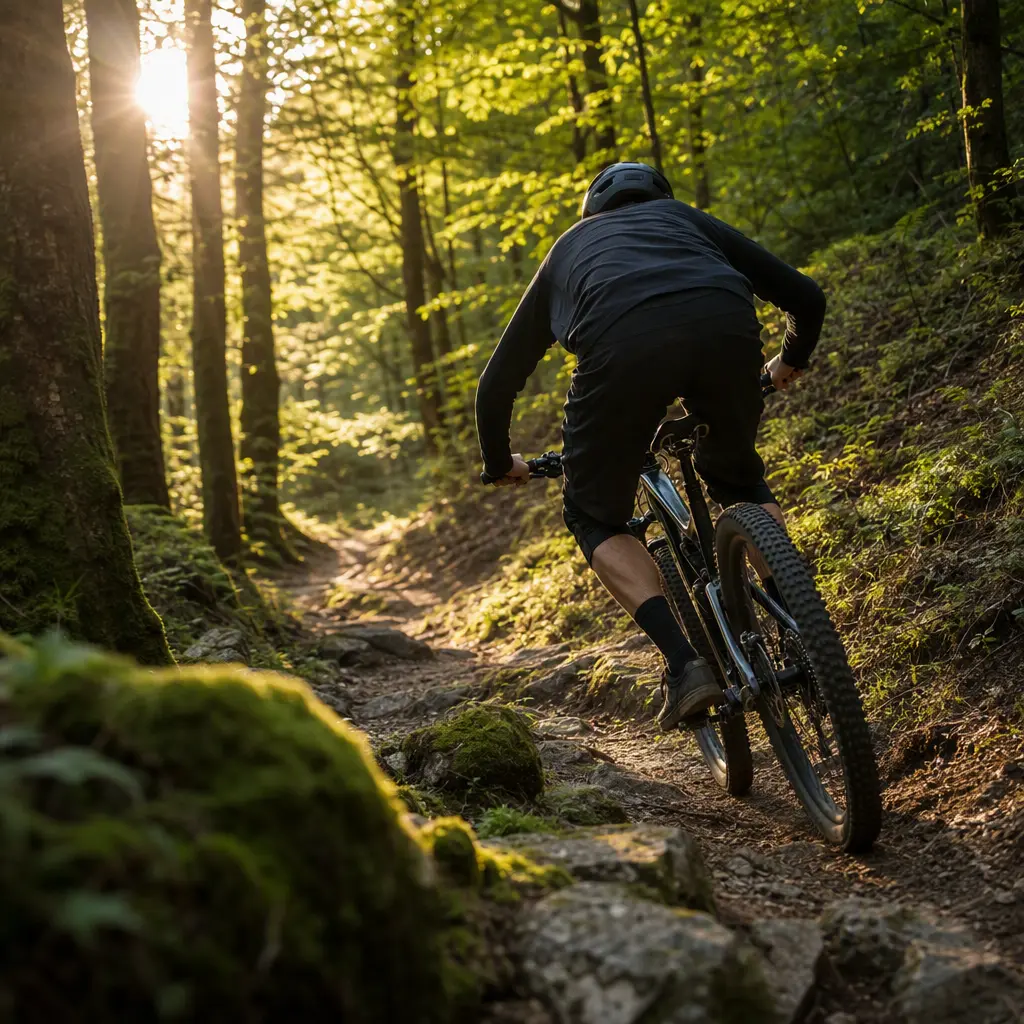
A budget of £1,000 to £2,000 opens the door to capable full-suspension mountain bikes that can handle trail centres, natural singletrack and longer days off-road without the harsh ride of a hardtail. The challenge is separating genuinely well-balanced bikes from models that spend heavily on eye-catching suspension travel while cutting corners elsewhere. At this price, geometry, suspension design and brake quality matter more than chasing the biggest numbers on a spec sheet.
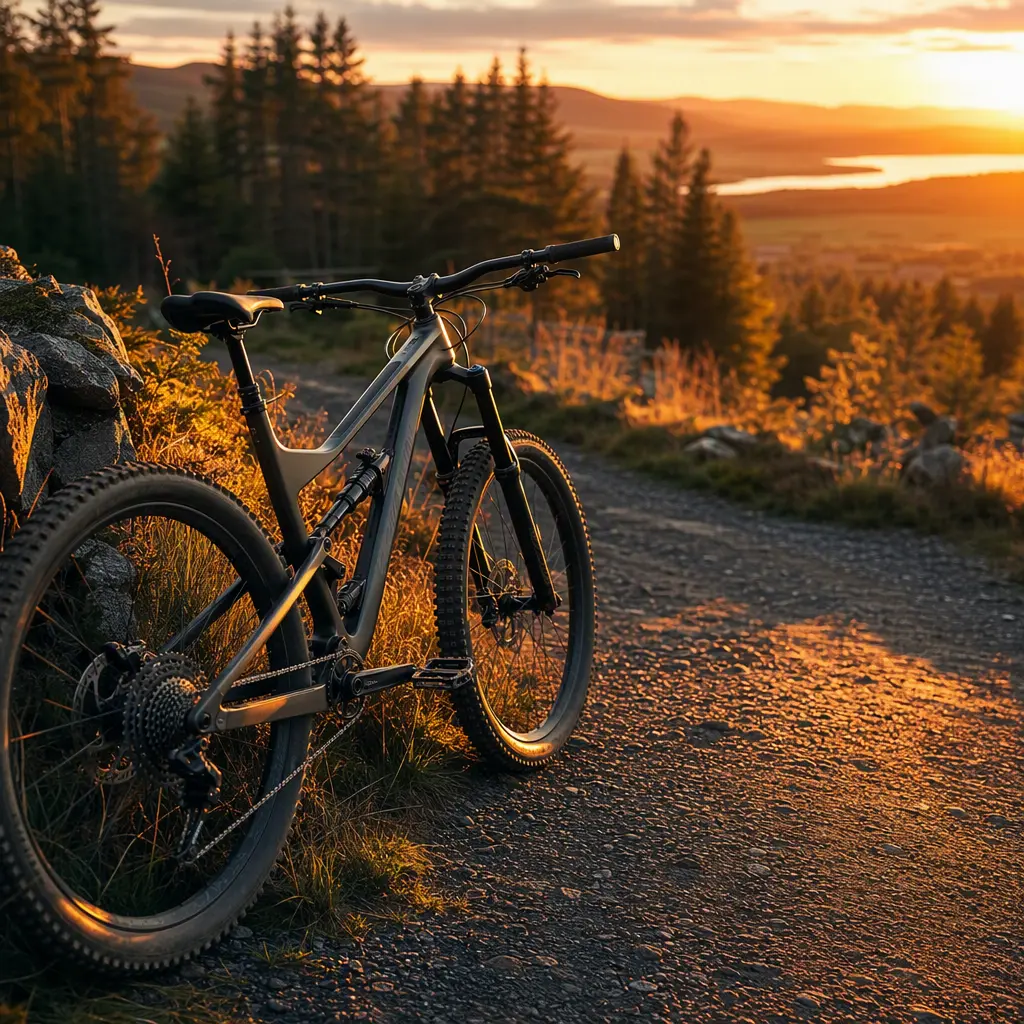
What to look for
The best value full-suspension bikes under £2,000 focus on balanced trail performance rather than extreme downhill capability. Around 130mm to 150mm of suspension travel suits most riders, offering enough comfort and control for technical descents while still climbing efficiently. Modern trail geometry is also important, with a slacker head angle and longer reach helping stability on rough terrain without making slower trails awkward.
- Air suspension forks and rear shocks are usually worth prioritising over basic coil units because they offer easier adjustment and lower weight.
- Hydraulic disc brakes with at least 180mm rotors improve control on steep descents and wet UK trails.
- A 1x drivetrain keeps shifting simpler and reduces maintenance compared with older multi-chainring setups.
- Aluminium frames dominate this price range and generally offer the best balance of strength, weight and affordability.
- Tubeless-ready wheels and tyres can help reduce punctures and improve grip at lower tyre pressures.
- Check frame sizing carefully, especially reach measurements and standover height, rather than relying only on small, medium or large labels.
- Dropper seatposts are increasingly common and make a noticeable difference on technical descents.
- Weight still matters on climbs, so avoid very heavy bikes with oversized travel unless downhill riding is the priority.
Budget and what you're getting
Bikes under £2,000 are far more capable than entry-level full-suspension models from a few years ago, but compromises still exist. Suspension performance is usually where the biggest differences appear. More affordable forks and shocks may lack the fine damping adjustment and sensitivity found on higher-end bikes, especially over repeated rough impacts. Wheelsets can also be heavier, and drivetrains may use a mix of mid-range and entry-level components. That said, many bikes in this bracket now include modern geometry, reliable hydraulic brakes and trail-ready tyres, making them strong value options for riders who want genuine off-road capability without moving into premium pricing.
Standout categories or types
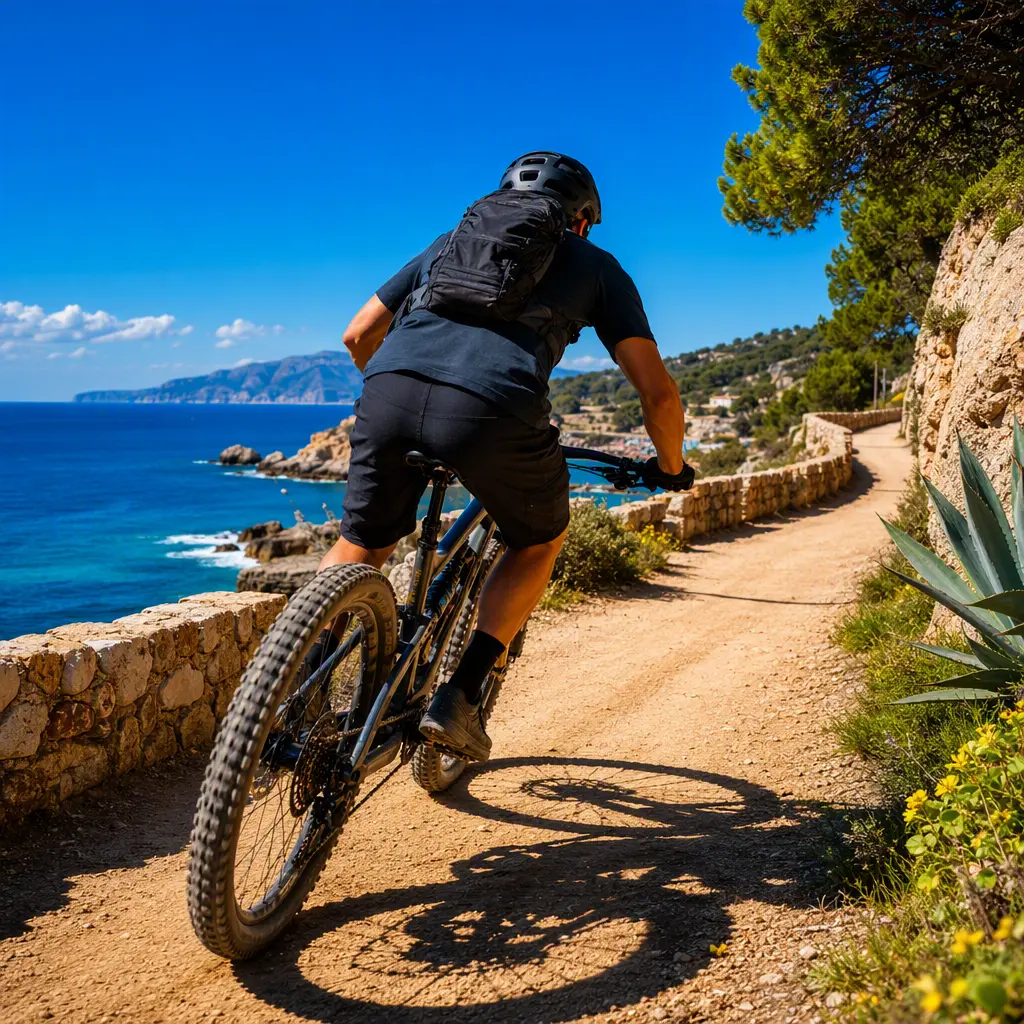
Most riders shopping under £2,000 will end up choosing between trail bikes and more aggressive enduro-style bikes. Trail bikes usually sit in the 130mm to 140mm travel range and aim for versatility. They climb more efficiently, feel livelier on flatter trails and often weigh less. For UK trail centres, woodland loops and mixed riding, this category suits a wide range of riders.
Enduro-focused bikes push closer to 150mm or 160mm of travel and prioritise descending confidence. They tend to feature slacker geometry, stronger wheels and more powerful brakes, but the trade-off is extra weight and a less responsive feel on long climbs. Riders who regularly visit bike parks or tackle rocky natural descents may appreciate the added capability.
- 29-inch wheels roll efficiently and maintain speed well over rough ground, making them popular on modern trail bikes.
- 27.5-inch wheels can feel more agile and playful on tighter trails and smaller frames.
- Short-travel full-suspension bikes usually pedal better and suit mixed terrain riding.
- Long-travel bikes absorb bigger impacts more effectively but often feel less efficient on smoother routes.
- Some bikes prioritise upgrade potential, with stronger frames and modern standards that allow better components to be fitted later.
Frequently asked questions
Is a full-suspension bike under £2,000 worth buying?
Yes, provided the bike comes from a reputable retailer and uses modern geometry with decent hydraulic brakes and air suspension. The value gap between hardtails and full-suspension bikes has narrowed significantly, and many options in this price range are capable enough for regular trail riding.
Should suspension travel be the main priority?
Not necessarily. A well-designed 130mm trail bike with quality suspension often performs better overall than a heavier 160mm bike with basic damping. Geometry, tyre grip and brake performance usually affect everyday riding more than maximum travel figures.
Are 29ers better than 27.5-inch bikes?
Neither is automatically better. Larger 29-inch wheels help maintain momentum and smooth out rough trails, while 27.5-inch bikes can feel quicker to change direction. Rider height, trail type and personal preference all play a part.
How important is a dropper post?
Very important for trail riding. A dropper post allows the saddle height to be lowered quickly before descents, improving balance and confidence on technical sections. Many riders now consider it an essential feature rather than an upgrade.
Can these bikes handle bike parks and jumps?
Many can cope with occasional bike park visits and moderate jumps, especially enduro-style models. However, lighter trail bikes in this price range are generally designed for mixed riding rather than repeated heavy downhill use or large jump lines.
A good full-suspension mountain bike under £2,000 should feel balanced rather than flashy. Reliable brakes, modern geometry and adjustable suspension will usually improve the riding experience more than extra travel or oversized tyres. Focusing on fit and core trail performance can help buyers find a bike that remains enjoyable and upgradeable for years rather than simply chasing the biggest numbers on the spec sheet.
Find these on Amazon
As an Amazon Associate, CheapBikes earns from qualifying purchases.