£450 vs £900 electric bikes: what assistance do riders feel?
Do £900 e-bikes feel twice as powerful as £450 options? This plain-English comparison explains the real-world motor, battery and ride differences casual UK riders actually notice.
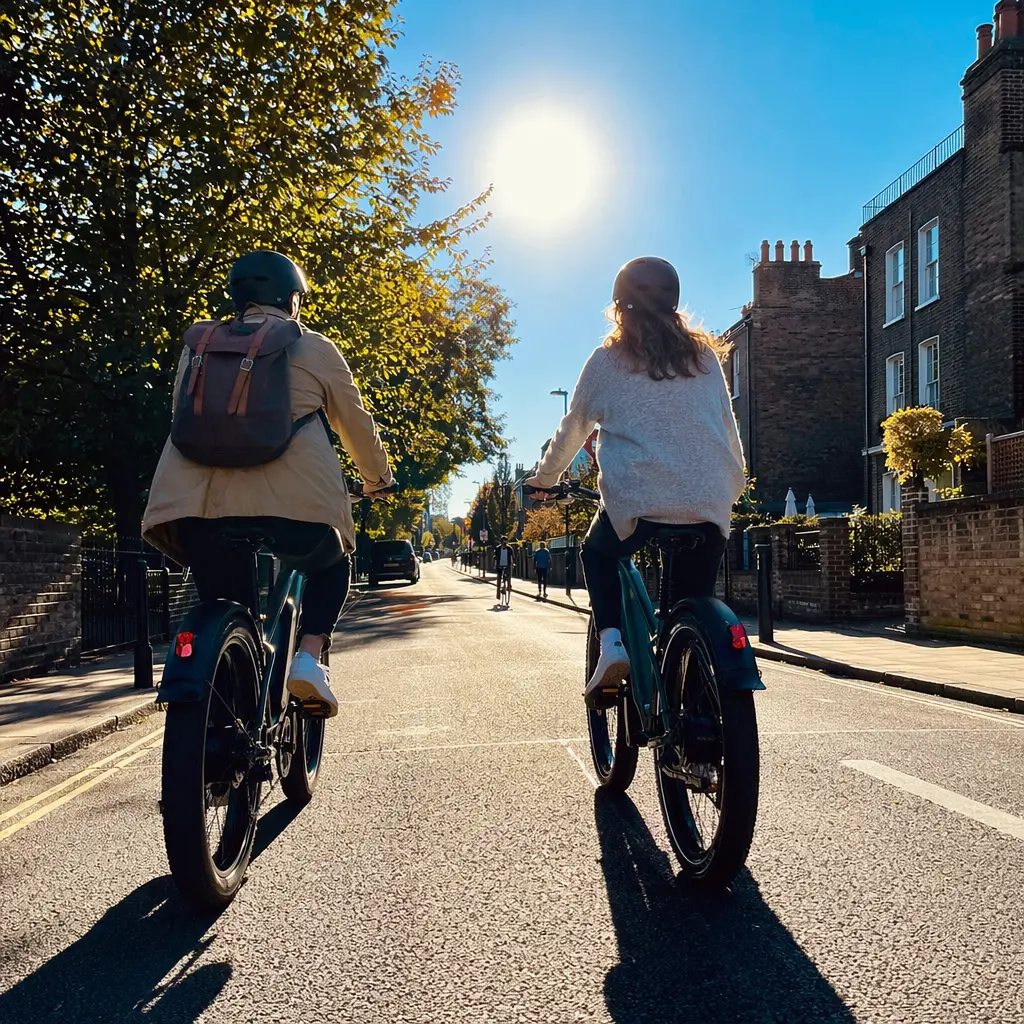
Electric bikes now start around £450 and stretch well past £900, even before stepping into premium territory. For casual riders — short commutes, weekend paths, gentle hills — the key question is simple: does spending double actually feel different on the road, or is much of the extra cost hidden in spec sheets? This comparison focuses on what riders genuinely notice, not just what looks better on paper.
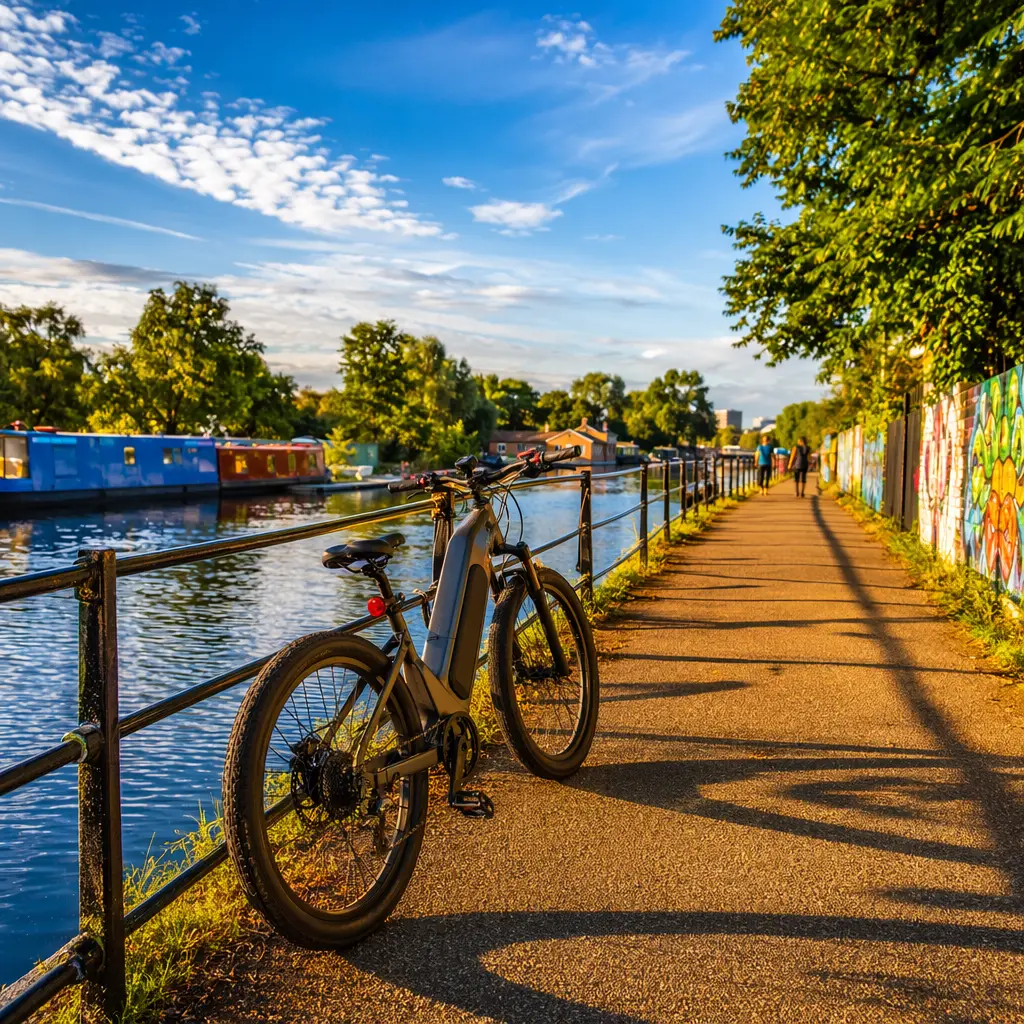
What you actually get at this price
At around £450, most e-bikes are built to hit a headline price. Assistance is there, but it is basic. Motors tend to be rear-hub units with modest torque, tuned for flat or gently rolling routes. Batteries are smaller and heavier, offering enough range for short trips but little margin if assistance is left on high.
Move closer to £900 and the changes are more noticeable. Assistance feels smoother, range anxiety eases, and overall ride quality improves. These bikes are still value-focused, but corners are cut less aggressively.
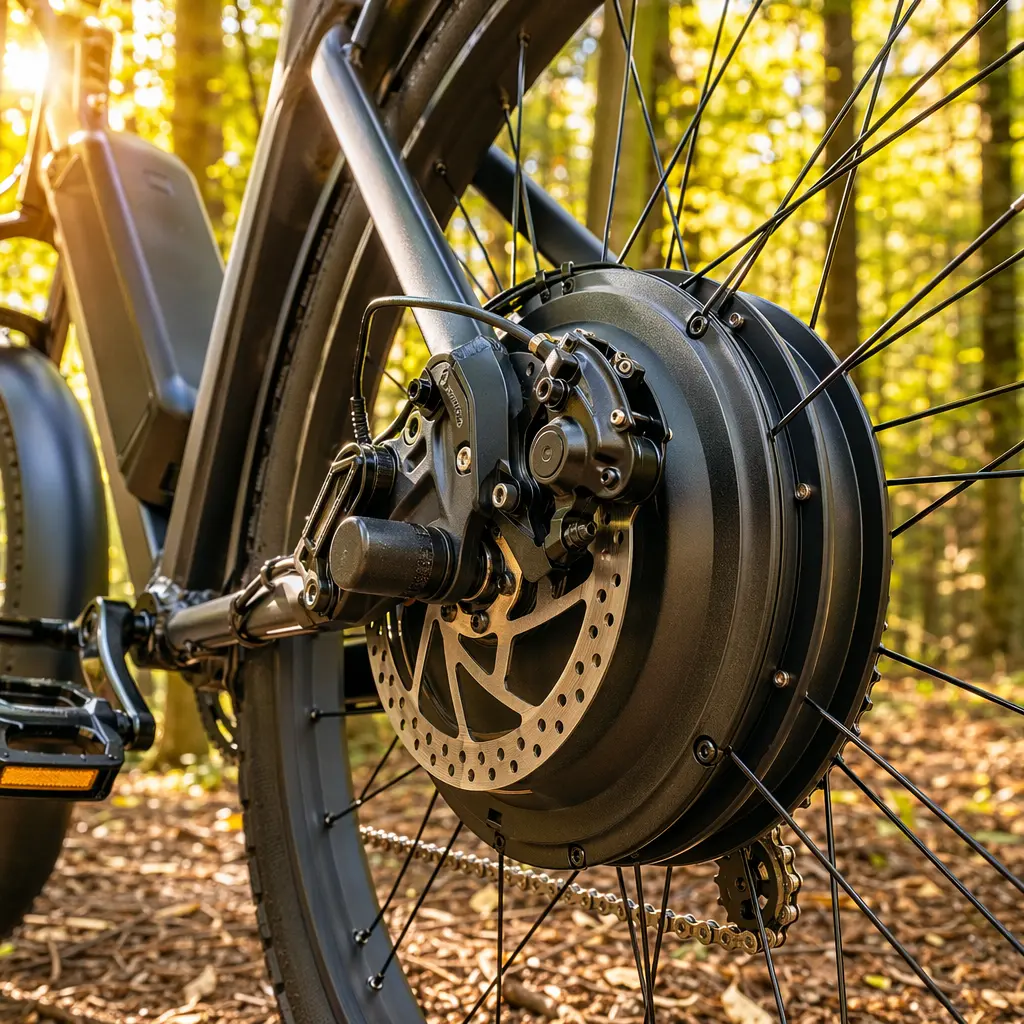
- Motor: £450 bikes usually use basic rear-hub motors; £900 bikes often have higher-torque hub motors or entry-level mid-drive systems.
- Battery: around 250–300Wh at £450 versus 400–500Wh closer to £900.
- Frame: aluminium throughout, but pricier bikes tend to be stiffer and better finished.
- Brakes: mechanical disc or rim brakes at £450; hydraulic discs are common by £900.
- Gearing: limited-range drivetrains at the low end; wider-range, smoother shifting higher up.
- Extras: mudguards and lights are hit-and-miss at £450, more commonly included around £900.
How to choose
Casual riders should think about where assistance matters most. On flat urban routes, even a basic motor feels transformative, turning headwinds and stop-start traffic into non-issues. Here, the jump from £450 to £900 is noticeable but not essential.
Hills change the equation. Extra torque and smoother power delivery make climbs feel calmer rather than frantic. Riders who want assistance to feel natural — not like a sudden shove — will appreciate the pricier bikes. Fit also matters: heavier £450 bikes can feel cumbersome when manoeuvring or lifting up kerbs.
What to look out for
- Abrupt power delivery on cheaper hub motors, especially when pulling away.
- Small batteries that lose range quickly in cold weather.
- Heavy wheels and tyres that dull the ride feel.
- Limited dealer support or unclear warranty terms.
- No rack or mudguard mounts, adding cost later.
Worth spending more on
Even if sticking near £450, a few upgrades can narrow the gap. Tyres with lower rolling resistance and better puncture protection noticeably improve range and comfort. A more supportive saddle helps on longer assisted rides, where speeds stay higher for longer.
If budget allows, prioritising better brakes and a larger battery delivers benefits every ride. These are areas where £900 bikes feel calmer, safer and less strained, particularly in mixed weather and traffic.
Frequently asked questions
Do £900 e-bikes feel twice as powerful?
No. The difference is more about smoothness and stamina than raw shove. Assistance feels more refined, not dramatically stronger.
Is range the biggest difference?
For many riders, yes. Larger batteries mean fewer charges and less worry, especially if assistance is used generously.
Are cheaper e-bikes less reliable?
They can be perfectly serviceable, but components are under more strain. Regular maintenance matters more at the lower price point.
Is buying used a good alternative?
A lightly used £900 bike can be better value than a new £450 one, but only if battery health is verified.
In short, £450 e-bikes deliver a genuine assist for short, flat rides, while £900 options feel smoother, calmer and more versatile. Casual riders should match spend to terrain and expectations — and avoid paying extra for specs they will never notice.
Find these on Amazon
As an Amazon Associate, CheapBikes earns from qualifying purchases.