£400 vs £900 electric bikes: how much help do you really feel?
Is a £900 e‑bike twice as helpful as a £400 one? This plain‑English comparison separates real motor assistance from cosmetic upgrades, so UK riders know where the money actually goes.

Electric bikes span a huge price range, but for many UK riders the real choice sits between bargain‑basement deals around £400 and more established options closer to £900. The big question isn’t paintwork or gadgets — it’s how much genuine help you feel from the motor when pulling away from lights, climbing hills, or riding into a headwind. This guide separates meaningful assistance from cosmetic upgrades, so buyers know what extra money actually delivers.
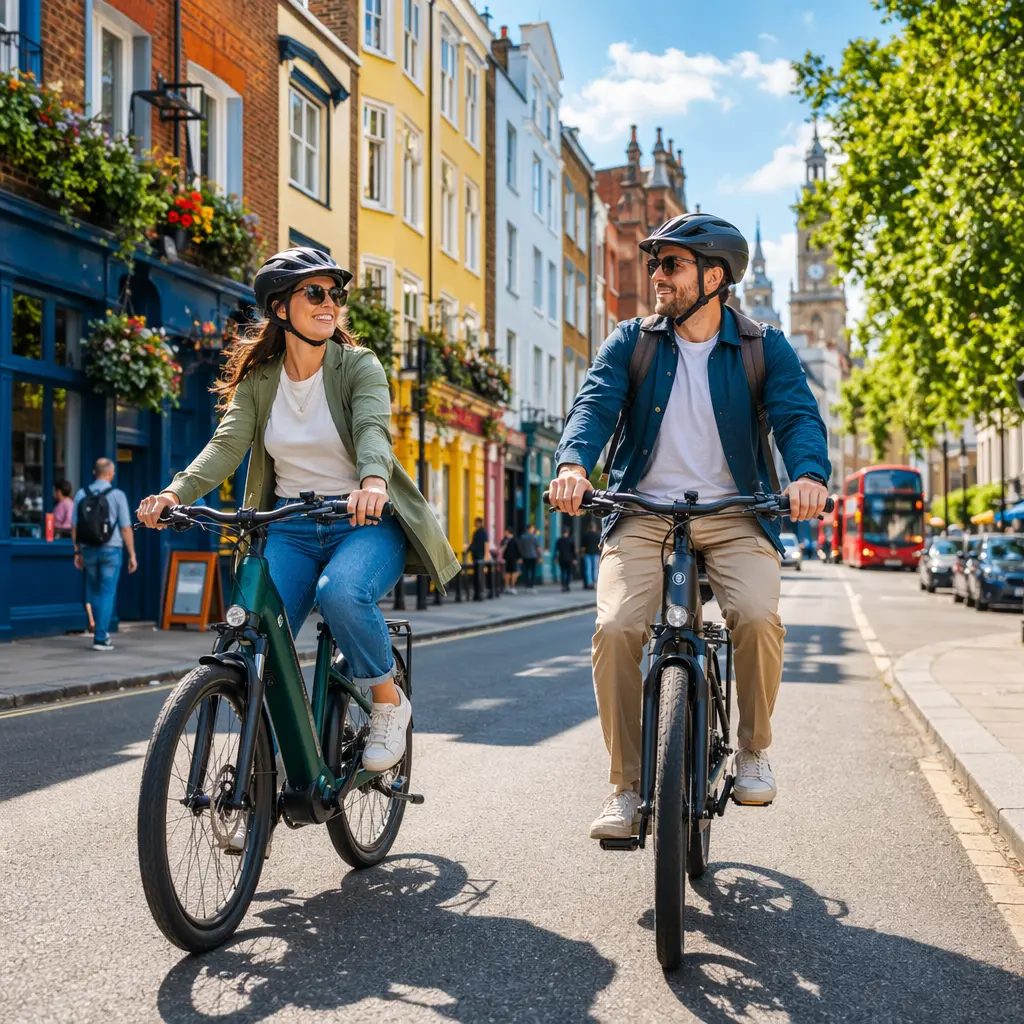
What you actually get at this price
At £400, most electric bikes are built to hit the legal minimum: a basic motor, a small battery, and just enough components to function safely. Assistance is usually noticeable on the flat and for gentle slopes, but it can feel patchy under load. Push harder on the pedals or hit a longer climb and the help often fades quickly.
Move towards £900 and the riding experience changes more than the spec sheet suggests. Assistance tends to be smoother and more consistent, especially at lower cadences. The bike feels less like it’s switching on and off, and more like a steady push that matches your effort.
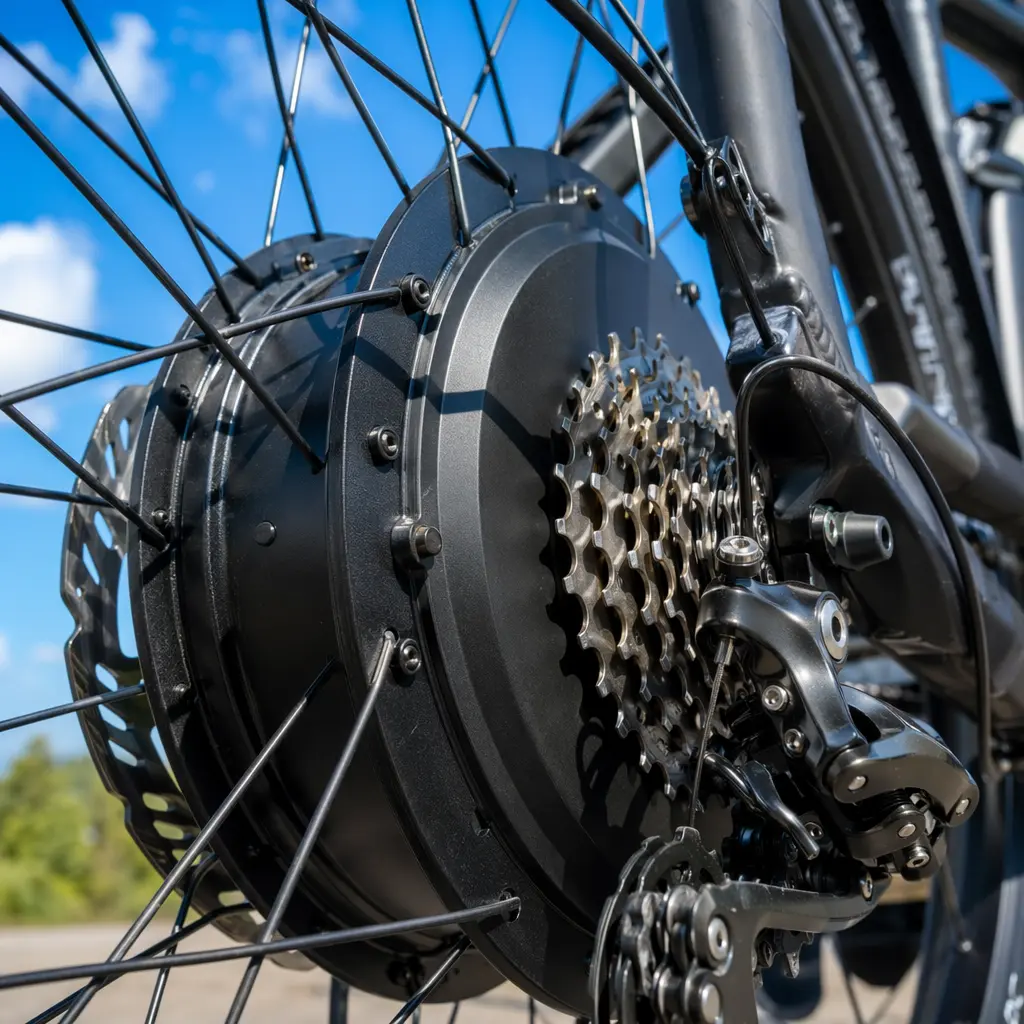
- Motor: £400 bikes typically use low‑cost rear hub motors with basic controllers; £900 bikes often have better‑tuned hub motors with smoother power delivery.
- Battery: expect smaller capacities around the lower end, with real‑world ranges closer to 15–25 miles; £900 bikes usually offer larger batteries and more usable range.
- Frame: both are usually aluminium, but pricier bikes tend to feel stiffer and better finished.
- Gearing: budget models often rely on basic 6–7 speed setups; spending more usually brings wider ratios and cleaner shifting.
- Brakes: mechanical disc brakes are common at £400; at £900 they’re stronger and easier to modulate, sometimes edging towards entry‑level hydraulics.
- Extras: lights, mudguards and racks are hit‑and‑miss at £400; more complete commuter setups are common closer to £900.
How to choose
The key decision is how you expect the motor to work for you. If the goal is occasional assistance on flatter routes, a cheaper e‑bike can feel transformative compared with a non‑electric bike. Riders tackling hills, heavier loads or daily commuting will notice the limitations sooner.
Fit and geometry still matter. Upright positions suit short urban trips, while slightly longer frames feel calmer at speed. Battery placement affects balance too: cheaper bikes often feel tail‑heavy, whereas better‑integrated designs feel more natural when cornering or riding one‑handed.
What to look out for
- Over‑optimistic range claims based on ideal conditions.
- Jerky power delivery when starting or climbing.
- Very heavy overall weight, making the bike hard to pedal without assistance.
- Basic displays with limited battery or mode information.
- Poor after‑sales support or unclear warranty terms.
Worth spending more on
If stretching the budget is possible, prioritise the parts that affect how the assistance feels rather than how the bike looks. A better‑tuned motor controller and a higher‑quality battery make the biggest difference day to day. They deliver steadier help, better hill performance and slower battery degradation.
Comfort upgrades also punch above their weight. Better tyres reduce rolling resistance and noise, while a decent saddle and grips matter more on a heavier e‑bike ridden regularly.
Frequently asked questions
Does a £900 e‑bike feel twice as powerful as a £400 one?
Not usually. UK‑legal motors are capped, so the difference is in smoothness and consistency rather than raw shove. The assistance simply feels more usable for longer.
Are cheaper batteries unsafe?
They’re not automatically unsafe, but quality control varies. Look for clear safety certification and avoid no‑name chargers or replacement packs.
Can a £400 e‑bike handle daily commuting?
It can, but expect faster wear and more compromises. Daily riders usually appreciate the durability and smoother assistance of pricier options.
Is used a better option at this budget?
Sometimes. A lightly used, better‑quality e‑bike with a healthy battery can outperform a brand‑new bargain model, but battery condition is crucial.
In short, £400 buys a taste of electric help, while £900 buys assistance you rely on. Knowing which matters more makes the decision far clearer.
Find these on Amazon
As an Amazon Associate, CheapBikes earns from qualifying purchases.