What You Give Up: £400 E‑Bike vs £900 E‑Bike
Budget e-bikes look tempting, but the jump from £400 to £900 changes how assistance feels, how far you ride, and how long parts last. Here’s the honest, real‑world trade‑off for UK riders.
A £400 e‑bike promises cheap electric help for commuting, hills or weekend rides. Spend closer to £900 and the pitch shifts to smoother assistance, better range and parts that cope with daily use. This guide explains what actually changes between those price points — and what that means on UK roads, paths and towpaths.
What you actually get at this price
At £400, most e‑bikes are built to hit a price target rather than a riding experience. At £900, manufacturers can afford better electronics and stronger cycle parts. Both are legal pedal‑assist bikes, but the way they deliver help — and how they hold up — differs noticeably.
- Motor & assistance: £400 bikes usually use basic hub motors with on/off‑style assistance. £900 bikes often have better‑tuned hub motors with smoother power delivery.
- Battery & range: expect smaller batteries and optimistic range claims at £400. £900 bikes typically manage longer, more consistent real‑world mileage.
- Frame & fork: budget steel frames and rigid forks vs lighter aluminium frames and, sometimes, basic suspension forks.
- Brakes: mechanical disc brakes or rim brakes at £400; more reliable mechanical discs or entry‑level hydraulics around £900.
- Drivetrain: basic 6–7 speed freewheels at the low end; wider‑range 8–9 speed cassettes at £900.
- Extras: lights and racks may be included cheaply at £400, but often low quality; £900 bikes more often have decent mounts and usable accessories.
How to choose
The biggest decision is how often the bike will be used. Occasional flat commutes or leisure rides suit a cheaper e‑bike, where abrupt assistance and limited range are tolerable. Daily commuting, hills or heavier riders benefit far more from the smoother, more predictable assistance of a £900 machine.
Fit still matters. Cheaper e‑bikes often come in one or two sizes with upright geometry. Pricier options usually offer more sizing, better saddle and bar positions, and a ride that feels closer to a normal bicycle — just with help when needed.
What to look out for
- Jerky assistance that cuts in and out, especially when starting at junctions.
- Very heavy overall weight, making stairs, kerbs and storage awkward.
- Limited battery availability or no clear replacement option.
- Weak brakes struggling in wet UK conditions.
- Non‑standard parts that are hard for local bike shops to service.
Worth spending more on
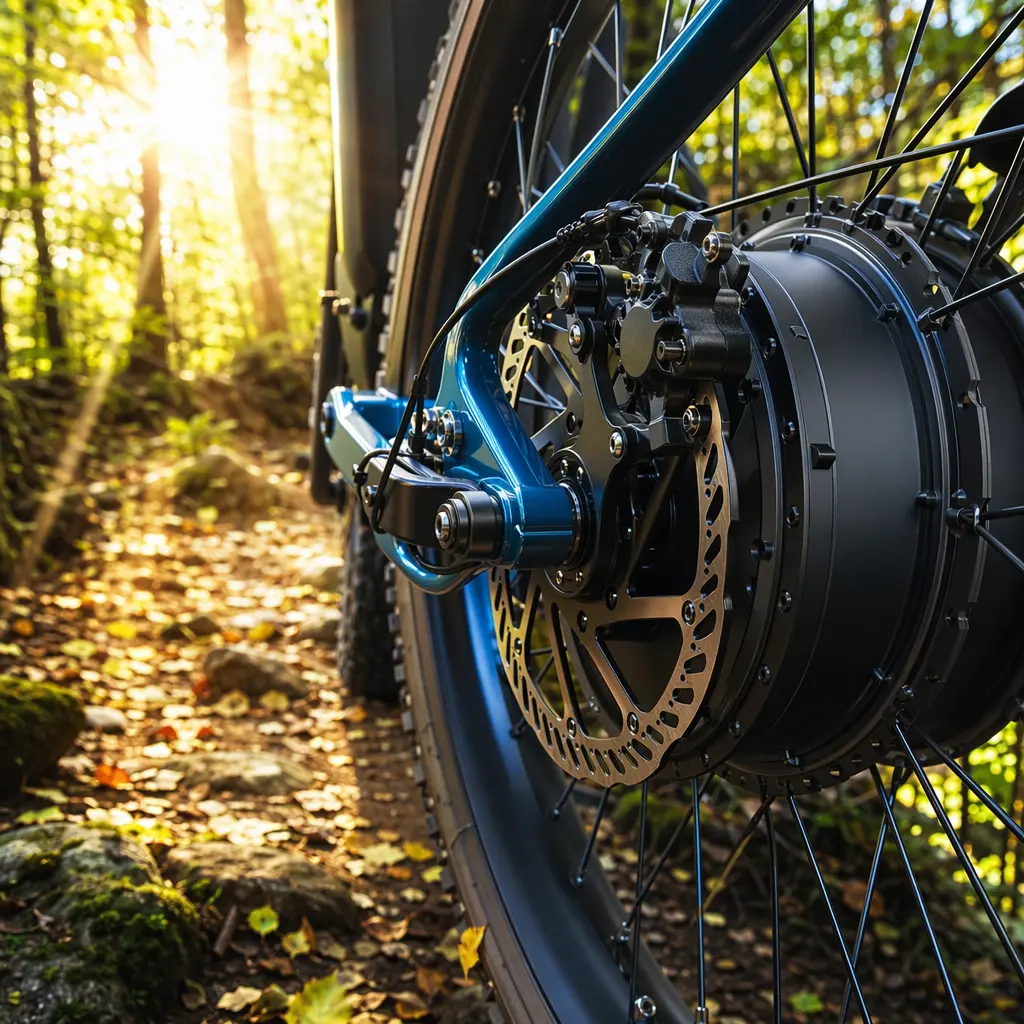
The jump from £400 to £900 isn’t about speed — both are capped by law — but about quality. Better batteries degrade more slowly, motors run quieter, and frames flex less under load. Over a couple of years, that can mean fewer repairs and a bike that still feels pleasant to ride.
Even on a cheaper e‑bike, a few upgrades punch above their weight. Tyres with better puncture protection, a comfortable saddle and decent lights improve daily usability far more than chasing extra power.
Frequently asked questions
Is a £400 e‑bike false economy?
Not always. For light, occasional use it can make sense. Problems arise when it’s used daily, in all weather, where cheaper components wear out quickly.
Will a £900 e‑bike feel faster?
No — legal limits are the same. It will feel smoother, quieter and more natural, especially when accelerating or climbing.
What about maintenance costs?
Cheaper bikes can cost more over time due to faster wear and limited parts availability. £900 bikes tend to use more standard components.
Should I buy used instead?
A used mid‑priced e‑bike can be good value, but only if the battery health is known and replacement costs are clear.
In short: £400 buys basic electric help, £900 buys confidence and longevity. Choose the level that matches how often — and how hard — the bike will be used.
Find these on Amazon
As an Amazon Associate, CheapBikes earns from qualifying purchases.