Are cheap electric bikes worth it for flat commutes?
Short, no-hill journeys change the maths on e-bikes. This guide explains when cheaper motors and smaller batteries are good value for flat-town commutes — and where the compromises bite.
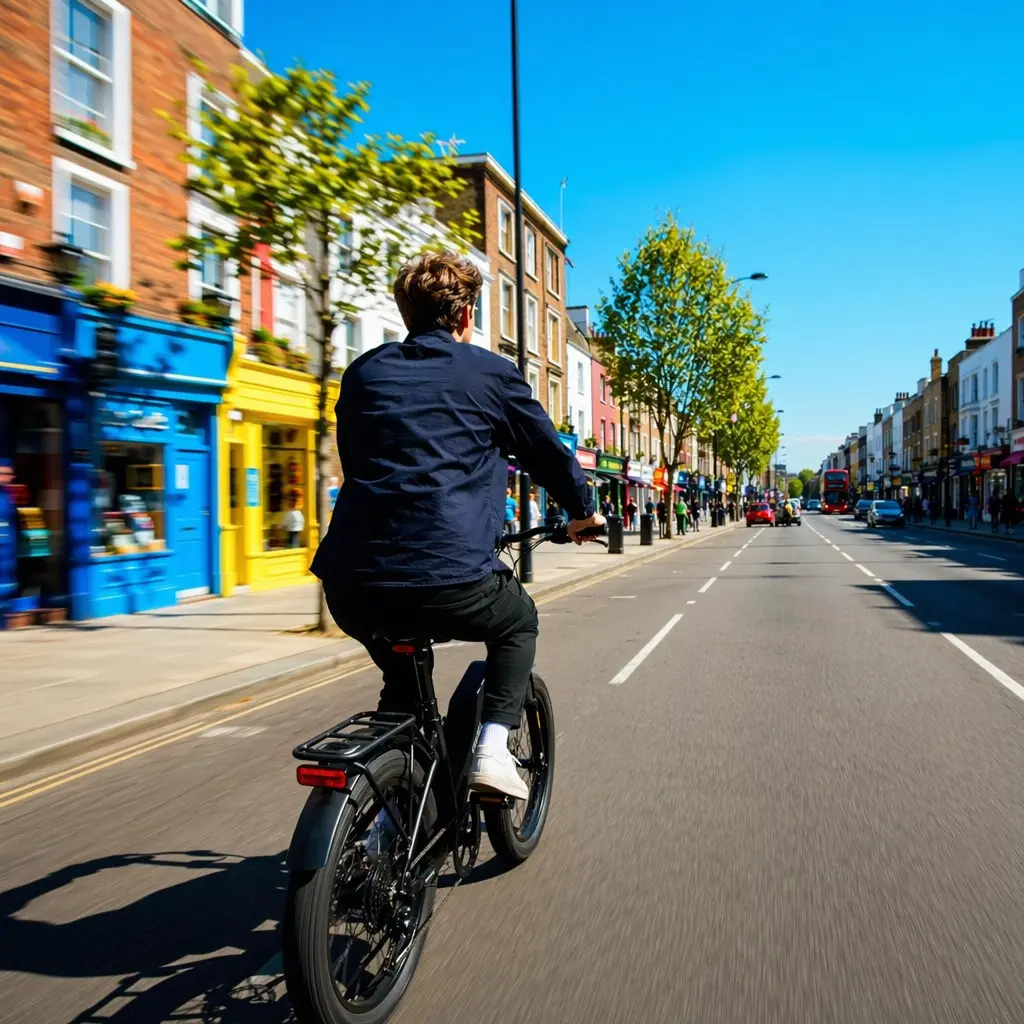
- Motor: typically a rear hub motor with modest torque, enough for flat starts but slower on inclines
- Battery: smaller capacity, often aimed at 15–30 miles of real-world range rather than headline figures
- Frame: aluminium or steel, usually heavier but robust for everyday use
- Gearing: basic derailleur or single-speed with electric assist doing some of the work
- Brakes: mechanical disc or V-brakes rather than hydraulic discs
- Extras: mudguards or a rack may be included, but rarely lights powered from the main battery
- Very heavy total weight, which makes carrying upstairs or onto trains a chore
- Basic shifters and drivetrains that wear faster if not kept clean
- Small batteries that are awkward or expensive to replace later
- Limited adjustability in the handlebar or saddle position
- Poor-quality tyres that sap range and puncture easily
- Lack of proper mounts for racks, child seats or sturdier locks
Note
Find these on Amazon
As an Amazon Associate, CheapBikes earns from qualifying purchases.
commuting
electric bikes
value
budget-ebikes
flat routes