Best 24-Inch Kids' Bikes Under £500 for Ages 8-11
A practical guide to 24-inch kids' bikes under £500, covering sizing, gearing, weight and brake choices for confident young riders moving beyond smaller bikes.
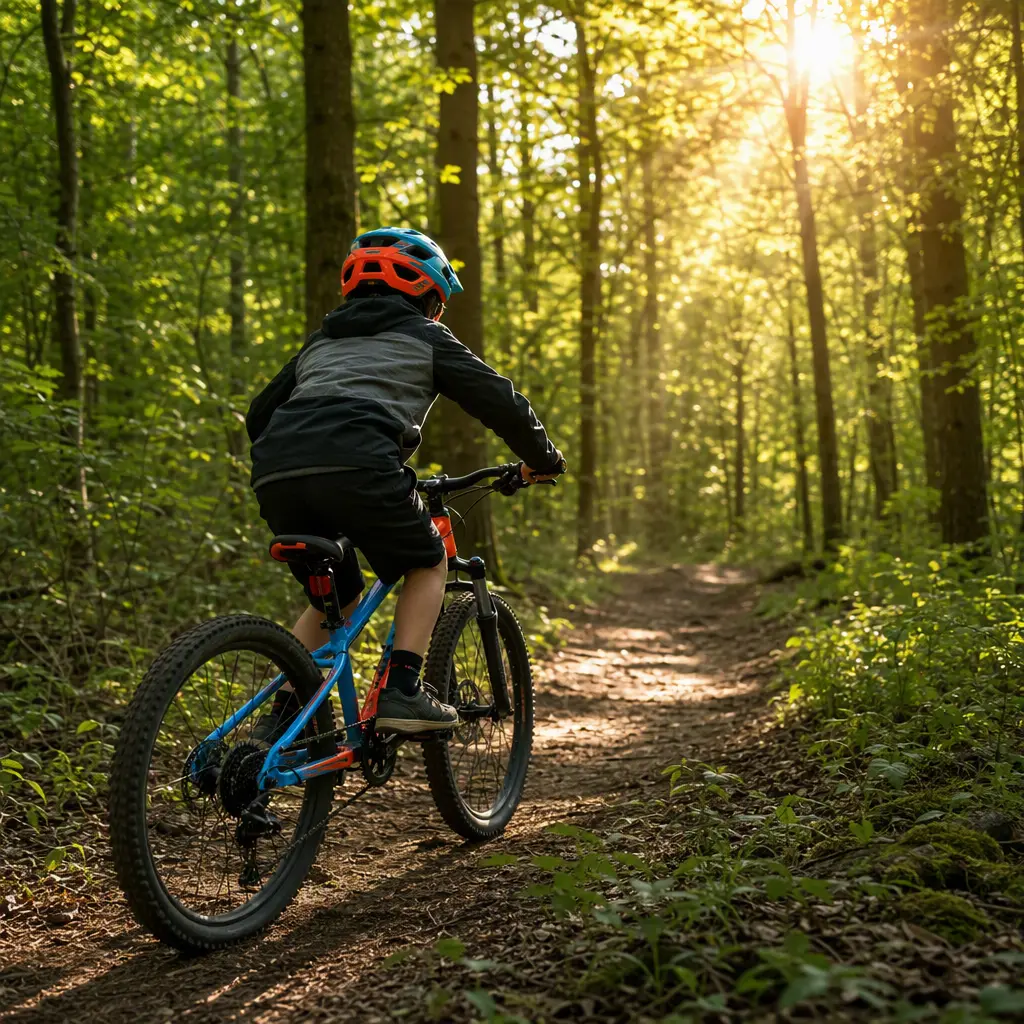
A good 24-inch kids' bike can make a big difference once riders move beyond basic school-run cycling and start covering longer distances, tackling light trails or riding with more confidence. For most children aged roughly 8 to 11, this wheel size sits in the middle ground between smaller starter bikes and full-size adult models. With a budget of £300 to £500, there is usually access to lighter frames, more reliable gears and better brakes than entry-level options, which can help younger riders feel more in control and less tired on longer rides.
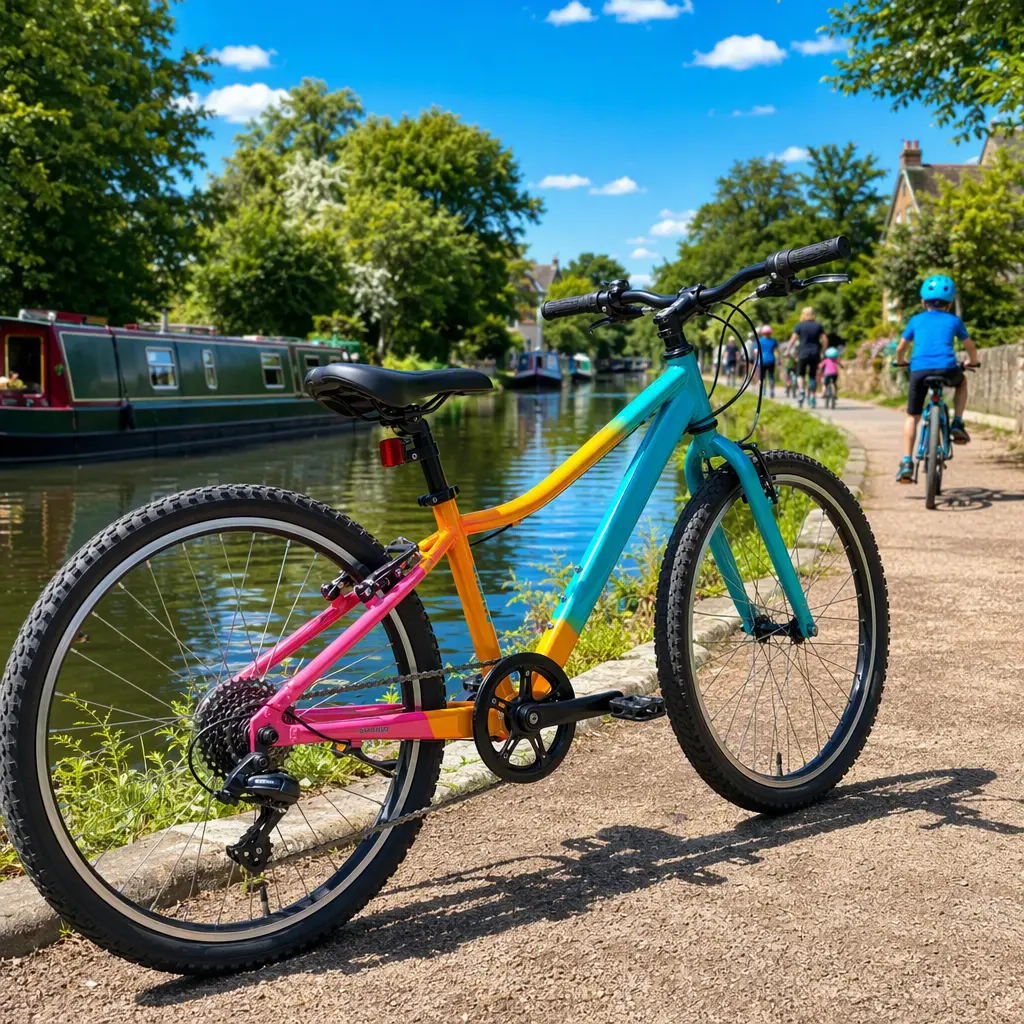
What to look for
Weight is often the biggest factor for younger riders. A heavy bike can feel difficult to steer, awkward to lift and tiring on hills, especially for children who are still building confidence. Alloy frames are common in this price range and usually offer a sensible balance between durability and manageable weight. Gearing also matters. Many 24-inch bikes now use simpler single-chainring setups with wide-range rear cassettes, which reduce maintenance and make shifting easier for children to understand. Hydraulic disc brakes appear on some bikes under £500 and provide stronger stopping power in wet weather, though well-set-up rim brakes can still work perfectly well for family riding and canal paths.
- Look for a lighter overall weight where possible, especially for smaller riders.
- Single-chainring gearing is simpler and easier for children to use confidently.
- Alloy frames are common and help keep weight manageable.
- Disc brakes improve wet-weather braking, while quality rim brakes can still be effective.
- Choose a relaxed riding position rather than an aggressive race-style setup.
- Check minimum and maximum saddle height carefully before buying.
- Mudguards, bottle mounts and kickstands can add useful practicality for school or leisure riding.
Budget and what you're getting
Between £300 and £500, buyers generally move beyond supermarket-style bikes into better-designed options aimed at regular riding. Expect smoother gear shifting, stronger wheels and tyres with better grip than very cheap models. The biggest improvements are often in fit and weight rather than outright speed. There are still compromises at this level, though. Some bikes use heavier suspension forks that add weight without offering much real benefit on pavements or gentle trails. Others may include basic tyres or pedals that riders eventually upgrade. It is also common for lighter bikes to skip accessories like mudguards or a kickstand in favour of lower overall weight.
Standout categories or types
Hybrid-style 24-inch bikes are often the best all-round choice for mixed riding. They usually combine moderately wide tyres, straightforward gearing and a comfortable riding position that works well for parks, cycle paths and everyday family rides. Many also accept mudguards and panniers, making them useful for school journeys or longer leisure outings.
Mountain-style 24-inch bikes suit children who spend more time on woodland trails, gravel tracks or rougher surfaces. In this price range, rigid forks are often worth considering over cheap front suspension because they save weight and can make the bike feel more responsive. Front suspension becomes more worthwhile towards the top end of the budget where fork quality improves. Some sportier bikes also use narrower tyres and more aggressive geometry aimed at faster riding, though comfort and confidence are usually more important than outright speed for growing riders.
- Hybrid bikes balance comfort, practicality and light off-road ability.
- Rigid-fork bikes are often lighter and simpler to maintain.
- Front suspension can help on rough trails but may add unnecessary weight on road-focused bikes.
- Mountain-style tyres improve grip on dirt and gravel but can feel slower on tarmac.
- Practical features like mudguard mounts can extend the bike's usefulness year-round.
Frequently asked questions
What height is a 24-inch kids' bike suitable for?
Most 24-inch bikes suit children roughly between 125cm and 145cm tall, though sizing varies between brands and frame styles. Inside leg measurement and overall confidence are often more useful than age alone when choosing the right fit.
Are gears necessary on a 24-inch bike?
For flatter areas and short rides, simple gearing may be enough, but most children riding longer distances or hills benefit from multiple gears. Modern wide-range setups are easier to use than older triple-chainring systems and reduce confusion while riding.
Should you choose disc brakes or rim brakes?
Disc brakes offer stronger and more consistent stopping in wet weather, especially on muddy paths or trails. Rim brakes are usually lighter and easier to maintain at home. At this budget, either can work well if properly adjusted.
Is suspension worth having on a kids' bike?
Cheap suspension forks can add weight without improving comfort very much. For general family riding, a rigid fork with wider tyres is often lighter, simpler and easier for children to control. Suspension becomes more useful for regular off-road trail riding.
How long should a 24-inch bike last before sizing up?
Many children use a 24-inch bike for two to four years depending on growth rate and riding style. Adjustable seatposts and sensible frame sizing can help extend the usable range without making the bike feel too large at the start.
A well-chosen 24-inch bike should feel manageable, confidence-inspiring and enjoyable rather than simply something a child will grow into later. In the £300 to £500 range, focusing on low weight, sensible gearing and the right fit usually delivers better long-term value than chasing unnecessary features. For family rides, school journeys and growing independence on two wheels, a balanced and comfortable setup often matters more than outright performance.
Find these on Amazon
As an Amazon Associate, CheapBikes earns from qualifying purchases.