Best electric bikes under £2,000 for heavier riders
A value-focused guide to electric bikes under £2,000 that suit heavier riders, with realistic advice on motor torque, frame strength and brakes that cope with load.

Electric bikes make cycling more accessible, but not all budget e‑bikes suit heavier riders. Under £2,000, compromises are inevitable, and weight capacity, braking power and motor torque quickly separate the sensible buys from the risky ones. This guide focuses on what actually matters if the combined rider and luggage weight is higher than average, without drifting into premium pricing.
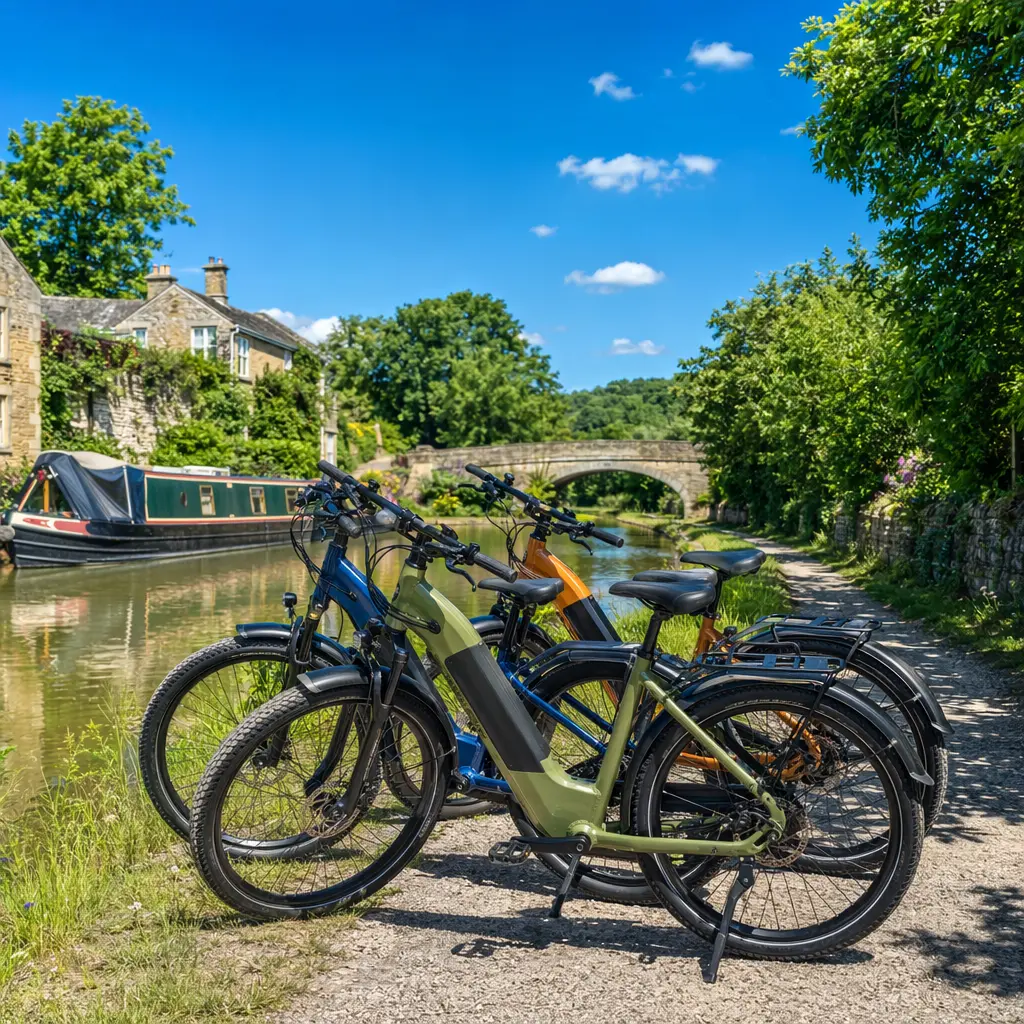
What you actually get at this price
At under £2,000, electric bikes aimed at heavier riders tend to be practical rather than sleek. Expect aluminium frames built with thicker tubing, conservative geometry and parts chosen for durability over light weight. Marketing claims around maximum rider weight vary, so it pays to look beyond headline numbers.
Motors and brakes are where the budget is most obviously spent. Power delivery needs to be steady rather than punchy, and stopping power needs to remain predictable when descending or carrying panniers.
- Motor: usually rear-hub motors with 45–60Nm torque; adequate for hills but not sports-bike quick
- Battery: 400–500Wh typical, giving realistic ranges of 30–60 miles depending on load and assistance
- Frame: aluminium with reinforced rear triangles; step-through versions often have lower weight limits
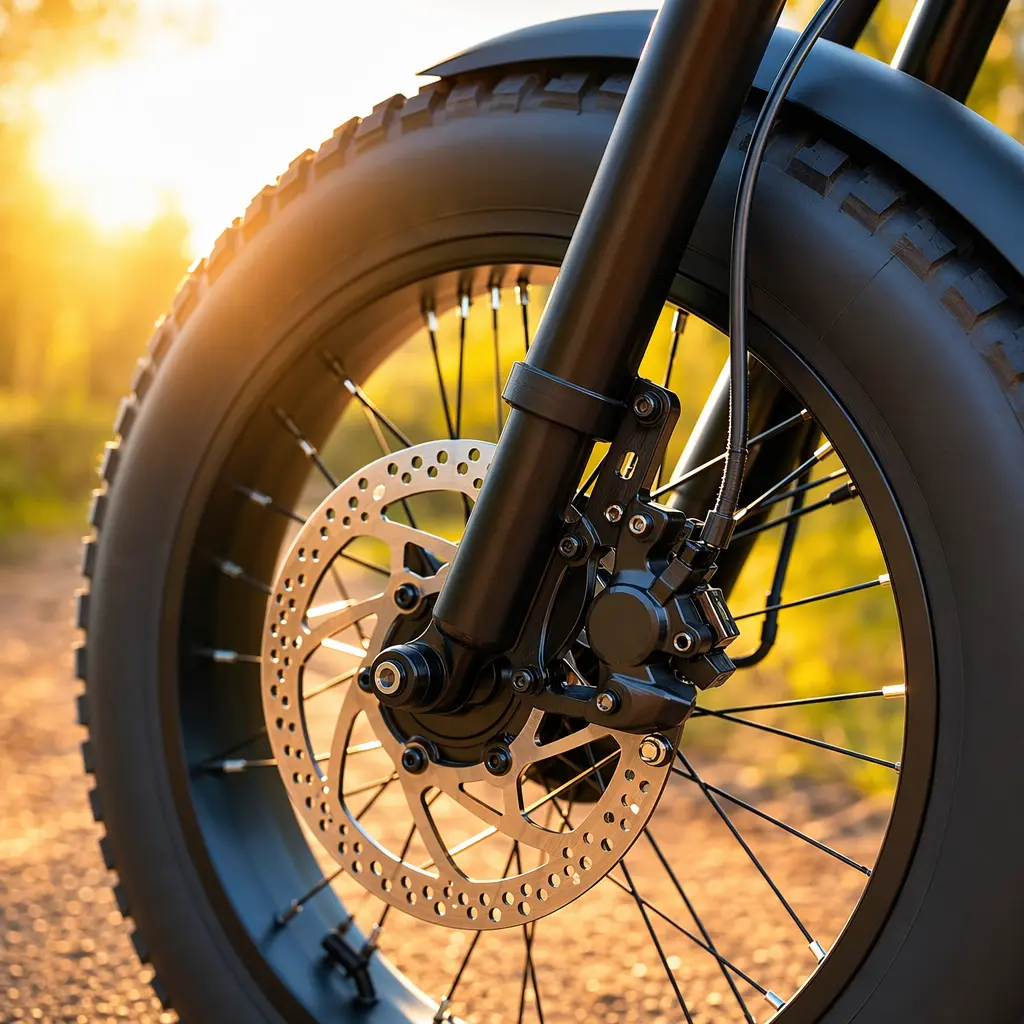
- Brakes: mechanical or entry-level hydraulic discs with 160–180mm rotors
- Gearing: wide-range 7–9 speed drivetrains focused on durability
- Extras: basic mudguards and racks are common; integrated lights less so
How to choose
Heavier riders should prioritise stability and braking confidence over outright speed. An upright riding position reduces strain on wheels and spokes, while longer wheelbases feel calmer under load. Frame size matters: riding a frame that is too small concentrates weight in the wrong places.
Motor torque figures can be misleading. Smooth assistance that builds predictably is often better than higher quoted numbers, especially on wet roads. Check brake rotor size and whether the fork and frame are rated for heavier use, as these details are more telling than marketing labels.
What to look out for
- Unclear or missing maximum weight ratings
- Small brake rotors that overheat on long descents
- Very narrow tyres that feel harsh under load
- Cheap suspension forks with excessive flex
- Rear racks not rated for panniers and heavier cargo
Worth spending more on
Even on a tight budget, a few upgrades make a noticeable difference for heavier riders. Tyres with higher load ratings and tougher sidewalls improve comfort and reduce punctures. Larger brake rotors, if compatible, give more consistent stopping without changing the whole system.
Contact points matter too. A supportive saddle and wider grips reduce fatigue, and a solid rear rack rated for heavier panniers turns an e‑bike into a genuinely useful transport tool.
Frequently asked questions
Are electric bikes under £2,000 safe for heavier riders?
Yes, provided the manufacturer states a suitable maximum load and the bike is set up correctly. Avoid bikes with vague specifications or very lightweight components.
Is a hub motor strong enough?
For most UK terrain, a decent hub motor with sensible gearing is sufficient. Mid-drive systems are better on steep hills but rarely appear under £2,000.
Do I need suspension?
Not necessarily. Rigid forks with wider tyres can be more reliable and predictable than cheap suspension units at this price.
How important is regular maintenance?
More weight means more wear. Keeping brakes adjusted, spokes tensioned and tyres correctly inflated makes a big difference to safety and longevity.
The best electric bike under £2,000 for heavier riders is the one that balances strength, braking confidence and sensible motor support — choose carefully, and the value is there.
Find these on Amazon
As an Amazon Associate, CheapBikes earns from qualifying purchases.