Commuter bikes under £1,000 for hills and headwinds
A UK buyer’s guide to commuter bikes under £1,000 that cope with hills and headwinds. Learn which gearing ranges, riding positions and brakes make tough daily routes easier.
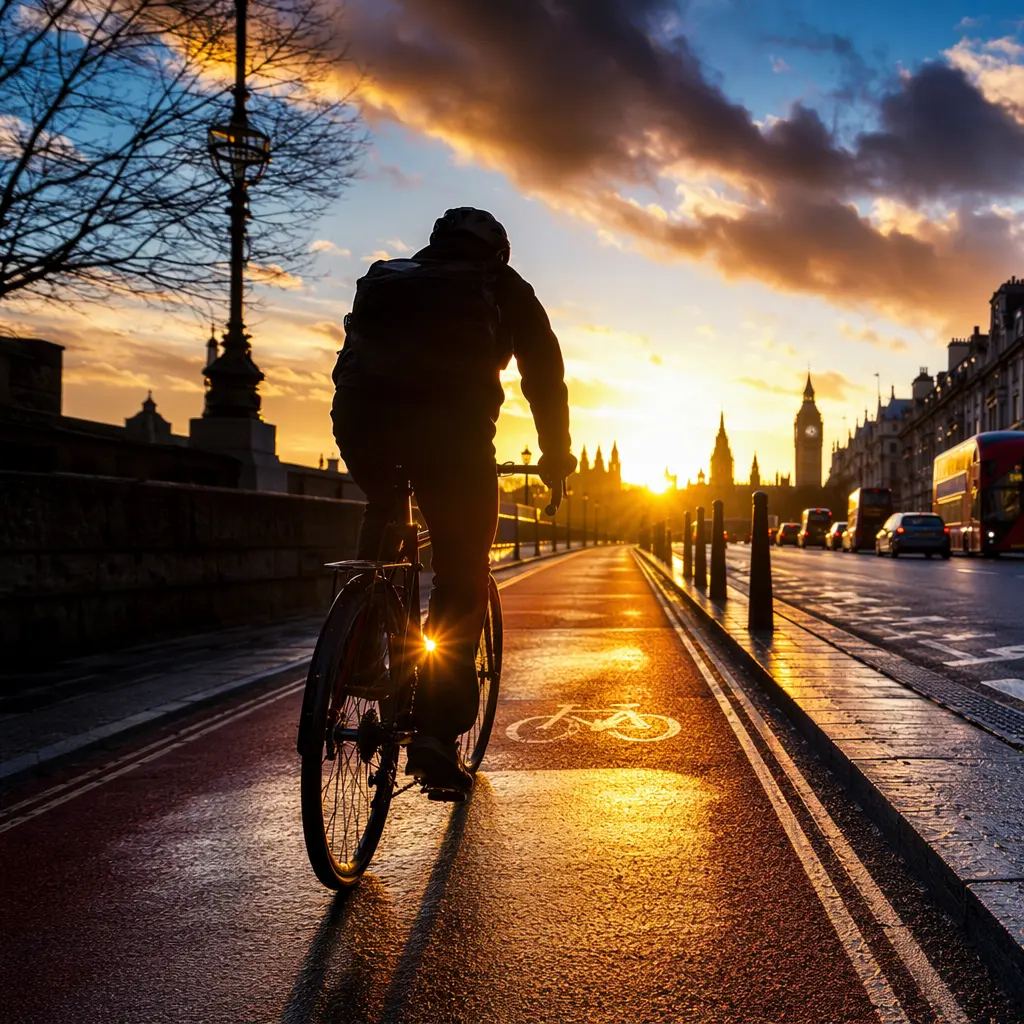
Daily commuting is easy to romanticise until the route turns lumpy and the wind turns foul. If your ride includes long drags, short sharp climbs or exposed stretches, the right bike matters. This guide looks at commuter bikes under £1,000 that make hills and headwinds more manageable, focusing on gearing, riding position and practical features that suit UK year‑round riding.
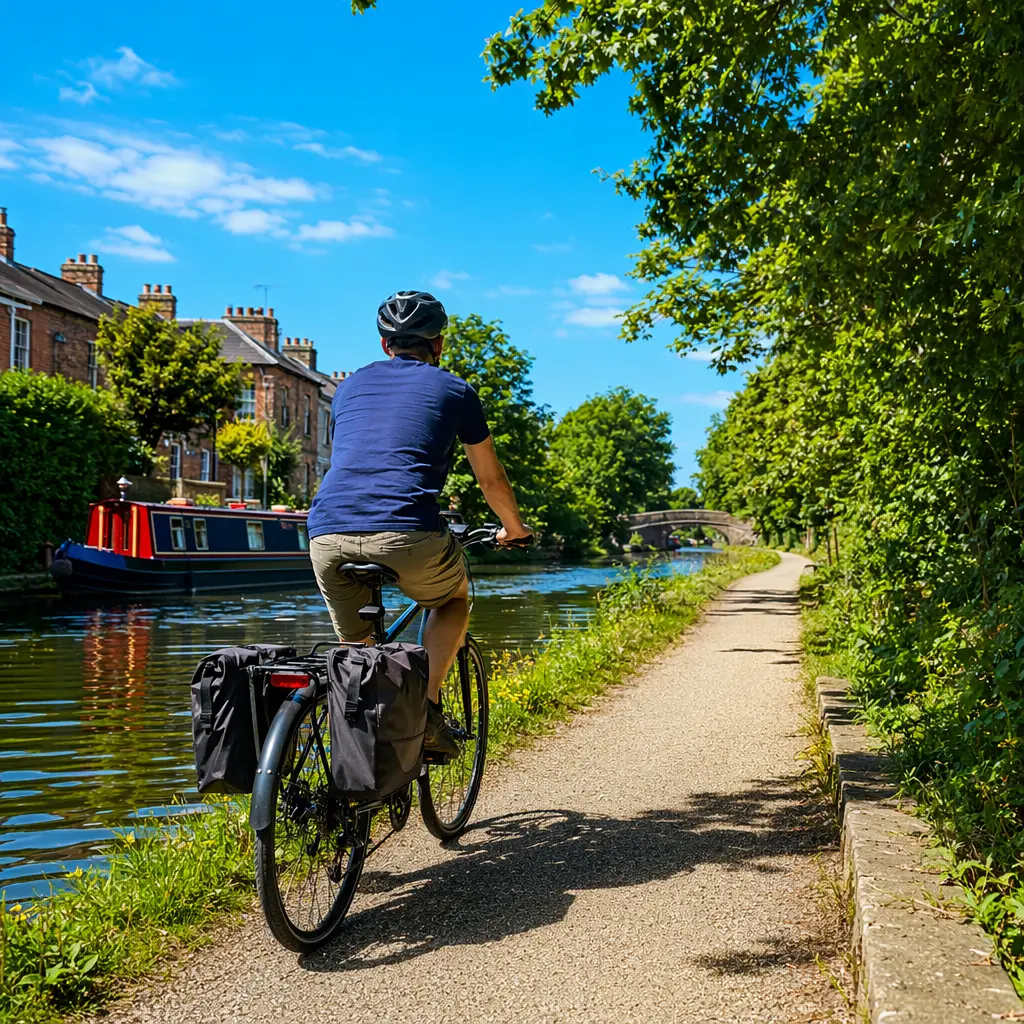
What to look for
For tougher daily routes, the headline spec isn’t speed — it’s how calmly the bike lets you keep turning the pedals when conditions stack against you. These are the areas that make the biggest difference within a £500–£1,000 budget.
- Gearing range: Look for a genuinely low bottom gear for climbs. Wide‑range drivetrains (triple chainsets or wide‑range 1x/2x systems) help you spin rather than grind.
- Frame material: Aluminium is common and keeps weight down; steel can feel smoother on rough roads and holds racks well, but may add a little weight.
- Brake type: Disc brakes (mechanical or hydraulic) offer more consistent stopping in the wet. Rim brakes can still be fine if well set up, but need more care in winter.
- Geometry and position: A slightly upright position reduces fatigue in headwinds and improves visibility in traffic. Too racy can feel fast until the wind hits.
- Fit and sizing: Correct frame size matters more than any component. Check reach and stack, not just seat tube length.
- Weight: Lighter helps on climbs, but durability matters for daily use. Don’t sacrifice robustness for marginal gains.
- Included accessories: Eyelets for mudguards and racks are essential. Some bikes include guards or a rear rack, saving money later.
Budget and what you're getting
Between £500 and £1,000 you’re paying for reliability rather than luxury. Expect solid frames, sensible gearing and dependable brakes, but not the lightest wheels or top‑tier components. Hydraulic discs and wide‑range drivetrains are increasingly common at the top end of this bracket, while entry models may use mechanical discs or simpler gearing. Tyres and saddles are often cost‑cutting areas — both are easy upgrades later if comfort or grip isn’t right.
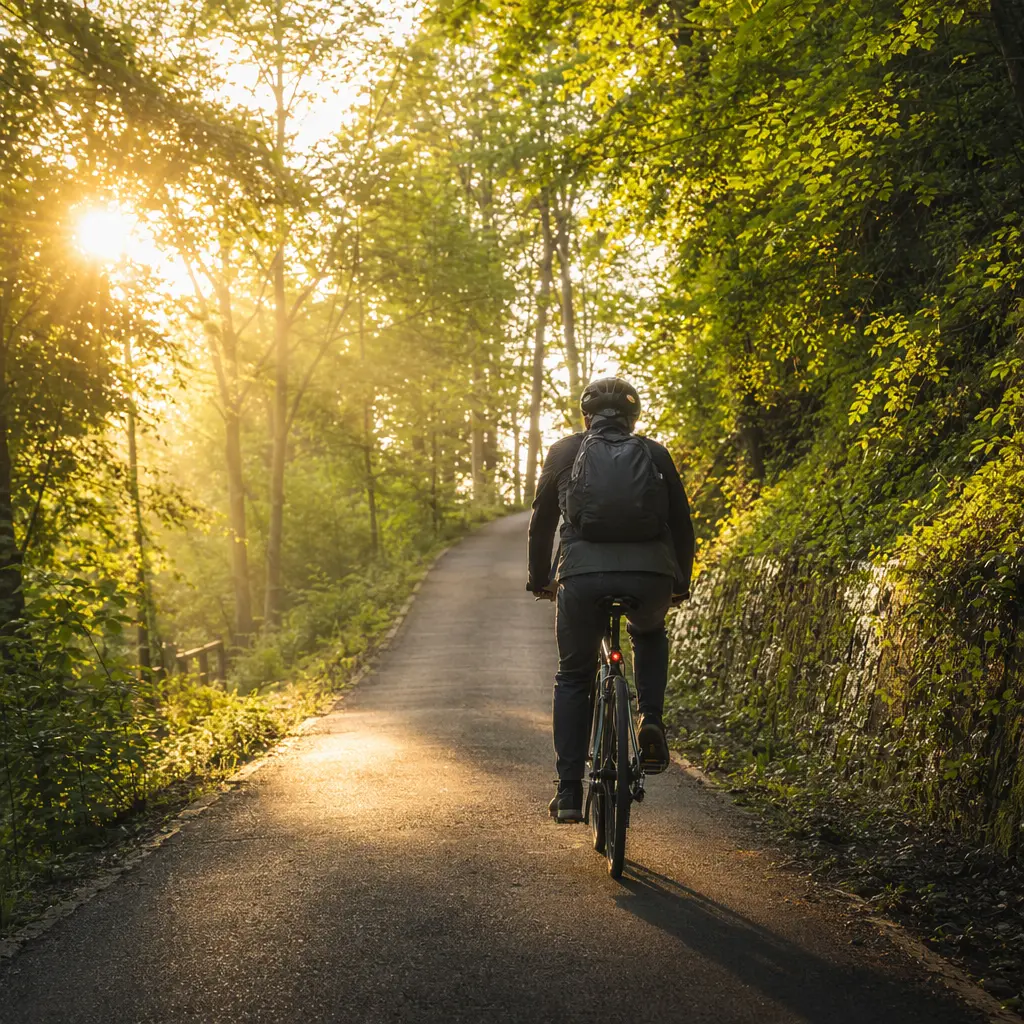
Standout categories or types
Most commuters tackling hills and wind end up choosing between a few broad bike types. Each has strengths depending on your route and priorities.
- Flat‑bar hybrids: Popular for a reason. Upright enough for visibility, usually specced with wide‑range gearing, and easy to fit with mudguards and panniers.
- Drop‑bar commuters (endurance road or gravel‑leaning): Drops give hand‑position choice for headwinds. Look for endurance geometry and lower gearing than race bikes.
- Rigid vs front suspension: Rigid forks are lighter and more efficient on climbs. Budget suspension forks add weight and often don’t help much on tarmac.
- Alloy vs steel frames: Alloy feels lively and keeps weight down; steel trades a bit of weight for comfort and durability, especially with loads.
Frequently asked questions
How low should my gearing be for hills?
Aim for a lowest gear that lets you spin comfortably on your steepest climb without standing. For many riders, that means a small front ring paired with a large rear sprocket. If you often carry panniers, lower is better.
Is an upright position really better in headwinds?
Slightly upright reduces strain on your neck and back during longer rides and gives better control in gusts. Very upright can catch more wind, so look for a balanced, endurance‑style position rather than a bolt‑upright city bike.
Do I need disc brakes for commuting?
They’re not essential, but discs shine in wet, gritty conditions common in UK winters. Mechanical discs keep costs down; hydraulic discs offer lighter lever feel if your budget allows.
What tyres help with headwinds and rough roads?
Moderately wide tyres (around the mid‑30mm range on hybrids) roll efficiently and smooth broken tarmac. Choose a tread that’s mostly slick with some edge grip rather than heavy knobs.
A commuter bike under £1,000 can absolutely handle hills and headwinds if the basics are right. Focus on low gearing, a sensible riding position and year‑round practicality. Get those nailed, and the daily ride becomes more predictable — even when the weather isn’t.
Find these on Amazon
As an Amazon Associate, CheapBikes earns from qualifying purchases.