Best Commuter Bikes for Short UK Journeys Under £400
A buyer’s guide to low‑maintenance commuter bikes under £400 for 2–5 mile UK trips. Learn which features matter, what to expect at this budget, and how to choose a reliable, practical bike for everyday riding.
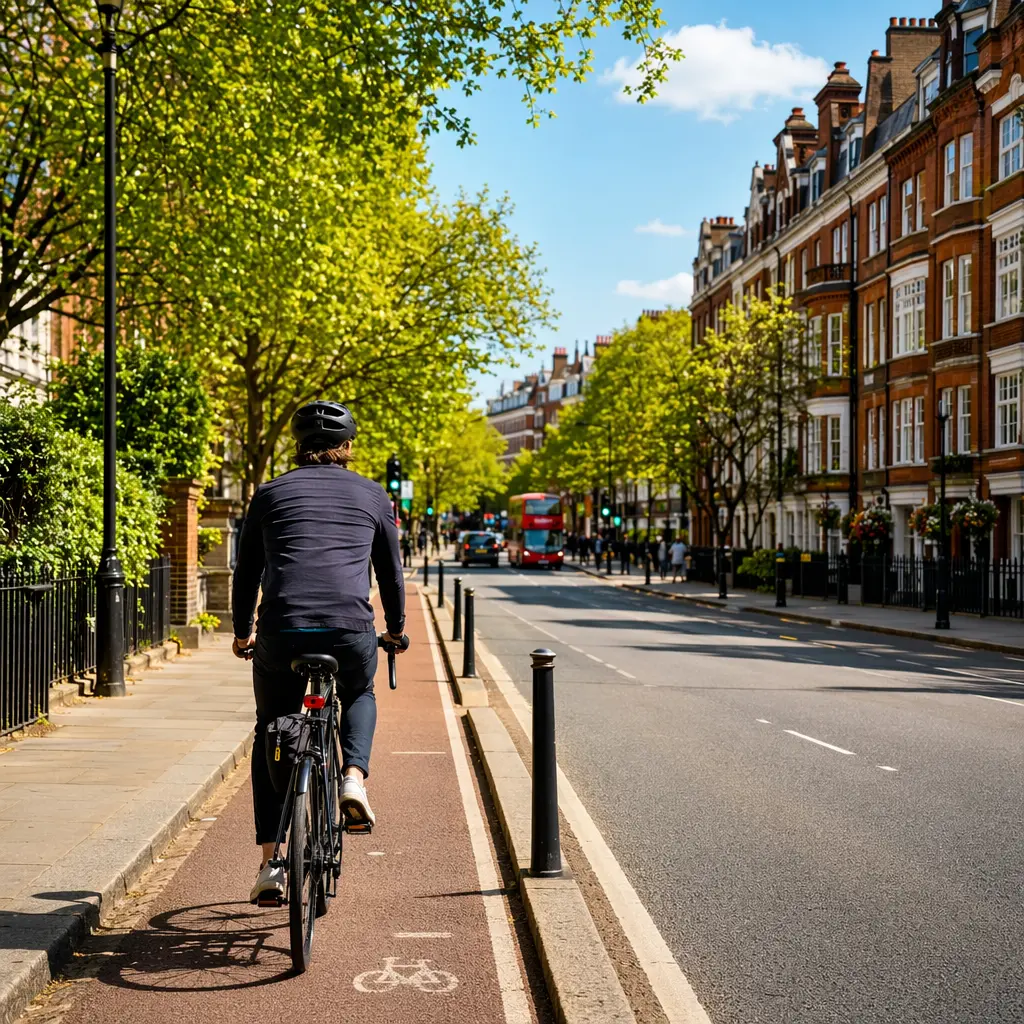
For short UK commutes of around 2–5 miles, a bike doesn’t need to be fast or fancy. It needs to be reliable, easy to live with, and cheap enough that locking it up outside doesn’t cause anxiety. Under £400, there are plenty of sensible commuter bikes that focus on comfort and low maintenance rather than performance. This guide looks at what actually matters for short daily trips, and where it’s worth spending — or saving — your money.
What to look for
At this budget, the best commuter bikes prioritise simplicity. You’re not buying cutting‑edge components, but you can still get a practical setup that copes well with daily use, poor weather, and stop‑start riding.
- Gearing: For short, mostly flat trips, fewer gears are often better. Single‑speed or 7–8 speed drivetrains are cheaper, quieter, and need less adjustment than wide‑range systems.
- Frame material: Aluminium frames dominate at this price. They’re light enough for carrying upstairs and won’t rust if the paint gets chipped. Steel frames exist too, usually a little heavier but more forgiving over rough roads.
- Brakes: Mechanical disc brakes are increasingly common and work well in the wet, though they add weight. Rim brakes are lighter and cheaper, and still perfectly adequate for short urban rides.
- Geometry: Look for an upright or relaxed riding position. This improves visibility in traffic and reduces strain on your back and neck for everyday clothes.
- Fit and sizing: A correct frame size matters more than almost any component. Most commuter bikes come in 2–4 sizes, so check height guides carefully.
- Weight: Under £400, don’t obsess over grams. A bike around 12–14kg is normal and manageable for short journeys.
- Included accessories: Mudguards, chain guards, racks, and kickstands add real value. Buying them separately can quickly eat into a tight budget.
Budget and what you're getting
A £300–£400 commuter bike is built to a price, and that’s not a bad thing if expectations are realistic. Components will be basic but functional, wheels may be heavier, and finishing kit (saddle, grips, pedals) is often generic. What you are paying for is a complete, ride‑ready bike that can handle daily use without constant fettling. What you’re not getting is premium bearings, very light frames, or advanced gearing systems. For short commutes, those upgrades offer little real benefit anyway.
Standout categories or types
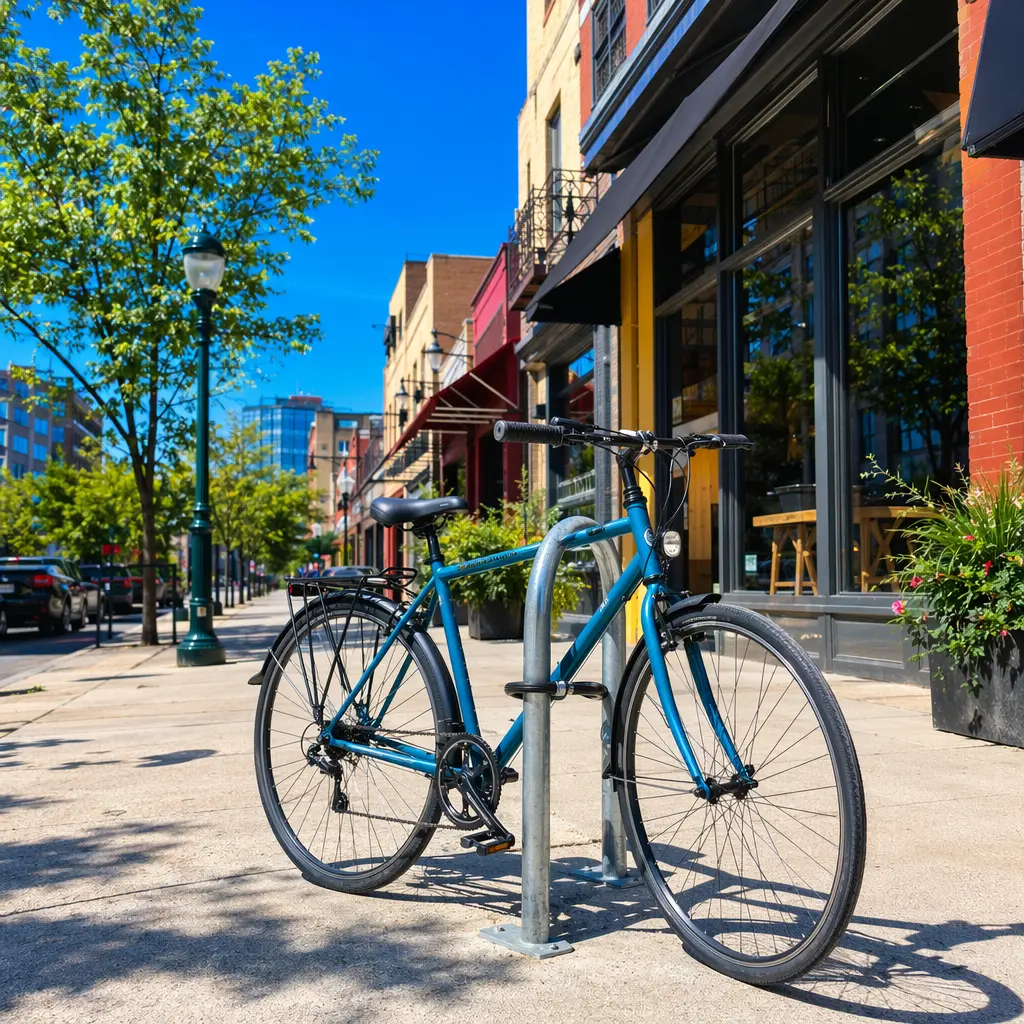
Within the commuter category, there are a few common styles that work particularly well for short UK journeys. Choosing the right type can reduce maintenance and improve comfort without spending more.
- Single‑speed and hub‑geared bikes: Excellent for flat routes. With fewer moving parts and enclosed gears, they’re quiet, clean, and ideal for everyday clothes.
- Flat‑bar hybrids: The most common choice. They balance comfort and control, accept mudguards and racks easily, and cope with potholes and rough cycle paths.
- Rigid forks vs suspension: Avoid front suspension at this price unless your route is very rough. Cheap suspension adds weight and rarely improves comfort on tarmac.
Frequently asked questions
Is a cheap commuter bike reliable for daily use?
Yes, if it’s used within its limits. Regular cleaning, occasional chain lubrication, and basic safety checks will keep a budget commuter running reliably for years.
Do I need disc brakes for commuting?
Not necessarily. Disc brakes perform better in heavy rain, but rim brakes are lighter, simpler, and cheaper to maintain. For short trips, both are fine.
What tyres are best for short city rides?
Look for puncture‑resistant tyres in the 32–38mm range. They roll efficiently on roads while offering comfort and durability over broken surfaces.
Is it worth buying second‑hand instead?
Second‑hand can offer better components for the money, but only if you’re confident checking condition or buying from a reputable refurbisher. New bikes offer warranty and peace of mind.
For short UK commutes, the best bike is one that’s simple, comfortable, and easy to maintain. Under £400, focusing on practical features rather than flashy specs will give you a dependable everyday ride that just works, rain or shine.
Find these on Amazon
As an Amazon Associate, CheapBikes earns from qualifying purchases.