What Makes a Good Winter Commuter Bike in the UK?
A plain-English guide to choosing a winter commuter bike for UK conditions, covering tyres, brakes, gearing and fittings that cope with rain, grit and dark rides.
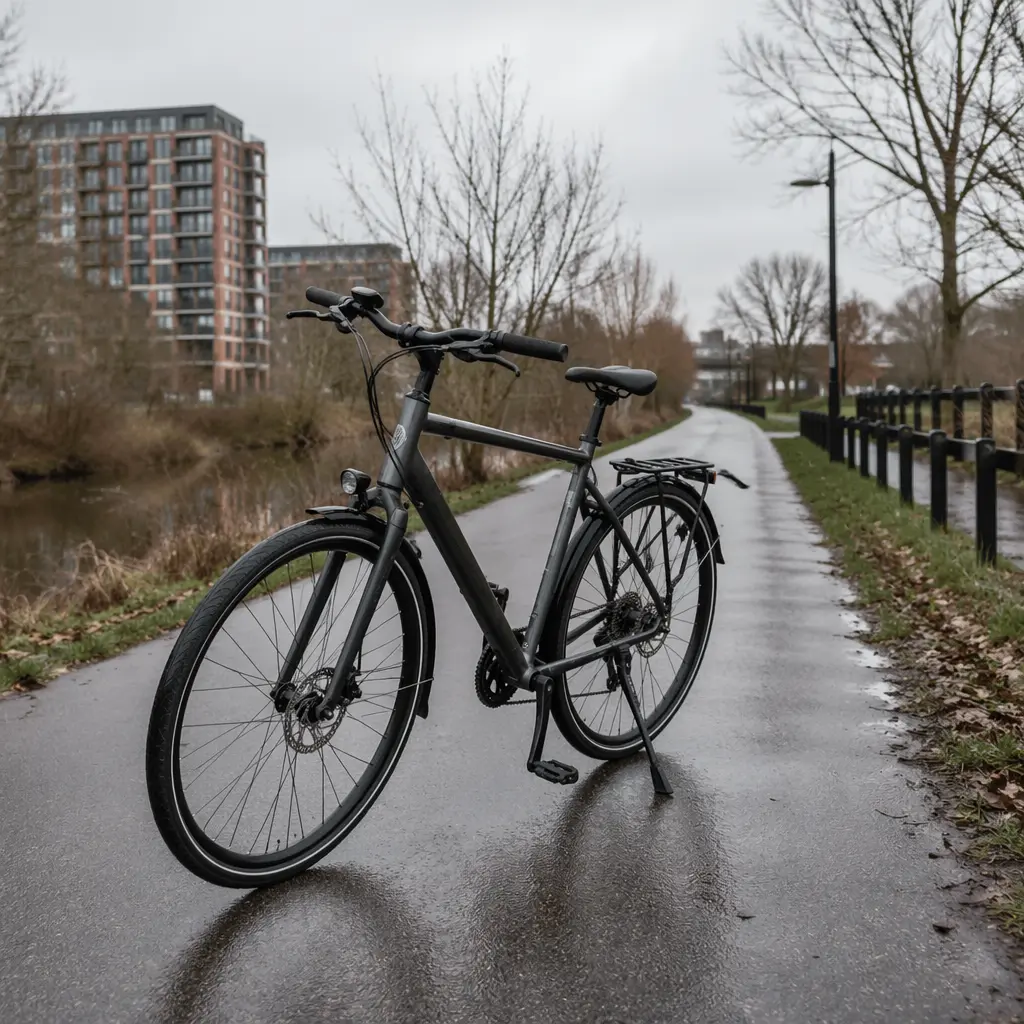
Winter commuting in the UK puts extra demands on a bike. Rain, road grit, poor light and colder temperatures all expose weaknesses that might not matter in summer. A good winter commuter isn’t about speed or style; it’s about staying reliable, predictable and low‑stress when conditions are at their worst. This guide explains the key features to prioritise so you can choose a bike that copes with daily winter riding without pushing the budget further than necessary.
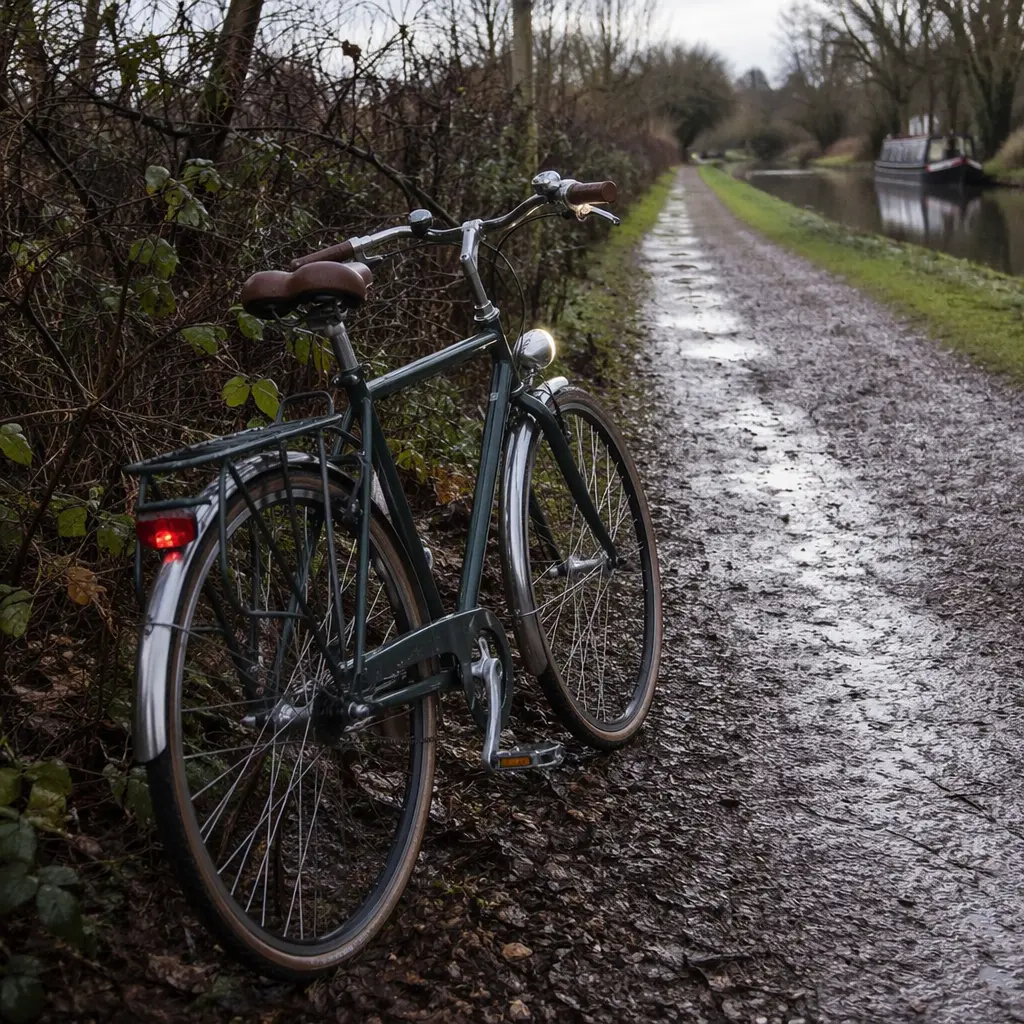
What to look for
Winter riding highlights practical details. The right combination of tyres, brakes, gearing and fittings can make everyday journeys safer and reduce maintenance headaches.
- Tyres: Wider tyres (around 32–40mm on road-based bikes) improve grip on wet and gritty roads. Look for puncture protection and an all-season tread rather than slick race tyres.
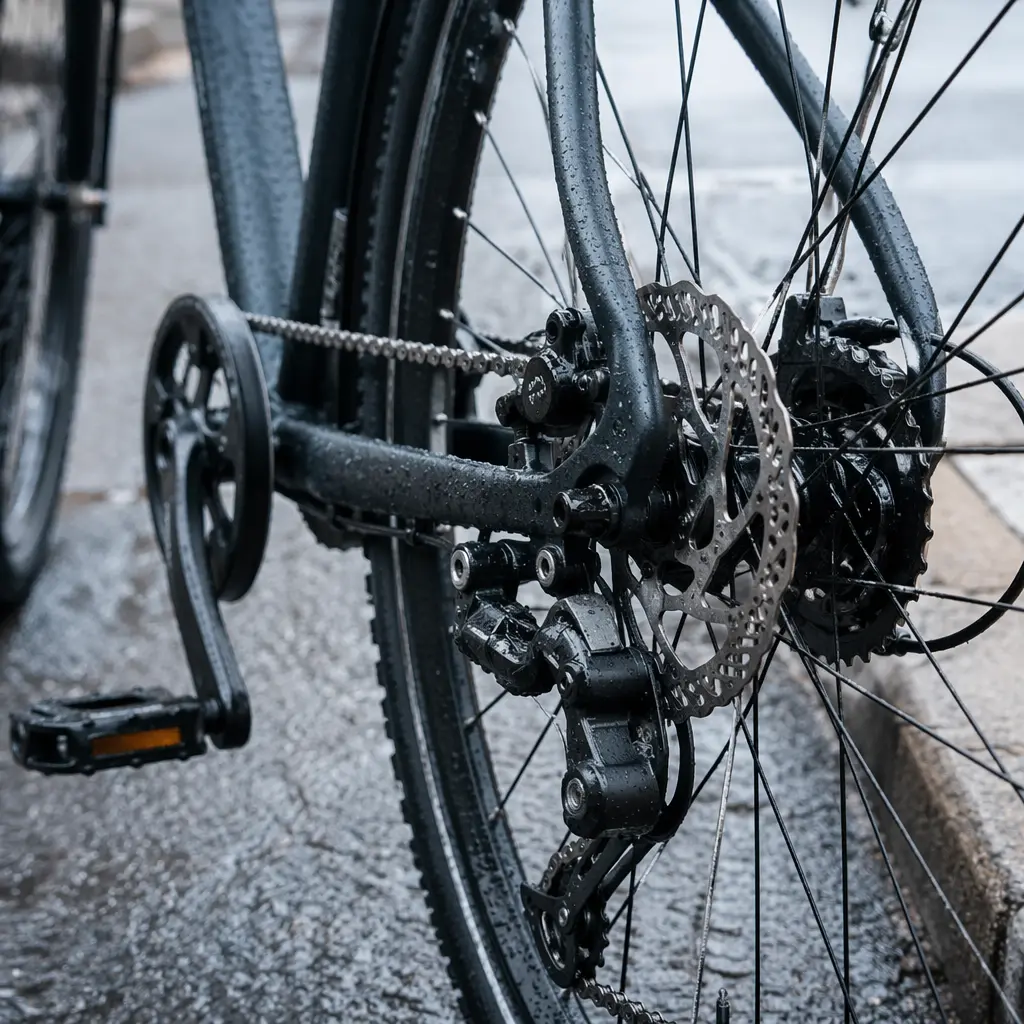
- Brakes: Disc brakes perform more consistently in the wet than rim brakes. Mechanical discs are common on value-focused bikes; hydraulic discs cost more but need less force at the lever.
- Gearing: Lower gears help on slippery climbs and when carrying bags. Wide-range gearing or smaller chainrings are useful in winter clothing and headwinds.
- Frame material: Aluminium is common and affordable; steel offers a smoother ride and better durability against knocks, though it can be heavier.
- Geometry: An upright, stable riding position improves control on poor surfaces and visibility in traffic.
- Fit: Enough clearance for thicker tyres and mudguards is essential for winter use.
- Weight: A lighter bike is easier to carry and accelerate, but reliability and comfort matter more than shaving a kilo.
- Included accessories: Full-length mudguards, rack mounts and internal cable routing all pay off in wet months.
Budget and what you're getting
At commuter-friendly price points, winter bikes involve sensible trade-offs. Expect durable components rather than the lightest ones, and simpler finishing kits. Disc brakes may be mechanical rather than hydraulic, and wheels might be heavier but stronger. Paying extra usually improves braking performance, drivetrain longevity and factory-fitted accessories. The key is prioritising features that reduce winter hassle—like mudguard clearance and reliable brakes—over cosmetic upgrades.
Standout categories or types
Several bike styles work well for winter commuting, depending on your routes and priorities. The differences are mostly about comfort, maintenance and surface versatility.
- Flat-bar hybrids: A popular choice for winter. Stable handling, easy braking and space for wider tyres and mudguards.
- Drop-bar commuters or gravel-style bikes: Offer multiple hand positions and good tyre clearance. Useful for longer rides or mixed surfaces.
- Rigid forks vs suspension: Rigid forks are lighter, cheaper and easier to maintain. Short-travel suspension can add comfort but often struggles in winter grime.
- Alloy vs steel frames: Alloy resists rust and keeps costs down; steel can feel more forgiving on rough roads and is easier to repair if damaged.
Frequently asked questions
Are disc brakes essential for winter commuting?
They aren’t essential, but they are strongly recommended. Disc brakes maintain stopping power in the wet and reduce rim wear caused by gritty roads. Rim brakes can still work, but performance drops noticeably in heavy rain.
What tyre width is best for winter?
Most UK commuters benefit from tyres wider than traditional road sizes. Around 35–40mm offers a good balance of grip, comfort and rolling efficiency on broken tarmac and towpaths.
Do I need suspension for rough winter roads?
Not usually. Wider tyres at lower pressures provide effective comfort with far less maintenance. Suspension forks at lower price points can add weight without meaningful benefit.
How important are mudguards?
Very. Full-length mudguards keep water and grit off you and the bike’s drivetrain, reducing cleaning time and component wear during winter.
A good winter commuter bike is about preparation rather than perfection. By focusing on tyres, brakes, sensible gearing and practical fittings, you can build a setup that handles dark, wet rides with minimal fuss. Choose durability and comfort first, and winter commuting becomes far more manageable.
Find these on Amazon
As an Amazon Associate, CheapBikes earns from qualifying purchases.