Are £2,000+ Commuter Bikes Worth It for Everyday Riders?
A plain‑English look at what £2,000+ commuter bikes offer, who benefits most, and when cheaper options make more sense for everyday UK cycling.
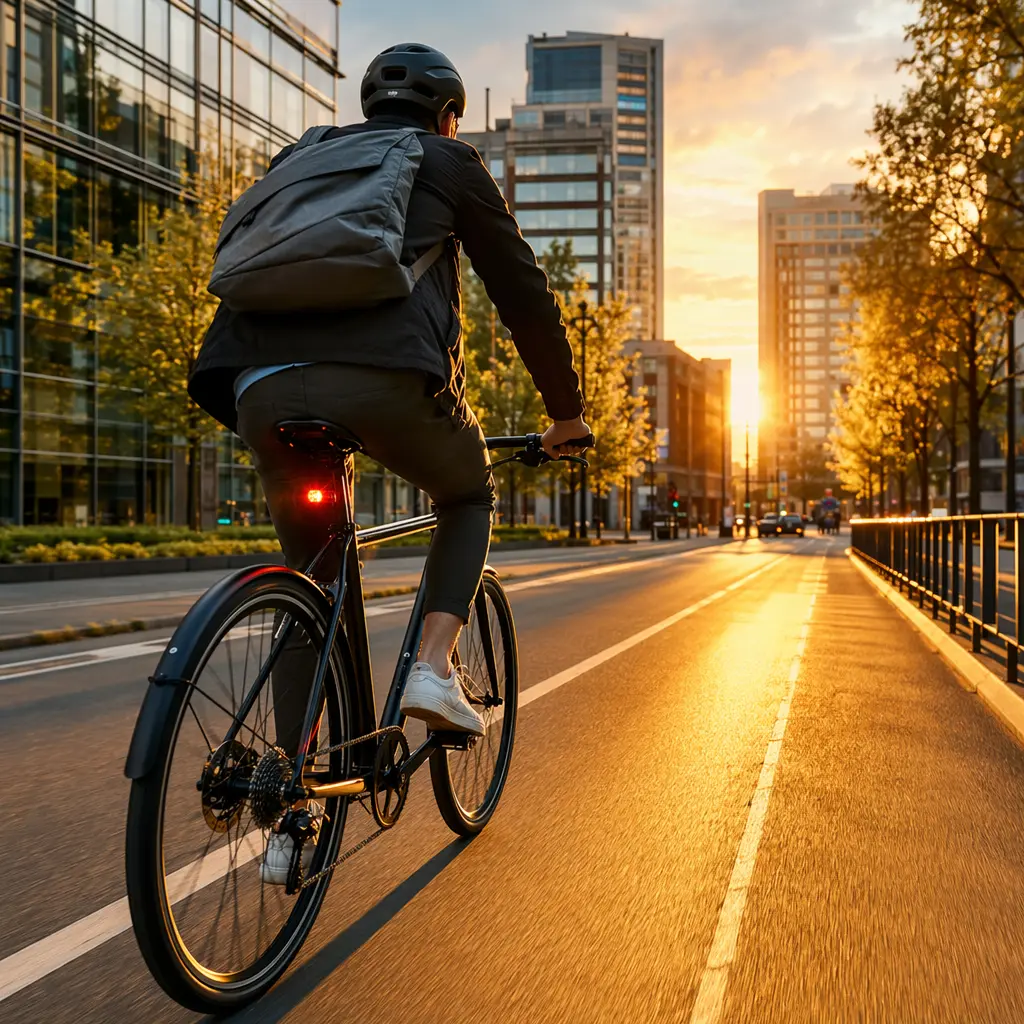
Spending £2,000 or more on a commuter bike can sound excessive if you’re not a keen cyclist. For many UK riders, a commuter is simply transport — a reliable way to get to work, the shops, or the station. This guide looks at what premium commuter bikes actually deliver, and whether the benefits justify the price for everyday, non‑enthusiast riders.
What to look for
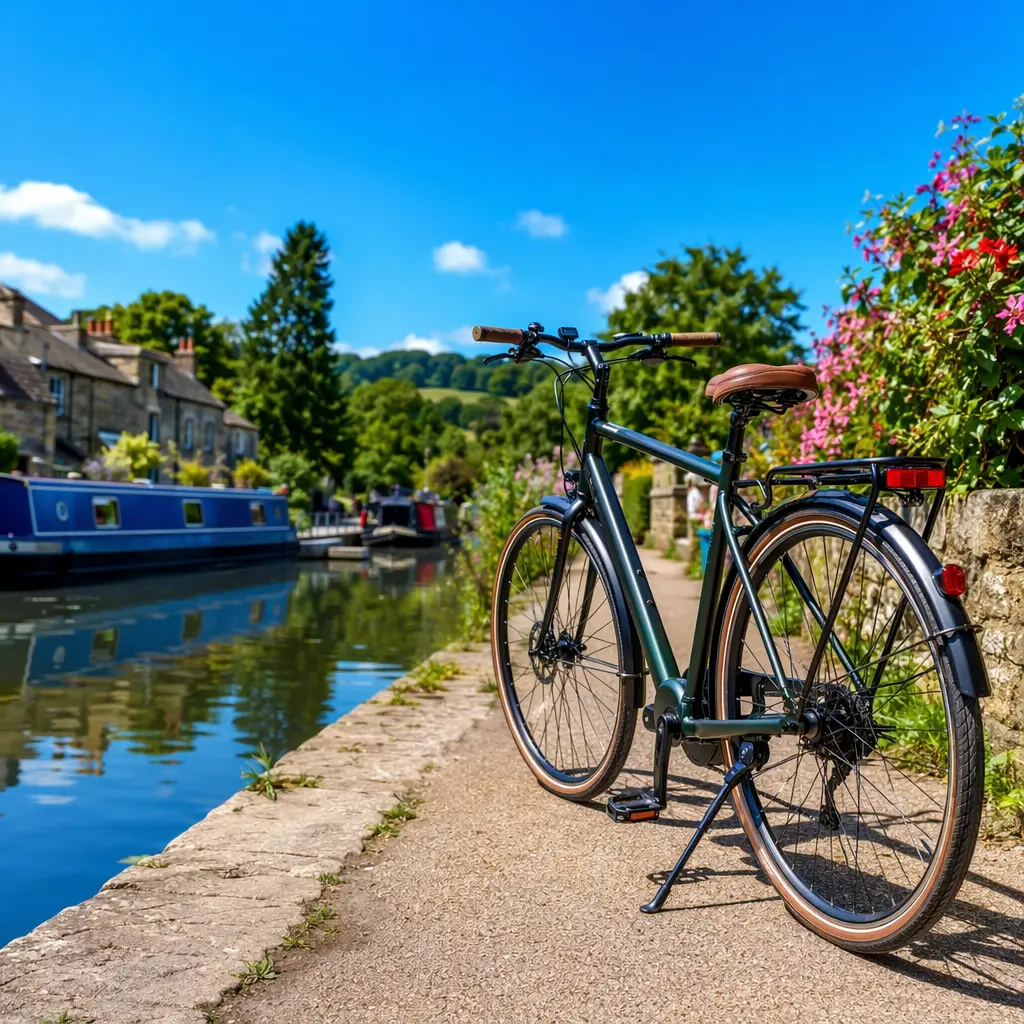
At £2,000+, commuter bikes focus on durability, low maintenance, and ride comfort rather than outright speed. The key features below explain where the money usually goes.
- Gearing: Internal hub gears or wide‑range drivetrains that cope well with hills and reduce maintenance.
- Frame material: Aluminium for light weight and stiffness, or steel for comfort and long‑term durability.
- Brake type: Hydraulic disc brakes are common at this level, offering strong, reliable stopping in wet UK weather.
- Geometry: Upright, stable riding positions designed for traffic, junctions, and frequent stopping.
- Fit: Multiple frame sizes and adjustable stems or seatposts to fine‑tune comfort.
- Weight: Often lighter than budget commuters, but not ultra‑light — durability usually comes first.
- Included accessories: Full mudguards, integrated lights, pannier racks, and kickstands are often standard.
Budget and what you're getting
Above £2,000, you’re paying for refinement rather than basics. The bike should work smoothly day after day with minimal attention. Expect higher‑quality bearings, sealed components, and parts chosen to last through winter commuting. The trade‑off is that performance gains over a £700–£1,000 commuter are smaller than the price jump suggests. You’re buying convenience, longevity, and comfort — not three times the usefulness.
Standout categories or types
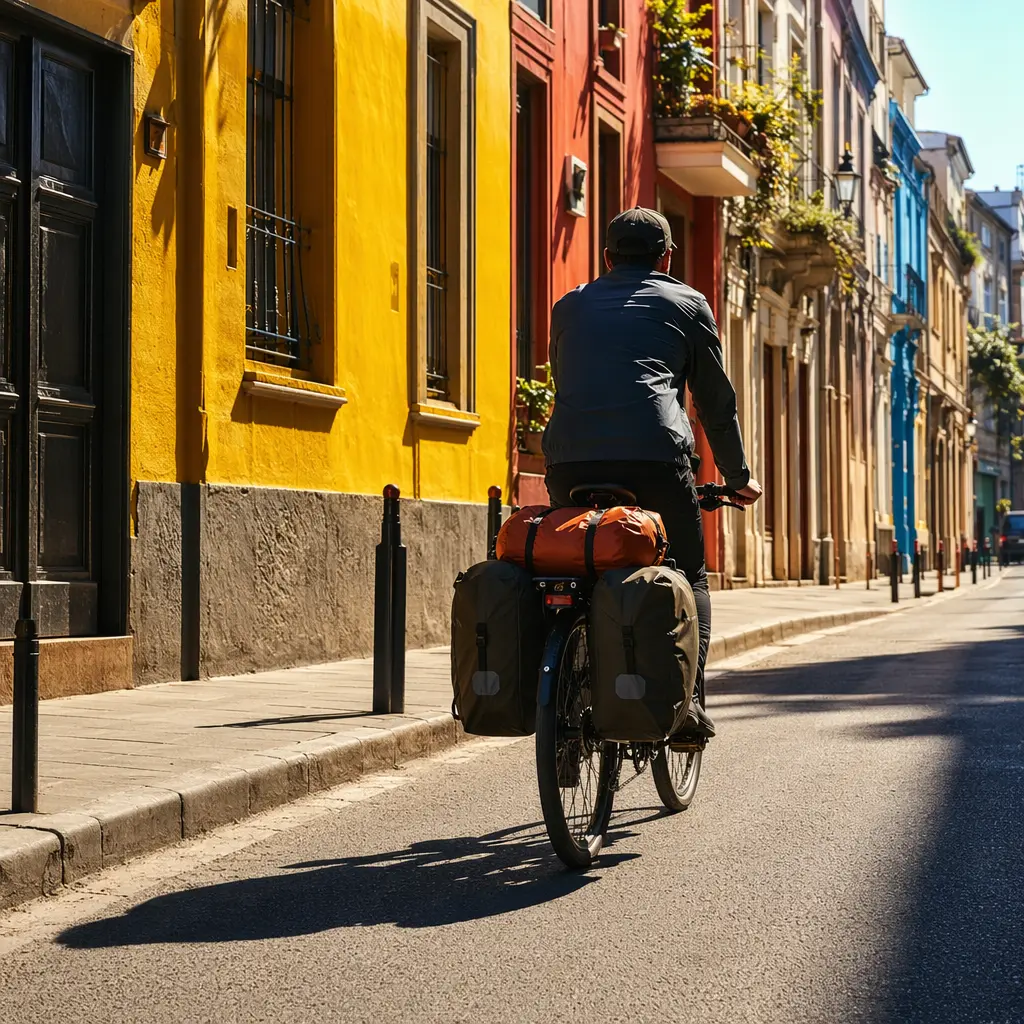
Not all expensive commuter bikes aim to do the same job. Understanding the main types helps decide whether the cost makes sense.
- Low‑maintenance commuters: Often use belt drives and hub gears. Ideal if you ride year‑round and don’t want to clean chains or adjust gears.
- Comfort‑focused city bikes: Upright frames, wide tyres, and vibration‑damping materials suit longer or rougher urban rides.
- Fast urban commuters: Lighter builds and sportier geometry for riders covering longer distances who still want everyday practicality.
Frequently asked questions
Will a £2,000+ commuter make me cycle more?
Possibly, but not automatically. A smooth, comfortable bike can remove small annoyances that put people off riding, but motivation and route choice matter more than price.
Are premium commuters cheaper in the long run?
They can be. Longer‑lasting parts and fewer servicing needs may reduce ongoing costs, especially for daily riders. Occasional cyclists may not see the same savings.
Do I need high‑end components for short trips?
For rides under a few miles, the benefits are mostly comfort and convenience rather than performance. Cheaper bikes can handle short commutes just fine.
Is theft a concern with expensive commuters?
Yes. Higher‑value bikes need better locks and secure parking. This is an important practical consideration for city use.
For non‑cyclists and casual riders, £2,000+ commuter bikes are best seen as a lifestyle upgrade rather than a necessity. They make daily riding easier and more pleasant, but a well‑chosen mid‑priced bike can deliver most of the core benefits for far less money.
Find these on Amazon
As an Amazon Associate, CheapBikes earns from qualifying purchases.