Best commuter bikes for hills under £1,000 in the UK
A buyer’s guide to commuter bikes that handle UK hills on a £500–£1,000 budget. We compare gearing, weight and brakes, explain trade-offs, and help you choose a practical setup for daily climbs.
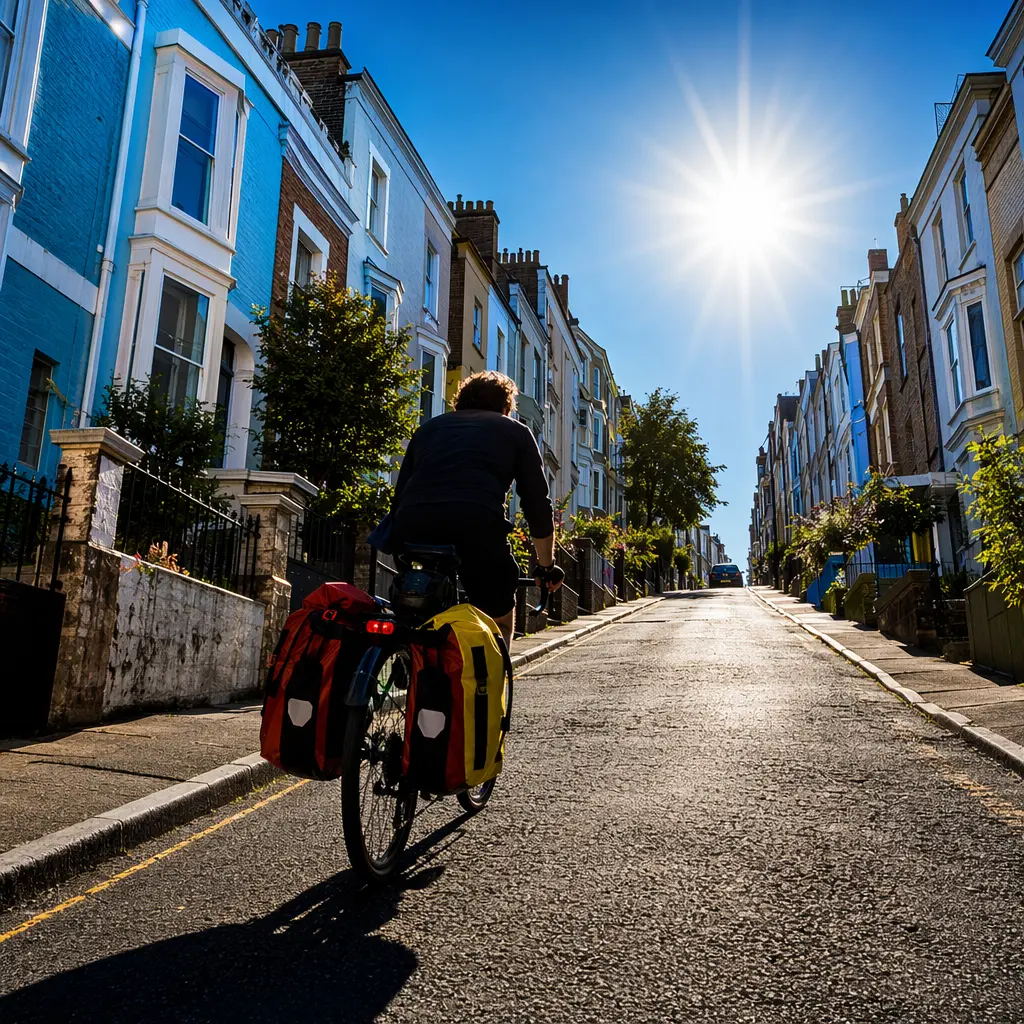
If your daily ride includes proper hills, the wrong commuter bike can turn every journey into a grind. Under £1,000 you can still get gearing low enough for climbs, reliable brakes for wet descents, and a frame that won’t feel like a tank. This guide explains what matters for real-world UK hills and how to balance performance with everyday practicality.
What to look for
For hilly commutes, three things dominate the buying decision: gearing that’s genuinely low, weight that won’t punish you on repeated climbs, and brakes you trust on the way back down. The details below make the difference.
- Gearing: Look for a wide range with a small lowest gear. Compact chainsets with wide-range cassettes, or 1x setups with big sprockets, make steep ramps manageable without knee strain.
- Frame material: Aluminium is common at this price and keeps weight down. Steel can be comfortable but is usually heavier; carbon is rare under £1,000 for commuters.
- Brake type: Hydraulic disc brakes give the best control on wet, fast descents. Mechanical discs are acceptable; rim brakes work but need more care in the rain.
- Geometry: A slightly upright position helps on long climbs and keeps weight balanced over the rear wheel for traction.
- Fit: Correct sizing matters more on hills. Too long or too tall and you’ll struggle to spin comfortably.
- Weight: Every kilo counts when climbing repeatedly. Lighter wheels and tyres can matter as much as frame weight.
- Included accessories: Mounts for mudguards and panniers are important for commuting; full accessories are a bonus but not essential.
Budget and what you're getting
In the £500–£1,000 range, expect sensible compromises rather than cutting-edge tech. You’ll usually get an aluminium frame, a dependable drivetrain with enough range for UK hills, and disc brakes. Weight won’t be featherlight, and finishing kit (saddle, grips, tyres) may be basic, but the core performance for climbing and descending can be very good. Paying towards the top of the range often brings hydraulic discs and lighter components, which make hills feel less punishing day after day.
Standout categories or types
Several commuter-friendly bike types work well for hills, each with strengths depending on your route and riding style.
- Flat-bar hybrids: Popular for commuting, offering upright comfort and easy control. Look for wide gearing and avoid heavy suspension forks if hills are frequent.
- Road-style commuters (flat or drop bar): Lighter and faster uphill, often with narrower tyres. Ensure they have low enough gearing and disc brakes for year-round use.
- Gravel-influenced commuters: Slightly wider tyres and relaxed geometry help on rough roads and steep, broken tarmac, with gearing that’s usually hill-friendly.
Frequently asked questions
How low should the gearing be for UK hills?
For sustained climbs or very steep streets, aim for a lowest gear that lets you spin rather than grind. A wide-range cassette or a small front chainring helps keep cadence comfortable.
Are disc brakes essential for hilly commutes?
They’re not essential, but they are strongly recommended. Disc brakes perform better in wet weather and give more confidence on long descents, which is valuable in the UK climate.
Is a lighter bike always better for hills?
Weight matters, but fit and gearing matter more. A slightly heavier bike with the right ratios will usually climb better than a light bike geared too high.
Should I avoid suspension forks?
For road-based commutes, yes. Budget suspension adds weight and can bob when climbing. Rigid forks are usually more efficient and lighter.
A good commuter for hills doesn’t need to be exotic. Focus on low gearing, reliable brakes and a fit that lets you ride comfortably day after day. Within £1,000, that combination is achievable and makes steep commutes far more manageable.
Find these on Amazon
As an Amazon Associate, CheapBikes earns from qualifying purchases.