Best commuter bikes for rough UK roads under £500
A value-focused buyer’s guide to commuter bikes under £500 that cope with UK potholes. Learn what to prioritise in tyres, frames and brakes, plus honest trade-offs at this price.
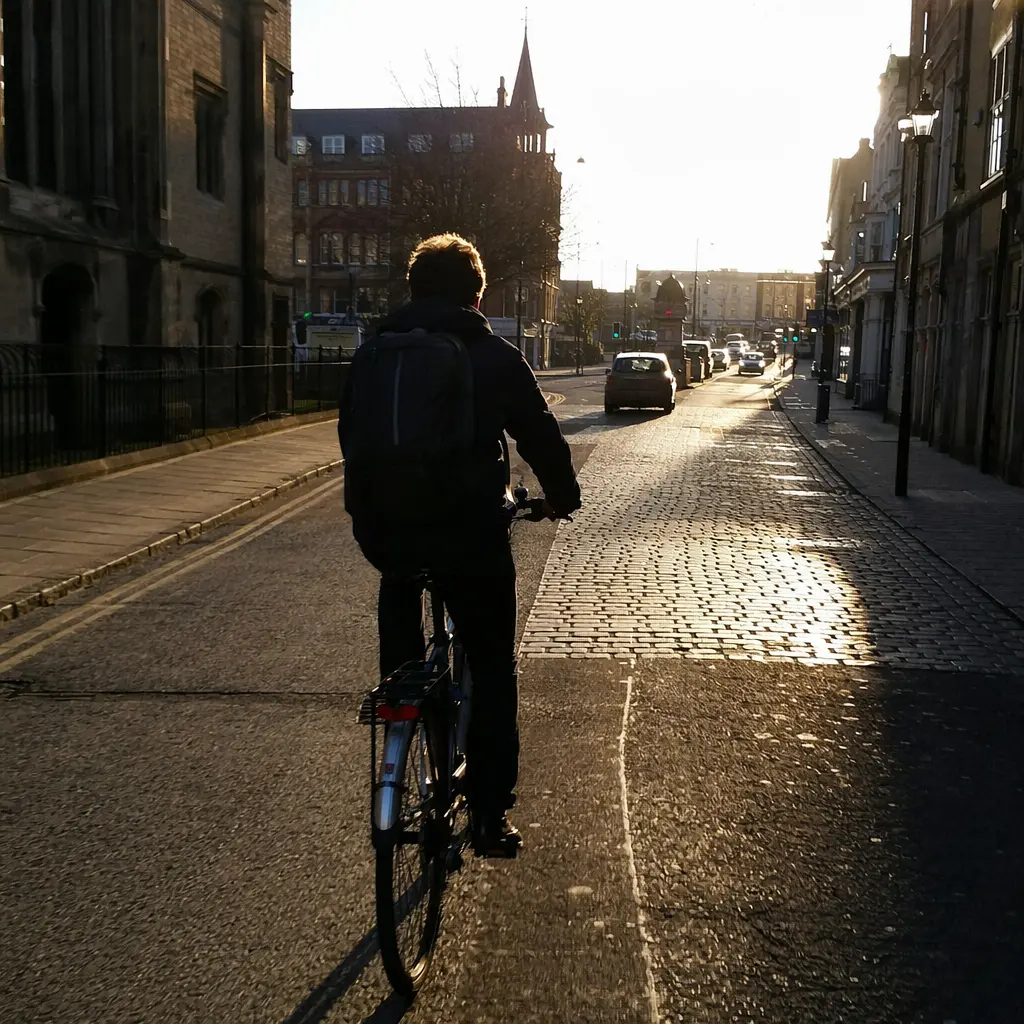
Rough UK roads can punish a budget commuter bike. Potholes, cracked tarmac and dropped kerbs demand tyres that cushion impacts, a frame that won’t feel harsh, and brakes that still work when the weather turns. With a £300–£500 budget, the aim isn’t luxury — it’s choosing sensible components that survive daily use and keep rides comfortable and predictable.
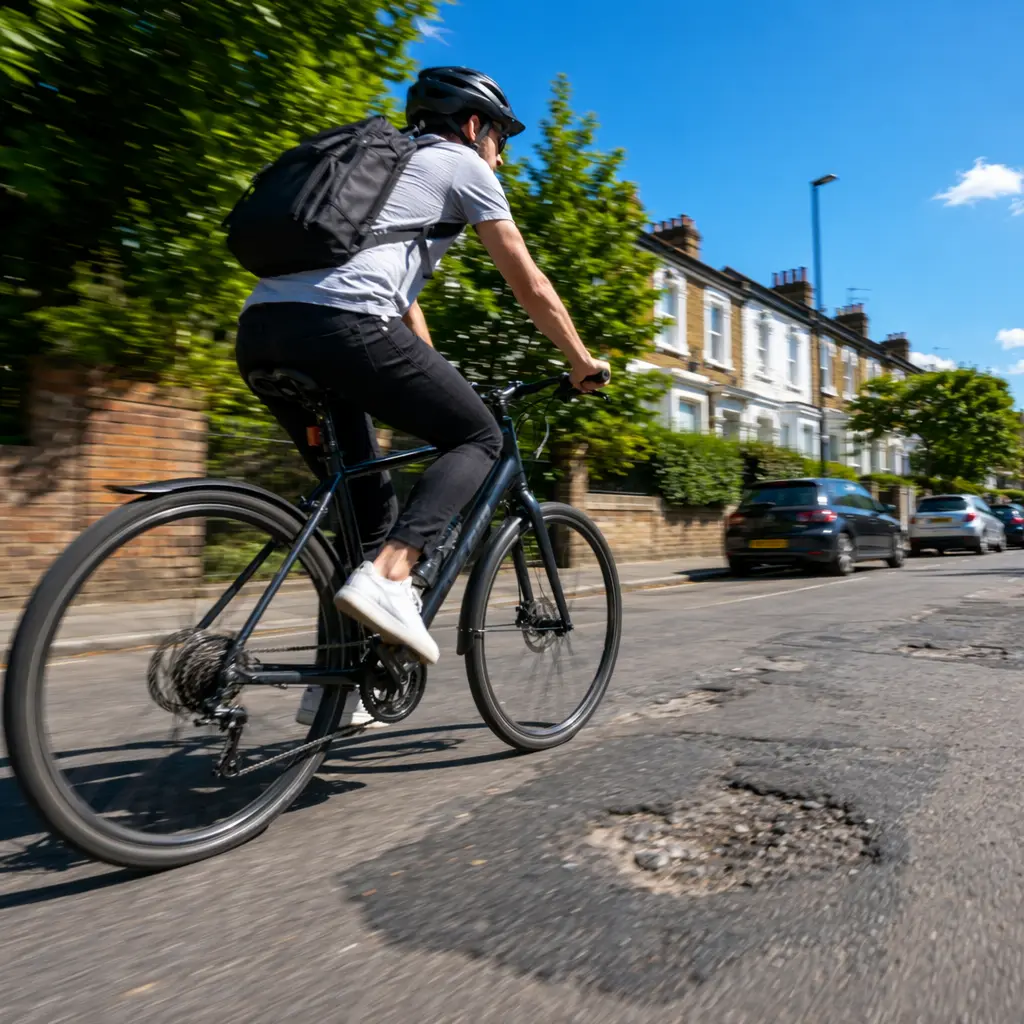
What to look for
When roads are poor, comfort and control matter more than outright speed. The checklist below focuses on features that make everyday riding easier and reduce the chance of pinch punctures or rattling parts.
- Tyres: Look for 32–40mm widths with puncture protection. Wider tyres at lower pressures smooth out broken surfaces far better than skinny rubber.
- Frame material: Aluminium is common and light for the money; steel is heavier but often more forgiving over bumps. Either can work if paired with the right tyres.
- Brakes: Mechanical disc brakes offer consistent stopping in the wet and cope well with grit. Rim brakes are cheaper and lighter but less confidence-inspiring in winter.
- Gearing: A wide range helps on stop-start commutes and short climbs. Expect simple drivetrains rather than high-end components.
- Geometry: An upright or neutral riding position reduces strain and improves visibility in traffic.
- Fit: Correct frame size matters more than brand. Too large or small will feel harsher and harder to control.
- Included accessories: Mudguard and rack mounts are valuable. Full mudguards keep road spray off, and panniers beat backpacks for daily comfort.
Budget and what you're getting
At £300–£500, expect sensible compromises. Frames will be mass-produced, wheels may be heavier, and finishing kit basic. Suspension forks at this price often add weight without real comfort benefits, so many riders are better off with a rigid fork and decent tyres. The upside is value: reliable components, straightforward maintenance, and money left for essentials like lights, a lock and puncture-resistant tyres.
Standout categories or types
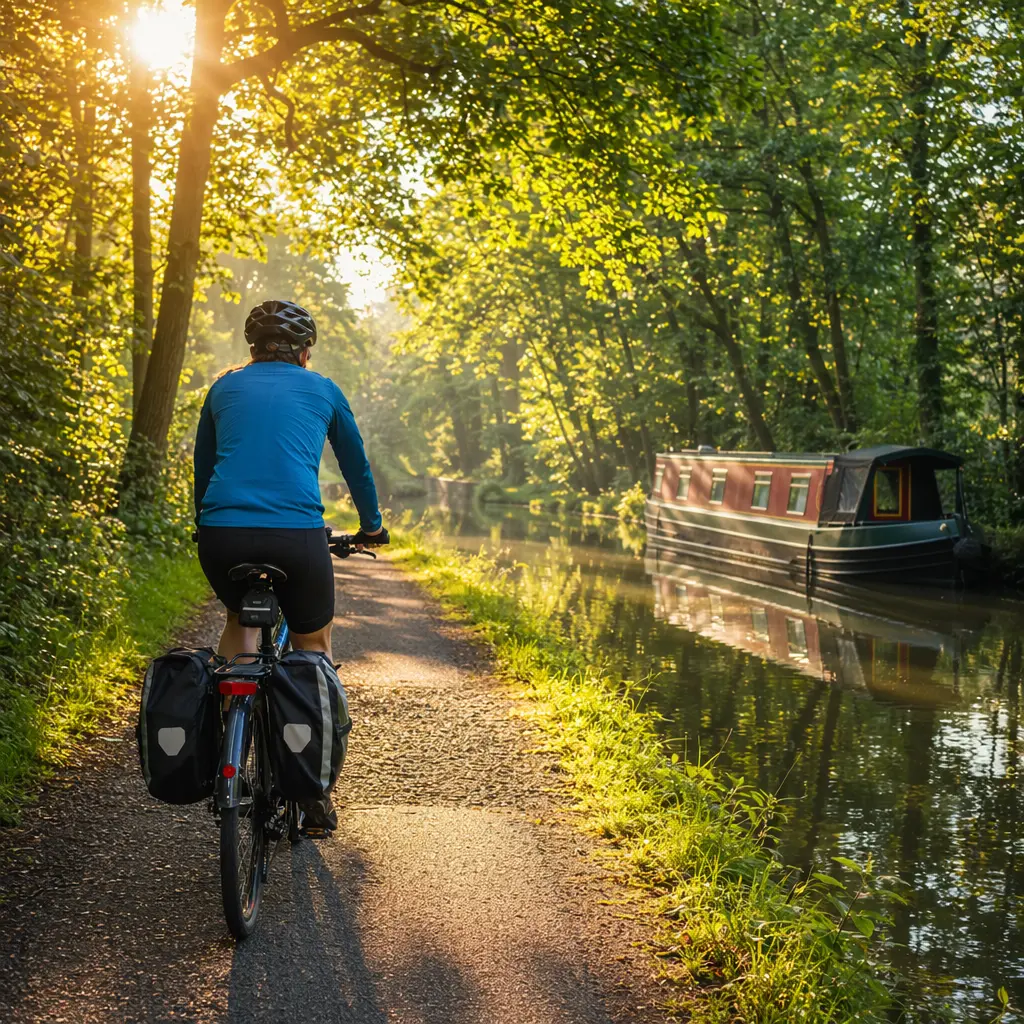
Most commuters under £500 fall into the hybrid category, but there are meaningful differences. Rigid hybrids with wider tyres are often the best match for broken roads, keeping weight down and maintenance simple. Front-suspension hybrids promise comfort but can feel vague and add complexity without solving pothole impacts.
Another option is the flat-bar road or “urban” bike. These usually run slightly narrower tyres but roll efficiently and suit smoother city routes. If your commute includes towpaths or neglected side streets, favour clearance for wider rubber over outright speed.
Frequently asked questions
Do I need suspension for potholes?
Usually no. Wide tyres at lower pressure absorb shocks better than cheap suspension forks. They’re lighter, simpler and more reliable for daily commuting.
Are disc brakes worth it at this price?
Mechanical disc brakes are a strong choice for year-round UK riding. They’re consistent in the wet and handle gritty roads better than rim brakes, though they may weigh a little more.
What tyre width is best for rough roads?
Aim for at least 32mm, with 35–40mm ideal if the frame allows. This balances comfort, grip and rolling efficiency on broken tarmac.
Should I budget for upgrades?
Yes. Even a modest bike benefits from better tyres, quality mudguards and decent pedals. These upgrades often make a bigger difference than pricier frames.
A commuter bike under £500 can handle rough UK roads if you buy with priorities straight. Focus on tyre clearance, reliable brakes and a comfortable fit. Skip flashy extras, invest in the contact points, and you’ll have a dependable workhorse for daily travel.
Find these on Amazon
As an Amazon Associate, CheapBikes earns from qualifying purchases.