Best commuter bikes £500–£1,000 for daily rides
A practical buyer’s guide to commuter bikes between £500 and £1,000. Learn what specs matter for UK year‑round riding, what to expect at the price, and which types suit different commutes.
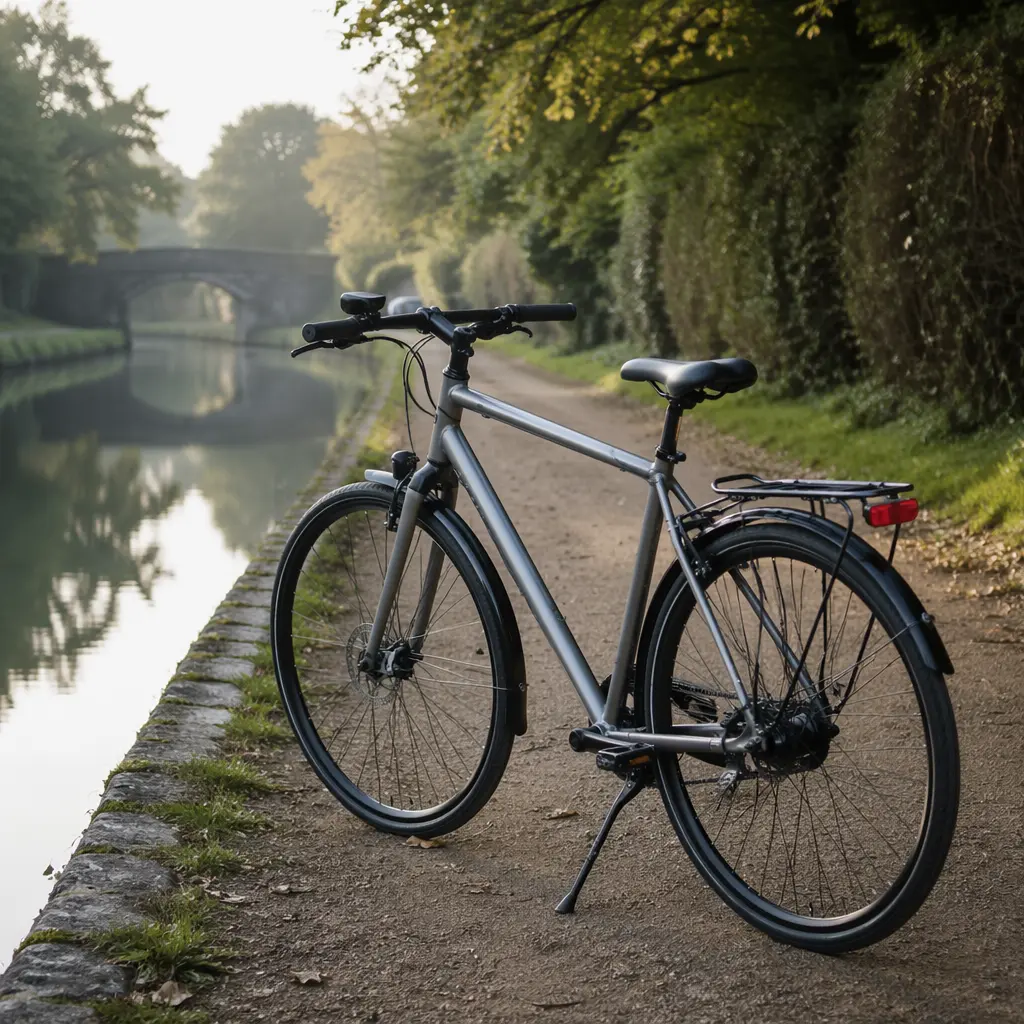
For many UK cyclists, a commuter bike needs to do a lot: cope with rough tarmac and potholes, feel efficient enough for longer rides, and stay reliable through wet, gritty winters. With a budget of £500–£1,000, you’re in a strong position to balance comfort, speed and low maintenance without paying for racing extras you won’t use on the daily ride.
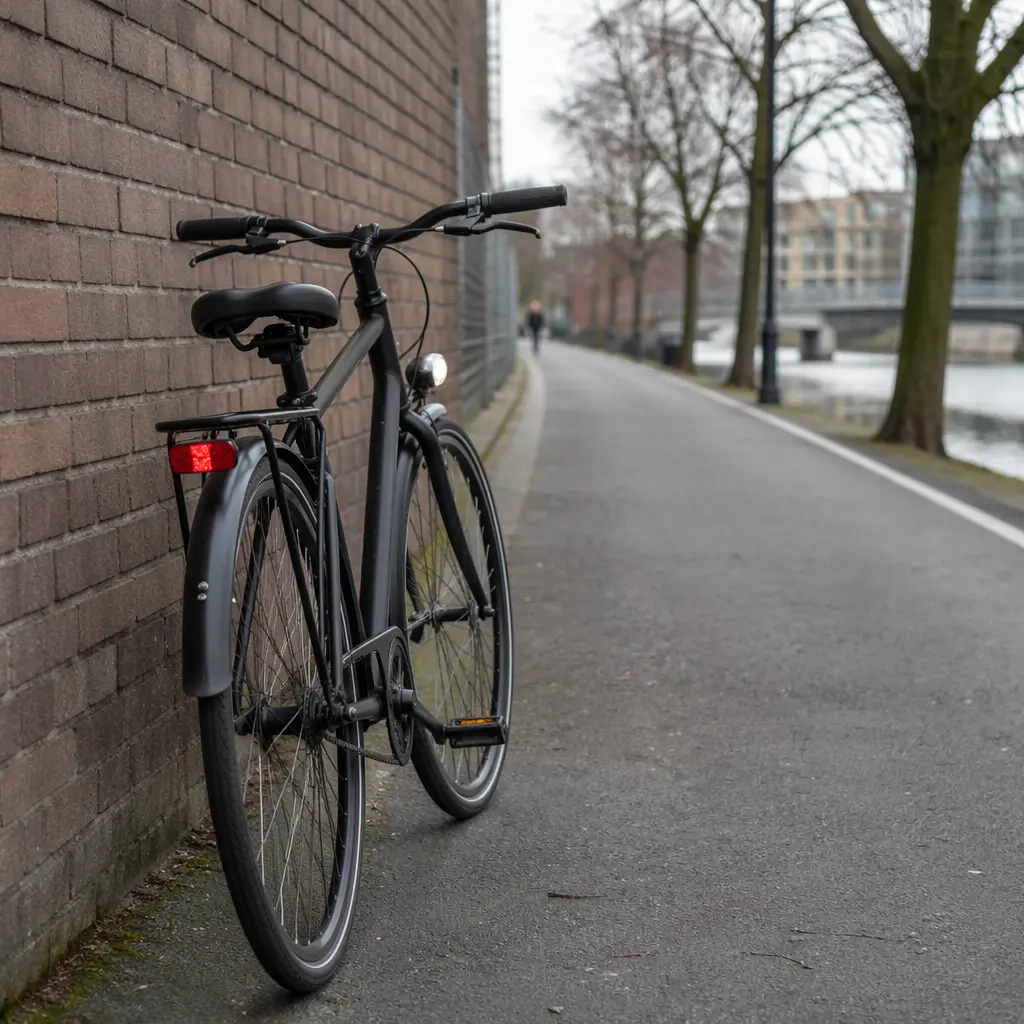
What to look for
At this price point, the right specification matters more than brand names. A good commuter bike should prioritise practicality, comfort and durability over outright speed. These are the features worth focusing on.
- Gearing: Wide-range gearing helps on bridges and hills, especially with panniers. Look for reliable mid-range derailleurs or low-maintenance hub gears.
- Frame material: Aluminium frames are light and corrosion-resistant; steel frames add comfort and toughness but can weigh more.
- Brakes: Hydraulic disc brakes give the best wet-weather performance. Mechanical discs or quality rim brakes can still be fine if well set up.
- Geometry: An upright or semi-upright riding position reduces strain on your back and neck during daily rides.
- Fit: Correct frame size matters more than any single component. A poorly fitting bike will feel slow and uncomfortable.
- Weight: Lighter bikes are easier to carry up steps or onto trains, but don’t sacrifice strength for minimal weight savings.
- Included accessories: Mudguards, rear racks, lights and kickstands add real value and save money later.
Budget and what you're getting
Between £500 and £1,000, you can expect a well-made bike suitable for daily use, but not luxury components. Frames are typically aluminium or steel, drivetrains are dependable rather than high-end, and finishing kit is chosen for durability. You may not get premium tyres or sealed bearings everywhere, but the overall package should be reliable and easy to maintain. Spending towards the top of the range often brings better brakes, stronger wheels and smoother shifting, all of which matter over thousands of commuting miles.
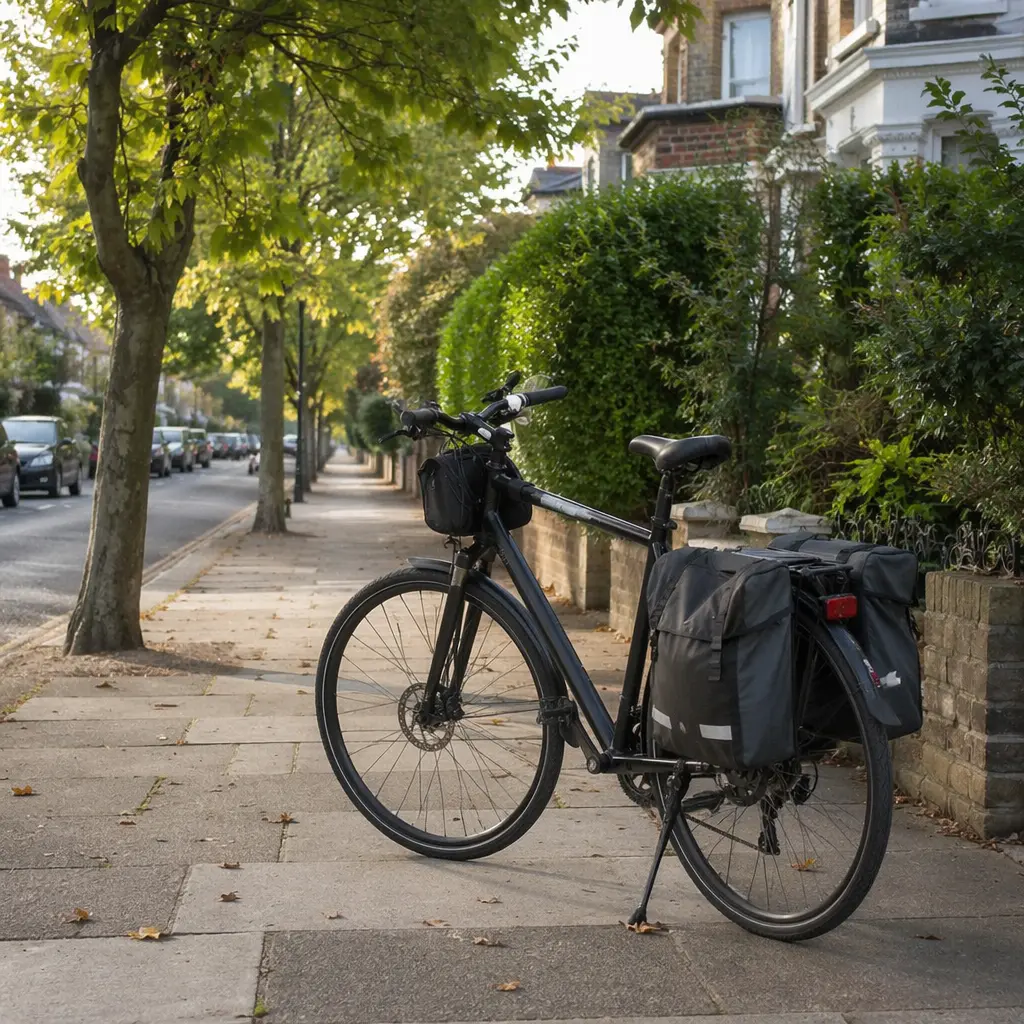
Standout categories or types
Most commuter bikes in this price range fall into a few clear categories. Choosing the right type can make your daily ride noticeably easier.
- Hybrid commuters: A blend of road efficiency and flat-bar comfort. Ideal for mixed surfaces, cycle paths and urban roads.
- Flat-bar road bikes: Faster and lighter, best for longer tarmac commutes if you don’t need very wide tyres.
- Hub-gear commuters: Fewer exposed parts and lower maintenance, especially useful for all-weather riders.
- Rigid vs suspension forks: Rigid forks are lighter and simpler. Front suspension adds comfort on rough routes but increases weight and upkeep.
Frequently asked questions
Are disc brakes worth it for commuting?
For year-round UK commuting, disc brakes are a strong advantage. They offer more consistent stopping in rain and road grime. Hydraulic systems need less adjustment, while mechanical discs are simpler to service.
Do I need suspension on a commuter bike?
Most commuters don’t. Wider tyres at lower pressures often provide enough comfort. Suspension can help on very rough routes but adds weight and maintenance.
How important are mudguards and racks?
Very important for daily use. Full-length mudguards keep you cleaner and protect components, while a rear rack makes carrying work gear far easier than using a backpack.
What tyre size is best for commuting?
Tyres around 32–40mm wide strike a good balance of comfort, grip and rolling speed. Look for puncture protection rather than ultra-light construction.
Can a £500–£1,000 bike last for years?
Yes, with regular maintenance. Keeping the drivetrain clean, replacing brake pads and tyres when worn, and servicing bearings will greatly extend the bike’s life.
A commuter bike in the £500–£1,000 range offers excellent value for UK riders who want reliability without excess. Focus on fit, practical features and low-maintenance parts, and you’ll end up with a bike that makes daily riding easier, faster and more enjoyable.
Find these on Amazon
As an Amazon Associate, CheapBikes earns from qualifying purchases.