Best Commuter Bikes Under £1,000 With Low Upkeep
A practical UK buyer’s guide to commuter bikes under £1,000 that prioritise durability, simple drivetrains and low running costs. What to look for, trade-offs, and which types suit daily riding.
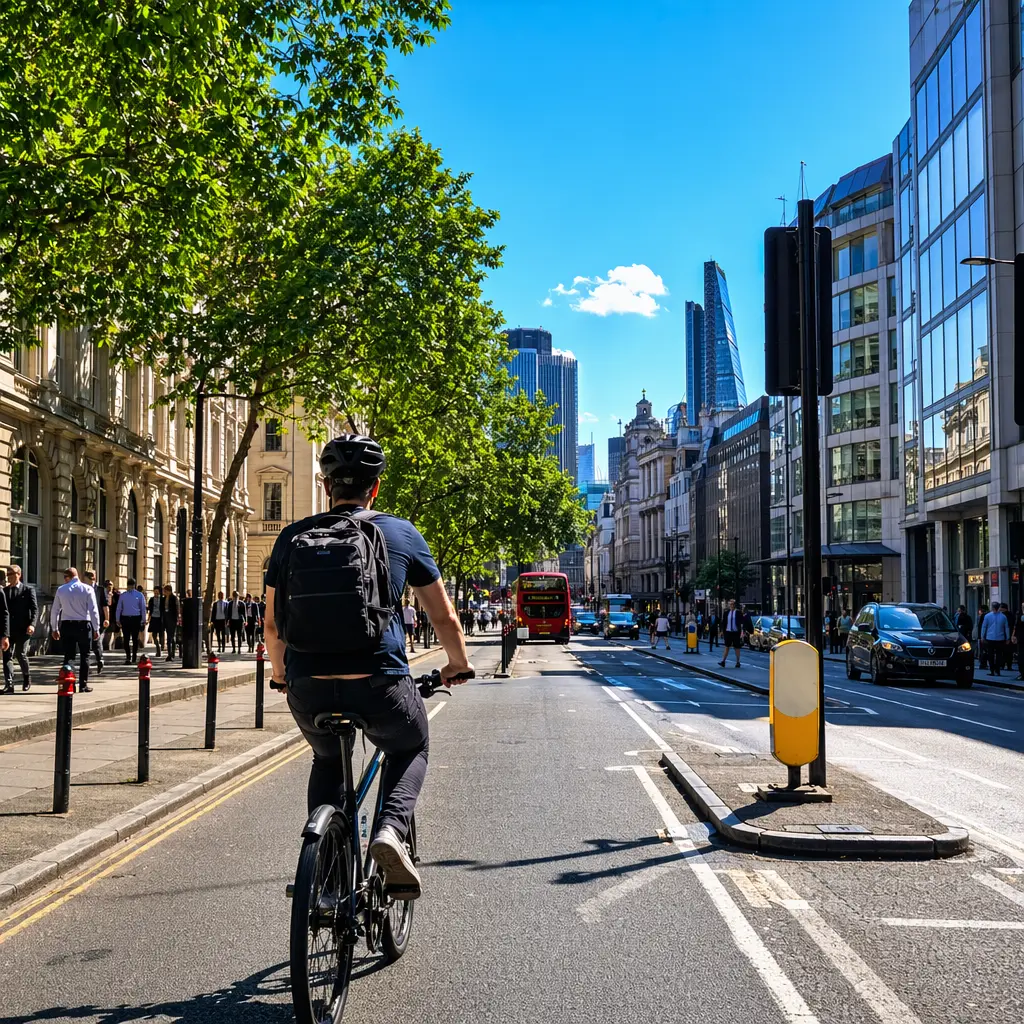
If you ride to work most days, the real cost of a commuter bike isn’t just the purchase price. It’s the time, money and hassle spent keeping it running. With a budget of £500–£1,000, UK riders can find dependable commuter bikes that focus on durability, simple components and sensible design — all aimed at keeping upkeep low without feeling cheap or sluggish.
What to look for
Low-upkeep commuter bikes share a few common features. You’re aiming for components that last well in wet UK conditions, are easy to service, and don’t need constant adjustment.
- Gearing: Simple drivetrains reduce wear and setup time. Single-speed, hub gears or modest 1x setups are easier to live with than wide-range derailleur systems.
- Frame material: Aluminium is common and corrosion-resistant; steel can be tougher and more forgiving but may need occasional rust checks if paint chips.
- Brake type: Hydraulic disc brakes offer strong all-weather performance with minimal adjustment. Mechanical discs are cheaper to maintain. Rim brakes are simplest but wear rims over time.
- Geometry: An upright, stable position improves visibility in traffic and reduces strain for daily riding.
- Fit: Correct frame size matters more than headline specs. A well-fitting bike reduces fatigue and component stress.
- Weight: Ultra-light isn’t essential for commuting, but avoiding unnecessary weight helps when carrying the bike upstairs or accelerating at junctions.
- Included accessories: Mudguards, rack mounts, kickstands and dynamo lighting reduce future spending and improve year-round usability.
Budget and what you're getting
Between £500 and £1,000, you’re paying for reliability rather than cutting-edge tech. Frames are usually aluminium or basic steel, wheels are sturdy rather than light, and components are chosen for longevity. You may not get premium tyres or sealed bearings everywhere, but you should expect consistent shifting, dependable brakes and fittings that stand up to daily locking-up and bad weather.
Standout categories or types
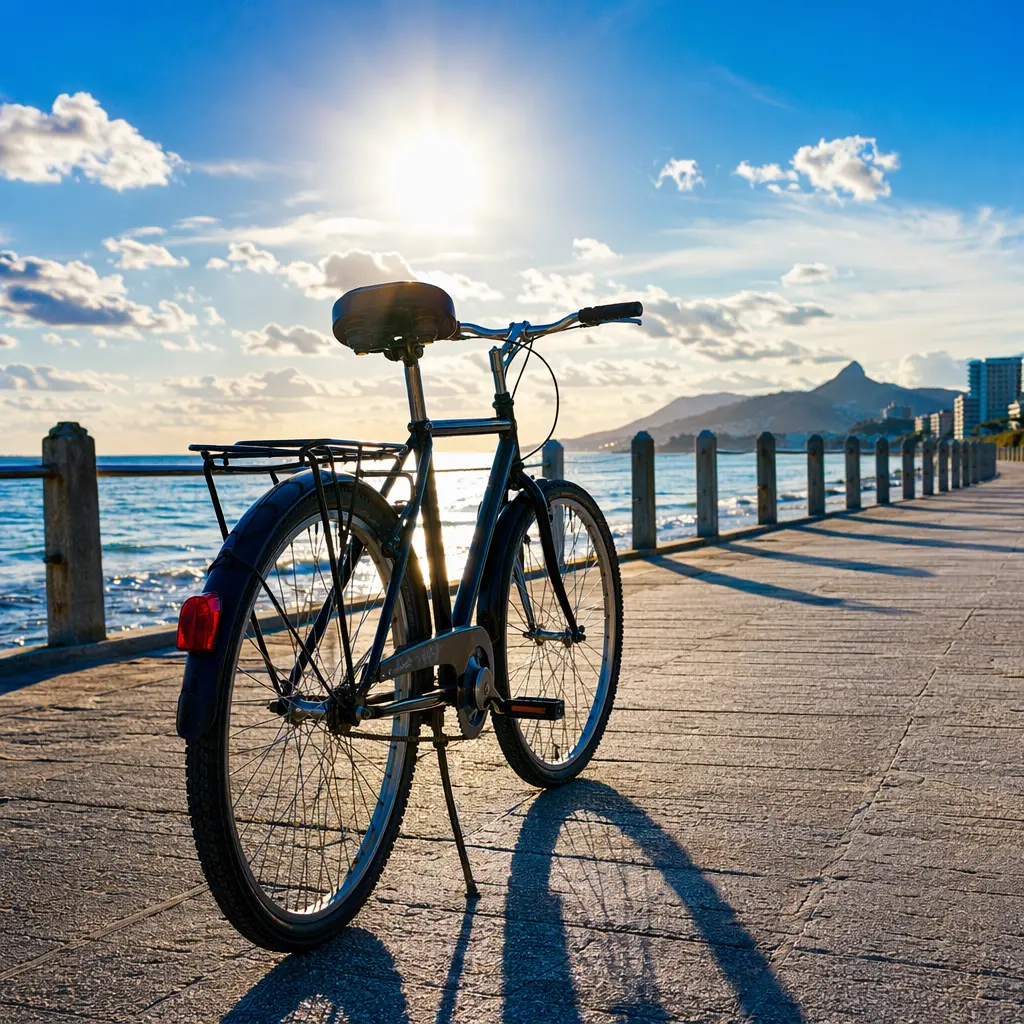
Within this price range, several commuter styles stand out for low upkeep. Each suits different routes and priorities, but all can be reliable daily tools if chosen carefully.
- Hub-gear commuters: Internal hub gears are sealed from the weather, meaning less cleaning and adjustment. They’re ideal for flatter cities and stop-start traffic.
- Single-speed or fixed-gear bikes: With very few moving parts, these are among the cheapest to maintain. Best for flatter routes and riders comfortable with limited gearing.
- Flat-bar hybrids with modest gearing: A practical middle ground, offering a comfortable position and enough gears for rolling terrain without excessive complexity.
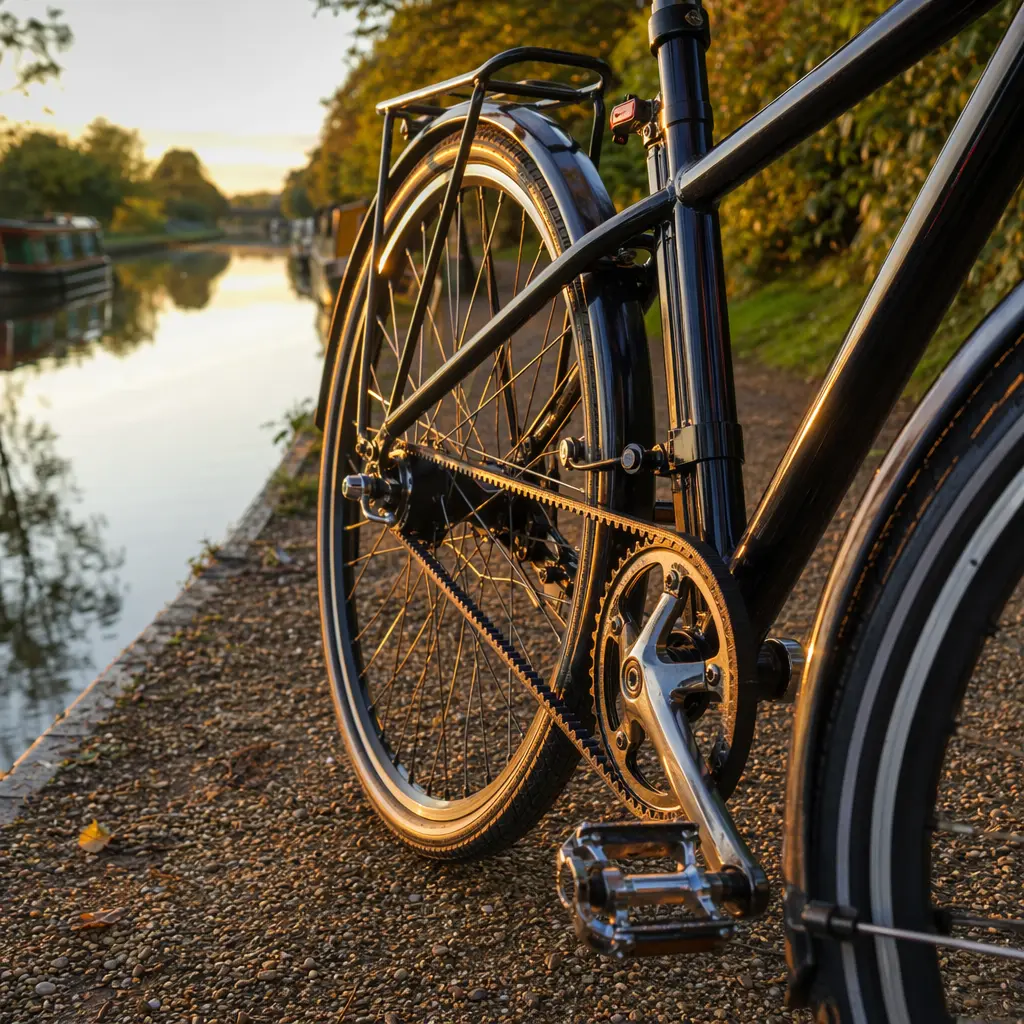
- Belt-drive options (where available): Belts don’t rust and last longer than chains, though replacement costs can be higher and availability more limited.
Frequently asked questions
Are disc brakes worth it for commuting?
For year-round UK commuting, disc brakes are a sensible choice. They perform better in wet conditions and reduce rim wear. Hydraulic systems need less frequent adjustment, while mechanical discs are easier to service at home.
How many gears do I really need?
Most commuters don’t need wide-range gearing. If your route is flat to gently rolling, a small number of well-spaced gears is cheaper to maintain and simpler to use than a complex multi-gear setup.
Do mudguards and racks matter?
Yes. Full-length mudguards keep you and your drivetrain cleaner, reducing wear. A rear rack allows panniers, which are more comfortable and cheaper long-term than wearing out backpacks.
Is it better to buy online or from a local bike shop?
Online bikes can be good value, but local shops add setup, sizing advice and after-sales support. For a commuter you rely on daily, that support can save money and downtime over time.
A low-upkeep commuter bike under £1,000 is about sensible choices rather than flashy features. Focus on simplicity, weather resistance and comfort, and you’ll end up with a bike that quietly does its job — day in, day out — without draining your time or wallet.
Find these on Amazon
As an Amazon Associate, CheapBikes earns from qualifying purchases.