Low‑maintenance commuter bikes: what actually saves money
A buyer’s guide to commuter bikes that cost less to run. Learn which gears, brakes and tyres cut servicing bills, what trade‑offs to expect, and how to choose a practical setup for UK riding.
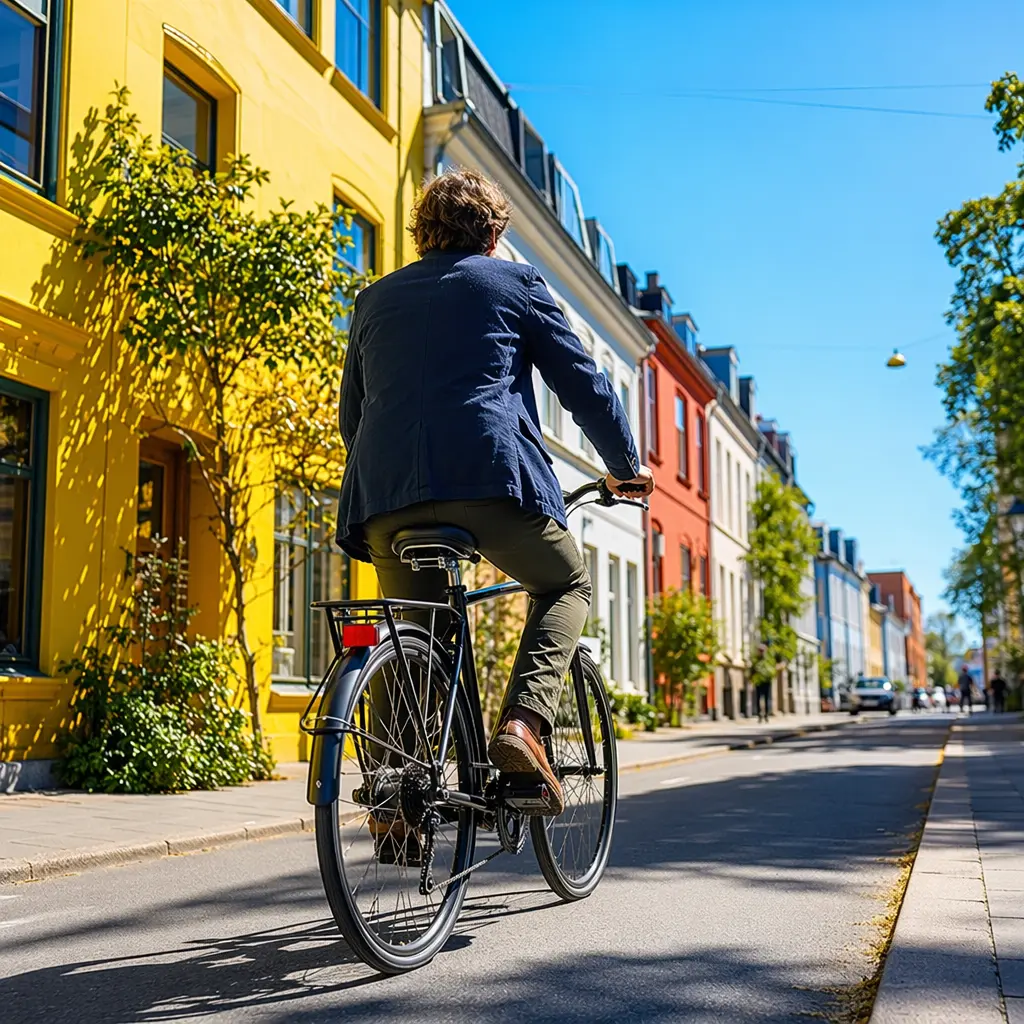
For daily commuting, the cheapest bike isn’t always the cheapest to own. Missed rides, frequent tune‑ups and worn parts add up quickly. This guide explains which commuter‑bike features genuinely cut servicing costs over time, and which “upgrades” mostly add complexity without real savings.
What to look for
Low maintenance comes from choosing simpler systems that tolerate bad weather and neglect. Focus on parts that wear slowly, stay adjusted for longer, and are cheap to replace when they finally do wear out.
- Gearing: Fewer moving parts mean fewer problems. Single‑speed or hub gears (3–8 speed) are sealed from the elements and rarely need adjustment. Wide‑range derailleur setups shift well but cost more to service.
- Frame material: Aluminium is corrosion‑resistant and light enough for carrying upstairs. Steel can be durable and repairable, but needs paint protection to avoid rust if stored outdoors.
- Brakes: Roller or hub brakes and basic rim brakes are cheap to keep going. Hydraulic discs offer strong stopping power but add bleed kits and workshop labour. Mechanical discs sit in the middle.
- Geometry: Upright commuter geometry reduces strain and helps you ride in everyday clothes, lowering the chance of costly fit tweaks later.
- Fit and sizing: A bike that fits reduces premature wear on saddles, tyres and drivetrain caused by inefficient pedalling.
- Weight: Ultra‑light parts wear faster and cost more. Mid‑weight commuter builds usually last longer and are cheaper to replace.
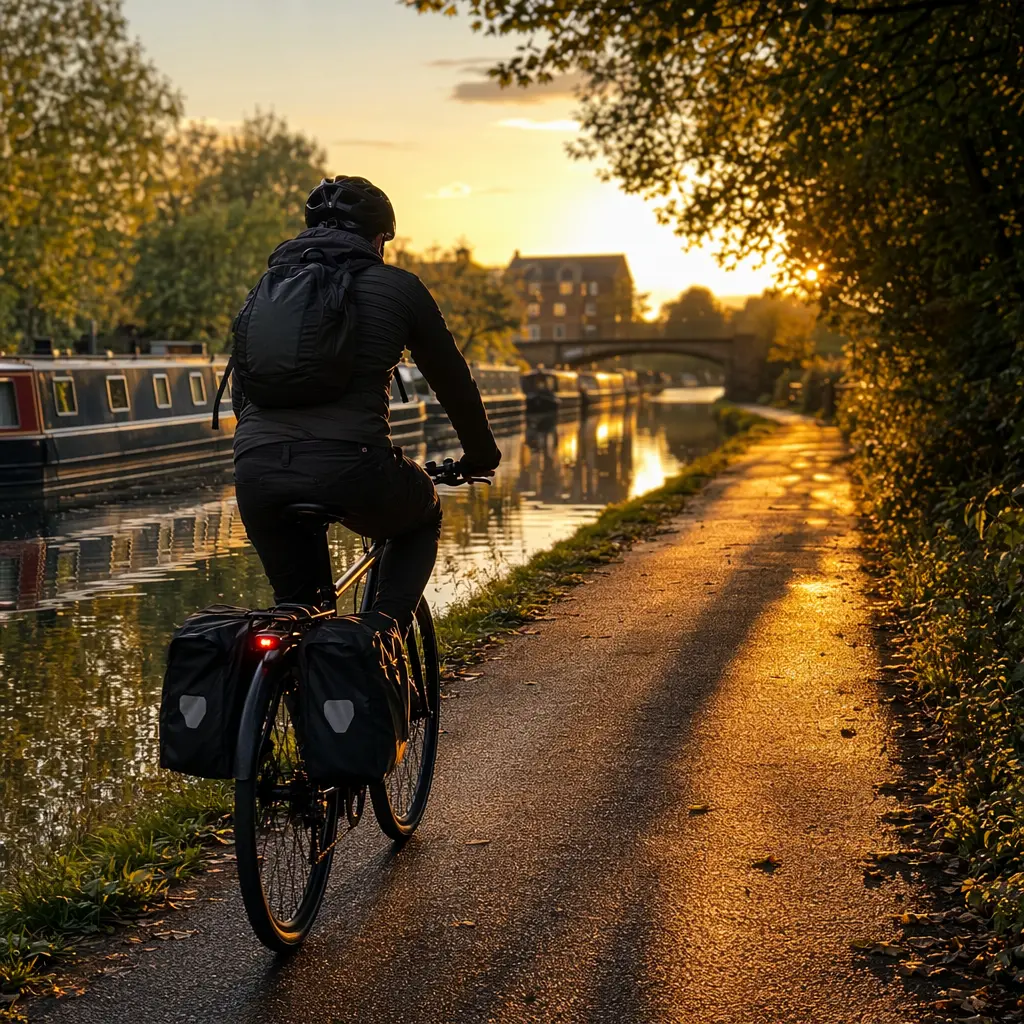
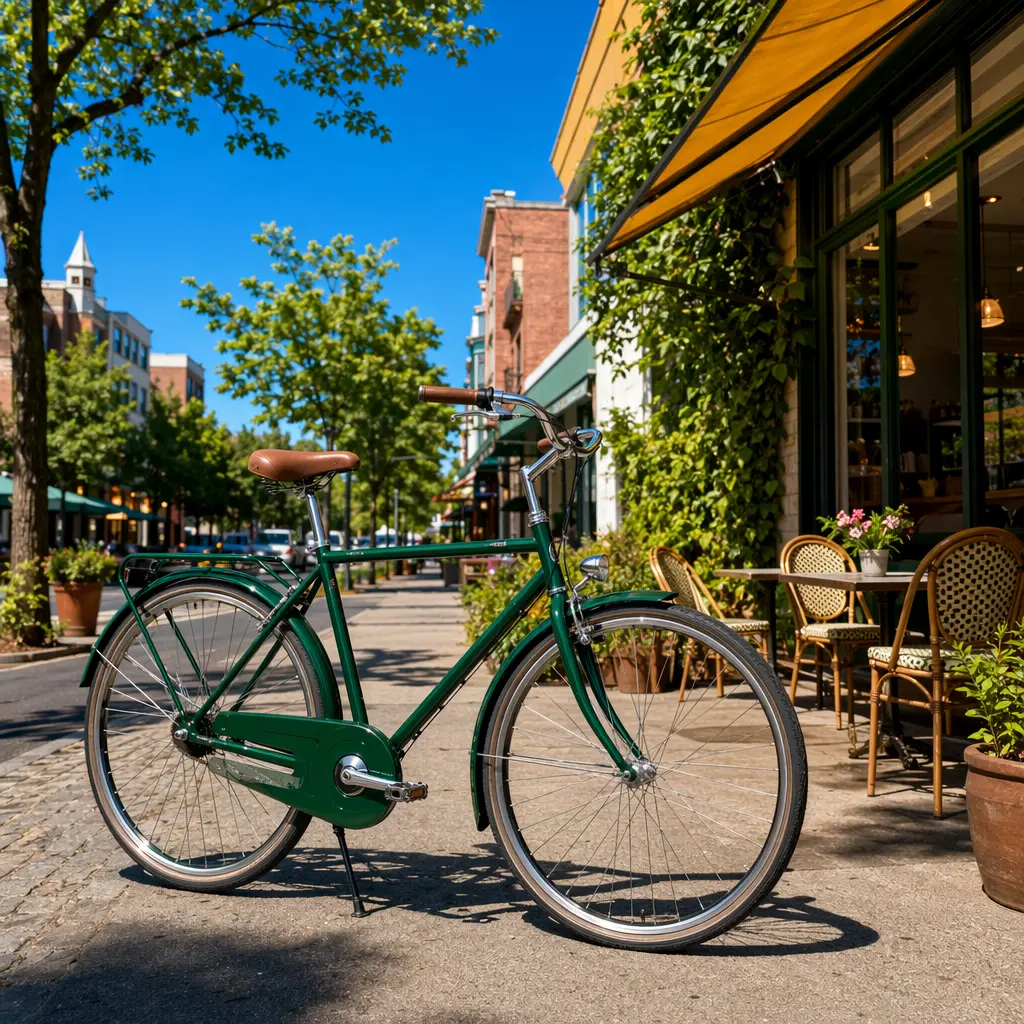
- Included accessories: Factory‑fitted mudguards, chain guards and racks protect components and save buying and fitting extras later.
Budget and what you're getting
Spending more upfront can reduce running costs, but only if the money goes into durability rather than complexity. At sensible commuter budgets, expect sturdy wheels, basic tyres and simple controls. You may not get featherweight frames or premium bearings, but you should get parts that tolerate winter grit and wet roads. Paying extra for sealed hubs, puncture‑resistant tyres and proper mudguards often saves more than flashy components that need regular attention.
Standout categories or types
Not all commuter bikes aim for the same balance of cost and convenience. These common categories differ in how much attention they need over a typical year of UK riding.
- Single‑speed and fixed‑gear commuters: Minimal parts, cheap chains and cogs, and quick cleaning. Best for flatter routes and riders happy to spin.
- Hub‑geared city bikes: Enclosed gears shrug off rain and road salt. Oil changes are infrequent, and shifting stays consistent, making them popular with year‑round commuters.
- Hybrid commuters with derailleur gears: Versatile and affordable, but expect more frequent cleaning and occasional adjustments, especially in winter.
- Belt‑drive setups: Higher upfront cost but no chain rust, no lubrication and long service life. Savings come over years rather than months.
Frequently asked questions
Are hub gears really cheaper to maintain?
For many commuters, yes. Hub gears are sealed, so they avoid the grit that wears chains and cassettes. Servicing is infrequent, and everyday upkeep is minimal.
Do disc brakes increase running costs?
Hydraulic discs usually do. Pads last well in the wet, but bleeding and parts can add cost. Mechanical discs or rim brakes are cheaper to service for most city riders.
Which tyres save the most money over time?
Puncture‑resistant commuter tyres cost more upfront but reduce inner tube replacements and roadside delays. Look for durable tread rather than ultra‑light casings.
Is a heavier bike more expensive to own?
Not necessarily. Slightly heavier commuter parts are often tougher and last longer. Ultra‑light components can wear faster and cost more to replace.
What accessories reduce maintenance?
Mudguards protect bearings and drivetrain, a chain guard keeps grit off the chain, and a rear rack avoids wearing a sweaty rucksack that can affect balance and control.
The best low‑maintenance commuter bike is simple, well‑fitted and protected from the elements. Choose durable gearing, sensible brakes and practical accessories, and you’ll spend less time in the workshop and more time getting where you need to go.
Find these on Amazon
As an Amazon Associate, CheapBikes earns from qualifying purchases.