Best commuter bikes under £600 for rough UK roads
A buyer’s guide to commuter bikes under £600 that suit broken tarmac, potholes and wet weather, focusing on comfort geometry, puncture resistance and dependable brakes.
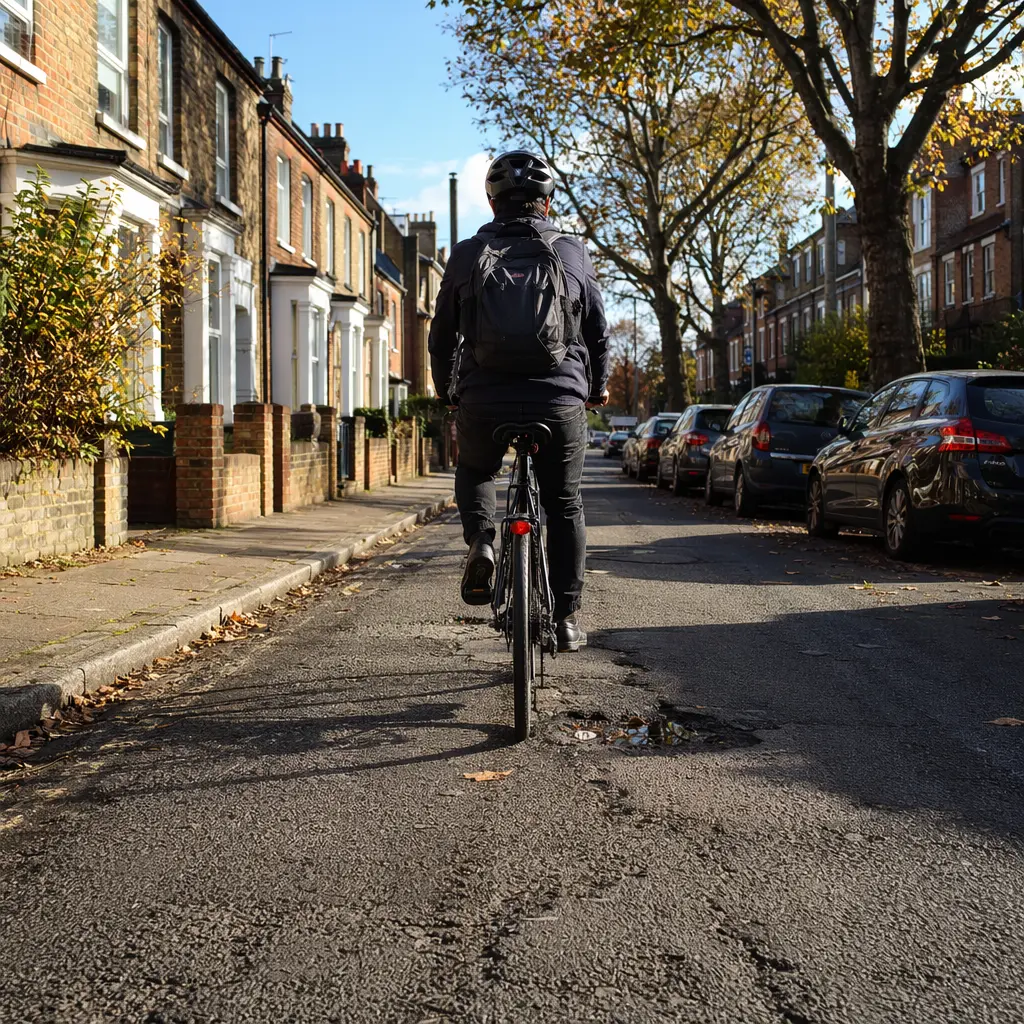
Rough UK roads make everyday cycling harder than it should be. Broken tarmac, drain covers and winter debris punish cheap wheels and harsh frames. If your budget is under £600, the aim isn’t speed or fancy kit—it’s comfort, reliability and brakes you can trust in the wet. This guide explains what matters at this price point and which types of commuter bike cope best with daily miles on imperfect surfaces.
What to look for
At under £600, smart choices matter more than chasing features. Prioritise parts that improve comfort and reduce hassle over time. The points below make the biggest difference on rough, wet roads.
- Gearing: Wide-range gears help when road surfaces sap momentum. Look for a sensible spread rather than lots of tiny steps.
- Frame material: Aluminium is common and keeps weight down; steel is heavier but often smoother over bumps.
- Brake type: Disc brakes (mechanical or hydraulic) offer more consistent stopping in the rain than rim brakes.
- Geometry: A more upright position reduces strain on wrists and back and gives better visibility in traffic.
- Fit: Correct frame size matters more than brand. A poor fit amplifies road shock and fatigue.
- Weight: Don’t obsess—durability matters more. A slightly heavier bike with tough wheels is often the better commuter.
- Included accessories: Mounts for mudguards and a rear rack are essential for year-round UK commuting.
Budget and what you're getting
Under £600 is a realistic budget for a dependable commuter, but there are trade-offs. Frames are usually aluminium, with basic finishing kit and heavier wheels. Tyres may be serviceable rather than puncture-proof, and lighting is rarely included. The upside is that you can still expect a sturdy frame, sensible gearing and disc brakes. Plan a small extra spend for tougher tyres, mudguards and a lock—those upgrades often matter more than shaving grams off the bike itself.
Standout categories or types
Not all commuter bikes handle rough roads equally. The categories below are the most common under £600, each with strengths and compromises.
- Hybrid (rigid fork): Often the best all-rounder. Wide tyres (32–40mm), calm handling and lower weight make them efficient yet comfortable.
- Hybrid with front suspension: Can soften sharp hits, but budget forks add weight and need maintenance. Many riders prefer wider tyres instead.
- Urban/gravel-style commuters: Drop-bar options exist at the top end of the budget. They can be comfortable with wide tyres but usually sacrifice accessories and upright posture.
- Steel commuters: Rarer at this price, but valued for ride comfort. Expect extra weight and simpler components.
Frequently asked questions
Are disc brakes worth it for commuting?
Yes. UK weather favours disc brakes because they maintain stopping power in rain and road grime. Mechanical discs are common under £600 and are easier to service; hydraulics feel better but may push the budget.
What tyre width is best for rough roads?
Wider tyres run at lower pressures smooth out broken tarmac. Aim for at least 32mm if clearance allows, with puncture-resistant casings for daily reliability.
Do I need front suspension?
For most commuters, no. A rigid fork with wider tyres is lighter, simpler and more efficient. Suspension can help on very poor surfaces but adds cost and maintenance.
Can these bikes take racks and mudguards?
Most commuter-focused frames include eyelets for mudguards and a rear rack. Always double-check before buying, as some sportier designs omit them.
Is it better to buy online or in-store?
In-store buying helps with sizing and setup, which is valuable for comfort. Online can be cheaper, but budget for a professional check-over and correct fit.
A good commuter bike under £600 won’t feel flashy, but it should feel reassuring. Focus on comfort-first geometry, dependable brakes and room for practical extras. Set it up well, fit robust tyres and it will handle rough UK roads with far less stress, day after day.
Find these on Amazon
As an Amazon Associate, CheapBikes earns from qualifying purchases.