Best commuter bikes under £1,000 for hills and headwinds
A practical buyer’s guide to commuter bikes under £1,000 that cope with steep climbs and blustery rides. Learn what gearing, fit and brakes matter most for confident, year‑round UK commuting.
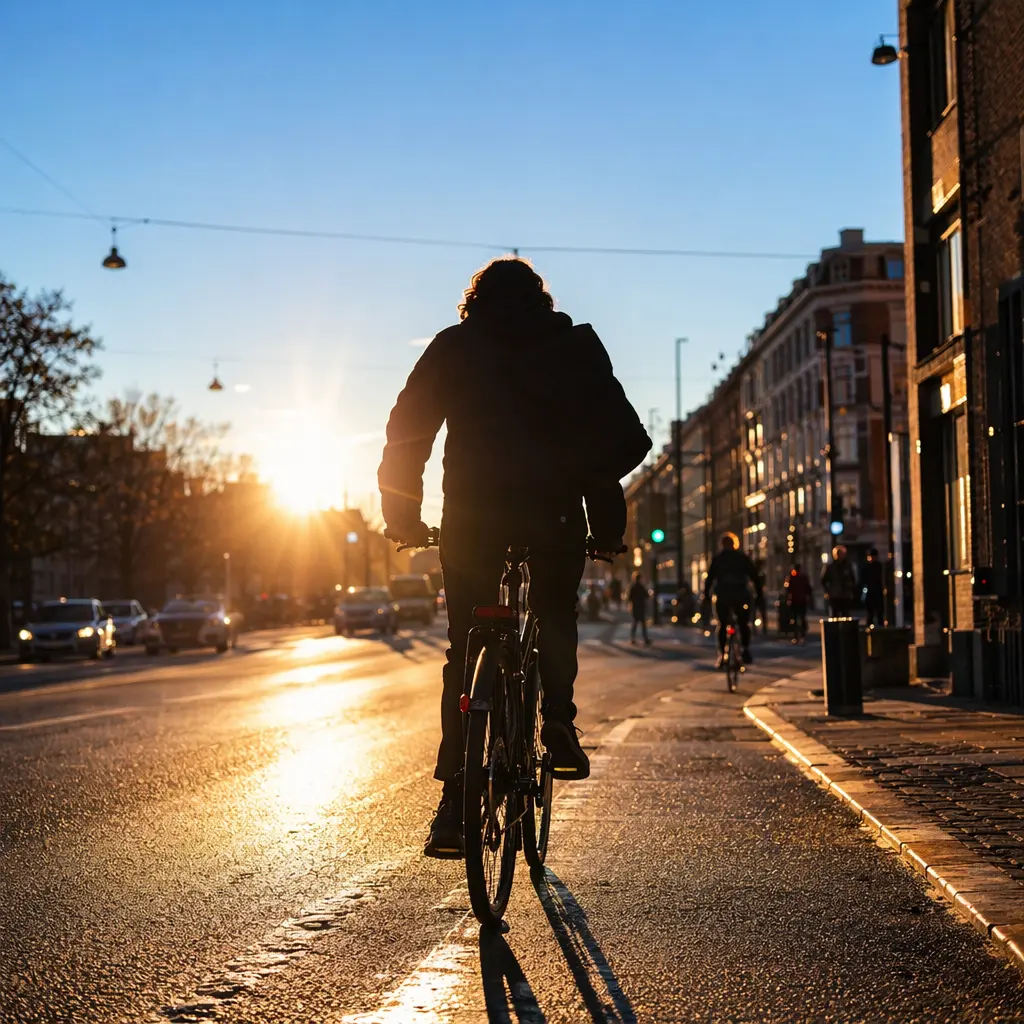
If your daily ride includes steep climbs, exposed roads and regular headwinds, not every commuter bike will feel up to the job. With a budget of £500–£1,000, you can buy a capable, reliable bike — but only if you prioritise the right features. This guide focuses on gearing range, riding position and brake confidence, helping UK commuters choose a bike that makes tough routes feel manageable rather than punishing.
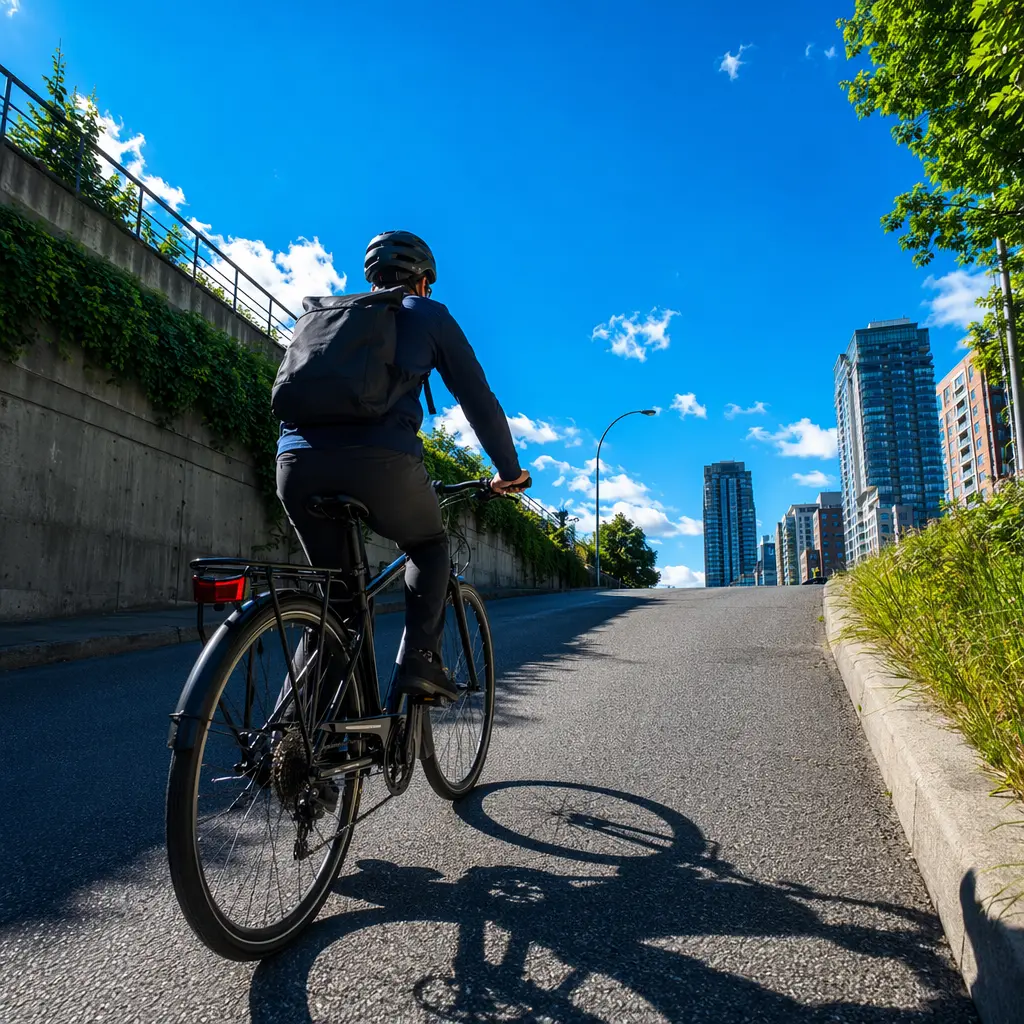
What to look for
Hills and headwinds expose weaknesses quickly. At this price point, you won’t get everything, so it pays to focus on the elements that most affect comfort and control when the ride turns hard.
- Gearing range: Look for wide-range gearing with a genuinely low bottom gear. Compact chainsets or single front rings paired with large cassettes help you spin uphill rather than grind.
- Frame material: Aluminium frames dominate this bracket and keep weight reasonable. Steel is rarer but can feel smoother over rough roads, at the cost of extra weight.
- Brake type: Hydraulic disc brakes offer the best confidence in wet, windy conditions. Mechanical discs are acceptable; rim brakes work but need more care in poor weather.
- Geometry and riding position: A slightly more upright position reduces strain into headwinds and improves visibility in traffic. Avoid overly stretched, race-style setups.
- Fit and sizing: Correct frame size matters more than small spec differences. Reach and stack should allow relaxed shoulders and steady control when climbing out of the saddle.
- Weight: Lighter bikes feel easier uphill, but don’t chase grams at the expense of durability. Anything around the mid-teens in kilograms is typical for commuters.
- Included accessories: Mudguard and rack mounts are extremely useful. Some bikes include mudguards, racks or dynamo lights, saving money later.
Budget and what you're getting
Between £500 and £1,000 is a strong value zone for commuting. You can expect dependable frames, sensible gearing and disc brakes, but components won’t be premium. Drivetrains may be heavier, wheels less lively and finishing kit basic. The upside is durability and easier maintenance. Spending towards the top end often improves braking quality and drivetrain range — both noticeable benefits on hilly, windswept routes.
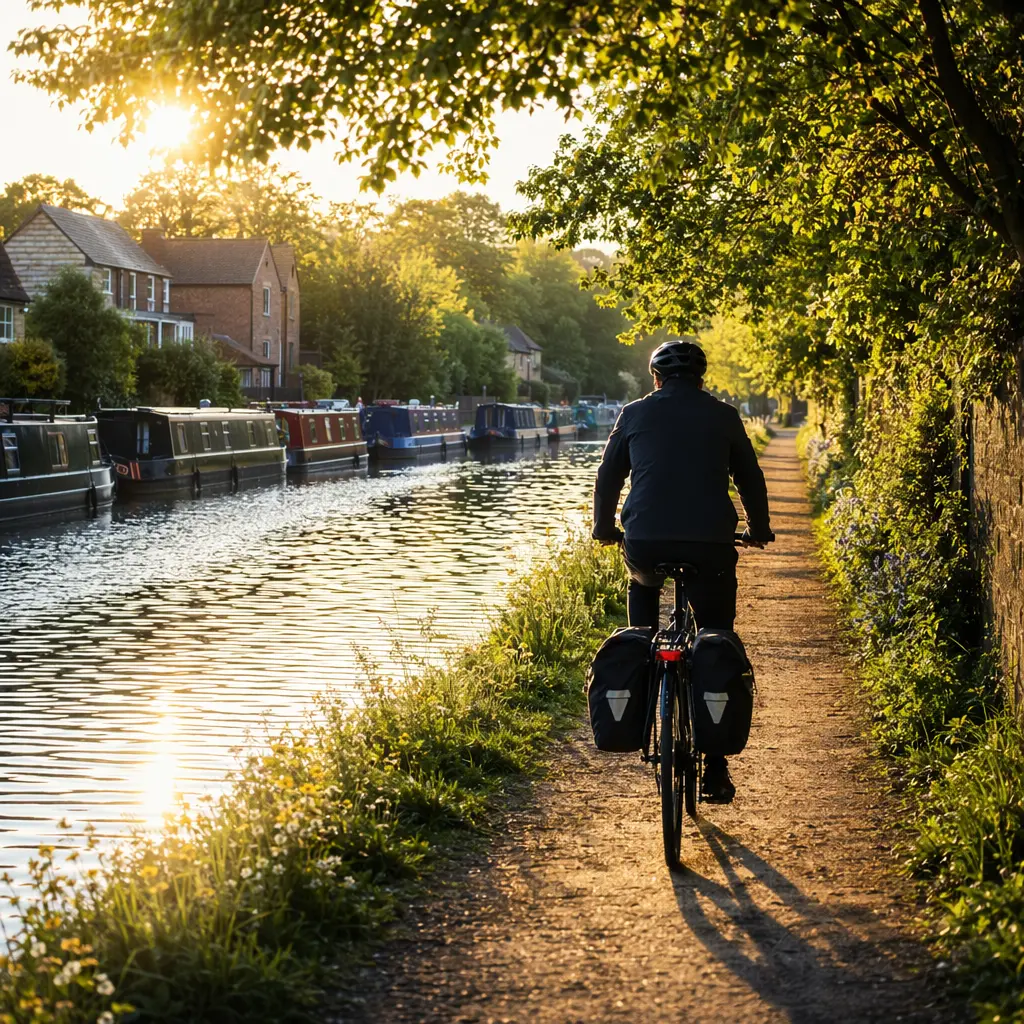
Standout categories or types
Most commuters under £1,000 fall into a few broad categories. Understanding the differences helps narrow your search.
- Hybrid commuters: Flat bars, moderate tyres and upright geometry make these the most versatile choice for hills and headwinds. They’re stable, practical and easy to fit with mudguards and racks.
- Flat-bar road bikes: Lighter and faster-feeling, with narrower tyres. They climb well but offer less comfort on rough surfaces and often have fewer accessory mounts.
- Internal-gear commuters: Hub gears are low-maintenance and weather-resistant. Gear range can be limited, so check the lowest ratio carefully if your route is steep.
Frequently asked questions
Are disc brakes really necessary for commuting?
They’re not essential, but they’re highly beneficial. Disc brakes maintain braking power in rain and road spray, which is common on UK commutes. This extra confidence matters when descending hills in windy conditions.
What gearing is best for steep hills?
Aim for a low gear that lets you pedal at a comfortable cadence while seated. Wide-range cassettes or smaller front chainrings help. If in doubt, choose lower gears — spinning is easier on knees and joints.
Do wider tyres help in headwinds?
Wider tyres don’t reduce wind resistance, but they improve comfort and grip. Lower pressures smooth rough roads, reducing fatigue so you cope better with sustained headwinds.
Is a lighter bike always better for hills?
Weight helps, but fit and gearing matter more. A well-fitted, slightly heavier bike with good low gears will feel easier uphill than a lighter bike that forces you to grind.
Can I upgrade later to improve hill performance?
Yes. Common upgrades include fitting a wider-range cassette, lighter tyres or better brake pads. These can noticeably improve climbing and control without replacing the whole bike.
For hilly, windy commutes, the best bike under £1,000 is one that prioritises sensible gearing, confident braking and a comfortable riding position. Focus on these fundamentals, and your daily ride will feel steadier, safer and far less draining — whatever the weather throws at you.
Find these on Amazon
As an Amazon Associate, CheapBikes earns from qualifying purchases.