Low-Maintenance Commuter Bikes Under £600 Explained
A practical guide to commuter bikes under £600, covering hub gears, durable tyres and brake choices that can cut servicing costs and make daily riding easier.
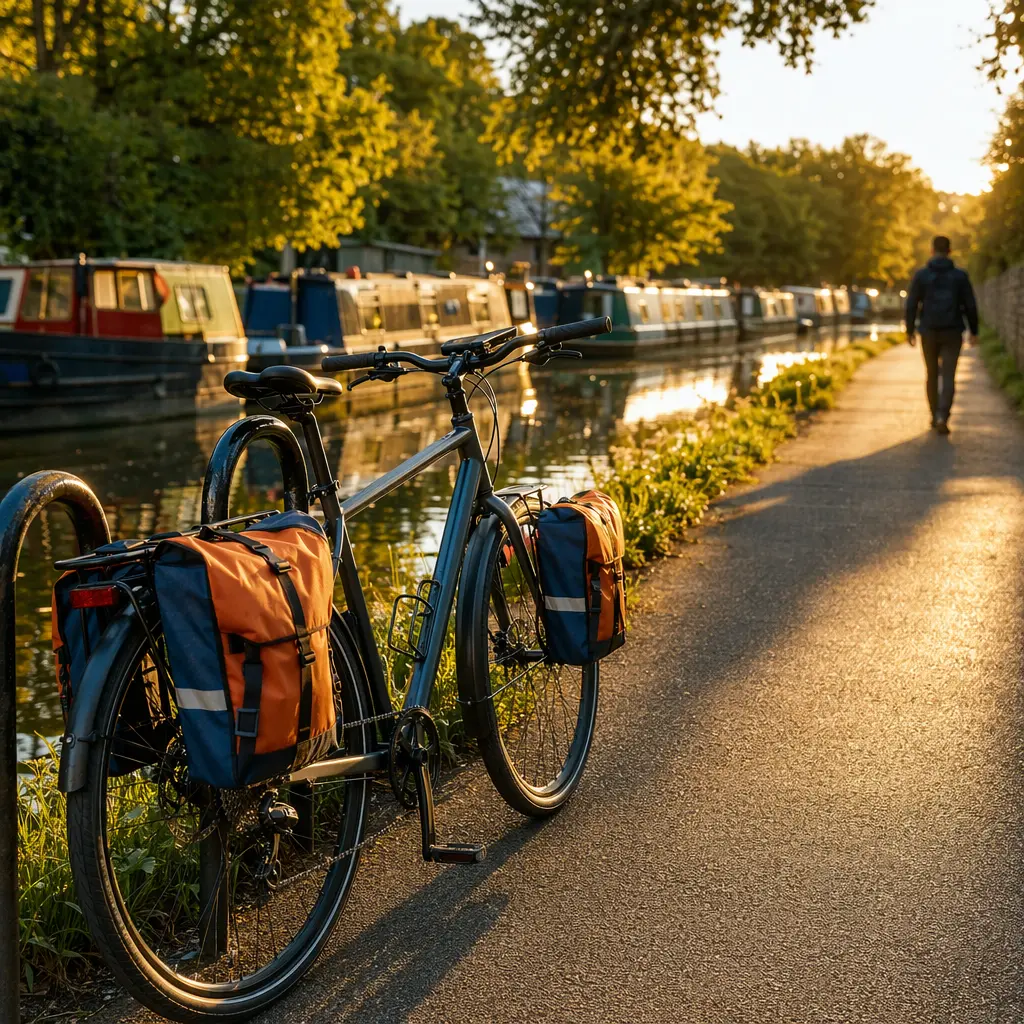
Commuter bikes under £600 can offer a surprisingly practical mix of durability, comfort and low running costs if you focus on the right features. For riders using a bike for daily trips to work, shops or the station, the cheapest purchase price is not always the best value over time. Tyres that resist punctures, enclosed gearing and reliable brakes can reduce workshop visits and replacement parts, making day-to-day cycling cheaper and easier to live with.

What to look for
A low-maintenance commuter bike should prioritise reliability over outright speed or sporty styling. Everyday riding in UK weather quickly exposes weak parts, especially if the bike is stored outdoors or used through winter. Simple components that cope with rain, grit and potholes are often the better investment in this price range.
- Hub gears need less cleaning and adjustment than exposed derailleur systems and work well for stop-start town riding.
- Mechanical disc brakes cope better with wet weather than basic rim brakes, although quality V-brakes can still be inexpensive and easy to maintain.
- Puncture-resistant tyres may feel slightly heavier but can save money and frustration over time.
- Aluminium frames resist rust and keep weight sensible for carrying upstairs or onto trains.
- Relaxed geometry with a more upright position improves comfort and visibility in traffic.
- Check whether mudguards, pannier mounts, lights or a kickstand are included, as accessories add to the real cost.
- A sensible fit matters more than chasing the lightest bike in this budget range.
Budget and what you're getting
Under £600, most commuter bikes focus on practicality rather than premium parts. That usually means heavier wheels, simpler drivetrains and fewer lightweight materials compared with more expensive city bikes. Hub gears in this range are normally basic three-speed or seven-speed systems rather than high-end sealed units, but they still reduce maintenance compared with exposed derailleurs. Hydraulic disc brakes are less common at the lower end of the budget, while mechanical discs and dependable V-brakes are more realistic. Some bikes include mudguards and rear racks as standard, which can represent better overall value than buying accessories separately.
Standout categories or types
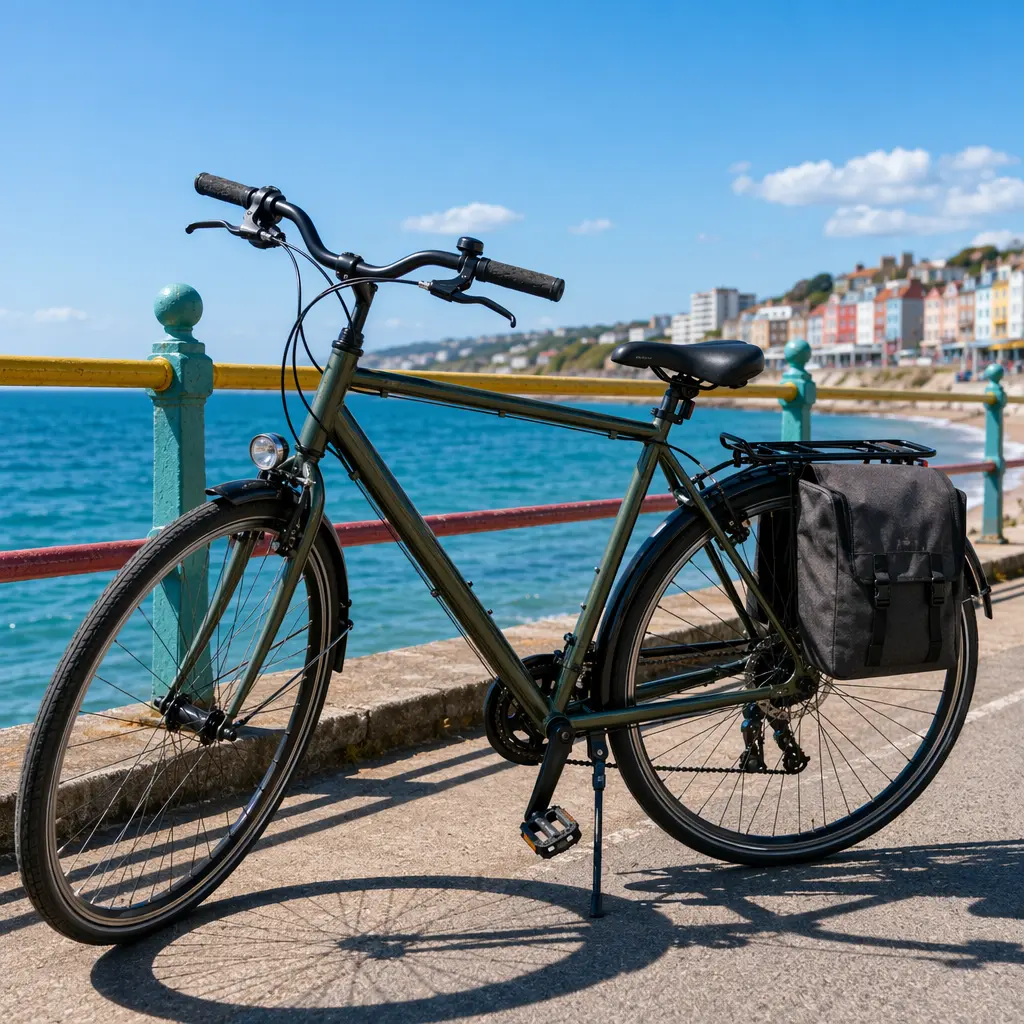
Hub-gear commuter bikes are one of the strongest choices for riders trying to minimise upkeep. Because the gears are sealed inside the rear hub, they stay cleaner in wet weather and need less adjustment than derailleur systems. They also allow shifting while stationary, which is useful at traffic lights. The trade-off is slightly more weight and fewer gear options for steep hills.
Single-speed bikes are another low-maintenance option for flatter towns and shorter commutes. With fewer moving parts, they are cheap to service and easy to clean. However, riders in hillier areas may find them hard work over longer distances. Traditional derailleur-equipped hybrids remain common under £600 because they offer wide gearing and lower purchase prices, though they need more regular cleaning and drivetrain replacement over time.
- Rigid forks are usually lighter and simpler to maintain than front suspension forks on commuter bikes.
- Steel frames can feel comfortable on rough roads but are often heavier than aluminium alternatives.
- Belt-drive systems are very low maintenance but remain uncommon below £600.
- Wider tyres improve comfort and grip while reducing the risk of pinch punctures on rough urban roads.
Frequently asked questions
Are hub gears worth it on a commuter bike?
For many city riders, yes. Hub gears reduce exposure to dirt and road spray, which lowers maintenance needs. They are especially useful for year-round commuting and bikes stored outside.
Do disc brakes need less maintenance than rim brakes?
Mechanical disc brakes usually perform more consistently in wet weather and reduce rim wear, but they still need occasional adjustment. Basic V-brakes are cheaper to maintain and easier for home mechanics to service.
What tyres are best for reducing running costs?
Puncture-resistant commuter tyres with reflective sidewalls are a strong choice for everyday riding. They are often heavier than sporty tyres but can greatly reduce punctures and tyre replacements.
Is a lighter commuter bike always better?
Not necessarily. A slightly heavier bike with stronger wheels, mudguards and durable tyres may cope better with daily commuting and require fewer repairs over time.
Should a commuter bike come with accessories included?
Included mudguards, racks and lights can improve value because buying and fitting them separately adds cost. Commuter-ready bikes are often more practical straight out of the box.
A commuter bike under £600 can still be economical to own if the focus stays on durability and practical equipment rather than sporty upgrades. Reliable tyres, weather-resistant gearing and sensible accessories often save more money in the long run than chasing the lightest frame or highest number of gears.
Find these on Amazon
As an Amazon Associate, CheapBikes earns from qualifying purchases.