Kids’ bikes under £400: safety features that matter most
A buyer’s guide to kids’ bikes under £400, cutting through sizing charts to focus on the safety basics that really count: brakes, weight, durability and fit for UK riding.
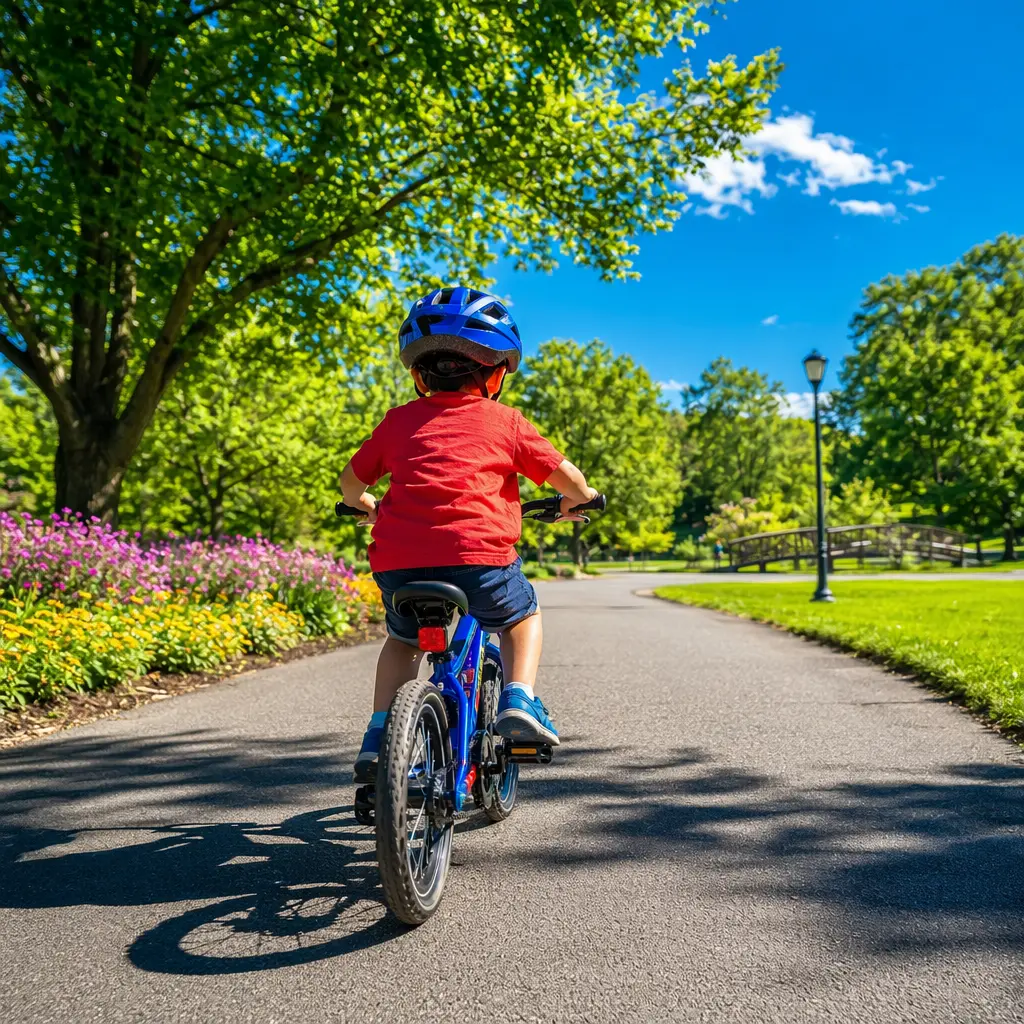
Buying a kids’ bike on a £300–£400 budget can feel confusing. Sizes change quickly, marketing buzzwords get in the way, and it’s not always clear which features genuinely affect safety. This guide focuses on the practical things that matter most for UK riding: how the bike stops, how heavy it is, how tough it will be, and whether it actually fits the child who’ll ride it.
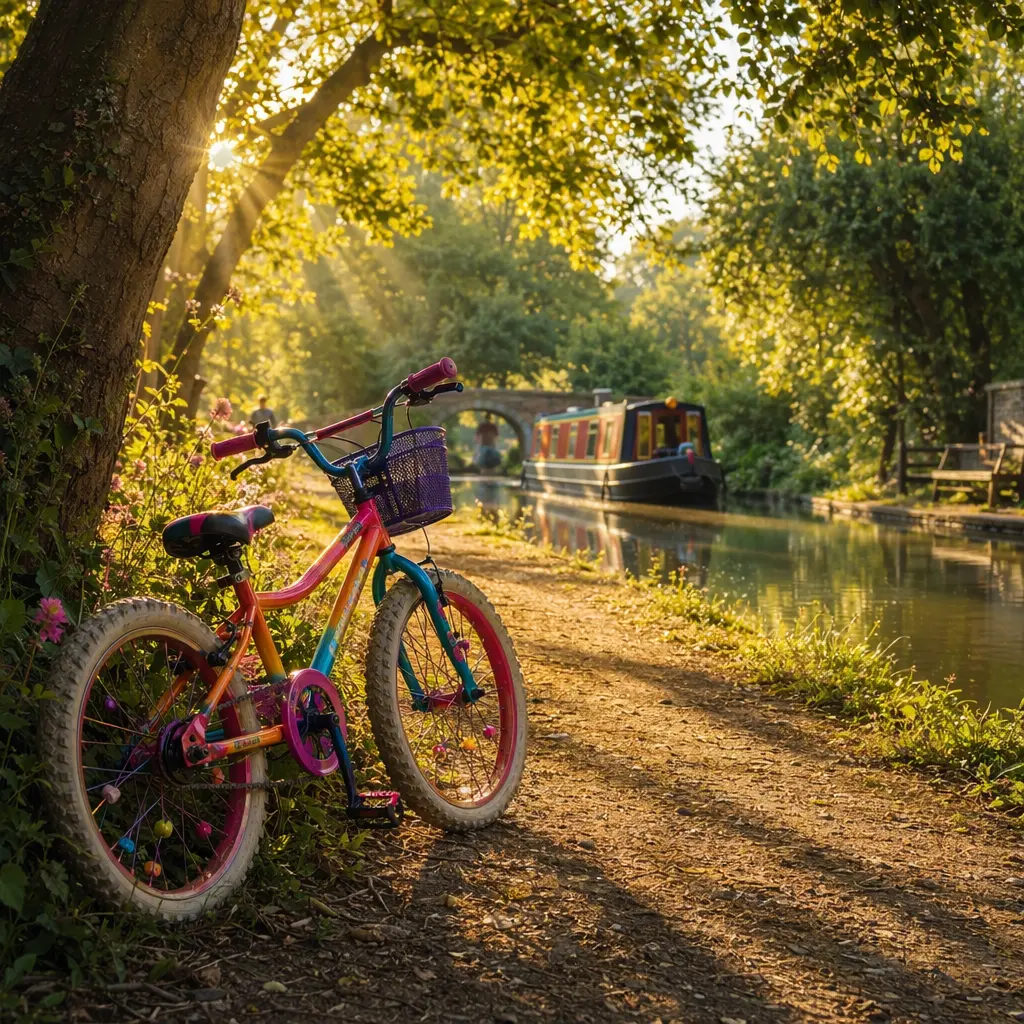
What to look for
At this price point, safety comes from simple, well-chosen components rather than advanced technology. A lighter, well-fitted bike with reliable brakes is usually safer than a heavier bike with extra features that don’t get used.
- Brakes: Proper, child-sized brake levers are crucial. Look for V-brakes or mechanical disc brakes that can be pulled easily with small hands. Avoid brakes that feel stiff or grabby.
- Weight: Lighter bikes are easier to control, start and stop. Under £400, aluminium frames are common and usually lighter than steel. Avoid unnecessary suspension, which adds weight without much benefit for most kids.
- Frame material: Aluminium resists rust and keeps weight down. Steel can be durable but is often heavier at this budget.
- Gearing: Many younger riders are safer on single-speed bikes. If gears are included, a simple rear derailleur with a limited range is easier to manage than complex multi-ring systems.
- Geometry: An upright riding position improves balance and visibility. Look for a low standover height so feet can touch the ground easily.
- Fit: Correct wheel size matters more than age labels. Check standover clearance, reach to the handlebars, and that the saddle can be adjusted low enough.
- Included accessories: Mudguard mounts, a chainguard, and reflectors add everyday safety. Lights are rarely included, but mounting points are useful.
Budget and what you’re getting
Under £400, you should expect a solid, safe bike rather than something ultra-light or race-focused. Components are usually entry-level but functional, and finishing kit like saddles and grips may be basic. The trade-off is value: spend less on suspension and flashy looks, and more on a lighter frame and dependable brakes. For many families, £300–£400 is the sweet spot where safety and durability meet without paying for features a child may outgrow quickly.
Standout categories or types
Most kids’ bikes under £400 fall into a few clear categories. Understanding these helps you avoid paying for the wrong thing.
- Rigid bikes (no suspension): Often the best choice. They’re lighter, simpler, and easier for children to control on pavements, cycle paths and park trails.
- Front-suspension bikes: Commonly marketed as ‘mountain bikes’, but the suspension is often heavy and offers little real benefit at this price. Better suited to older, heavier riders.
- Single-speed vs geared: Single-speed bikes are lighter and lower maintenance. Gears help on hills but add complexity and require adjustment.
- All-rounders with mounts: Bikes with rack or mudguard mounts can adapt as a child grows, making them more practical for school rides or family trips.
Frequently asked questions
Are disc brakes safer for kids?
Mechanical disc brakes can offer consistent stopping in wet weather, but only if the levers are easy to pull. Well-set-up rim brakes are often just as safe for lighter riders.
How important is bike weight for safety?
Very important. A lighter bike is easier to start, stop and steer, which helps children react quickly. Excess weight can make a bike harder to control, especially at low speeds.
Should I buy a bike my child can grow into?
Some adjustment is fine, but an oversized bike is harder to control and less safe. It’s better to buy the right size now and sell or pass it on later.
Do kids’ bikes need suspension for safety?
For most UK riding, no. Smooth tyres, correct pressure and good brakes matter far more than basic suspension units.
A safe kids’ bike under £400 doesn’t need to be complicated. Focus on fit, low weight and reliable braking, and you’ll get a bike that’s easier to ride, easier to stop, and more enjoyable to use every day. Those basics do more for safety than any headline feature.
Find these on Amazon
As an Amazon Associate, CheapBikes earns from qualifying purchases.