What to Look for in a Kids’ Bike Under £500 (UK Guide)
A clear, no-hype guide for UK parents choosing a kids’ bike under £500. Covers sizing, weight, brakes, gears and durability so you can buy with confidence.
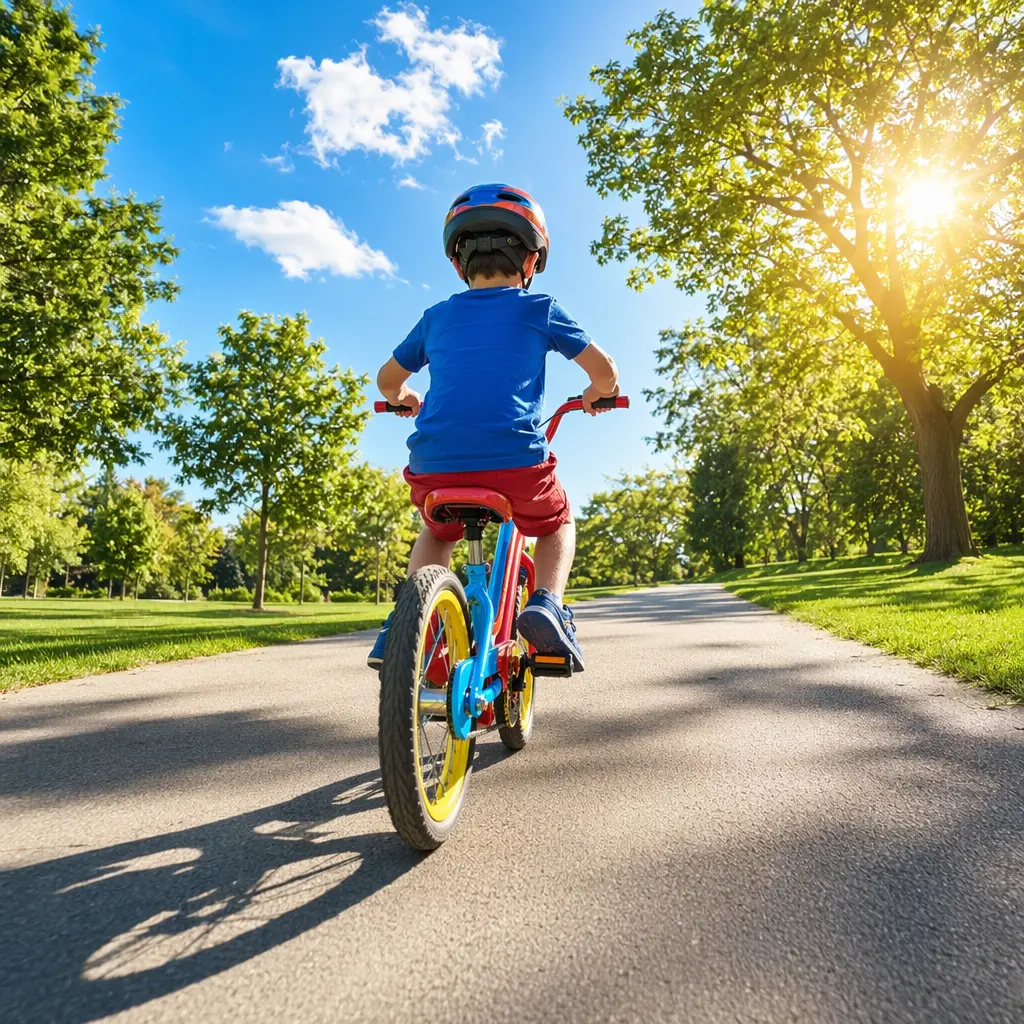
Buying a kids’ bike can feel surprisingly complicated. Sizes don’t match adult bikes, weights vary wildly, and features that sound useful can actually make riding harder. With a budget of £300–£500, UK parents can get a genuinely good bike — but only if the basics are right. This guide focuses on the key things that affect how safe, comfortable and enjoyable a bike will be for your child, without getting lost in brand hype.
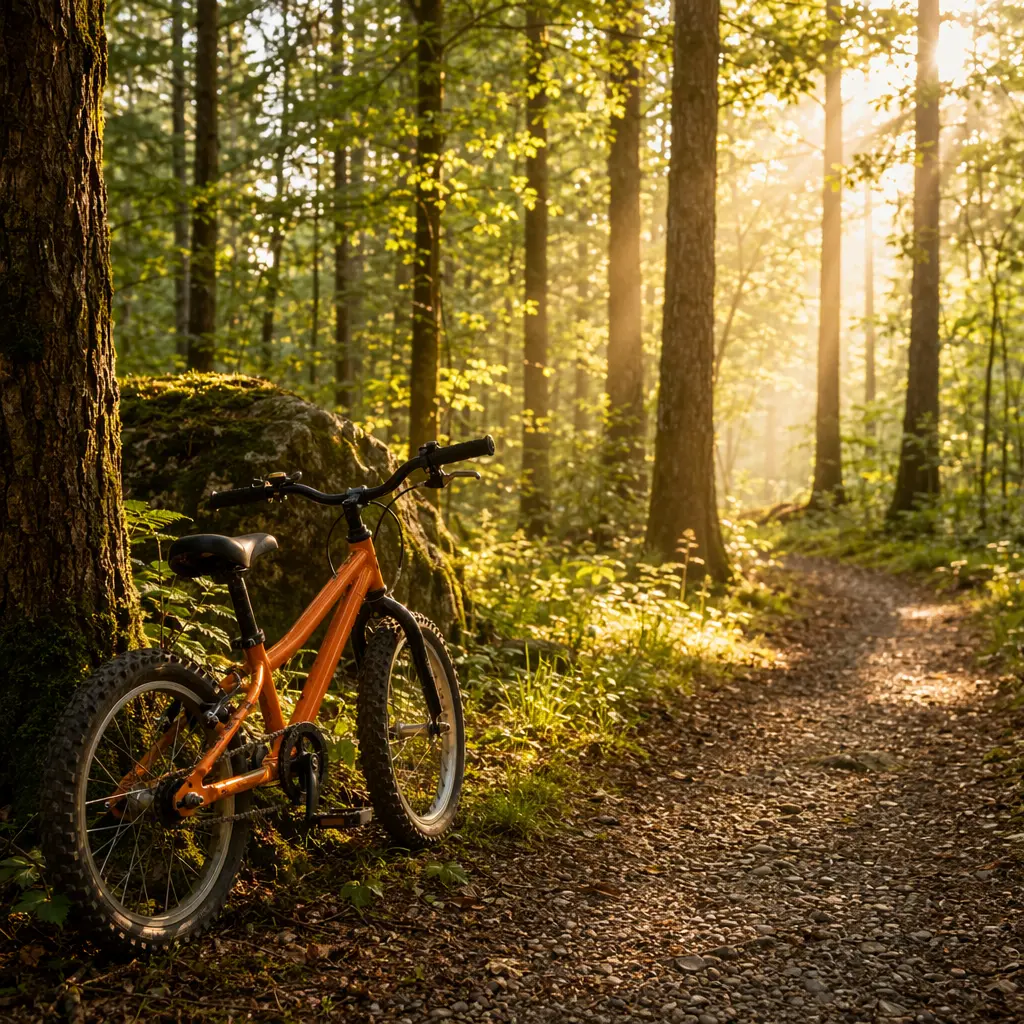
What to look for
At this price point, the best kids’ bikes focus on fit, low weight and simple, reliable components. Fancy extras matter far less than a bike your child can control easily and ride with confidence.
- Sizing first, always: Kids’ bikes are sized by wheel diameter (e.g. 16", 20", 24"). Match this to your child’s height and inside leg, not their age. A bike that’s too big will be harder to handle and slower to learn on.
- Weight: Lighter bikes are easier to start, stop and manoeuvre. Under £500, look for sensible weight savings through aluminium frames and simpler parts. Avoid bikes that feel heavy when you lift them.
- Brakes: Rim brakes are common and perfectly fine for younger riders if set up well. For older children, cable-operated disc brakes offer better wet-weather performance without the complexity of hydraulics.
- Gearing: Younger riders often do best with a single speed or a small range of gears. For 20" and 24" bikes, 6–8 gears with a simple twist or thumb shifter are usually plenty.
- Frame material: Aluminium is the most common choice under £500 — light, rust-resistant and low maintenance. Steel frames can be tougher but are usually heavier.
- Geometry and reach: Kids need shorter reach to the handlebars and a more upright position. Long, stretched frames designed like adult bikes can be uncomfortable.
- Tyres: Medium-width tyres with a little tread add grip and comfort on UK paths, parks and canal towpaths. Ultra-slick tyres limit where the bike feels confident.
- Included accessories: Mudguards, a chain guard or kickstand can be useful, but they add weight. Decide what you actually need rather than paying for extras.
Budget and what you're getting
Spending £300–£500 puts you in a strong middle ground. You should expect a well-finished frame, decent brakes and reliable gears that won’t need constant adjustment. What you won’t usually get are ultra-light racing components, hydraulic discs, or high-end suspension. That’s not a problem for most kids — in fact, simpler bikes often help them progress faster. The key trade-off is weight versus toughness: lighter bikes cost more, while cheaper options tend to be heavier but very durable.
Standout categories or types
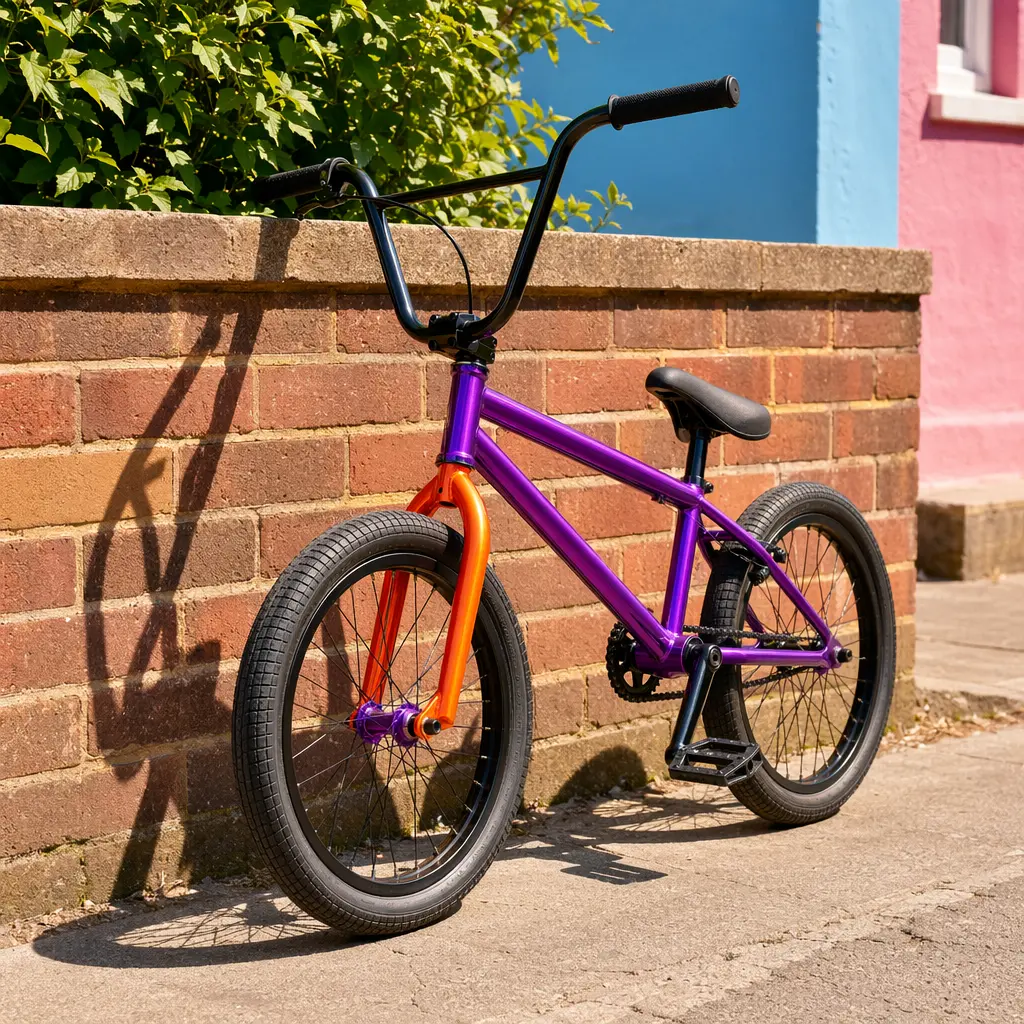
Within the kids’ bike market under £500, there are a few broad styles to be aware of. Choosing the right one depends on where and how your child will ride.
- Simple city or park bikes: Often rigid (no suspension), lighter and easier to pedal. Ideal for pavements, cycle paths and school runs.
- Trail-style kids’ bikes: Chunkier tyres and sometimes front suspension. They look fun, but suspension adds weight and often doesn’t work well at this price.
- Single-speed vs geared: Single-speed bikes suit younger or less confident riders. Gears make sense once hills and longer rides are involved.
- Rigid vs suspension forks: A rigid fork keeps weight down and steering predictable. Entry-level suspension can be heavy and offer little real benefit.
Frequently asked questions
Is £500 too much for a kids’ bike?
Not necessarily. A well-chosen bike at this price can last several years, be passed down to siblings, or hold its value if sold on. Comfort and confidence often matter more than outright cost.
Should I buy a bike my child can grow into?
It’s tempting, but a bike that’s too big is harder to control and can put children off riding. Aim for a fit that allows growth without compromising safety.
Are disc brakes better for kids?
Disc brakes perform better in the wet, but good rim brakes are lighter and easier for small hands to use. Cable discs are a reasonable middle ground for older kids.
Do kids need suspension?
Usually not. Tyres provide most of the comfort kids need. Cheap suspension adds weight and complexity without much benefit on typical UK riding surfaces.
What about second-hand bikes?
Second-hand can be excellent value if the bike is in good condition and the right size. Check brakes, tyres and drivetrain carefully, and budget for a service if needed.
A kids’ bike under £500 should make riding fun, not frustrating. Focus on fit, manageable weight and simple, reliable parts, and you’ll avoid most common buying mistakes. With the basics right, your child is far more likely to enjoy riding — and keep coming back for more.
Find these on Amazon
As an Amazon Associate, CheapBikes earns from qualifying purchases.