Kids’ bikes for confident riders aged 8–11
A plain-English guide for parents choosing bikes for confident 8–11 year olds. Covers sizing, weight, gears and brakes, plus what you realistically get at different budgets.
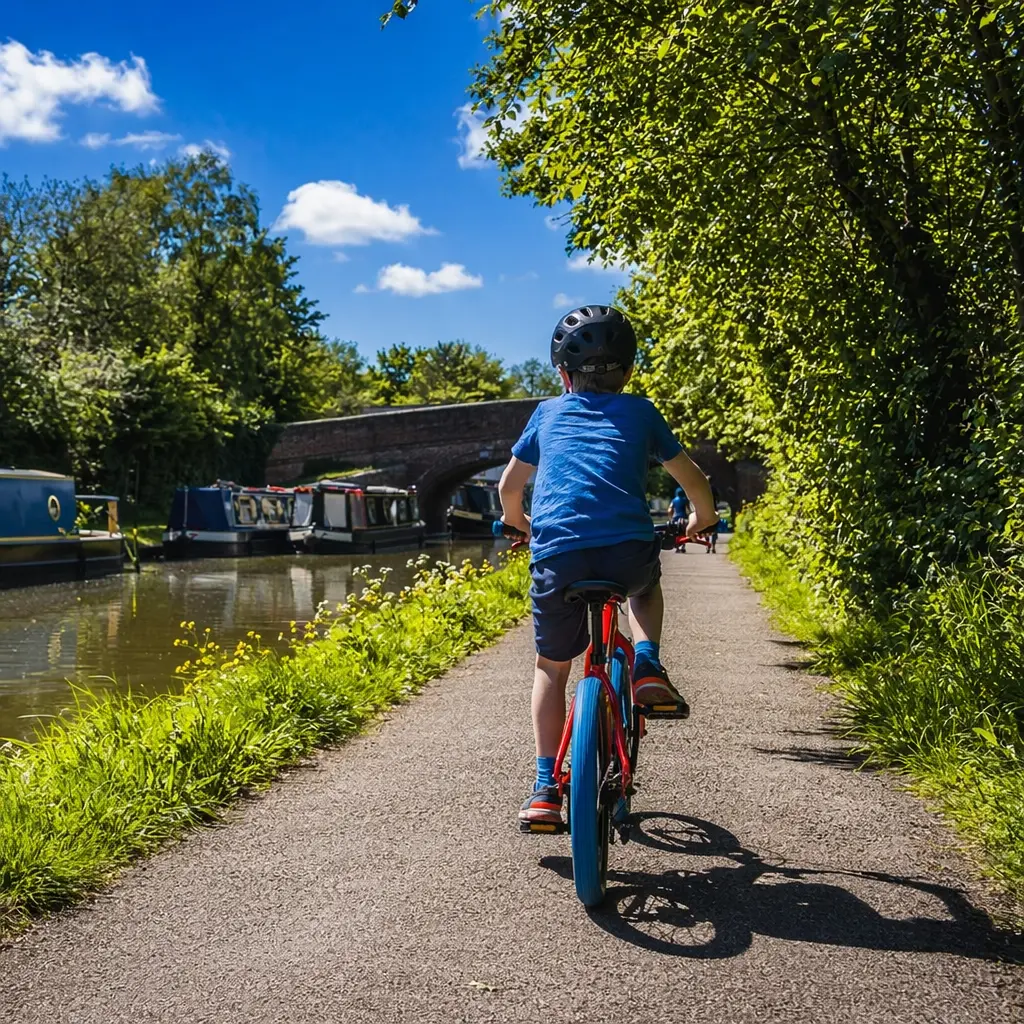
By ages 8–11, many children are ready for a ‘proper’ bike. They’re riding further, tackling small hills, and starting to care how a bike looks and feels. For parents, the challenge is balancing size, weight and gears with a budget that makes sense for a fast-growing rider.
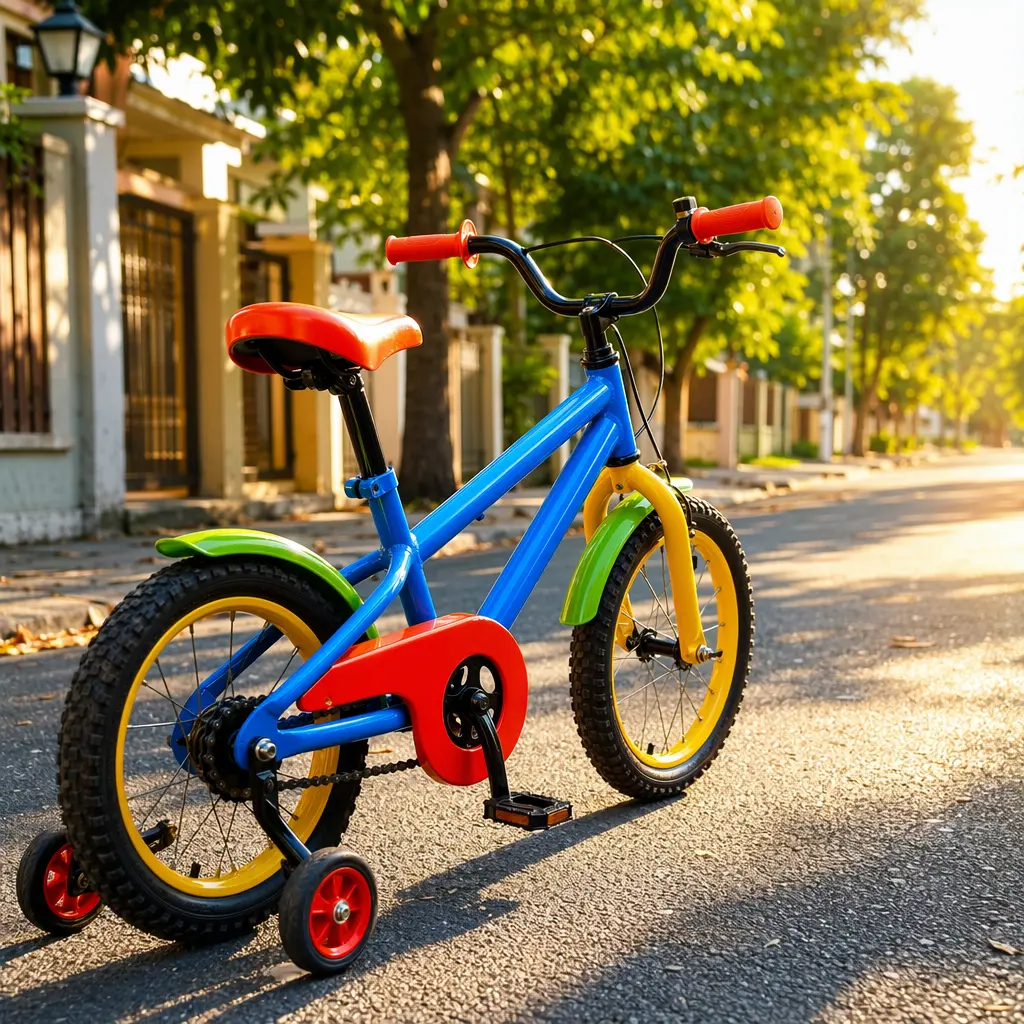
What to look for
At this age, small differences in spec can make a big difference to confidence and enjoyment. Focus on fit and usability first, then worry about extras.
- Wheel size: most 8–11 year olds suit 24-inch wheels, but height and inside-leg matter more than age
- Frame material: aluminium is common and keeps weight down; steel can be tougher but usually heavier
- Weight: a lighter bike is easier to control, especially when starting and stopping
- Gears: simple 6–8 speed systems are usually enough; avoid overly complex setups
- Brake type: V-brakes are lighter and easier for small hands; mechanical disc brakes add stopping power but more weight
- Geometry: an upright position builds confidence and visibility in traffic-free riding
- Fit and adjustability: look for a wide saddle-height range and adjustable stem or bars
- Included accessories: mudguards, a kickstand or rear rack are useful but add weight
Budget and what you're getting
In the kids’ market, price often reflects weight and component quality. Entry-level bikes tend to be heavier, with basic gears and brakes, but they’re perfectly usable for school runs and weekend rides. As you spend more, bikes get lighter, shifting becomes smoother and finishing kit fits smaller riders better. The key trade-off is longevity: children grow quickly, so paying for high-end parts rarely delivers long-term value unless the bike can be passed down.
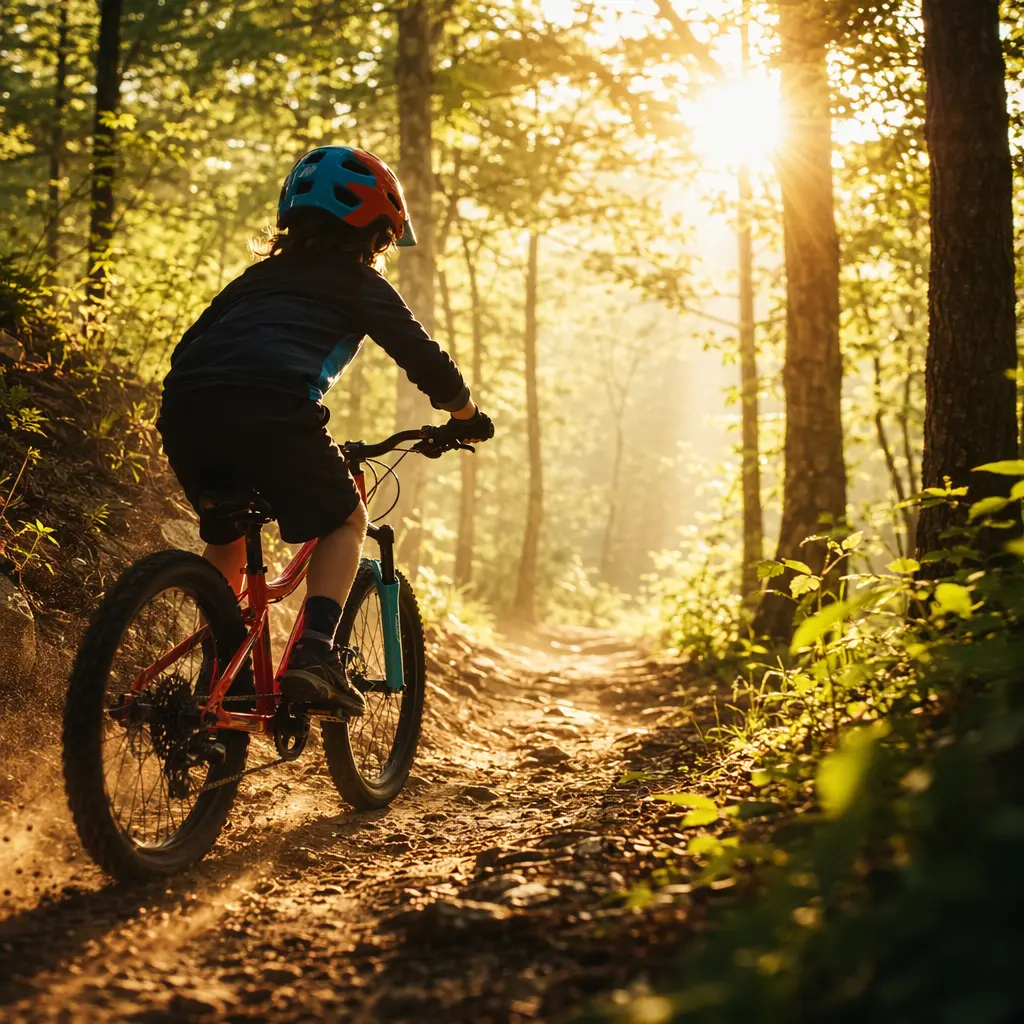
Standout categories or types
Most confident riders in this age range are best served by a general-purpose bike, but there are a few clear sub-types worth knowing about.
- All-rounder kids’ bikes: rigid frames and forks, lighter weight, ideal for paths, roads and parks
- Front-suspension kids’ bikes: look the part off-road but add weight; only worthwhile if riding rough trails
- Road-style or ‘fast’ kids’ bikes: slimmer tyres and lighter builds for longer family rides
- Mountain-style bikes: chunkier tyres and lower gears, good for forest tracks and mixed terrain
Frequently asked questions
Is 24-inch always right for 8–11 year olds?
Not always. Many children in this age group fit 24-inch wheels, but shorter riders may still suit 20-inch, while taller children might be ready for a small adult frame. Height and inside-leg are the best guides.
Do kids really need gears?
For confident riders, yes. Gears make hills manageable and longer rides more enjoyable. Keep it simple: fewer gears mean less maintenance and easier learning.
Are disc brakes better for children?
Disc brakes stop well in wet conditions, but they add weight and can be harder for small hands to modulate. Well-set-up V-brakes are often a better match at this age.
How long should a kids’ bike last?
Typically 1–3 years, depending on growth. Look for a bike that fits now with room for saddle adjustment, rather than buying oversized and hoping they grow into it.
A good kids’ bike supports independence and keeps riding fun. Focus on fit, manageable weight and simple, reliable components. Get those right, and your child is far more likely to keep riding as they grow.
Find these on Amazon
As an Amazon Associate, CheapBikes earns from qualifying purchases.