What to Look for in a Kid’s First Pedal Bike
A clear UK buyer’s guide to choosing a child’s first pedal bike, focusing on fit, weight, brakes and gears so young riders feel confident, safe and keen to ride.
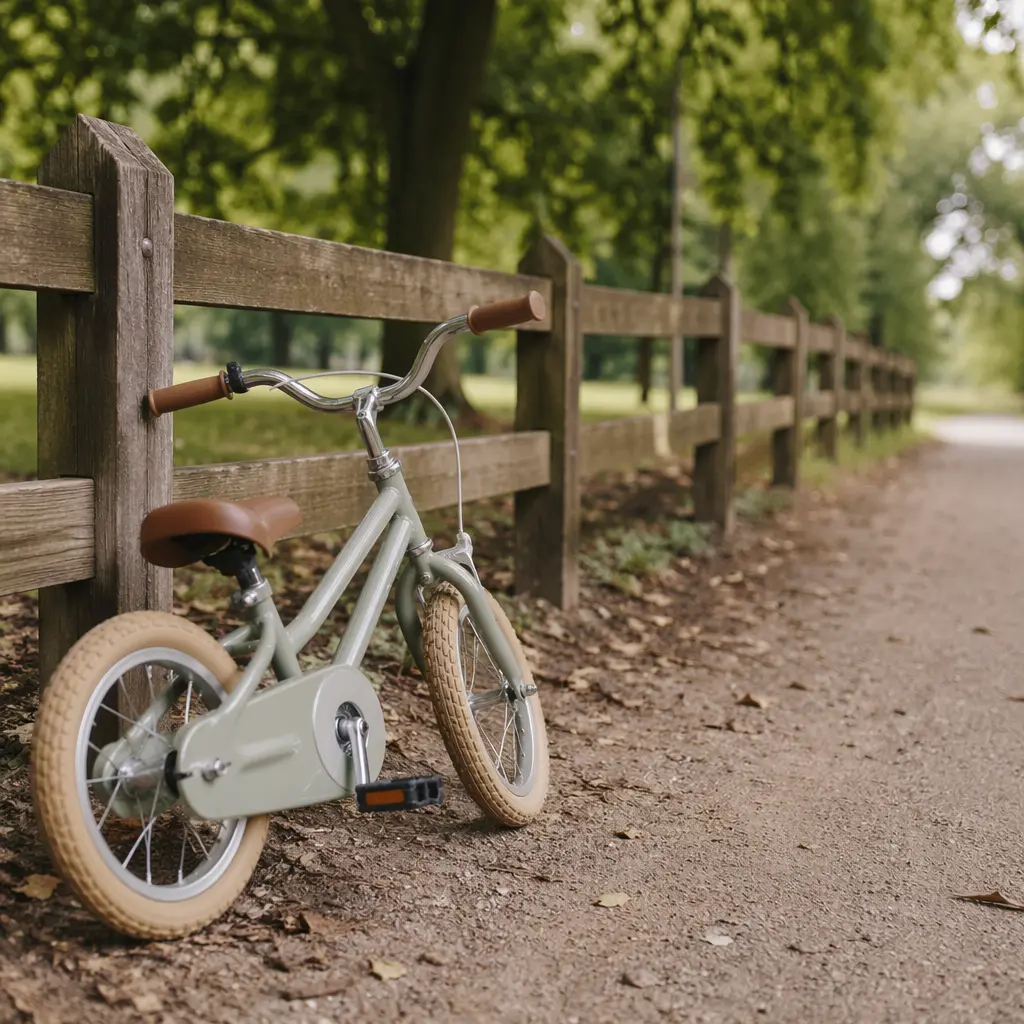
Buying a child’s first pedal bike can feel surprisingly tricky. Sizes aren’t standardised, kids grow fast, and small details like brake reach or bike weight can make the difference between a confident rider and a frustrated one. This guide breaks down what actually matters, so you can choose a bike that’s safe, manageable and enjoyable from day one.
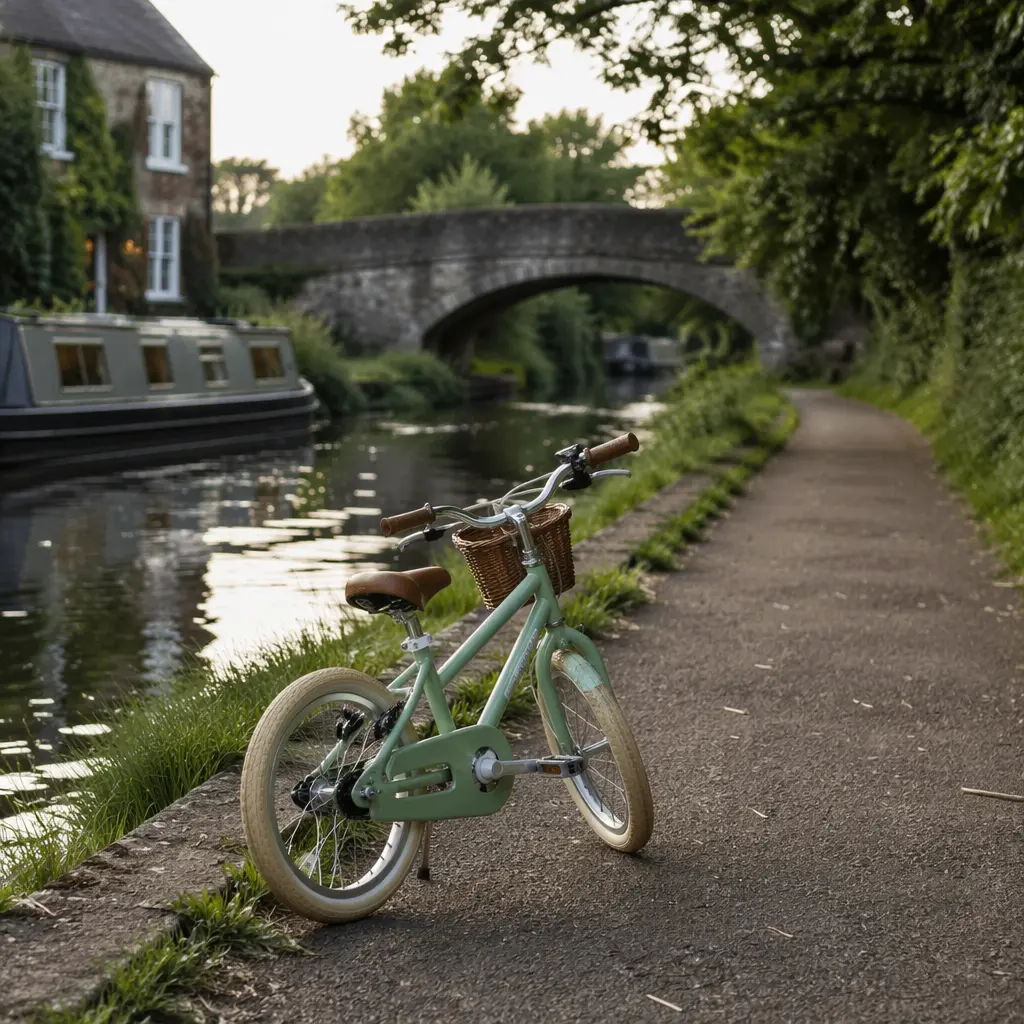
What to look for
For a first pedal bike, simplicity and fit matter more than fancy features. The aim is to help your child focus on balance, steering and stopping, without fighting the bike itself.
- Correct size and fit: Wheel size (often 12, 14, 16 or 20 inch) is only a guide. Check your child can sit on the saddle with at least one foot flat on the ground, and reach the handlebars comfortably.
- Low overall weight: A lighter bike is easier to control, start, stop and pick up after a wobble. Heavy bikes can knock confidence quickly.
- Brakes they can use: Look for child-specific brake levers with short reach. One brake (usually rear) is often enough at first; two is fine if levers are easy to pull.
- Simple gearing: Many first pedal bikes are single-speed, which keeps things straightforward. If gears are included, fewer is better, with a simple twist shifter.
- Frame material: Aluminium frames are common and light. Steel can be tougher but usually heavier.
- Child-friendly geometry: An upright riding position, low stand-over height and slightly swept-back bars help with balance and visibility.
- Tyres and wheels: Grippy tyres with some width add stability and comfort. Avoid very narrow, high-pressure tyres for beginners.
- Included accessories: Mudguards, chainguards and reflectors are practical extras. A full chainguard protects clothes and fingers.
Budget and what you’re getting
At the lower end of the price range, expect heavier frames, basic components and simpler finishing kit. That’s not necessarily a problem for short rides and learning basics, but weight and brake quality are often where corners are cut. Spending a bit more typically brings a lighter frame, smoother brakes and better-fitting controls, which can make learning noticeably easier. Very high-end features aren’t essential for a first pedal bike, but avoiding the very cheapest options can save frustration.
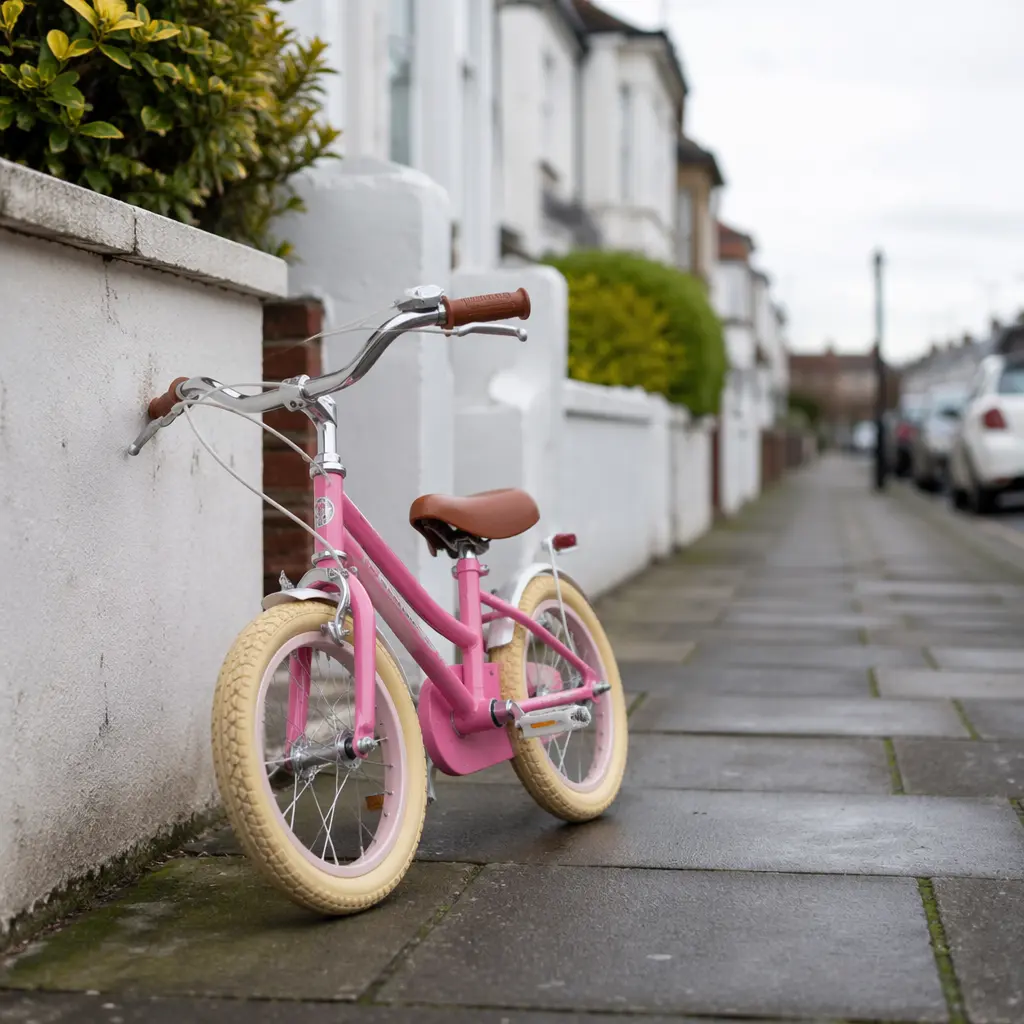
Standout categories or types
Most first pedal bikes fall into a few broad categories, each with pros and cons depending on your child and where they’ll ride.
- Single-speed starter bikes: Light, simple and low-maintenance. Ideal for learning balance and braking without extra distractions.
- Geared kids’ bikes: Useful if you live in a hilly area or your child is a bit older and confident. Keep the number of gears low.
- Bikes with stabilisers: Can help some children, but many learn faster by starting on a balance bike or skipping stabilisers altogether.
- Front-suspension kids’ bikes: Often heavy and unnecessary for beginners. On-road and park riding is usually better served by a rigid fork.
Frequently asked questions
What size bike does my child need?
Use wheel size as a starting point, but always check stand-over height and saddle adjustment. A child should be able to touch the ground easily when seated. When in doubt, size down.
Are stabilisers a good idea?
Stabilisers can help some children feel secure, but they don’t teach balance. Many kids transition faster by starting on a balance bike or by learning to pedal without stabilisers on flat ground.
Do kids really need gears?
For flat areas and younger riders, no. Single-speed bikes are easier to manage. Gears can help older or stronger children, especially in hilly areas.
How important is bike weight?
Very important. A lighter bike is easier to start, steer and stop, and easier for an adult to carry when needed. Weight has a big impact on confidence.
A well-chosen first pedal bike should feel inviting rather than intimidating. Prioritise fit, low weight and easy-to-use controls, and your child is far more likely to enjoy riding and build skills quickly. The right bike won’t just get them moving – it’ll help them want to keep going.
Find these on Amazon
As an Amazon Associate, CheapBikes earns from qualifying purchases.