Kids’ bikes under £500: weight vs durability explained
A clear buyer’s guide for parents choosing kids’ bikes under £500. Learn how lighter frames compare with tougher builds for school runs, weekend rides and growing riders.
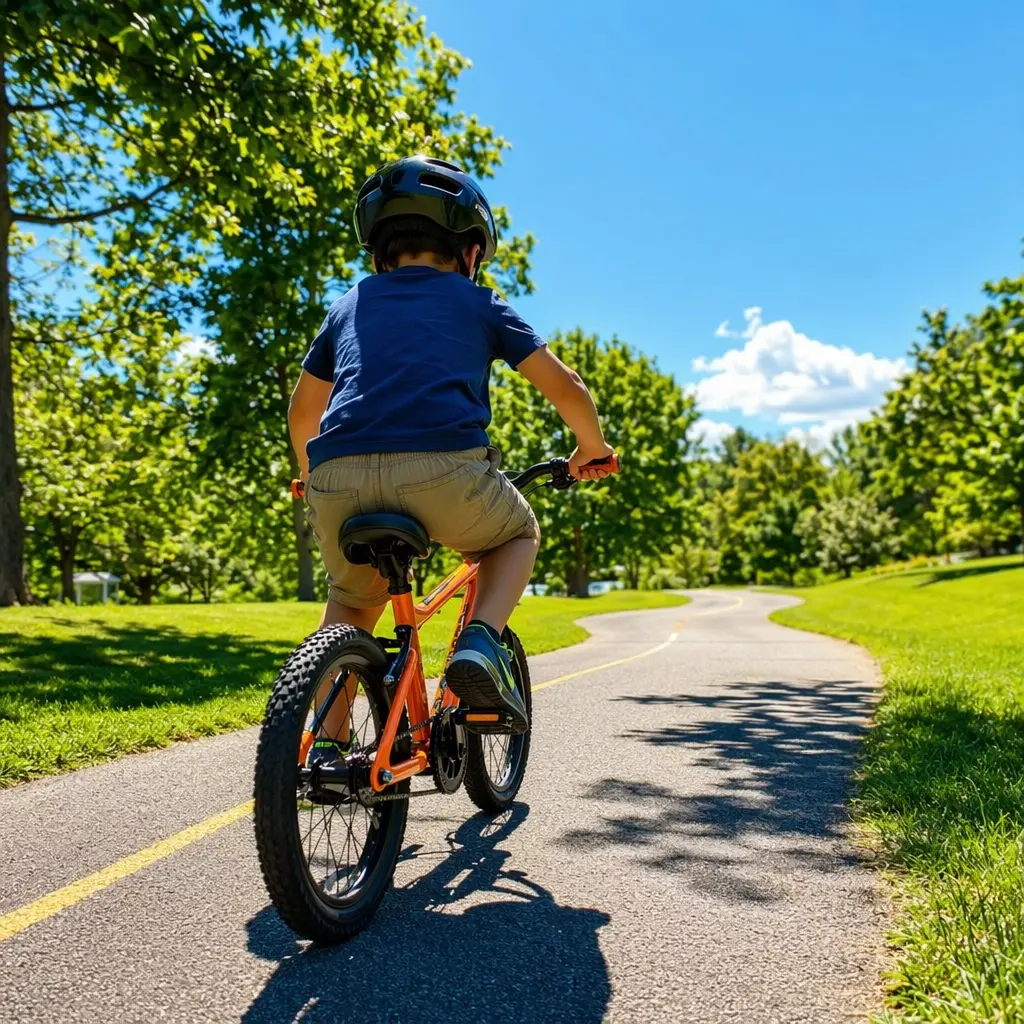
Buying a kids’ bike under £500 often comes down to one key question: should you prioritise a lighter bike that’s easy to ride, or a tougher one that can handle daily knocks? For school runs, weekend rides and fast-growing riders, getting the balance right matters more than chasing the lightest number on a spec sheet.
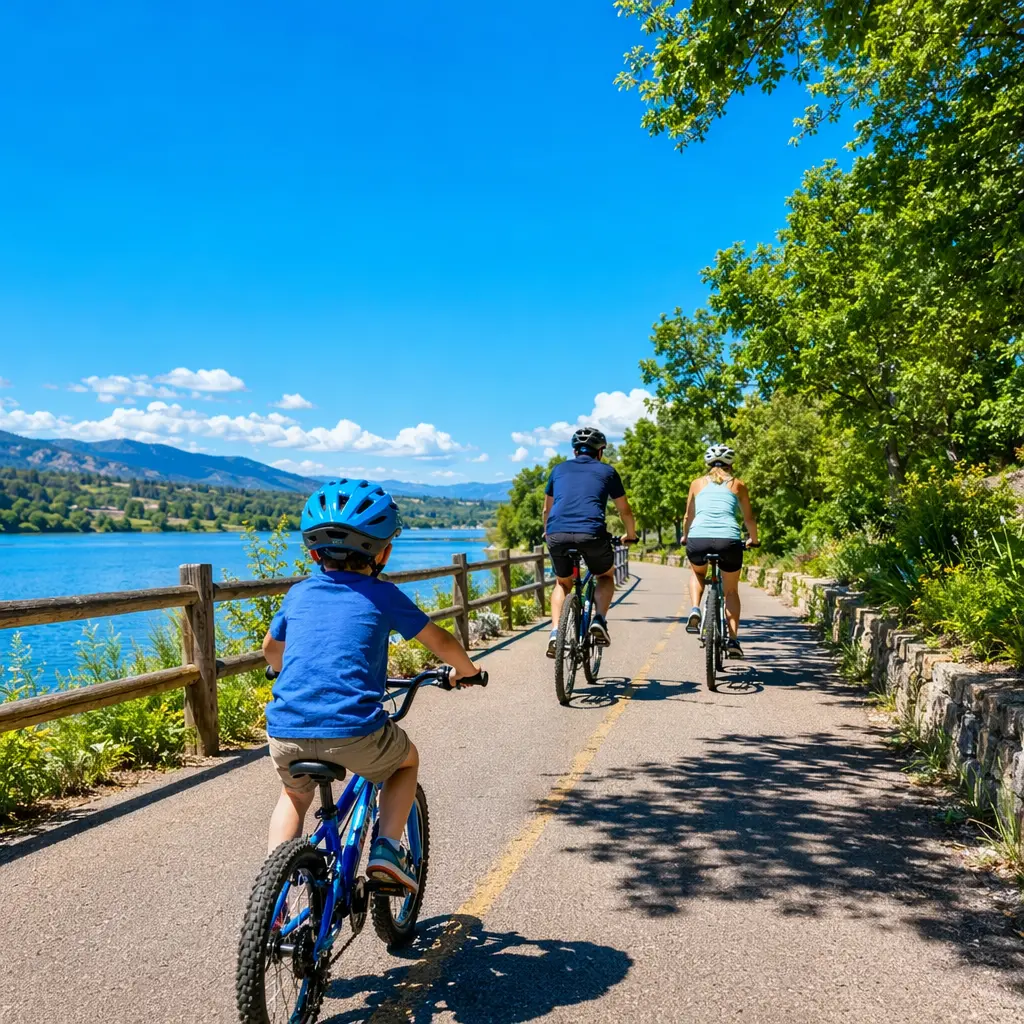
What to look for
At the £300–£500 mark, kids’ bikes can vary widely. Some focus on being as light as possible, others on surviving years of hard use. These are the features that most affect that balance.
- Frame material: Aluminium frames are common here, offering a good mix of light weight and corrosion resistance. Steel is heavier but often more forgiving if the bike is dropped or knocked.
- Weight: Lighter bikes are easier for children to start, stop and manoeuvre, especially on hills. However, shaving off weight can mean thinner tubing or lighter-duty parts.
- Gearing: Single-speed bikes are simple and robust for younger riders. Gears add versatility for hills but also add weight and maintenance.
- Brakes: Rim brakes are lighter and easy to service, while mechanical disc brakes cope better in wet weather but add weight.
- Geometry: A child-friendly, upright riding position builds confidence and control, which can matter more than a small weight saving.
- Fit: Correct sizing is crucial. A well-fitting bike feels lighter and is safer than a poorly sized one, whatever the scale says.
- Included accessories: Mudguards, chain guards and kickstands add practicality and protection but also extra grams.
Budget and what you're getting
Under £500 is a healthy budget for a kids’ bike, but it still involves compromises. You can expect decent-quality frames and reliable components, but not ultra-light race parts. Lighter bikes at this price may skip extras like mudguards or use simpler brakes. More durable options may feel heavier when carried, yet stand up better to playground storage, curb bumps and being handed down to a sibling.
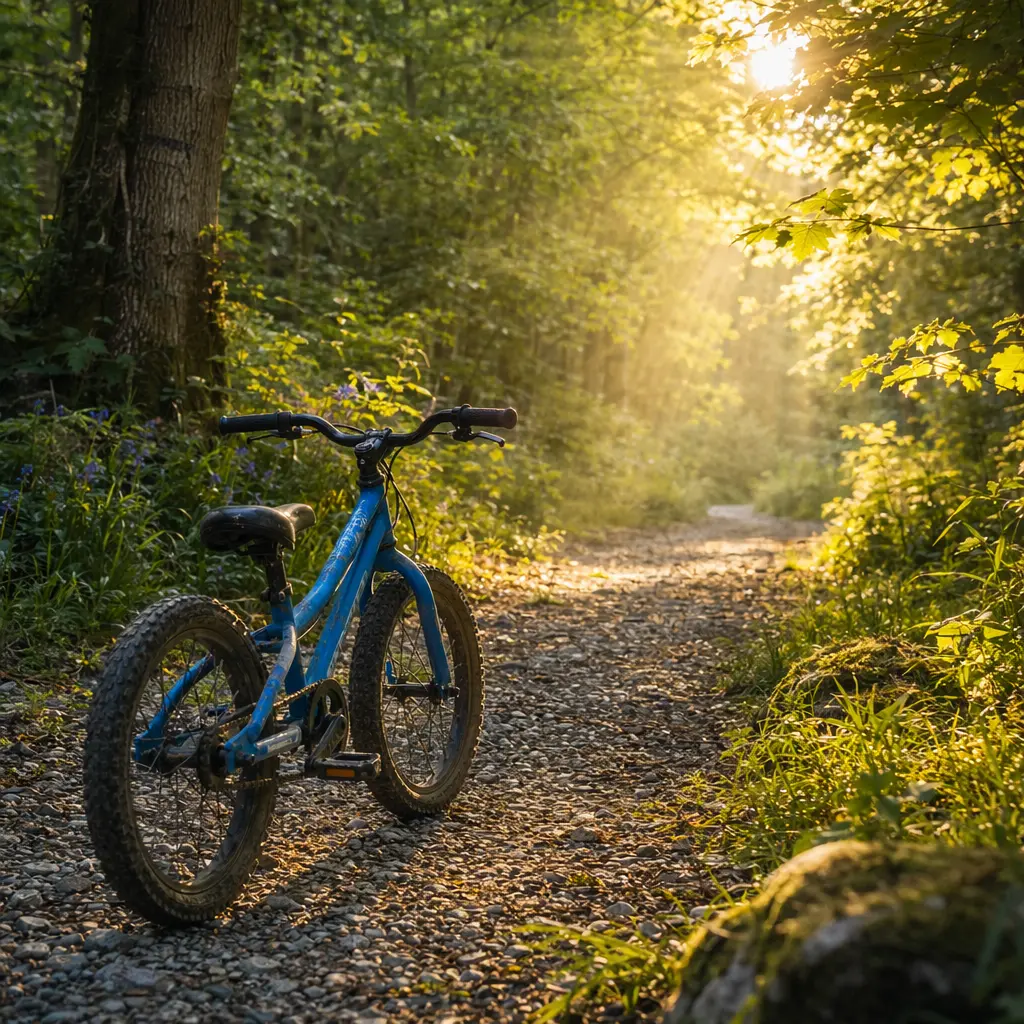
Standout categories or types
Within this budget, kids’ bikes tend to fall into a few clear types. Understanding these can help you decide where to compromise.
- Lightweight-focused bikes: Prioritise ease of riding and confidence. Best for smaller or less confident riders, but may need more care.
- Durability-first bikes: Slightly heavier frames and wheels, ideal for daily use, rough storage and multiple children.
- Rigid vs suspension: Front suspension adds comfort on rough ground but also weight and complexity. Many kids ride better on a lighter rigid fork.
- Urban-ready builds: Often include mudguards and chain protection, trading a bit of weight for cleaner school-run practicality.
Frequently asked questions
Is a lighter kids’ bike always better?
Not always. Lighter bikes are easier to control, but if they’re too delicate for how the bike will be used, repairs can cancel out the benefit.
How much weight difference will my child notice?
Even a small reduction can feel significant to a child, especially when starting or climbing. Fit and geometry often matter as much as raw weight.
Are gears worth it for kids?
For flat areas, single-speed bikes are simple and tough. In hillier regions, a small gear range can make rides more enjoyable.
Should I plan for my child to grow into the bike?
It’s better to buy a bike that fits now. An oversized bike feels heavier and harder to control, which can put children off riding.
In the end, the best kids’ bike under £500 is one that balances weight and durability for your child’s real-world use. Focus on fit, sensible components and how the bike will be ridden day to day, and you’ll get far better value than chasing extremes.
Find these on Amazon
As an Amazon Associate, CheapBikes earns from qualifying purchases.