Best kids’ bikes £300–£500 for daily school rides
A practical UK buyer’s guide to kids’ bikes between £300 and £500 for school runs. Focuses on fit, weight and brakes over suspension, with clear trade-offs and buying tips.
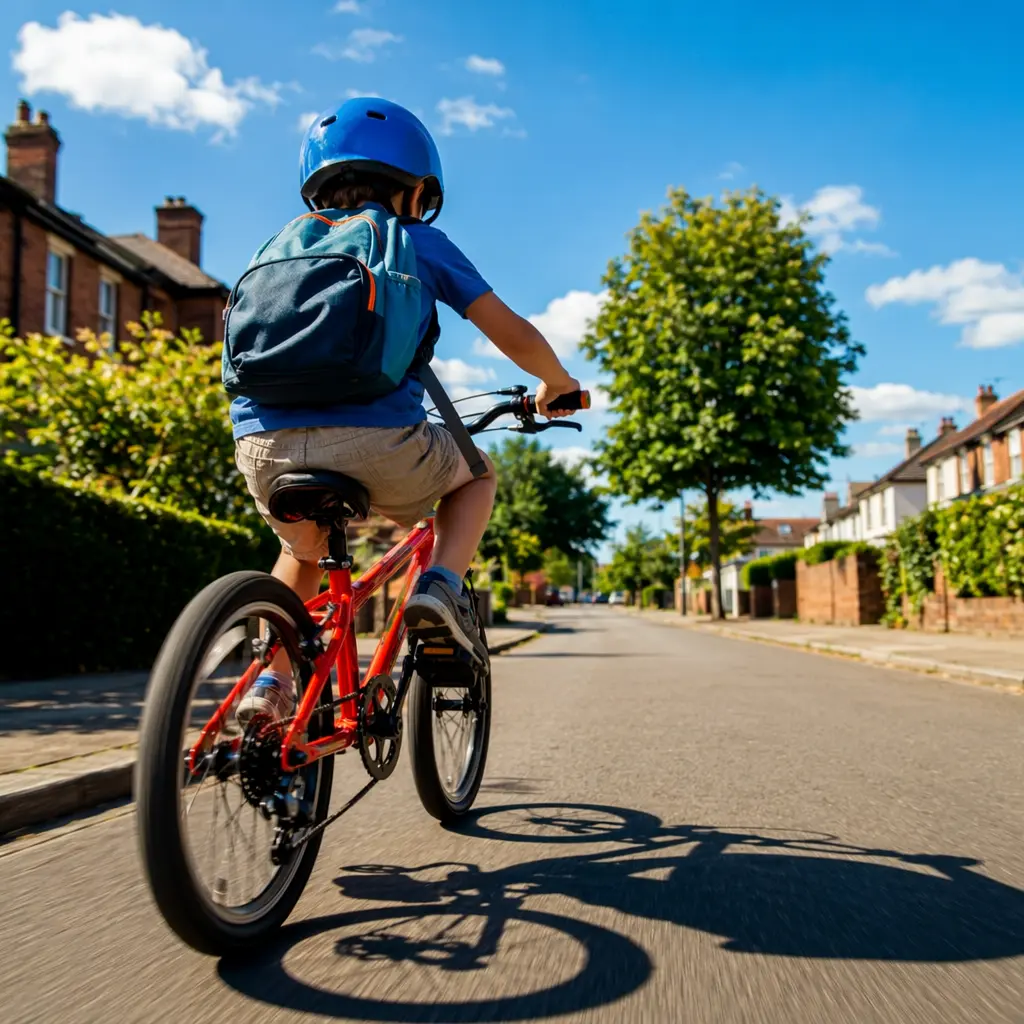
For daily school rides, a kids’ bike needs to be dependable, easy to handle and comfortable—day after day. In the £300–£500 bracket, parents often wonder what actually matters. The short answer: weight, brakes and fit have a bigger impact on safety and enjoyment than suspension or flashy extras. This guide explains how to spend wisely within this budget.
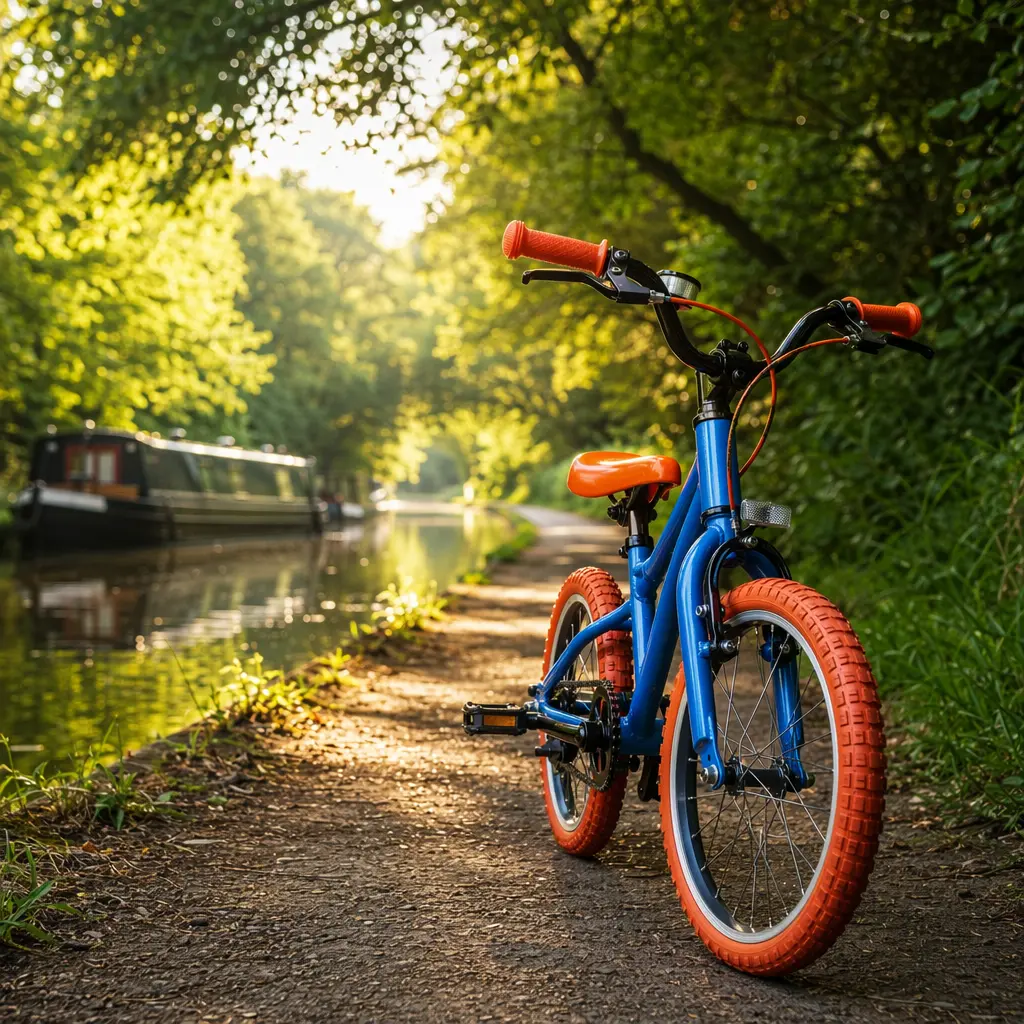
What to look for
A school bike should feel confidence‑inspiring from the first ride. These are the features that tend to make the biggest real‑world difference for children riding short to medium distances on roads, cycle paths and pavements.
- Gearing: Simple drivetrains are easier for children to use and maintain. A single‑speed or a small number of gears is often enough for local routes.
- Frame material: Aluminium frames are common at this price and help keep weight down. Lighter bikes are easier to start, stop and carry up steps.
- Brake type: Well‑set‑up rim brakes can be perfectly adequate, but cable disc brakes offer stronger stopping in the wet. Check that levers are sized for small hands.
- Geometry: An upright riding position improves visibility and confidence in traffic. Avoid long, stretched frames designed to look ‘racy’.
- Fit: Correct wheel size and stand‑over height matter more than growing room. A bike that fits now is safer and more enjoyable.
- Weight: Every extra kilo is noticeable for a child. Lighter bikes are easier to control and less tiring on the school run.
- Included accessories: Mudguards, a chainguard and a kickstand are practical for school use and save money later.
Budget and what you're getting
Between £300 and £500, you’re paying for a solid frame, sensible components and better finishing than entry‑level kids’ bikes. You should expect smoother bearings, stronger wheels and brakes that need less force to use. What you generally won’t get are ultra‑light race parts or premium hydraulic brakes. Suspension, when included, is usually basic and adds weight without much benefit for tarmac riding.
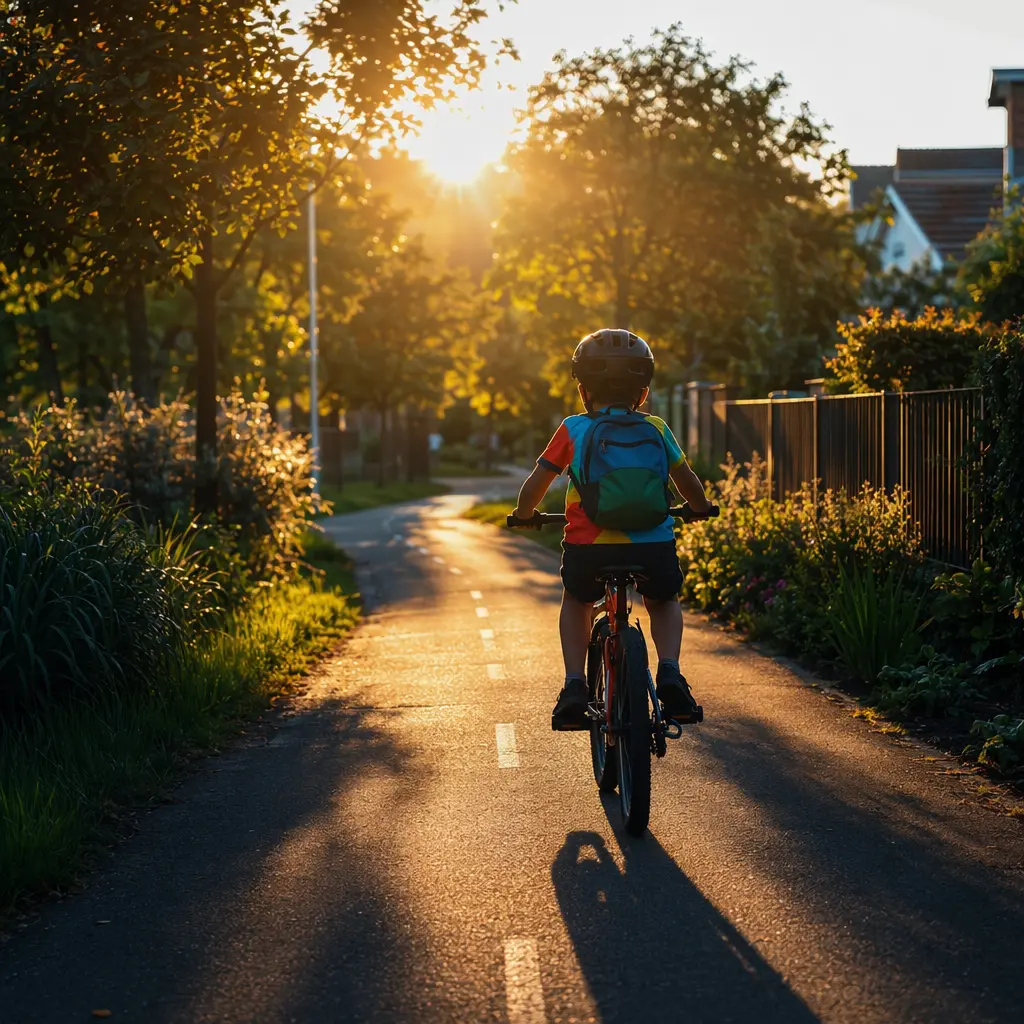
Standout categories or types
Within this price range, kids’ bikes tend to fall into a few clear types. Understanding these helps you avoid paying for features that don’t suit daily school riding.
- Rigid bikes (no suspension): Usually lighter and more efficient. Ideal for roads, pavements and cycle paths.
- Front‑suspension bikes: Often heavier, with limited benefit on smooth surfaces. Can be useful only if the route includes rough tracks.
- Road‑style or hybrid kids’ bikes: Narrower tyres and upright geometry make them efficient and easy to control in traffic.
- Mountain‑style kids’ bikes: Wider tyres add comfort but can slow things down on longer tarmac rides.
Frequently asked questions
Is suspension useful for a school bike?
For most school routes, suspension isn’t necessary. It adds weight and complexity, while well‑chosen tyres provide enough comfort on pavements and roads.
How important is bike weight for children?
Very important. A lighter bike is easier to start, stop and manoeuvre, especially for smaller riders. It also makes hills and carrying the bike far less tiring.
Should I size up so my child can grow into it?
It’s better to buy the right size now. An oversized bike can be awkward and unsafe. Children grow quickly, but a good‑fitting bike will still hold resale value.
Are disc brakes worth paying extra for?
Disc brakes offer more consistent stopping in wet weather, which can be useful for year‑round school riding. However, well‑maintained rim brakes are still perfectly serviceable.
A well‑chosen kids’ bike in the £300–£500 range can make daily school rides safer, quicker and more enjoyable. Prioritise fit, manageable weight and reliable brakes, and you’ll get far more value than by chasing suspension or styling cues.
Find these on Amazon
As an Amazon Associate, CheapBikes earns from qualifying purchases.