£250 vs £400 kids bikes: what you really give up
Thinking about a £250 kids bike versus a £400 one? Here’s what usually changes at each price — which compromises affect safety and durability, and which ones don’t matter for everyday riding.
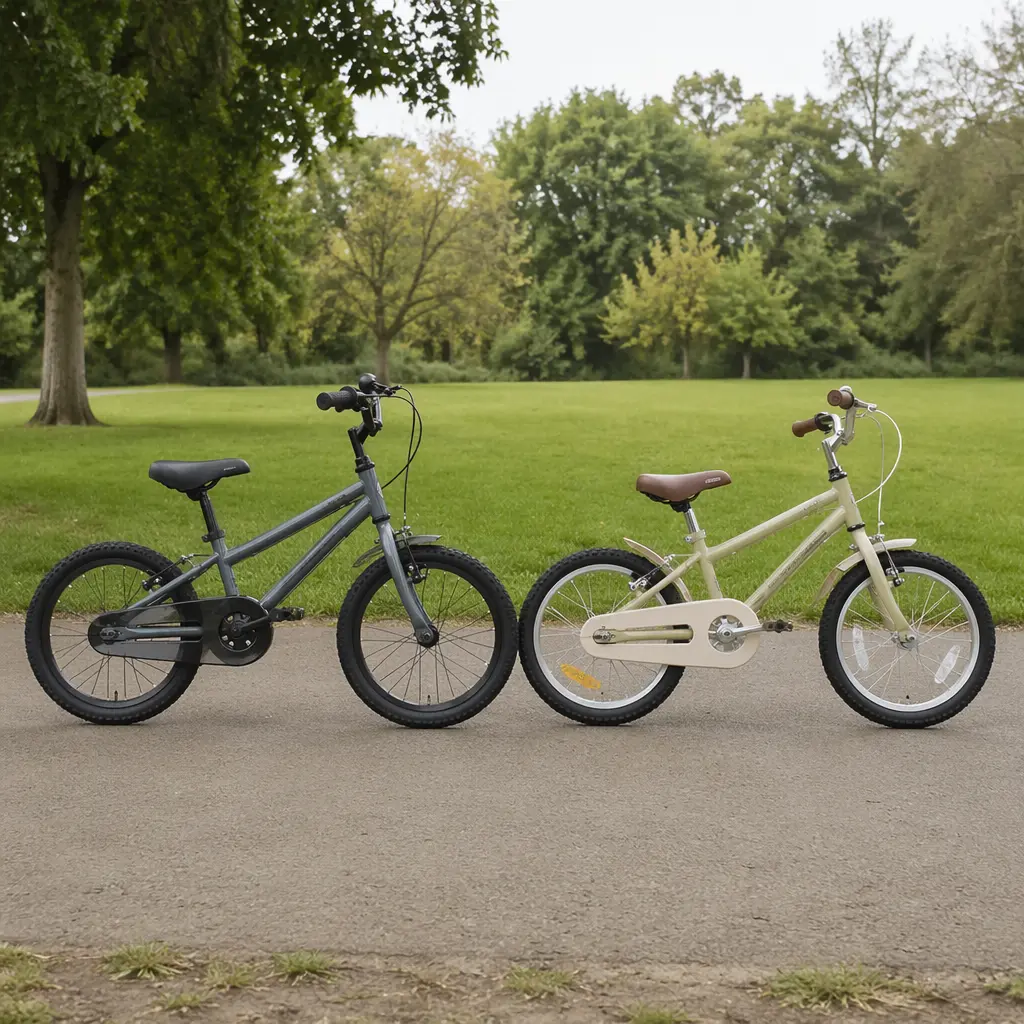
Parents shopping for a kids bike often face a familiar jump in price: around £250 for an entry-level option, or closer to £400 for something better specced. Both will get a child riding — but the differences matter in specific ways. Some compromises affect safety and how long the bike lasts. Others are mostly about convenience, weight or finish, and won’t stop a child enjoying riding to school or the park.
What you actually get at this price
At around £250, kids bikes are built to meet a price first. Frames are usually steel or heavier aluminium, components are basic, and assembly quality varies. At £400, the focus shifts toward reducing weight, improving braking and gears, and using parts that cope better with wet UK conditions.
Neither price point is unsafe if the bike fits properly and is set up correctly. The difference is how forgiving the bike is as a child grows, rides more often, and inevitably knocks it about.
- Frame: £250 bikes often use hi-tensile steel or basic aluminium; £400 bikes usually use lighter aluminium with better tube shaping
- Brakes: entry-level V-brakes or basic mechanical discs vs smoother, more powerful rim or disc brakes with better levers
- Gears: 6–7 speed drivetrains with basic shifters vs 8–9 speed systems that shift more cleanly
- Weight: often 2–3kg heavier at £250, which matters for smaller riders
- Finishing kit: basic saddles, grips and pedals vs lighter, more comfortable contact points
- Extras: mudguards, chainguards or reflectors more common at £250; £400 bikes often prioritise weight over accessories
How to choose
The most important factor is fit. A well-sized £250 bike is safer and easier to ride than an oversized £400 one. Wheel size, standover height and reach all matter more than brand or paint finish.
Think about how the bike will be used. Short rides to school and weekend paths place different demands on a bike than trail centres or daily commuting. For occasional use, many of the £400 upgrades won’t be fully appreciated.
What to look out for
- Heavy bikes that are hard for children to lift, manoeuvre or start pedalling
- Brake levers that are stiff or too large for small hands
- Poor-quality tyres with little grip in the wet
- Loose-fitting mudguards or chainguards that rattle or rub
- Limited adjustability as a child grows
- Cheaper bolts and fasteners that rust quickly outdoors
Worth spending more on
Some upgrades make a noticeable difference even on cheaper bikes. Tyres are the biggest one: better rubber improves grip and confidence far more than extra gears. Brake adjustment — or upgrading pads — can also transform stopping power.
Comfort and safety accessories often matter more than frame upgrades. A decent helmet, reliable lock and weather-appropriate lights add more real-world value than shaving a kilo off the bike.
Frequently asked questions
Is a £250 kids bike safe?
Yes, provided it fits properly and is assembled and checked correctly. Safety issues usually come from poor setup, worn brakes or incorrect sizing rather than price alone.
Do lighter bikes really matter for children?
They matter more for smaller or less confident riders. A heavy bike can be tiring to start, stop and handle — but confident riders may adapt quickly on short journeys.
Will a £400 bike last longer?
Generally yes. Better components cope better with wet weather, bumps and frequent use. That said, many children outgrow bikes before they wear them out.
Is second-hand a good option?
A well-maintained used bike can offer £400 quality for £250 money. Just check brakes, tyres and drivetrain carefully, and budget for a service.
In short, £400 buys a lighter, more durable and easier-to-ride kids bike — but a properly fitted £250 bike is still perfectly capable for everyday riding. Focus on fit, setup and safety first, then decide if the upgrades are worth it.
Find these on Amazon
As an Amazon Associate, CheapBikes earns from qualifying purchases.