Best mountain bikes £300–£500: what actually matters
A plain‑English guide to buying a £300–£500 mountain bike in the UK. Learn which specs matter, what to ignore, and how to choose a durable, trail‑ready bike without falling for hype.
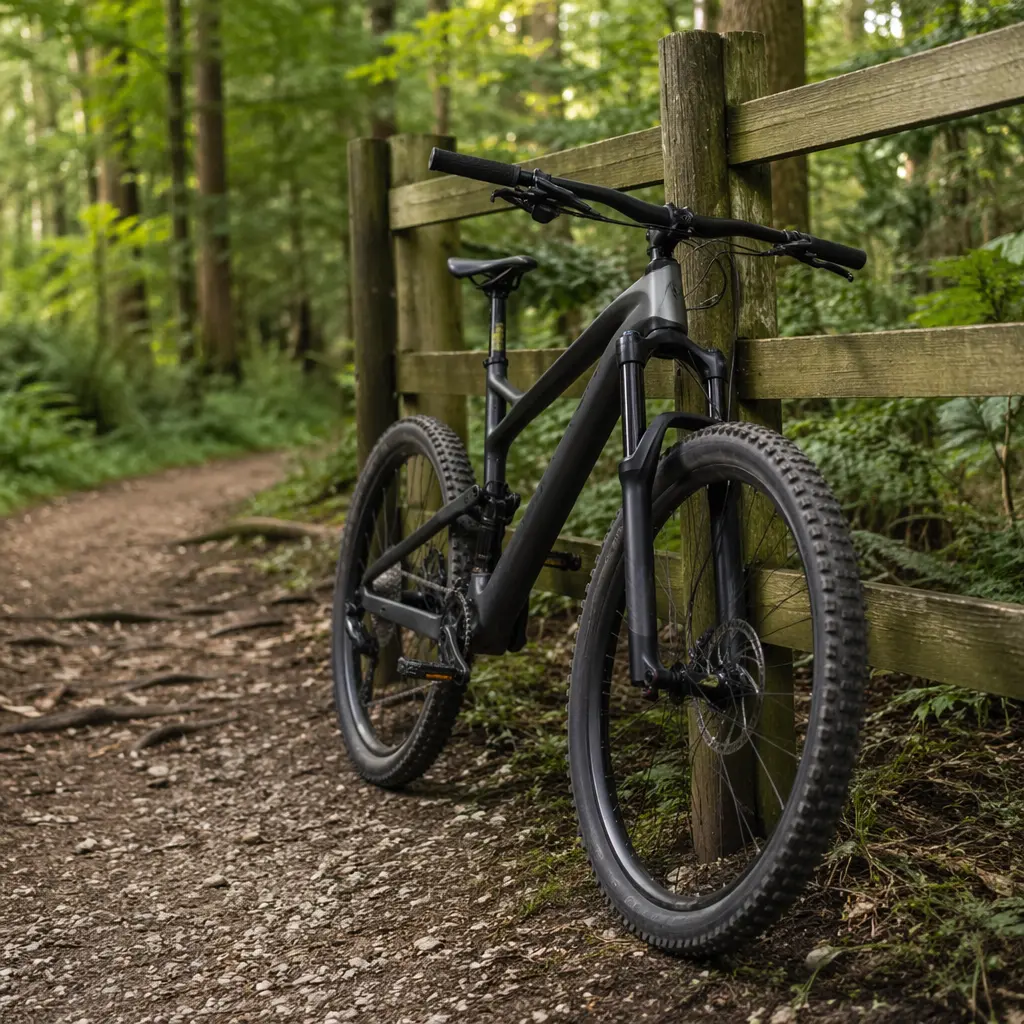
Buying a mountain bike on a £300–£500 budget can feel confusing. Spec sheets shout about suspension travel and gear counts, while real‑world durability and fit are harder to judge. This guide cuts through the noise to explain what actually matters for UK riding at this price — and what you can safely ignore.
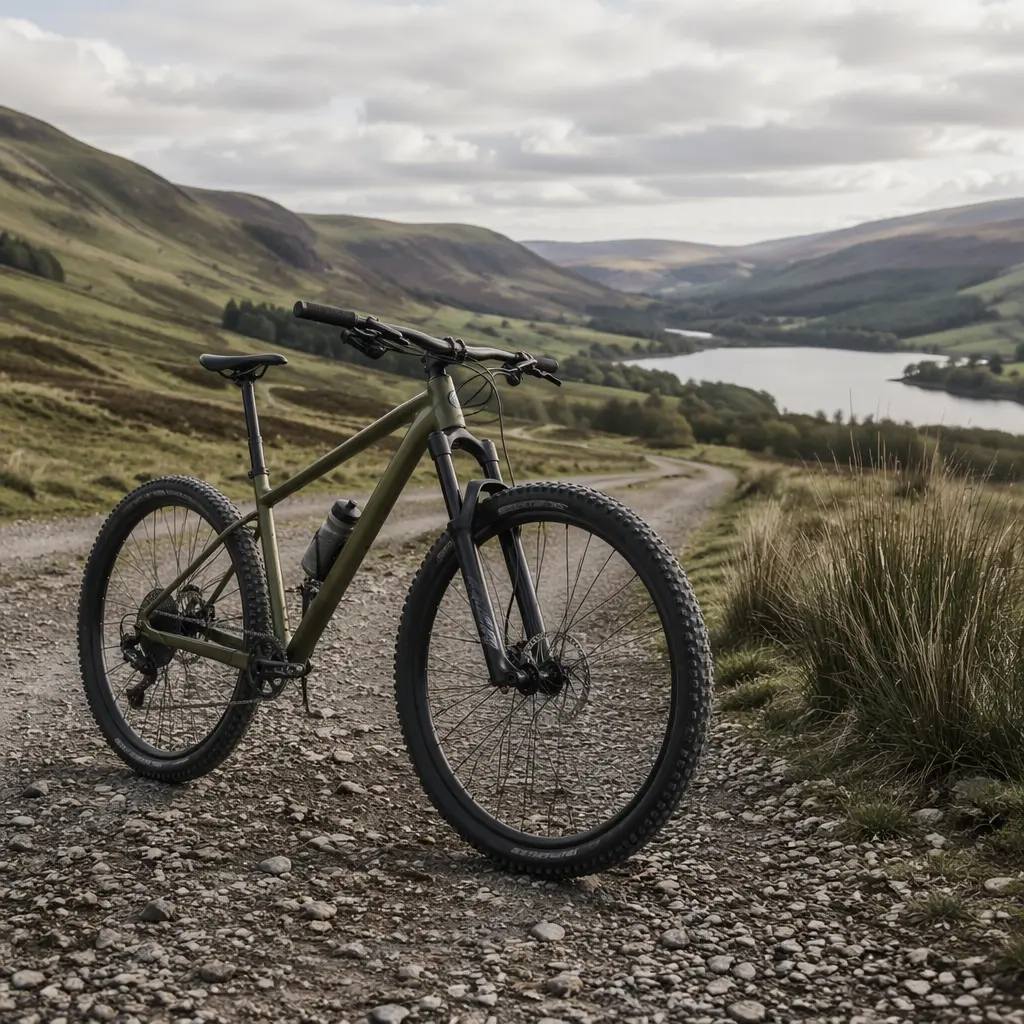
What to look for
At £300–£500, a good mountain bike should be tough, predictable and easy to live with. You are paying for a reliable frame and sensible components rather than cutting‑edge tech. Focus on these essentials.
- Frame material: Aluminium is most common and offers good stiffness for the money. Steel is rarer but can feel more forgiving; weight will be higher.
- Geometry: Look for a stable, upright riding position rather than an aggressive race stance. A slightly longer wheelbase and relaxed head angle help on UK trails.
- Gearing: Simple drivetrains matter more than gear count. A wide range for climbs is useful; fewer, sturdier gears often last longer.
- Brakes: Hydraulic disc brakes offer better control in wet conditions, but well‑set‑up mechanical discs are acceptable at the lower end of the budget.
- Suspension fork: Expect basic coil forks. Look for smooth action and stiffness over headline travel numbers.
- Wheel size: 27.5in and 29in are common. Larger wheels roll more easily; smaller wheels can feel more nimble. Choose what suits your height and trails.
- Included accessories: Mudguard mounts, bottle cage bosses and rack compatibility add everyday usefulness without extra cost.
Budget and what you're getting
In the £300–£500 bracket, compromises are inevitable. Frames are usually solid, but components will be entry‑level. Suspension forks may be heavy and lack fine adjustment, wheels may use basic hubs, and tyres might be more about durability than grip. The upside is that these bikes are often robust and cheap to maintain. Think of this budget as buying a dependable base that can handle towpaths, trail centres and local woods, rather than technical downhill tracks.
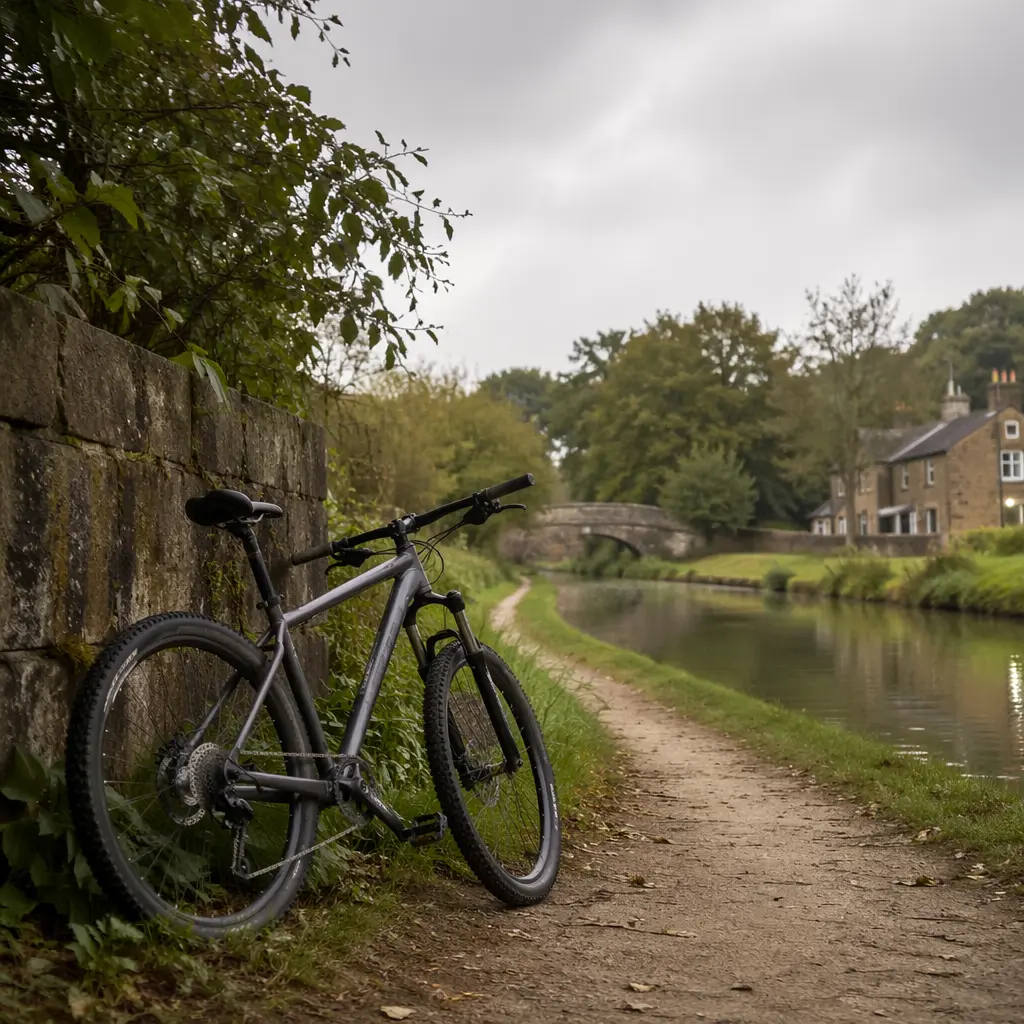
Standout categories or types
Most mountain bikes in this price range are hardtails, meaning front suspension only. Full‑suspension bikes exist at similar prices, but they usually compromise heavily on frame strength and components.
- Rigid vs front suspension: Rigid bikes are rare here, but a basic suspension fork adds comfort on roots and ruts. Prioritise stiffness and reliability over long travel.
- Alloy vs steel frames: Alloy dominates for lower weight and cost. Steel can feel smoother on rough ground but usually weighs more.
- Trail‑leaning vs leisure‑leaning: Some bikes are aimed at light off‑road paths rather than technical trails. Wider tyres and stronger wheels usually signal better trail intent.
Frequently asked questions
Is suspension travel important at this price?
Not really. Smooth, controlled movement matters more than the number on the spec sheet. Extra travel on a low‑quality fork rarely improves ride quality.
Can these bikes handle trail centres?
Yes, for blue routes and steady riding on red routes. They are best suited to flowing trails, gravel and woodland paths rather than jumps or drops.
Are hydraulic brakes a must?
They are nice to have, especially in wet UK conditions, but not essential. Well‑adjusted mechanical discs can still offer safe, predictable stopping.
Is it worth upgrading parts later?
Tyres and contact points (saddle, grips) are sensible upgrades. Big changes like forks or drivetrains often cost more than the bike is worth.
A £300–£500 mountain bike won’t win races, but it can open the door to off‑road riding without draining your wallet. Focus on fit, frame quality and sensible geometry, and you’ll get a bike that’s enjoyable, durable and ready for real UK trails.
Find these on Amazon
As an Amazon Associate, CheapBikes earns from qualifying purchases.