Hardtail mountain bikes £1,000–£2,000: what really improves
A plain‑English guide to what actually gets better on £1,000–£2,000 hardtail mountain bikes for UK trails, from forks and brakes to geometry and tyres, plus where the compromises still sit.
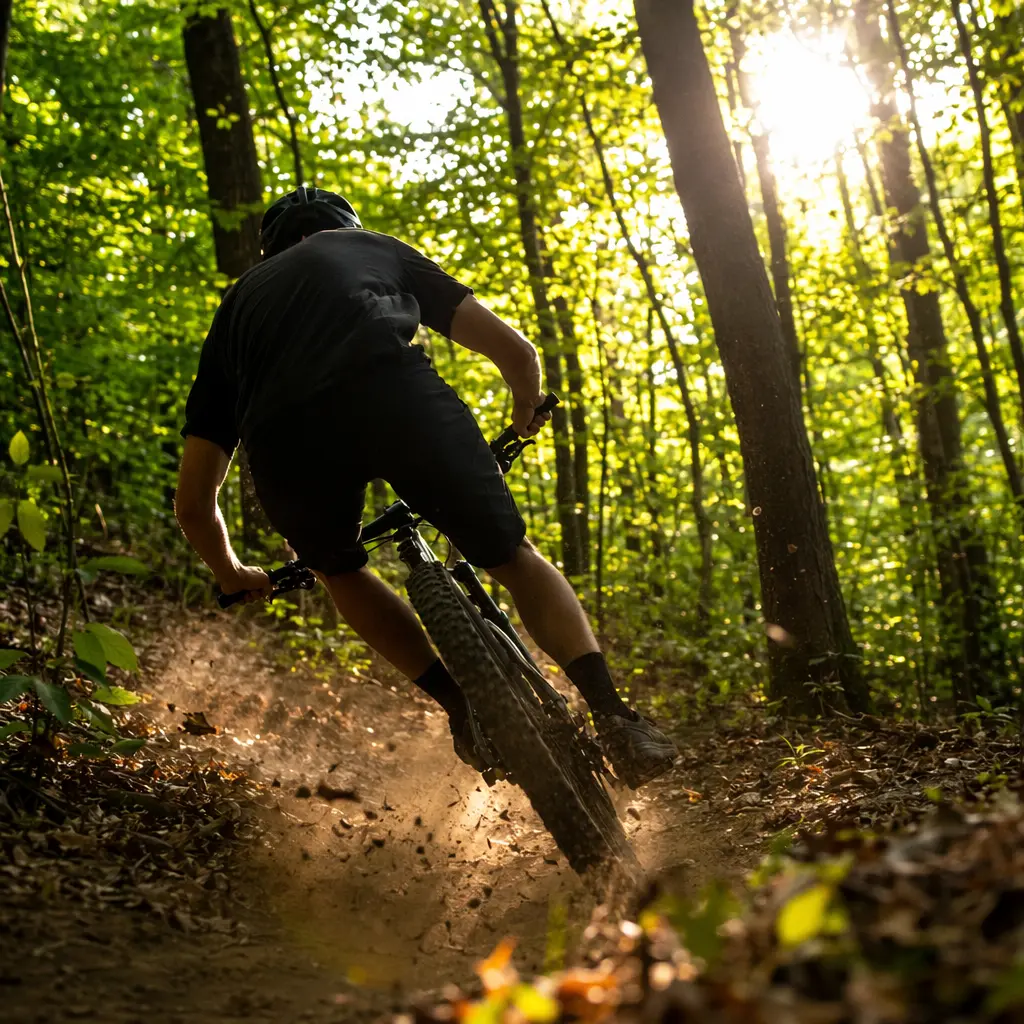
Spend between £1,000 and £2,000 on a hardtail mountain bike and you’re stepping into the sweet spot for UK trail riding. This is where bikes stop feeling basic and start feeling capable: better control, more confidence on descents, and parts that last longer through wet winters. The key question is what actually improves at this budget, and what still doesn’t.
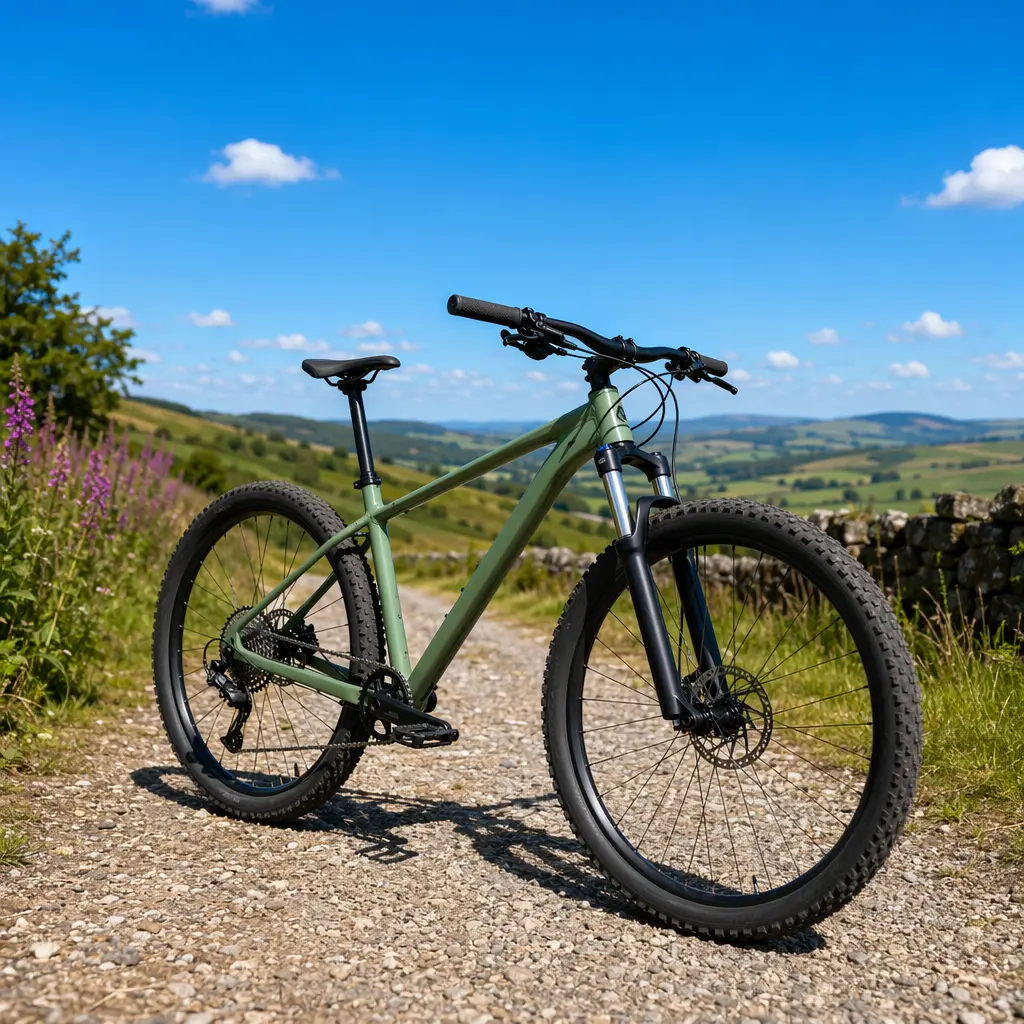
What to look for
Across this price band, the biggest gains are in control and durability rather than outright speed. Look beyond headline specs and focus on the parts that affect how the bike handles UK roots, rocks and muddy corners.
- Gearing: Expect a wide‑range 1x drivetrain. It’s simpler, quieter and better in mud than older 2x or 3x setups, with enough low gears for steep climbs.
- Frame material: Aluminium frames dominate here. They’re lighter and stiffer than entry‑level steel, with refined tube shapes and modern trail geometry.
- Brake type: Proper hydraulic disc brakes are standard. Look for decent rotor sizes for consistent braking on long descents, not just brand names.
- Geometry: Slacker head angles and longer reach improve stability. This is one of the most noticeable upgrades versus cheaper hardtails.
- Fit: Size ranges are broader and sizing charts more accurate. A good fit matters more than any single component.
- Weight: Overall weight drops a little, but more importantly it’s better balanced, so the bike feels easier to control on technical trails.
- Included accessories: Don’t expect mudguards or panniers, but internal dropper post routing is common and genuinely useful.
Budget and what you're getting
At £1,000–£2,000, you’re paying for parts that work properly under pressure. Suspension forks move more smoothly and track the ground better, brakes offer predictable power in the wet, and wheels and tyres are tough enough for repeated hits. What you’re not getting is the lightest kit or top‑tier suspension damping. Finishing parts may still be basic, and wheels can be an upgrade point later. Overall, though, the bike should feel trail‑ready straight out of the box rather than something you need to immediately modify.
Standout categories or types
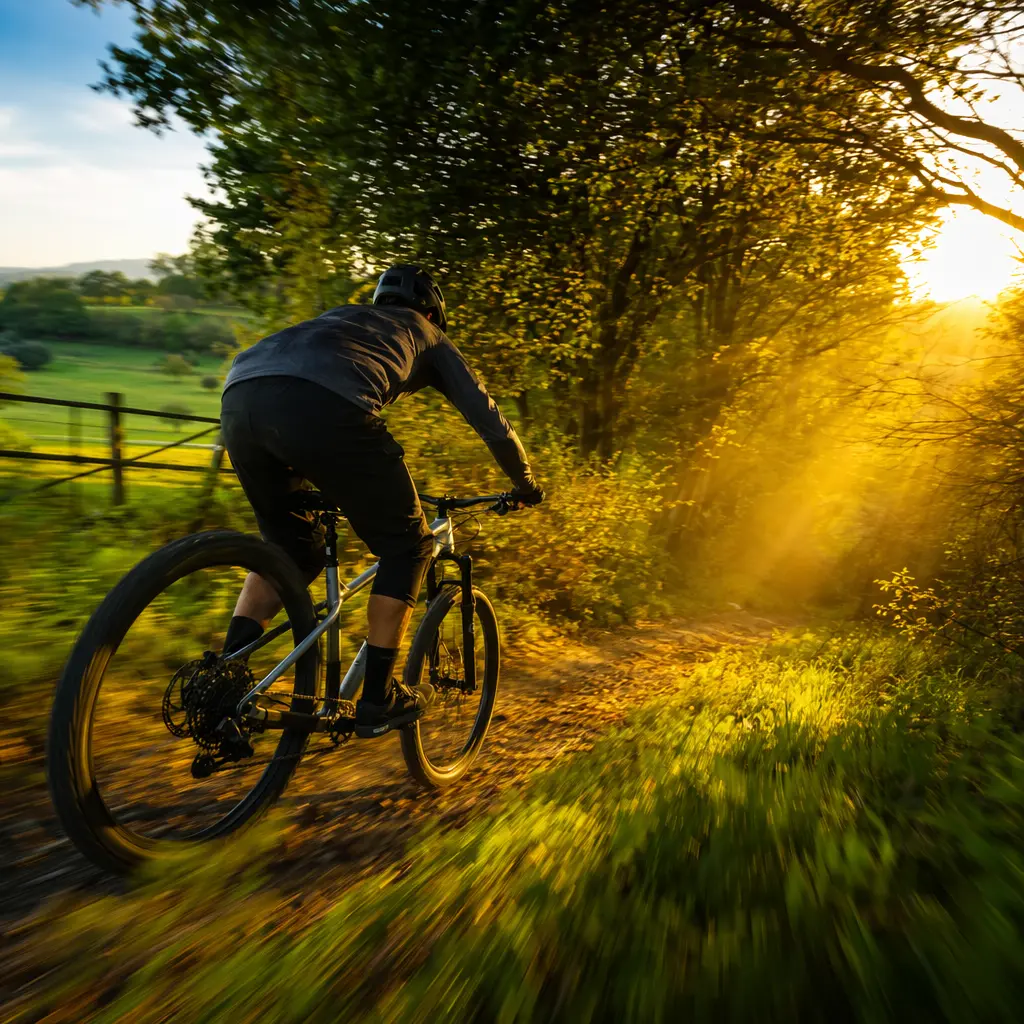
Within this budget, hardtails tend to split into two broad flavours: trail‑focused all‑rounders and lighter, faster cross‑country‑leaning bikes. Trail hardtails prioritise confidence with slacker geometry, wider bars and tyres that grip in the wet. They’re ideal for trail centres, natural singletrack and riders building skills.
The lighter end focuses on efficiency. Steeper angles and faster‑rolling tyres suit long days and smoother trails, but can feel less forgiving on steep or technical descents. Front suspension is almost always air‑sprung here, with better adjustment than budget coil forks. Dropper posts are increasingly common and worth having for UK terrain, even if travel is modest.
Frequently asked questions
Is a £1,000–£2,000 hardtail good enough for trail centres?
Yes. This budget is well suited to UK trail centres and natural trails. You’ll have the braking power, tyre grip and geometry needed to ride red routes confidently, provided the bike fits properly.
Do I need a dropper post at this price?
It’s not essential, but it’s one of the most useful upgrades. Being able to lower the saddle on descents improves confidence and control, especially on steep or technical sections.
Are air forks really better than coil forks?
Generally, yes. Air forks are lighter and easier to tune to rider weight, which matters for comfort and control. At this budget, the quality gap over entry‑level coil forks is noticeable.
What upgrades can wait until later?
Tyres are the easiest performance upgrade and can transform grip. Contact points like saddle and grips are personal. Wheels and drivetrains can wait unless you’re riding very hard.
Is aluminium the right choice for UK conditions?
For most riders, yes. Aluminium frames at this level are durable and well finished, and they cope well with wet, gritty riding provided they’re cleaned and maintained.
In short, £1,000–£2,000 buys a hardtail that’s genuinely capable on UK trails, not just on paper. Focus on geometry, fork quality and brakes, get the fit right, and you’ll have a bike that rewards skills now and still has room to grow.
Find these on Amazon
As an Amazon Associate, CheapBikes earns from qualifying purchases.