Mountain bikes under £500: what actually matters off-road
A clear buyer’s guide to mountain bikes under £500, focusing on suspension, tyres and geometry that make budget MTBs usable on real UK trails.
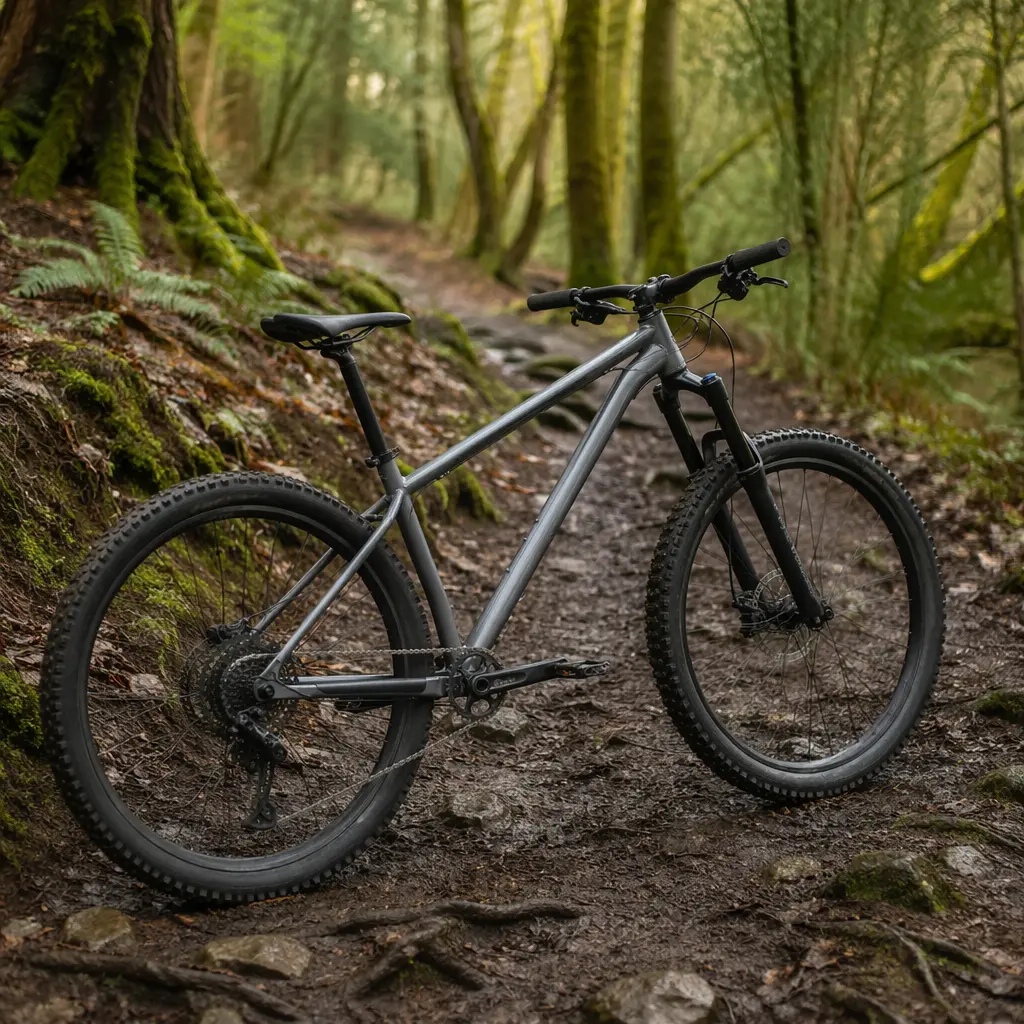
Buying a mountain bike under £500 can feel risky. The market is full of look‑alike bikes that promise trail capability but cut corners in places that matter once you leave the tarmac. The good news is that £300–£500 is enough for a genuinely usable entry‑level MTB, as long as you focus on the right features and ignore the rest.
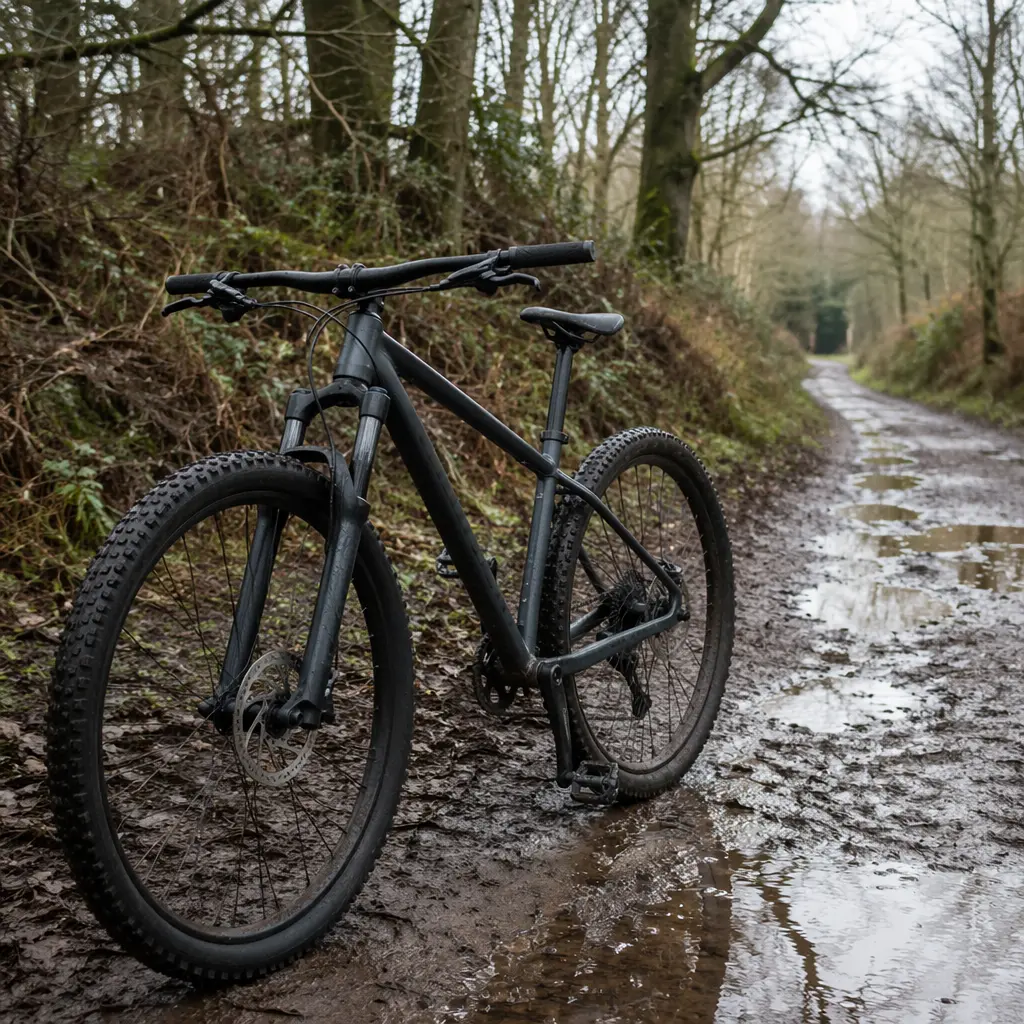
What to look for
At this price point, the aim isn’t maximum speed or downhill performance. It’s control, reliability and comfort on UK trails like forest loops, canal-side dirt, bridleways and trail centres’ green and blue routes.
- Gearing: Look for a wide range with low climbing gears. A 1x drivetrain (single front chainring) is simpler and more robust, but some bikes use 2x systems to keep costs down. Either is fine if the lowest gear is genuinely easy.
- Frame material: Aluminium frames dominate and are a sensible choice under £500. Steel can be comfortable but is rarer and often heavier at this price.
- Brake type: Hydraulic disc brakes are strongly preferable. Mechanical discs work, but need more hand effort and frequent adjustment, especially in wet UK conditions.
- Suspension: Front suspension only (a hardtail) is the realistic option. Expect 80–100mm travel. Look for a fork with preload adjustment rather than a basic pogo-stick design.
- Geometry: A slightly slacker head angle and longer wheelbase improve stability on rough ground. Avoid very upright, short bikes sold as “MTB-style” rather than true mountain bikes.
- Fit: Proper sizing matters more than most components. Check the manufacturer’s size guide and aim for a comfortable reach with room to move on descents.
- Weight: Don’t chase numbers, but be cautious of bikes that feel excessively heavy. Extra weight often comes from cheap wheels and forks, which affect trail handling.
- Included accessories: Mudguards, racks and kickstands add weight and can rattle off-road. It’s usually better if the bike is sold without them.
Budget and what you're getting
Between £300 and £500, you’re buying durability and basic trail capability, not refinement. Components will be heavier and less adjustable than on pricier bikes, and suspension performance will be limited on fast, rough descents. However, a well-chosen budget hardtail can still be confidence‑inspiring on real UK trails and far more enjoyable than a cheap full‑suspension bike with poor parts.
Standout categories or types
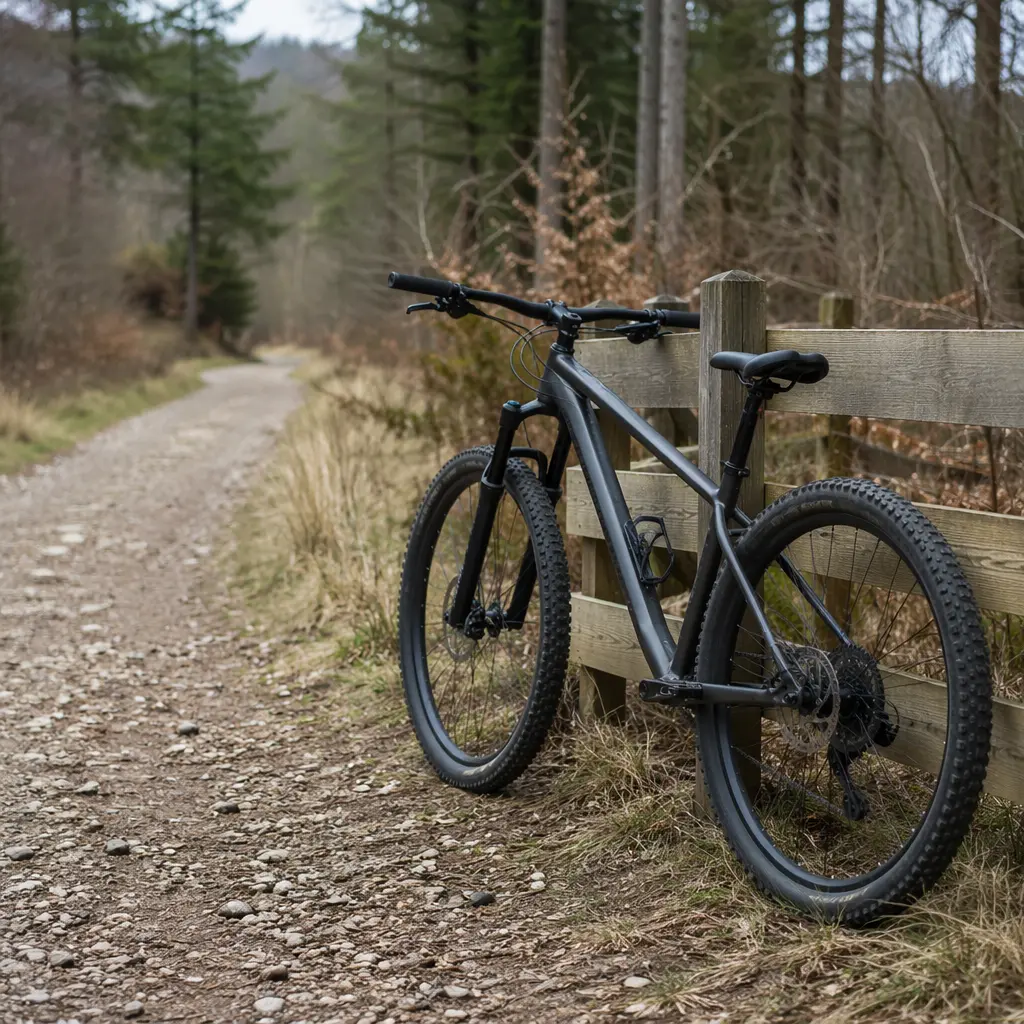
Most worthwhile mountain bikes under £500 fall into one clear category: hardtails designed for cross‑country and light trail riding. Within that, there are a few useful distinctions.
- Rigid vs front suspension: Fully rigid MTBs are rare now and usually aimed at commuters. A basic suspension fork adds comfort and control on roots and rocks, even if it isn’t plush.
- Wheel size: 27.5in wheels tend to feel more playful and easier to handle for smaller riders, while 29in wheels roll better over bumps and suit taller riders. Both work well at this price.
- Trail‑focused hardtails: Some budget bikes lean more towards modern trail geometry. These are better for progression on trail centres and rough bridleways than older, steep designs.
Frequently asked questions
Is a cheap full‑suspension mountain bike worth it?
Generally, no. Under £500, full‑suspension bikes usually sacrifice frame stiffness, brakes and drivetrain quality. A hardtail at the same price will be lighter, more reliable and easier to maintain.
Can I ride trail centres on a sub‑£500 MTB?
Yes, on green and blue routes, and carefully on smoother reds. The limiting factor is usually suspension control and brake power, not strength. Ride within the bike’s limits and maintain it well.
Are mechanical disc brakes a deal‑breaker?
Not a deal‑breaker, but a compromise. They work in wet conditions better than rim brakes, but need more frequent adjustment. Hydraulic discs are noticeably better if available within budget.
What upgrades make the biggest difference later?
Tyres are the biggest improvement for UK trails. Swapping to better‑gripping rubber transforms confidence. Grips and saddle are also personal comfort upgrades worth considering.
A mountain bike under £500 won’t do everything, but it doesn’t need to. Focus on suspension quality, sensible geometry and reliable brakes, and you’ll get a bike that opens the door to real off‑road riding without wasting money on features that don’t help on UK trails.
Find these on Amazon
As an Amazon Associate, CheapBikes earns from qualifying purchases.