Are £2,000+ road bikes worth it for non‑racers?
A plain‑English guide to what £2,000+ road bikes actually offer. Learn where the money goes on frames, groupsets and wheels — and whether those gains matter if you’re not racing.
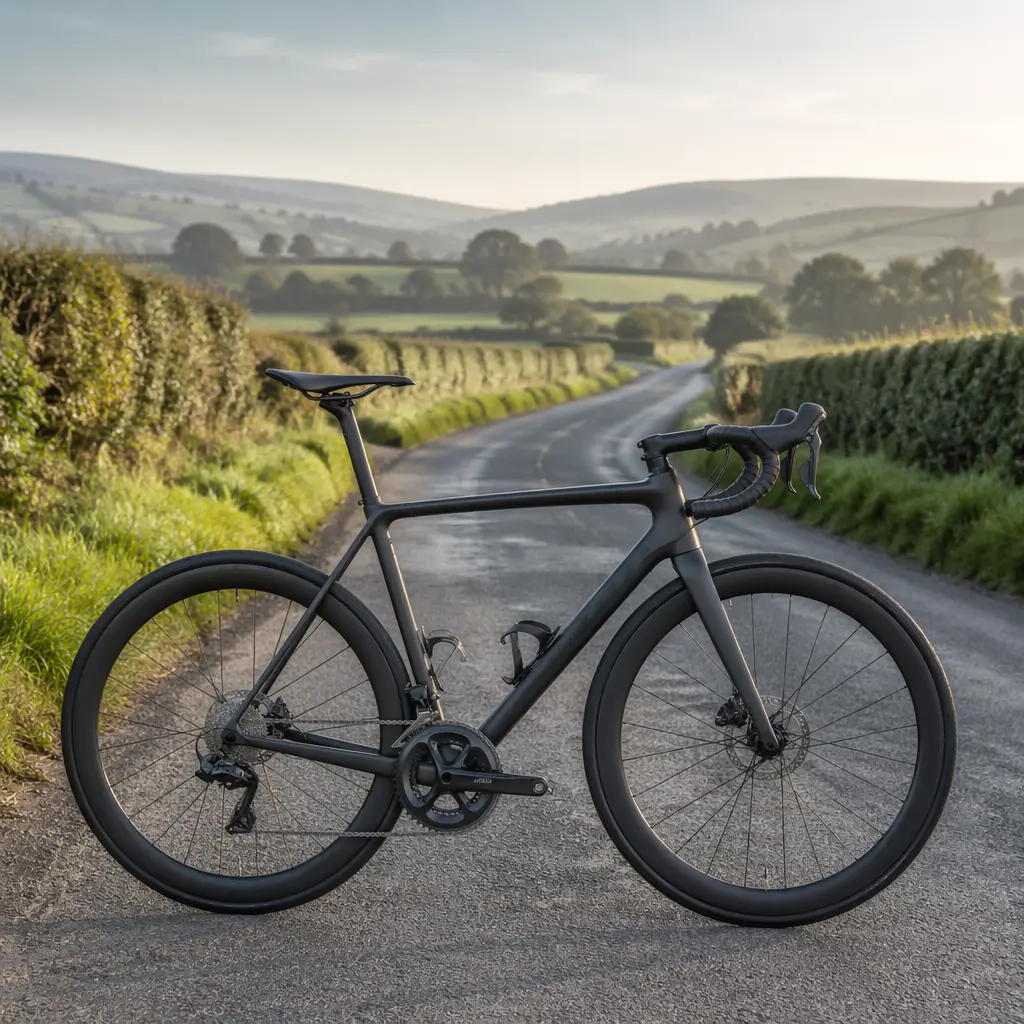
Road bikes costing £2,000 and above promise lighter weight, smoother rides and sharper performance — but those claims can be hard to judge if you’re not racing or chasing podiums. For leisure riders, commuters and long‑distance cyclists, the key question is whether the extra spend delivers real‑world benefits, or just marginal gains you’ll rarely notice.
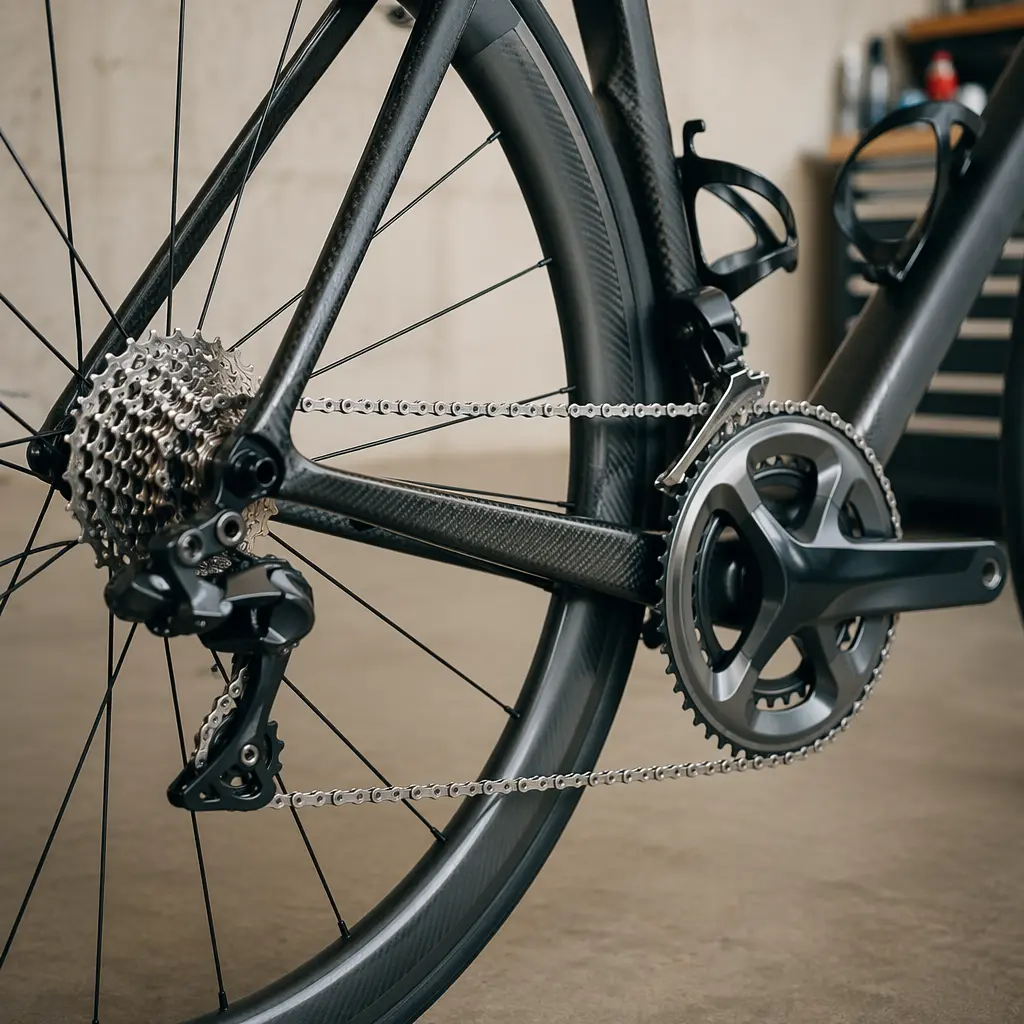
What to look for
Above £2,000, road bikes tend to converge on similar headline specs, but the details still matter. Understanding where improvements actually affect comfort, reliability and ease of ownership helps you decide if the jump in price is worthwhile.
- Frame material: carbon frames dominate at this price, offering lower weight and the ability to tune stiffness and comfort in different areas.
- Groupset level: higher-tier mechanical or electronic shifting brings lighter components and crisper changes, but not necessarily more gears.
- Brake type: hydraulic disc brakes are now standard, improving wet-weather braking and reducing rim wear.
- Geometry: many £2,000+ bikes use race‑inspired geometry, which can feel fast but less forgiving for long, relaxed rides.
- Fit and sizing: small differences in reach, stack and seat angle matter more than a few hundred grams of weight.
- Wheels: lighter rims and better hubs improve acceleration and climbing feel more than most other upgrades.
- Included accessories: expect bare bikes — mudguards, lights and pannier racks are usually not included.
Budget and what you're getting
Spending over £2,000 generally shifts the balance from durability and value towards performance and refinement. You’re paying for reduced weight, tighter manufacturing tolerances and components designed to perform under sustained hard riding. What you’re not getting is a bike that’s automatically more comfortable, more practical or cheaper to maintain. Replacement parts, servicing and crash repairs can all cost more at this level, and the improvements tend to be incremental rather than transformational.
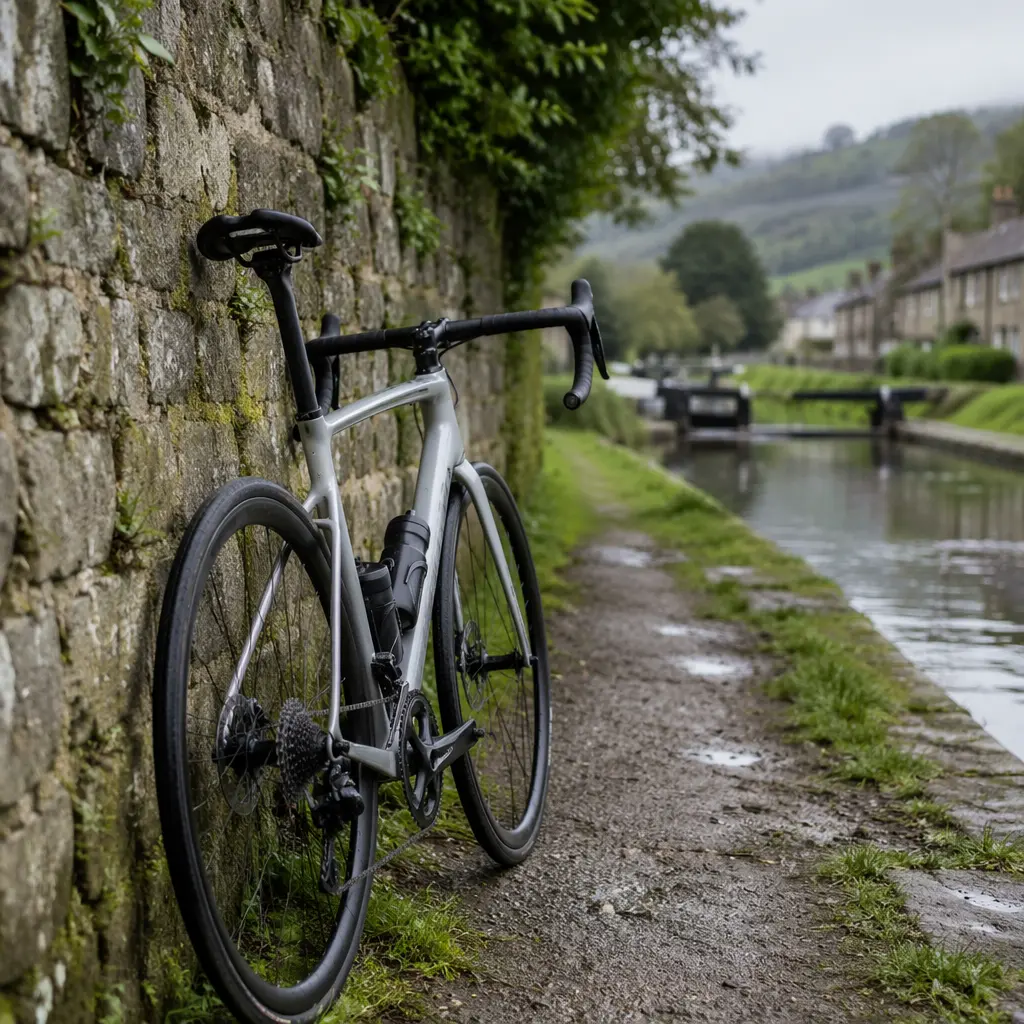
Standout categories or types
Not all £2,000+ road bikes aim at the same rider. Broadly, they fall into a few overlapping categories, each suiting different priorities.
- Race‑focused road bikes: very light, stiff frames with aggressive geometry. Best for fast group rides and events, less forgiving on rough UK roads.
- Endurance road bikes: still lightweight but with relaxed geometry and clearance for wider tyres, offering more comfort for long days in the saddle.
- Aero‑inspired road bikes: shaped tubes and deep wheels to reduce drag, most noticeable at higher speeds rather than everyday cruising.
Frequently asked questions
Will a £2,000+ road bike make me faster?
Potentially, but the gains are usually small. Lighter weight and better wheels can improve acceleration and climbing, yet fitness, tyres and riding position have a bigger impact for most non‑racers.
Is carbon really better than aluminium?
Carbon allows designers to fine‑tune stiffness and comfort, which can feel smoother on long rides. That said, modern aluminium frames paired with good tyres can be very comfortable and far cheaper to replace.
Are electronic gears worth it?
Electronic shifting offers consistent, low‑effort gear changes and minimal adjustment. For non‑racers, it’s a convenience upgrade rather than a necessity, and it adds cost to maintenance.
Do expensive wheels make a noticeable difference?
Yes, more than many other upgrades. Better wheels can improve ride feel, climbing and responsiveness. However, they’re also one of the easiest components to upgrade later.
Is a high‑end road bike sensible for everyday riding?
It can be, but practicality matters. Poor road surfaces, winter grit and theft risk mean many riders prefer to keep expensive bikes for fair‑weather or leisure use.
For non‑racers, £2,000+ road bikes are about refinement rather than necessity. They make sense if you value lighter weight, premium feel and cutting‑edge components — but they’re not required to enjoy long rides, improve fitness or explore the UK’s roads.
Find these on Amazon
As an Amazon Associate, CheapBikes earns from qualifying purchases.