Are £1,500 hardtail mountain bikes worth it for UK trails?
A buyer’s guide to £1,000–£2,000 hardtail mountain bikes for UK trails. We compare suspension, geometry and components, explain the trade-offs, and help you decide if £1,500 makes sense.
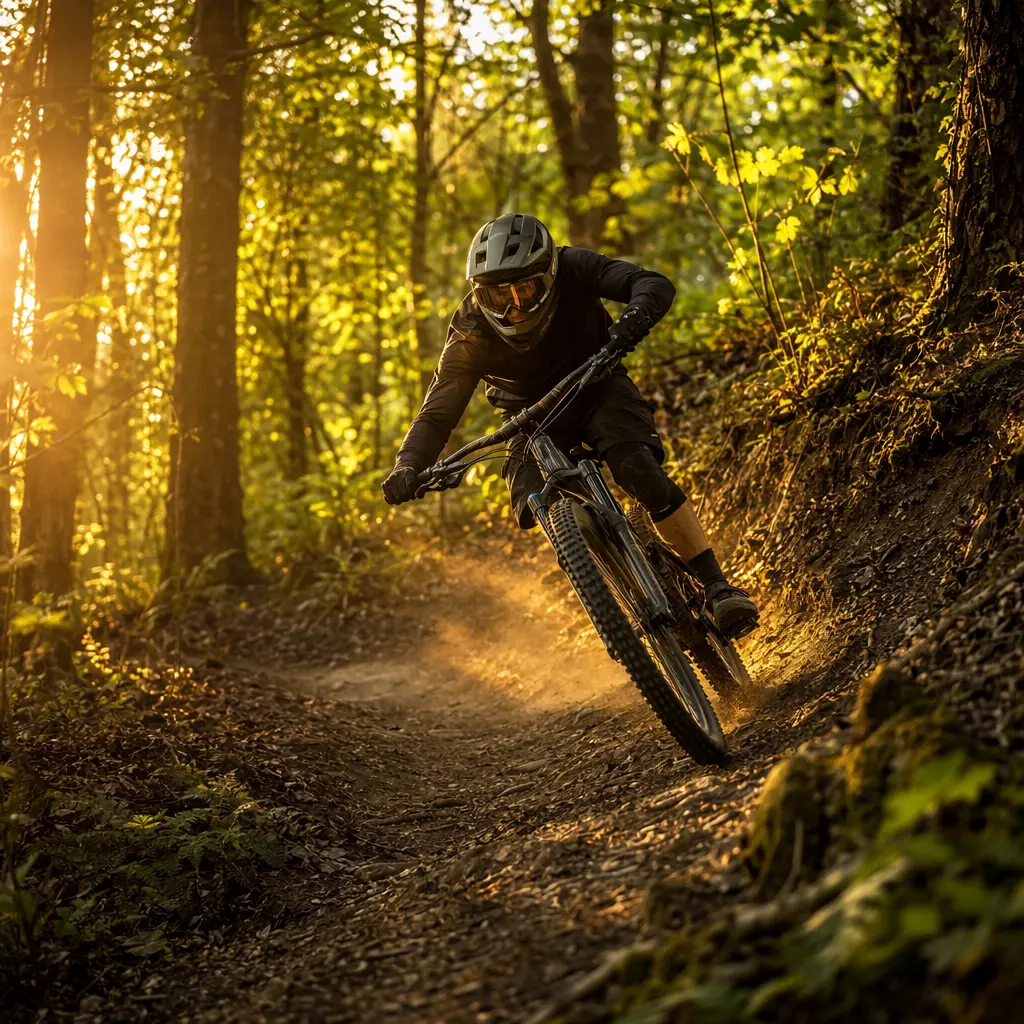
A £1,500 hardtail mountain bike sits in an awkward middle ground. It costs far more than entry-level bikes, yet it’s still well below full-suspension territory. For UK riders tackling trail centres, natural singletrack and mixed conditions, the key question is whether the jump in price brings real gains in performance, comfort and durability — or whether a cheaper hardtail does the job just as well.
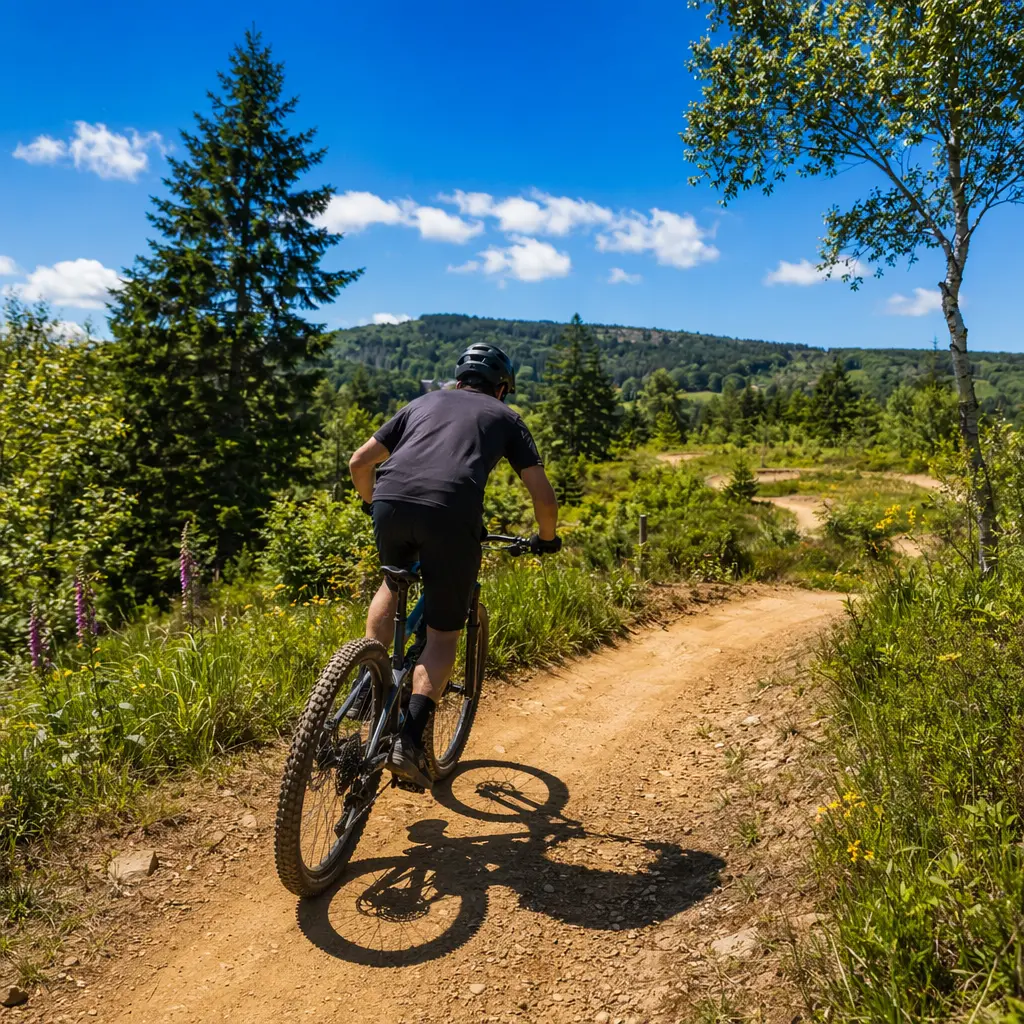
What to look for
At around £1,500, the improvements over budget hardtails are mostly in quality rather than headline features. Paying attention to the following areas helps separate genuinely capable trail bikes from overpriced upgrades.
- Suspension fork quality: Expect an air-sprung fork with proper damping adjustment. This brings better small-bump sensitivity, control on roots and rocks, and less arm fatigue on longer rides.
- Frame material: Aluminium is standard at this price, but with improved tube shaping and stiffness. You’re buying ride quality and durability, not just lower weight.
- Geometry: Longer reach, slacker head angle and shorter stems improve confidence on descents while keeping climbing manageable — a big step up from older, steeper designs.
- Brakes: Hydraulic disc brakes with larger rotors are common, giving more consistent stopping power in wet UK conditions.
- Drivetrain: Wide-range 1x gearing is typical, reducing complexity and improving chain security on rough trails.
- Weight: Don’t expect ultra-light numbers, but a well-built £1,500 hardtail should feel lively rather than cumbersome.
- Included accessories: Most trail-focused hardtails skip mudguards and racks, prioritising tyre clearance and clean lines. Budget separately if you need commuting kit.
Budget and what you're getting
Spending £1,000–£2,000 on a hardtail mainly buys control and reliability rather than raw speed. Compared with £500–£700 bikes, you’ll notice better suspension performance, stronger wheels and components that cope with regular off-road use without constant adjustment. The trade-off is that you’re still riding a hardtail: rear-wheel impacts are felt more directly, and comfort over long, rough descents won’t match a full-suspension bike. For many UK trails, though, that simplicity is a benefit — lighter weight, easier maintenance and fewer parts to wear out in muddy conditions.
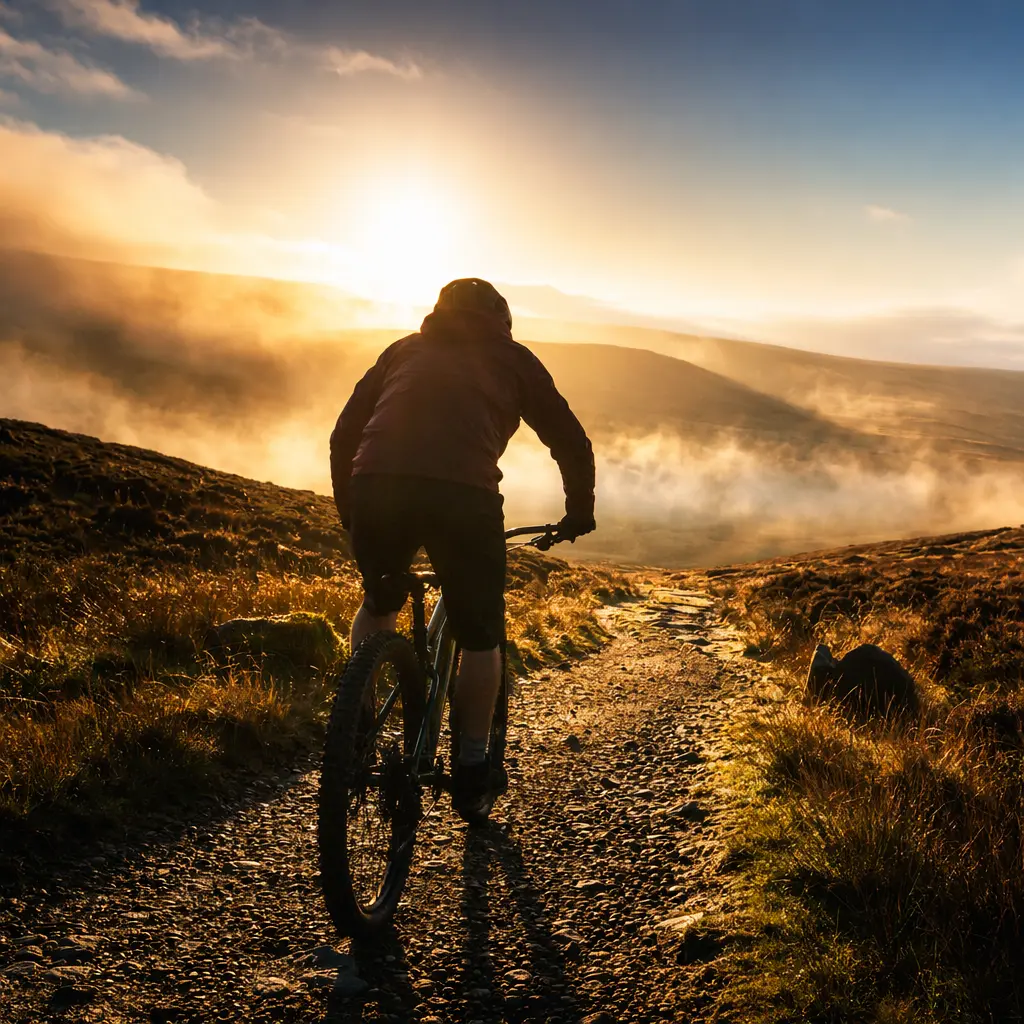
Standout categories or types
Within the £1,500 bracket, hardtails tend to fall into a few broad styles. Knowing which suits your riding makes the price feel more justified.
- Trail-focused hardtails: Designed for UK trail centres and technical natural routes, these feature slacker geometry and longer wheelbases for downhill confidence.
- XC-leaning hardtails: Lighter and more efficient on climbs, but less forgiving on steep or rocky descents.
- Rigid rear, dropper-ready frames: Many bikes at this level are designed to take a dropper seatpost, a practical upgrade for UK terrain with frequent ups and downs.
Frequently asked questions
Is £1,500 overkill for UK trail centres?
Not necessarily. UK trail centres often mix smooth flow with rocky or rooty sections. The improved suspension and brakes found at this price make riding faster and more controlled, especially in wet conditions.
How much better is the suspension than on cheaper bikes?
Air-sprung forks with proper damping feel more supportive and predictable. They track the ground better and resist diving under braking, which is noticeable on longer or more technical descents.
Should I buy a cheaper hardtail and upgrade it?
Upgrading can work, but costs add up quickly. Frames and geometry can’t be upgraded later, so starting with a solid base often makes better financial sense.
Is a hardtail still sensible compared with entry-level full suspension?
For £1,500, a hardtail usually offers better components and lower weight than a basic full-suspension bike. Maintenance is simpler too, which suits muddy UK riding.
Ultimately, £1,500 hardtail mountain bikes can be worth it if you ride regularly on UK trails and value control, durability and modern geometry. They’re not the cheapest way into off-road cycling, but for committed riders who want a capable, low-maintenance trail bike, the mid-range hardtail remains a strong and sensible choice.
Find these on Amazon
As an Amazon Associate, CheapBikes earns from qualifying purchases.