Best mountain bikes £1,000–£2,000 for UK trail centres
A value-focused guide to mountain bikes priced £1,000–£2,000, explaining which upgrades really matter for UK trail centres and what trade-offs to expect.
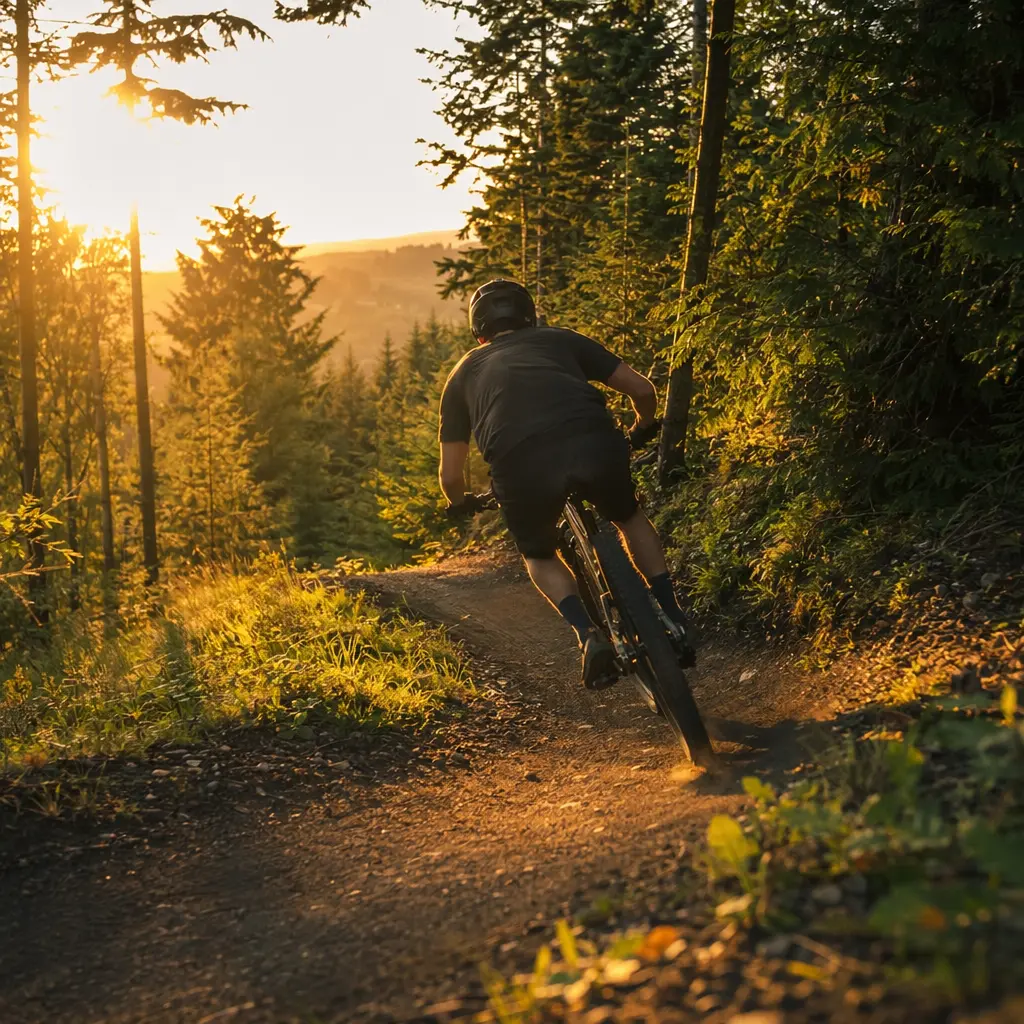
Spending £1,000–£2,000 on a mountain bike is a big step up from entry-level hardtails. For UK trail centres, this budget brings meaningful upgrades in suspension, brakes and geometry — but not everything improves at once. This guide explains what actually changes, what’s worth paying for, and where it’s sensible to compromise.
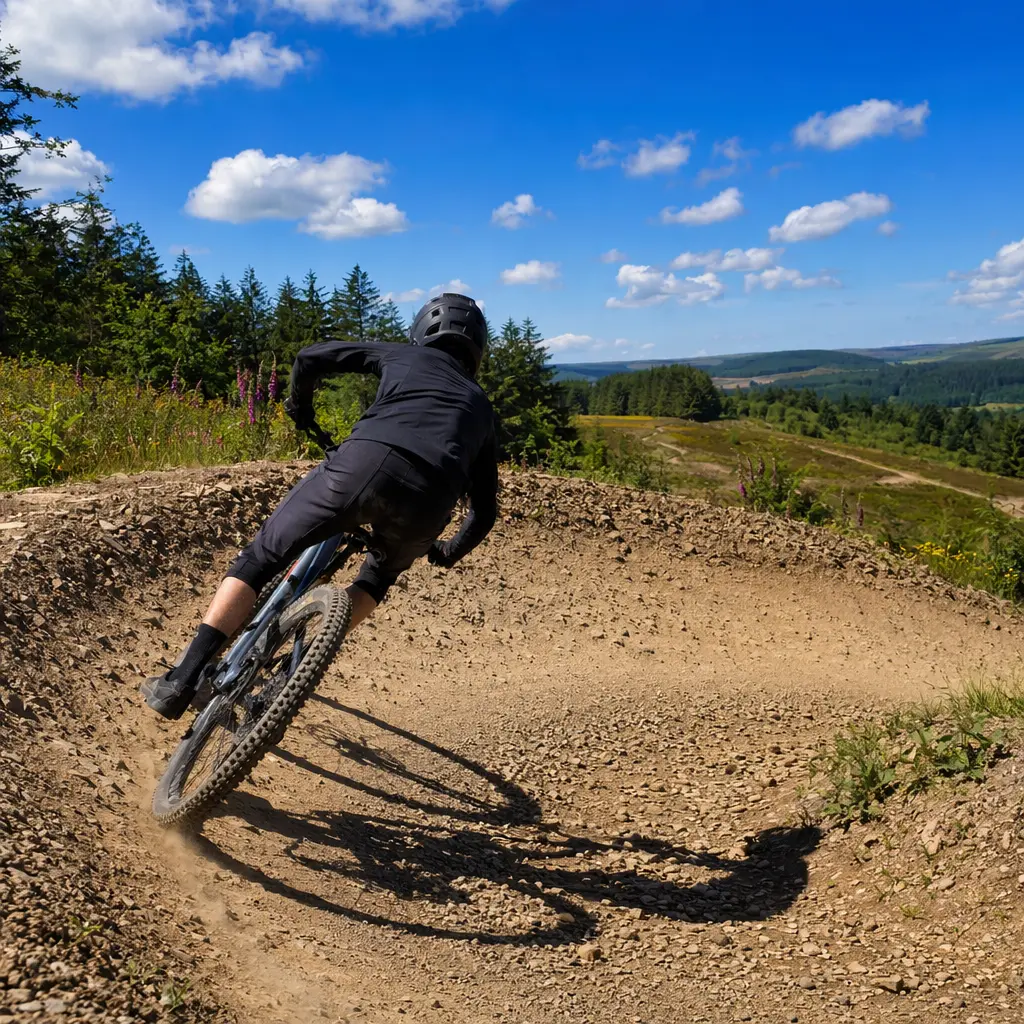
What to look for
At this price point, the frame is usually sound, so the real differences are in the parts bolted to it. Prioritise components that affect control and confidence on red and blue trails.
- Gearing: A 1x drivetrain with a wide-range cassette is now common and simpler to maintain than older 2x setups.
- Frame material: Aluminium frames dominate; they’re light enough and tough for trail centre riding.
- Brake type: Hydraulic disc brakes with larger rotors give far better power and modulation on long descents.
- Geometry: Longer reach, slacker head angle and shorter stems improve stability without making the bike dull on climbs.
- Fit: Correct frame size matters more than any single component upgrade.
- Weight: Expect sensible trail weights rather than ultra-light builds; durability matters more here.
- Included accessories: Dropper seatposts are increasingly standard and make a big difference on technical trails.
Budget and what you're getting
Compared with sub-£1,000 bikes, the £1,000–£2,000 bracket usually brings better suspension forks with proper damping, stronger wheels, and brakes you can trust on repeated descents. You’re still unlikely to get top-tier suspension or ultra-light components, and finishing kit (bars, saddle, tyres) may be basic. The gains are about control and reliability rather than outright speed.
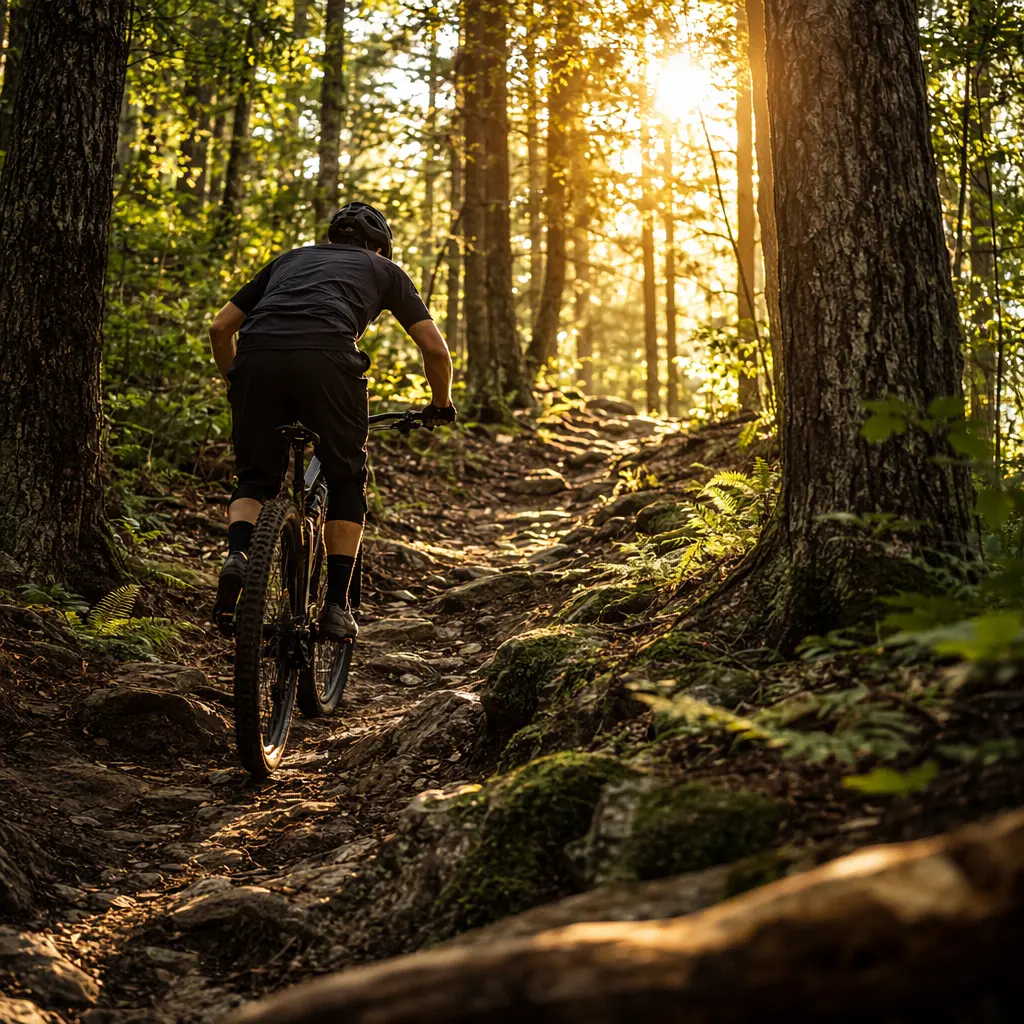
Standout categories or types
Most bikes in this range are trail-focused hardtails, but there are meaningful variations that affect how they ride at UK trail centres.
- Aggressive hardtails: Slacker geometry and longer travel forks suit rougher trail centre reds and bike park days.
- Lighter XC-leaning hardtails: Steeper geometry and lower weight favour long loops and smoother trails.
- Entry-level full suspension: Occasionally available at the top of the budget, but expect compromises in weight and components.
Frequently asked questions
Is a hardtail still the best choice at this price?
For most riders, yes. A good hardtail with quality components is usually more reliable and better equipped than a budget full-suspension bike.
How much suspension travel do I need for trail centres?
Around 120–140mm up front suits most UK trail centres, balancing comfort, control and climbing efficiency.
Are dropper seatposts essential?
They’re not essential, but once you’ve used one, it’s hard to go back. Many bikes in this range now include them as standard.
Should I prioritise brakes or suspension?
Strong, reliable brakes should come first. Good suspension helps, but poor brakes limit confidence far more on UK trails.
Overall, £1,000–£2,000 buys a mountain bike that’s genuinely capable on UK trail centres. Focus on fit, brakes and modern geometry, and you’ll get a bike that feels confident now and leaves room for sensible upgrades later.
Find these on Amazon
As an Amazon Associate, CheapBikes earns from qualifying purchases.