Best kids’ bikes under £400 for growing riders
A clear buyer’s guide to kids’ bikes under £400. Learn how to choose the right size, what adjustability matters, and when gears and better brakes start to make sense for growing riders.
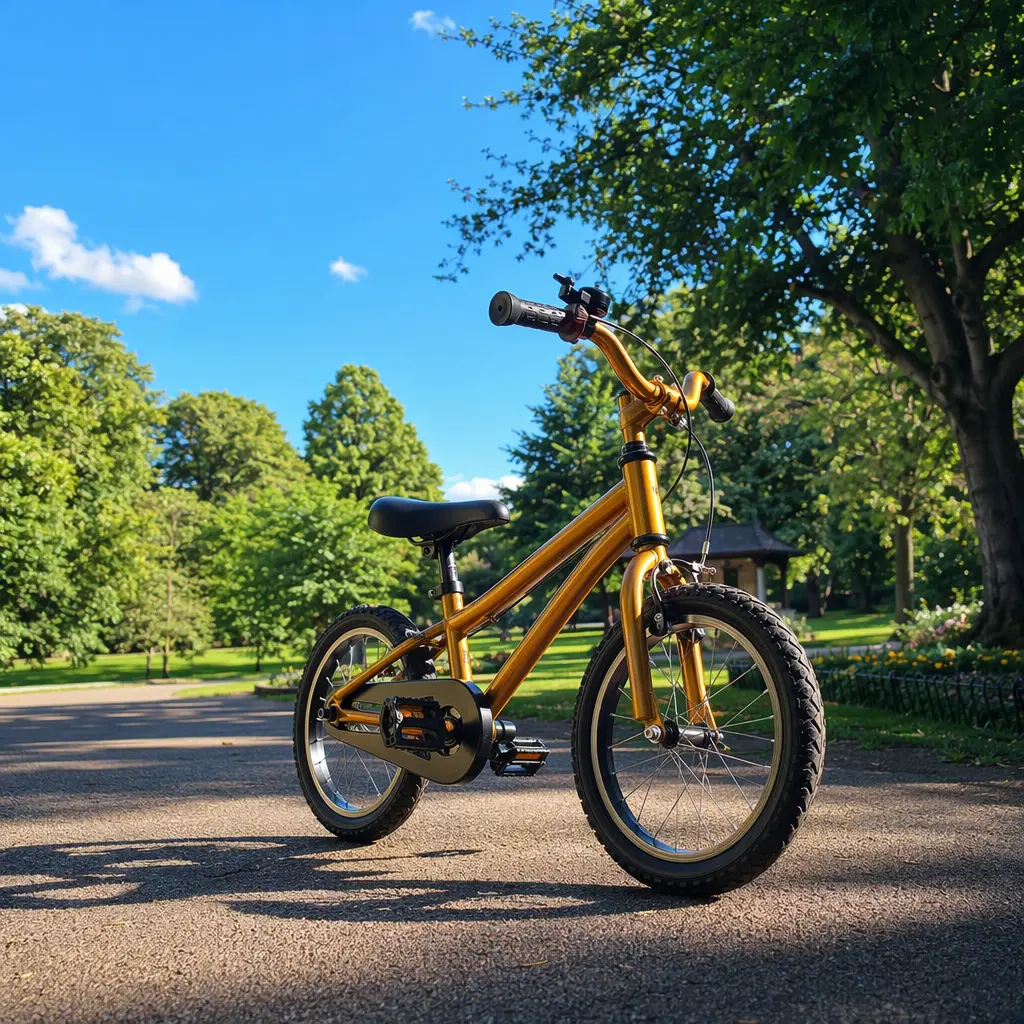
Buying a kids’ bike can feel tricky: children grow fast, sizes overlap, and features jump quickly in price. With a budget under £400, the goal is to get a bike that fits now, adjusts as your child grows, and is enjoyable enough that it actually gets used. This guide explains sizing, adjustability and when extra features like gears start to help, so you can spend sensibly without overbuying.
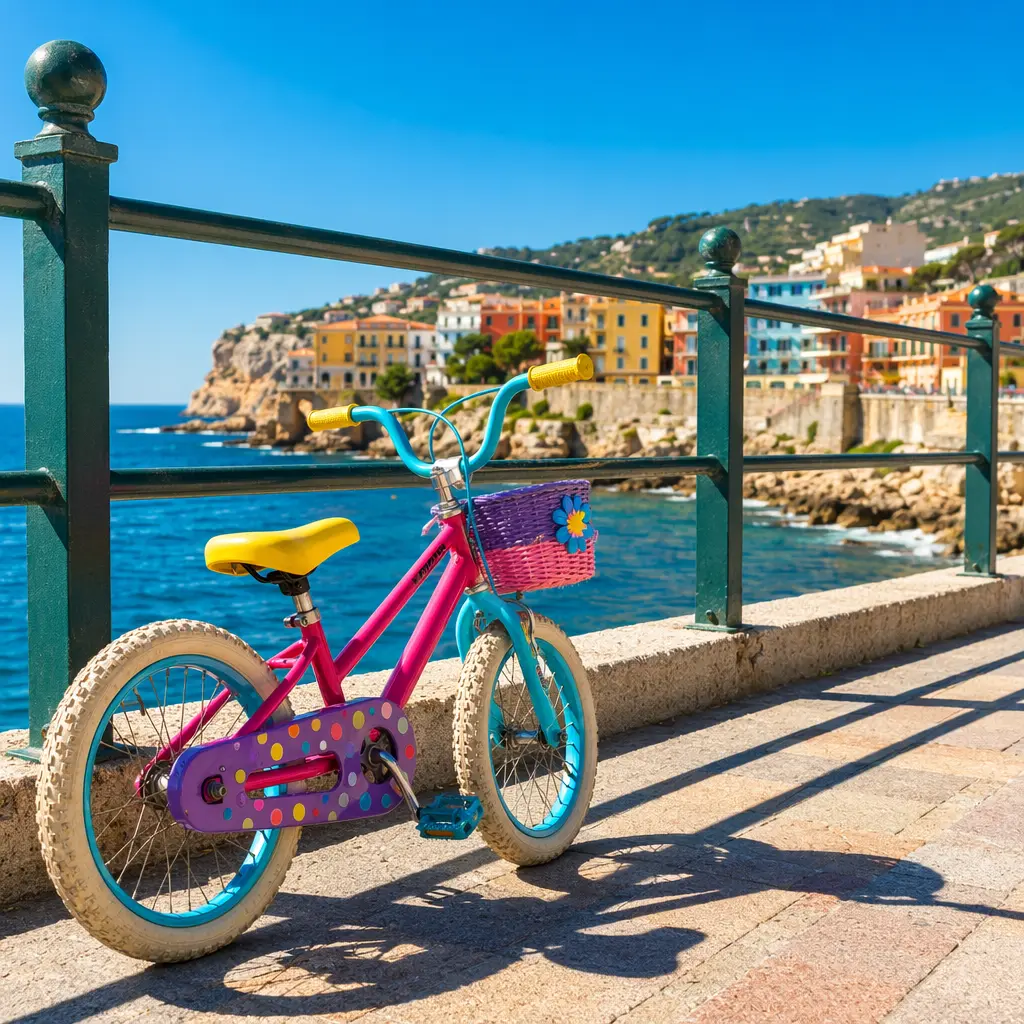
What to look for
At this price point, the basics matter more than flashy extras. Focus on fit, sensible components and how easily the bike can adapt over the next couple of years.
- Wheel size and fit: Kids’ bikes are sized by wheel diameter (often 14", 16", 20" and 24"). Check the manufacturer’s height range and aim for a bike your child can straddle comfortably with some growing room.
- Adjustability: A long seatpost and a stem that allows bar height changes extend the usable life of the bike. Look for plenty of saddle adjustment rather than a very low minimum height only.
- Frame material: Aluminium frames are common under £400 and keep weight down. Steel is tougher and sometimes cheaper, but usually heavier for smaller riders.
- Brakes: Rim brakes are fine for younger kids and easier to maintain. As wheel sizes reach 20"–24", mechanical disc brakes can offer better wet-weather control, but add cost and weight.
- Gearing: Single-speed bikes are lighter and simpler. Gears start to make sense as rides get longer or hillier, usually from 20" wheels upwards.
- Weight: A lighter bike is easier to control and more fun. As a rule, avoid bikes that feel overly heavy for the wheel size.
- Included accessories: Mudguards, a chainguard and reflectors are useful for everyday riding, but they can often be added later if missing.
Budget and what you’re getting
Under £400 sits a useful sweet spot for kids’ bikes. You can expect decent frames, reliable brakes and sensible geometry, but not ultra-light race parts. Tyres and saddles may be basic, and suspension (if included) is often heavy with limited benefit. Spending within this range is usually about prioritising fit and weight over extra features that a child may not need yet.
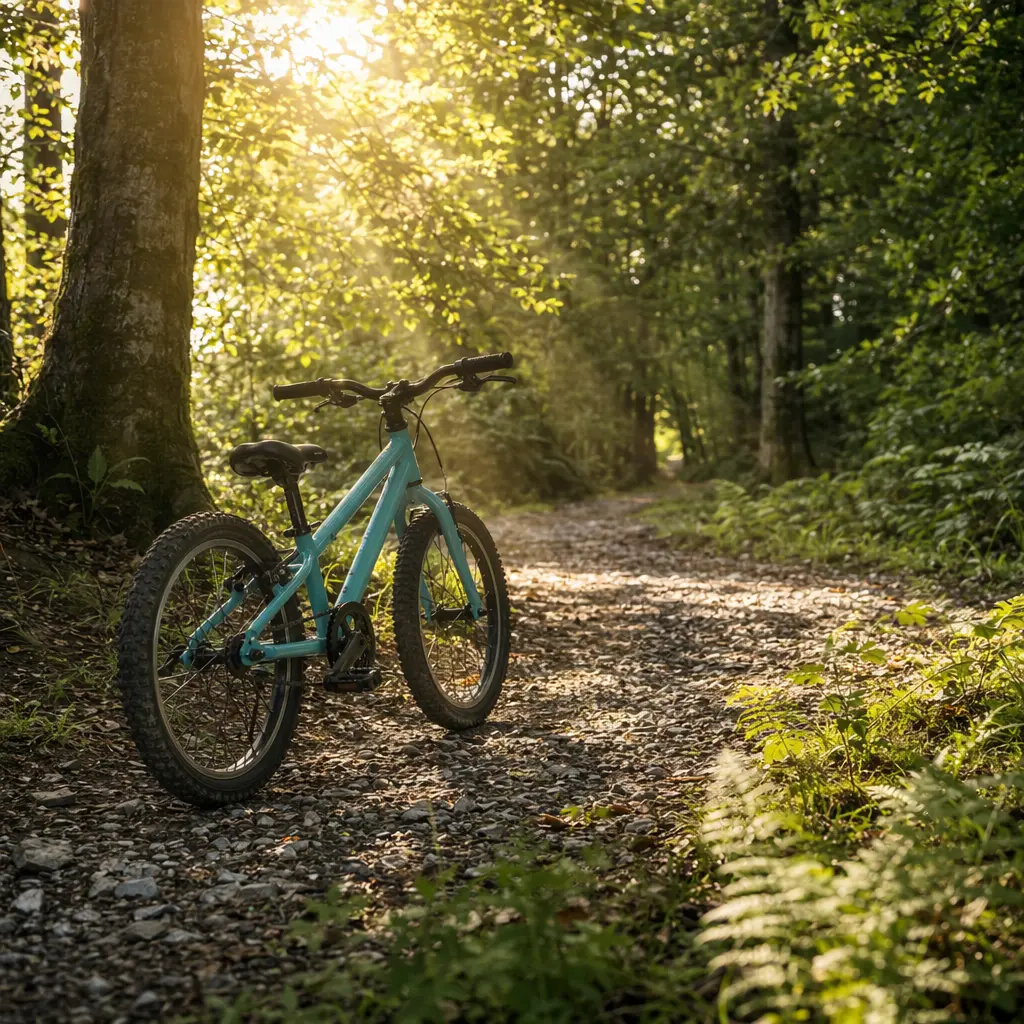
Standout categories or types
Within the kids’ bike market, a few broad categories dominate under £400. Understanding the differences helps match the bike to how it will be used.
- Balance and early pedal bikes: For the smallest riders, simplicity and low weight matter more than anything. Skip suspension and gears entirely.
- Single-speed pedal bikes (16"–20"): Ideal for learning and short local rides. Fewer parts mean less maintenance and a lighter feel.
- Geared kids’ bikes (20"–24"): As distances increase, a small gear range helps with hills and mixed terrain. Look for easy-to-use shifters sized for small hands.
- Rigid vs front suspension: Rigid forks are lighter and more efficient on roads and paths. Entry-level suspension adds weight and rarely improves comfort for lighter riders.
Frequently asked questions
When do kids actually need gears?
Gears become useful when rides include longer distances or noticeable hills. Many children manage fine without gears up to a 16" or even 20" bike if terrain is flat. Beyond that, a small range of gears can reduce fatigue and make cycling more enjoyable.
Is it better to buy big so they grow into it?
Buying too big can put children off cycling. A slightly larger size with plenty of saddle adjustment is fine, but they should still be able to start, stop and steer confidently from day one.
Do heavier bikes really matter for kids?
Yes. Children have less strength relative to their body weight, so an extra kilo can make a noticeable difference. Lighter bikes are easier to control, especially when starting and stopping.
Are disc brakes worth it on kids’ bikes?
Mechanical disc brakes can be helpful in wet conditions on larger wheel sizes, but they are not essential. Well-set-up rim brakes are usually more than adequate for younger riders.
A kids’ bike under £400 can be a smart buy if you focus on fit, weight and sensible features. Prioritise adjustability so the bike lasts through growth spurts, and don’t pay extra for components your child won’t benefit from yet. The right choice makes cycling easier, safer and far more fun.
Find these on Amazon
As an Amazon Associate, CheapBikes earns from qualifying purchases.