How to Choose a Kids’ Bike for Ages 6–8
A plain-English guide to buying a bike for 6–8 year olds. Learn how to size it properly, keep weight manageable, check brakes, and avoid common mistakes that make riding harder than it should be.
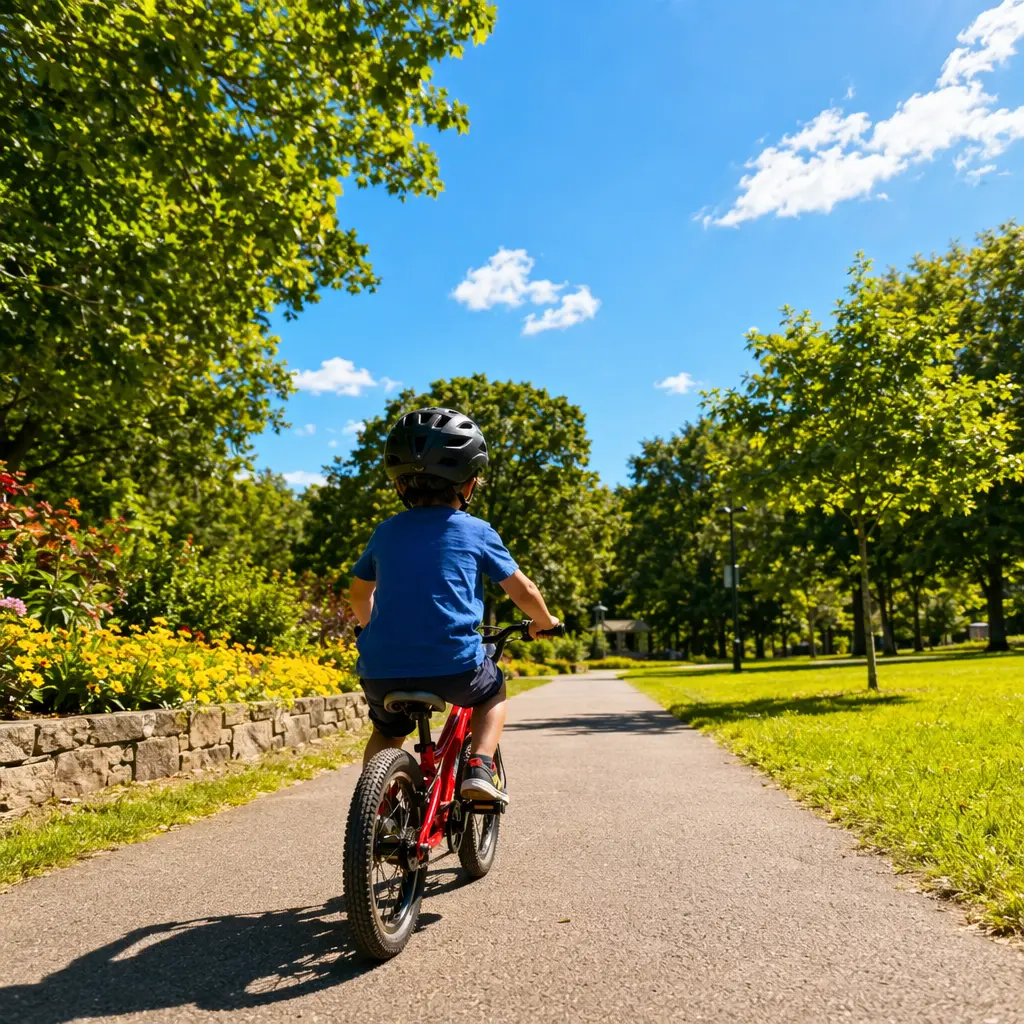
Buying a bike for a child aged 6–8 can feel surprisingly tricky. At this stage, kids are growing fast, gaining confidence, and starting to ride further — but many bikes aimed at this age group are still too heavy, poorly sized, or awkward to control. Getting the basics right now makes riding safer and more fun, and avoids the common mistake of buying something they quickly outgrow or struggle to use.
What to look for
For 6–8 year olds, the focus should be on fit, low weight, and simple controls. Fancy features matter far less than a bike your child can handle confidently on their own.
- Wheel size and fit: Most children in this age range suit a 20-inch wheel, but height and inside-leg length matter more than age. Your child should be able to touch the ground with the balls of their feet when seated.
- Weight: A lighter bike is easier to start, stop, steer and pick up. Heavy frames and suspension forks can make riding tiring and frustrating.
- Frame material: Aluminium frames are common and keep weight down. Steel frames can be durable but are often heavier at this price point.
- Brakes: Look for child-specific brake levers that are easy to reach and squeeze. Check that your child can comfortably pull the lever without twisting their grip.
- Gearing: Many 6–8 year olds do well with a single-speed bike. If there are gears, a simple rear gear with a twist grip or thumb shifter is usually easiest.
- Geometry: An upright riding position improves balance and visibility. Avoid long, stretched-out frames designed to look like adult bikes.
- Included accessories: Mudguards, a chain guard, and reflectors are useful for everyday riding and help keep clothes clean and safe.
Budget and what you're getting
At this age, many families want to balance cost with quality, knowing the bike may only be used for a couple of years. Cheaper bikes often use heavier frames, basic brakes, and generic components, which can affect how easy the bike is to ride. Spending a bit more typically gets you lower weight, smoother braking, and parts sized properly for children. The key trade-off is durability versus performance: budget bikes can cope with occasional use, while better-specced options handle regular riding with fewer adjustments.
Standout categories or types
Most bikes for 6–8 year olds fall into a few broad categories, and choosing the right type can make a big difference to confidence and enjoyment.
- Single-speed kids’ bikes: Simple, light, and low maintenance. Ideal for flat routes, parks, and learning good pedalling technique.
- Geared kids’ bikes: Useful if your child rides hills or longer distances. Look for a small number of gears rather than complex multi-speed systems.
- Rigid vs front suspension: Suspension forks add weight and often don’t work well for lighter riders. A rigid fork usually rides better and needs less upkeep.
- Everyday vs off-road styled bikes: Chunky tyres and mountain-bike looks are popular, but smoother tyres roll more easily on pavements and cycle paths.
Frequently asked questions
Is a 20-inch bike always right for a 6–8 year old?
Not always. While 20-inch wheels are common for this age group, some smaller children may still fit an 18-inch, and taller children may be ready for a 24-inch. Always check the manufacturer’s height guide and test the fit if you can.
Are gears necessary at this age?
Gears aren’t essential for all children. If rides are mostly on flat ground, a single-speed bike is often easier and lighter. Gears can help on hills, but only if your child understands how to use them.
What brake type is best for small hands?
Rim brakes are common and perfectly adequate. The most important factor is lever reach and pull strength. Avoid bikes where your child struggles to squeeze the lever fully.
Should I buy a bike they can grow into?
Buying a bike that’s too big often slows progress and reduces confidence. It’s better to buy a bike that fits well now and pass it on or resell it later.
A well-chosen bike at this age helps children build skills, independence, and a lasting enjoyment of cycling. Focus on fit, manageable weight, and easy-to-use controls, and you’ll avoid most of the common pitfalls. The right bike should feel inviting — not like something they have to struggle with — and that’s what keeps kids riding.
Find these on Amazon
As an Amazon Associate, CheapBikes earns from qualifying purchases.