Best kids’ bikes with gears under £400
A buyer’s guide to kids’ bikes with gears under £400. Learn when gears help, what to prioritise for weight and fit, and the trade-offs to expect at this budget.
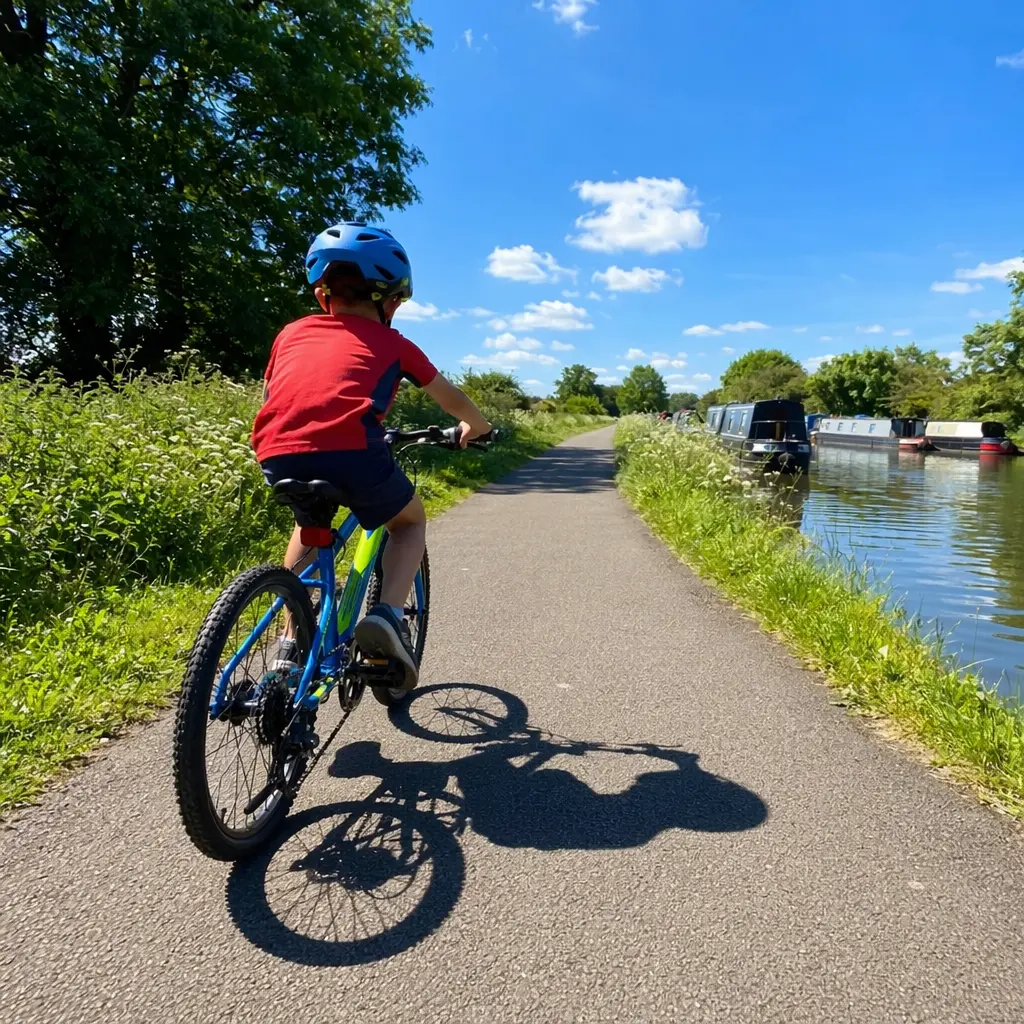
Gears can make a big difference for children who want to ride further, tackle hills, or keep up on family rides. The challenge is finding a kids’ bike with gears that doesn’t pile on weight or cost. With a budget under £400, there are solid options — if you know what matters and what to skip.
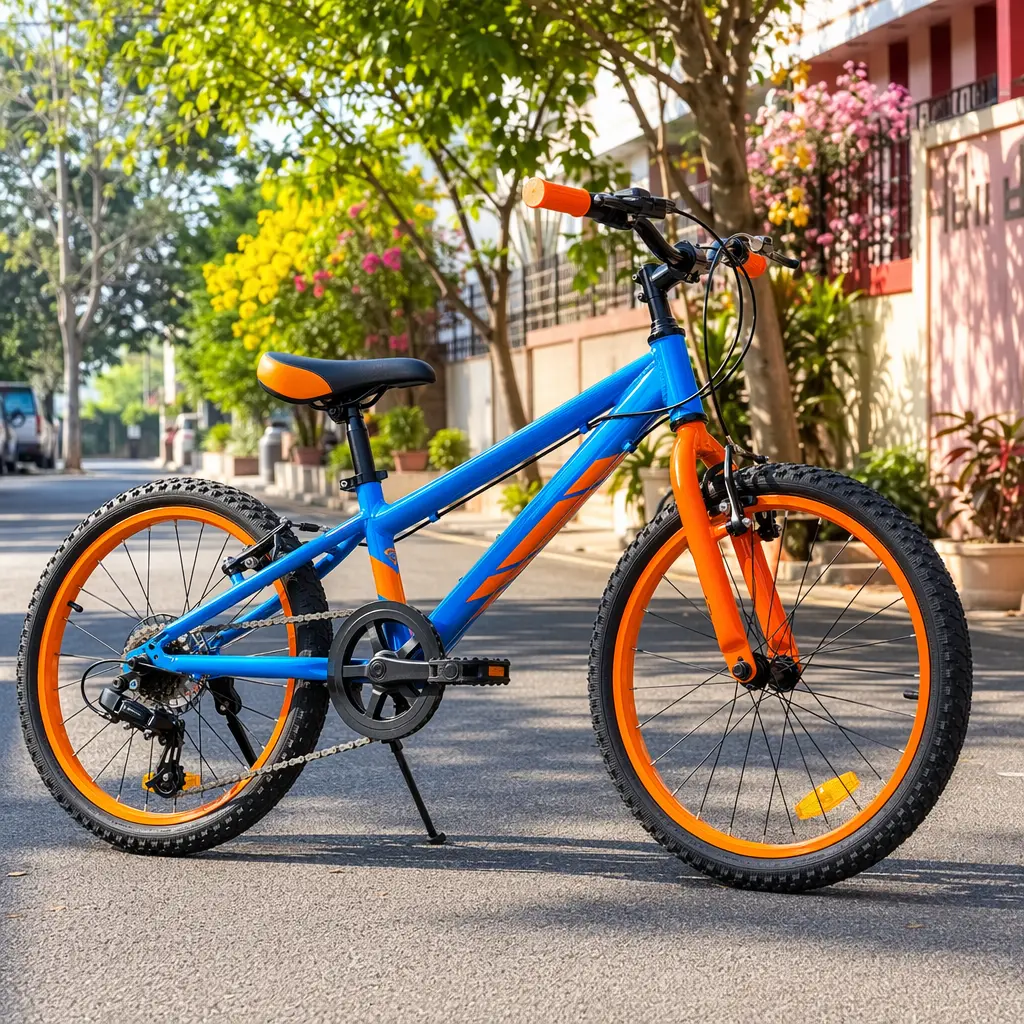
What to look for
A good kids’ bike with gears should help riding feel easier, not harder. That means sensible gearing, low weight, and controls small hands can actually use. Prioritise the fundamentals below and you’ll avoid most of the common pitfalls.
- Gearing: 6–8 gears is usually enough. Wide-range gears help on hills without confusing young riders.
- Frame material: Aluminium keeps weight down; steel is tougher but noticeably heavier for children.
- Brake type: Rim brakes are lighter and cheaper; cable disc brakes add weight with little benefit at this level.
- Geometry: Upright, stable handling builds confidence and reduces strain on arms and neck.
- Fit: Correct wheel size (often 20", 24" or 26") matters more than gears. Standover height should feel comfortable.
- Weight: Every extra kilo counts for kids. Lighter bikes are easier to start, stop and control.
- Included accessories: Mudguard mounts and rack eyelets are useful; heavy kickstands can be skipped.
Budget and what you’re getting
Under £400, you’re paying for reliable basics rather than premium components. Expect simple drivetrains, cable brakes, and durable wheels rather than ultra-light parts. That’s not a bad thing — simpler bikes tend to be tougher and cheaper to maintain. The key compromise is weight: budget geared kids’ bikes are usually heavier than high-end options, so choosing the lightest sensible build makes riding more enjoyable.
Standout categories or types
Not all kids’ geared bikes are built for the same riding. Choosing the right style can make a bigger difference than the number of gears alone.
- Hybrid-style kids’ bikes: Best all-rounders for roads, paths and light gravel. Usually lighter and faster than MTB-style options.
- MTB-style kids’ bikes: Chunkier tyres and suspension forks look appealing but add weight. Useful only for regular off-road riding.
- Rigid vs front suspension: Rigid forks are lighter and more efficient. Budget suspension often adds weight without much comfort gain.
- Single chainring setups: Easier shifting and fewer dropped chains than older triple-ring designs.
Frequently asked questions
At what age do kids benefit from gears?
Most children start benefiting from gears once they’re confidently riding and tackling varied terrain — often from around 6–7 years old, depending on height and strength. Before that, a lighter single-speed can be easier to manage.
How many gears does a child really need?
More gears aren’t always better. Six to eight well-spaced gears cover most situations without overwhelming younger riders or adding unnecessary weight.
Are disc brakes worth it on kids’ bikes?
At this price point, rim brakes are usually the better choice. They’re lighter, easier to adjust, and offer plenty of stopping power for children.
Should I prioritise wheel size or frame size?
Wheel size is a good starting point, but overall fit matters more. Check standover height, saddle adjustment range and reach to the bars.
A well-chosen kids’ bike with gears under £400 can open up longer rides and new routes without breaking the bank. Focus on fit, weight and sensible gearing, and you’ll get a bike that encourages confidence — and gets used, not left in the shed.
Find these on Amazon
As an Amazon Associate, CheapBikes earns from qualifying purchases.