Folding bikes under £300 for buses and trains
A buyer’s guide to folding bikes under £300, focusing on carry weight, folded size and wheel choice for easy travel on UK buses and trains.

If your commute mixes cycling with buses or trains, a folding bike can save time and hassle. At under £300, the challenge is finding something light enough to carry, compact enough to store, and sturdy enough for daily use. This guide explains what to prioritise so you can choose a budget folder that works with UK public transport rules and real-world commuting.
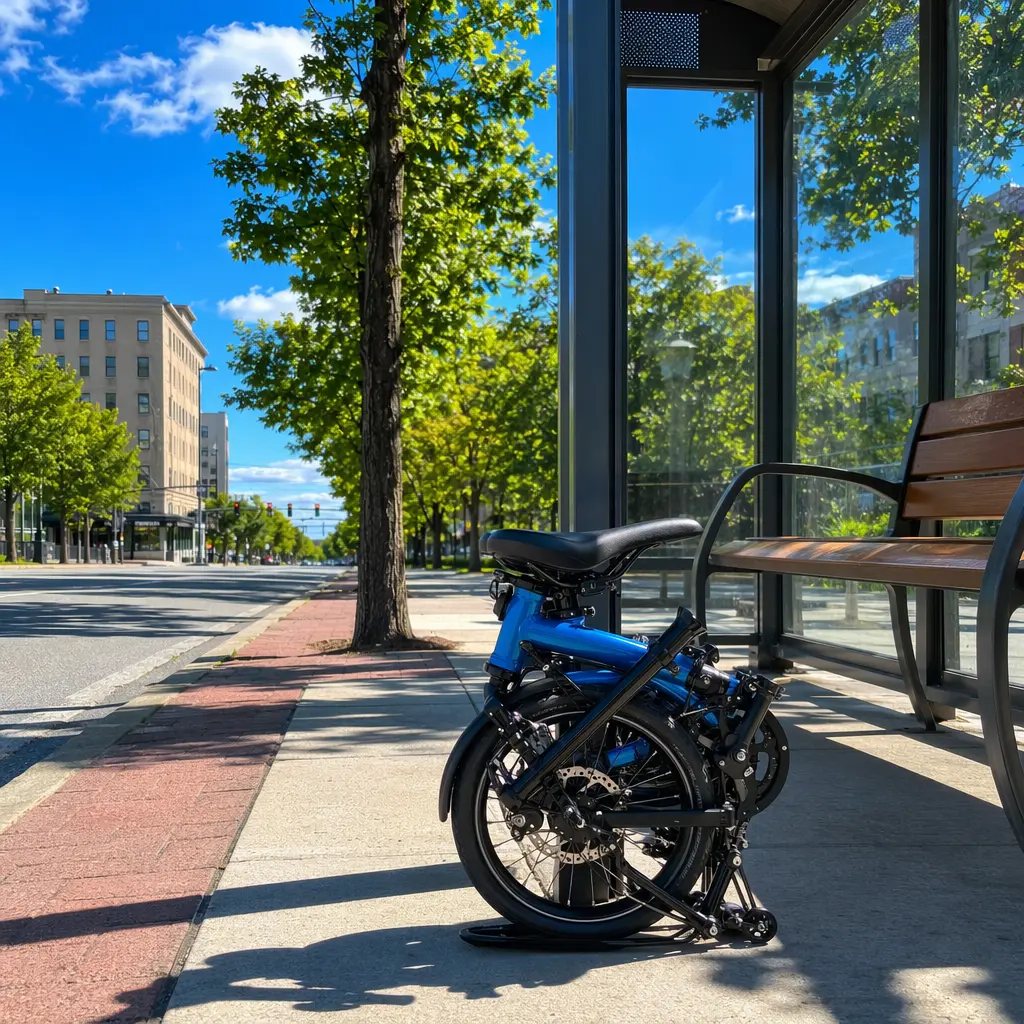
What to look for
Budget folding bikes share similar components, so the details matter. Focus on how easy the bike is to lift and carry, how small it folds, and whether the wheels suit your journey surfaces.
- Carry weight: Many budget folders weigh 12–15kg. Lighter is better for stairs and platforms, but very light bikes usually cost more.
- Folded size: Check the folded dimensions, not just wheel size. Smaller folds fit under train seats and bus luggage spaces more easily.
- Wheel size: 16-inch wheels fold smallest but feel twitchier. 20-inch wheels roll better on rough tarmac and towpaths.
- Gearing: Expect a simple 6–7 speed setup. Wide-range gears are rare at this price, so think about hills on your route.
- Brake type: Rim brakes are common and fine for city speeds. Disc brakes add weight and cost, and are unusual under £300.
- Frame material: Steel is durable and cheap but heavier. Aluminium saves weight but can feel harsher over potholes.
- Included accessories: Mudguards and a rear rack are useful for commuting, but many budget folders come bare.
Budget and what you're getting
Under £300, you’re paying for basic functionality rather than refinement. Folding mechanisms may need two hands and a bit of practice. Gears and brakes will be entry-level, meaning more frequent adjustment. The upside is value: these bikes can handle short-to-medium commutes, store neatly in a hallway, and avoid peak-time restrictions that apply to full-size bikes on some services.
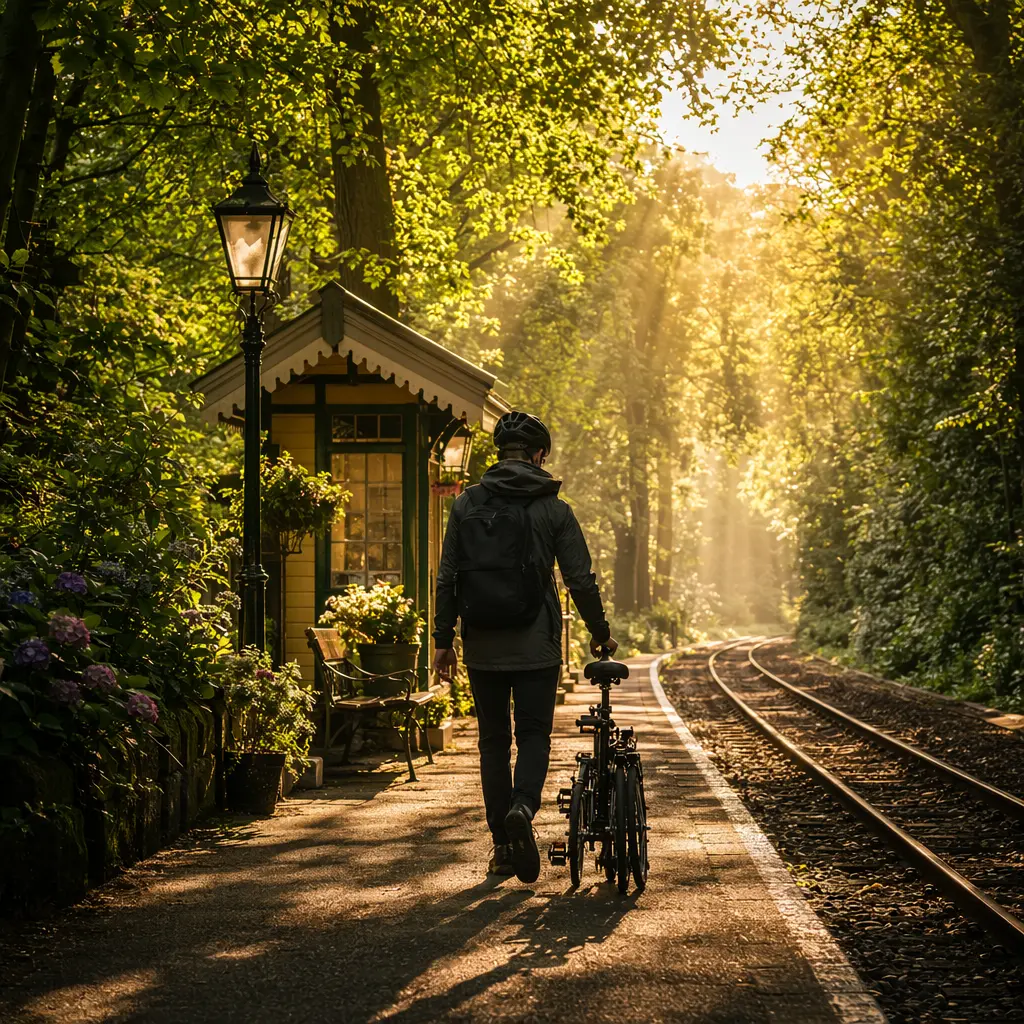
Standout categories or types
Even at the budget end, folding bikes fall into a few clear types. Knowing which suits your travel pattern can narrow the search quickly.
- Ultra-compact folders: Usually with 16-inch wheels. Best for crowded trains and small flats, but less forgiving on rough roads.
- All-round 20-inch folders: Slightly bigger when folded, but more stable and comfortable for longer rides.
- Single-speed or hub-light options: Fewer gears mean less maintenance and often a cleaner fold, but hills will be harder work.
Frequently asked questions
Can I take a folding bike on any UK train?
Most UK operators allow folded bikes at any time, as long as they’re fully folded. Size limits can apply, so compact folds are safer for peak travel.
Are smaller wheels slower?
Top speed is lower, but for stop-start city trips the difference is small. Smaller wheels accelerate quickly, which suits commuting.
Do folding bikes need special maintenance?
They use standard bike parts, but hinges and clamps should be checked regularly. Keep them clean and tightened to avoid play.
Is under £300 good enough for daily use?
Yes, for moderate distances. Expect to replace brake pads, cables and tyres sooner than on pricier models.
A folding bike under £300 won’t feel luxurious, but it can make mixed transport practical and flexible. Prioritise weight, folded size and wheel choice, and you’ll end up with a commuter-friendly bike that earns its keep every day.
Find these on Amazon
As an Amazon Associate, CheapBikes earns from qualifying purchases.