Best folding bikes £1,000–£2,000 for trains and storage
A buyer’s guide to premium folding bikes for UK trains and small homes. Learn what £1,000–£2,000 buys, how folding speed and ride feel differ, and what to prioritise for durability and daily commuting.
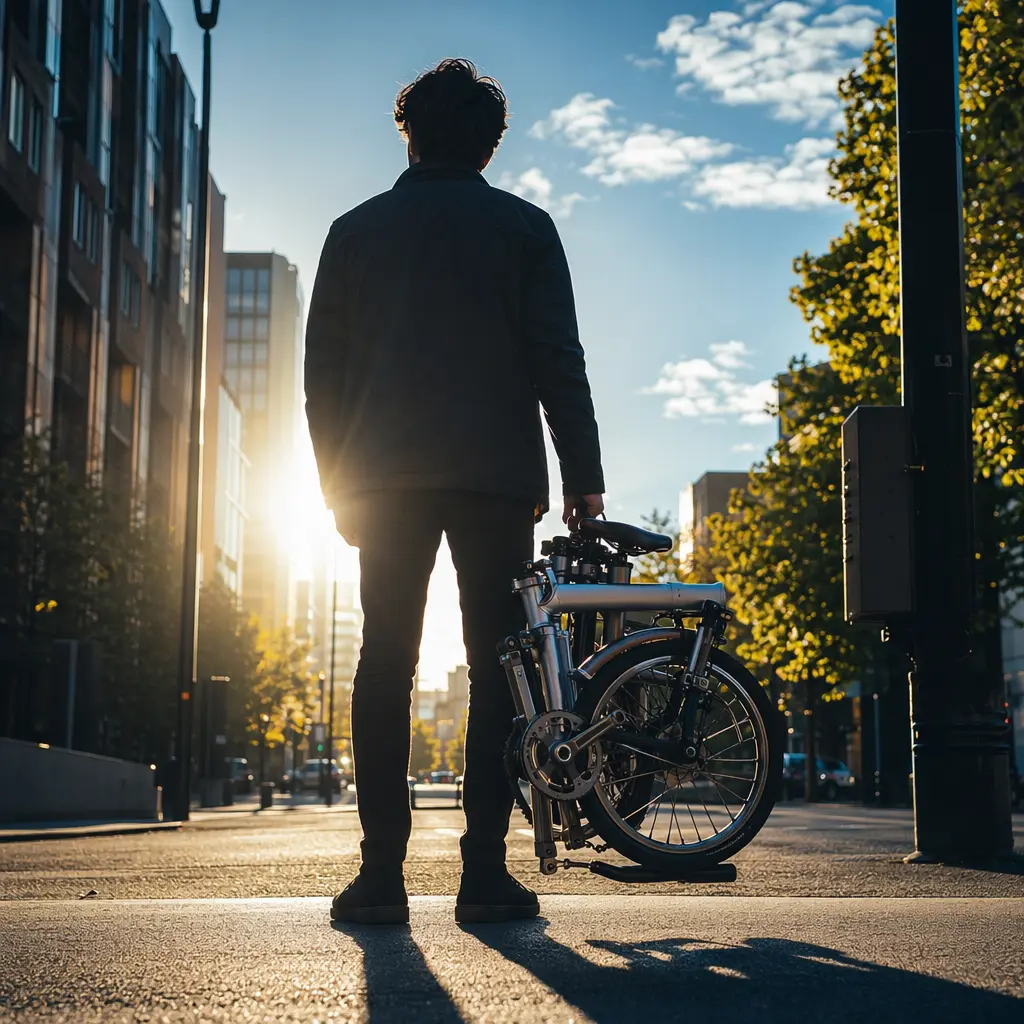
If you’re mixing cycling with trains, or living with limited storage, a folding bike can make daily travel far simpler. In the £1,000–£2,000 bracket you’re paying for quicker folds, tougher components and a ride that feels less compromised. This guide explains what matters at this price and how to choose a folding bike that suits UK rail travel and compact storage.
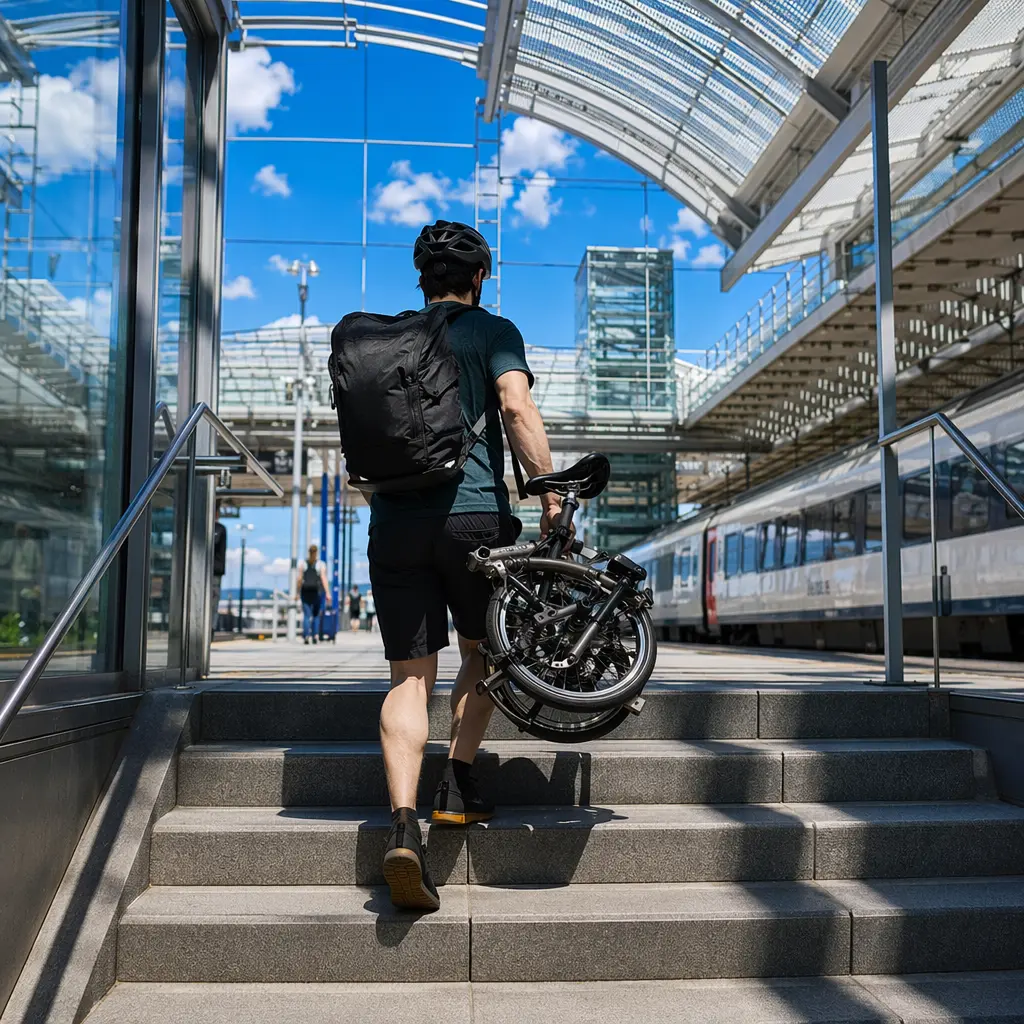
What to look for
At premium prices, small design details make a big difference. The best folding bikes balance speed of folding, durability for daily use and a ride that doesn’t feel twitchy or tiring.
- Folding mechanism and speed: Look for simple, secure hinges that lock positively. A quick fold matters when boarding busy trains.
- Folded size: Check the final dimensions, not just wheel size. A compact package is easier to store under desks or in luggage racks.
- Frame material: Aluminium dominates for low weight, while steel can offer a smoother ride and long-term durability.
- Gearing: Internal hub gears are low-maintenance and clean for train travel; wide-range setups help on hilly commutes.
- Brake type: Reliable rim brakes are common; some premium models use disc brakes for better wet-weather control.
- Geometry and fit: Upright positions suit city riding, while longer wheelbases improve stability at speed.
- Weight: Sub-12kg bikes are easier to carry up station stairs, but ultra-light designs can cost more.
- Included accessories: Mudguards, racks and lights add value and save money later.
Budget and what you're getting
Spending £1,000–£2,000 puts you firmly into premium folding territory. You should expect a solid, well-finished frame, tight manufacturing tolerances and components chosen for longevity rather than just low weight. The trade-off is that you’re paying for engineering, not speed: most folding bikes in this range are built for practicality, not outright performance. Wheels are smaller, tyre choice can be limited, and replacement parts may cost more. In return, you get a bike that survives daily folding, carries easily on trains and rides with reassuring stability compared with cheaper options.
Standout categories or types
Even within the same price band, folding bikes vary in character. Understanding the main types helps narrow your choice.
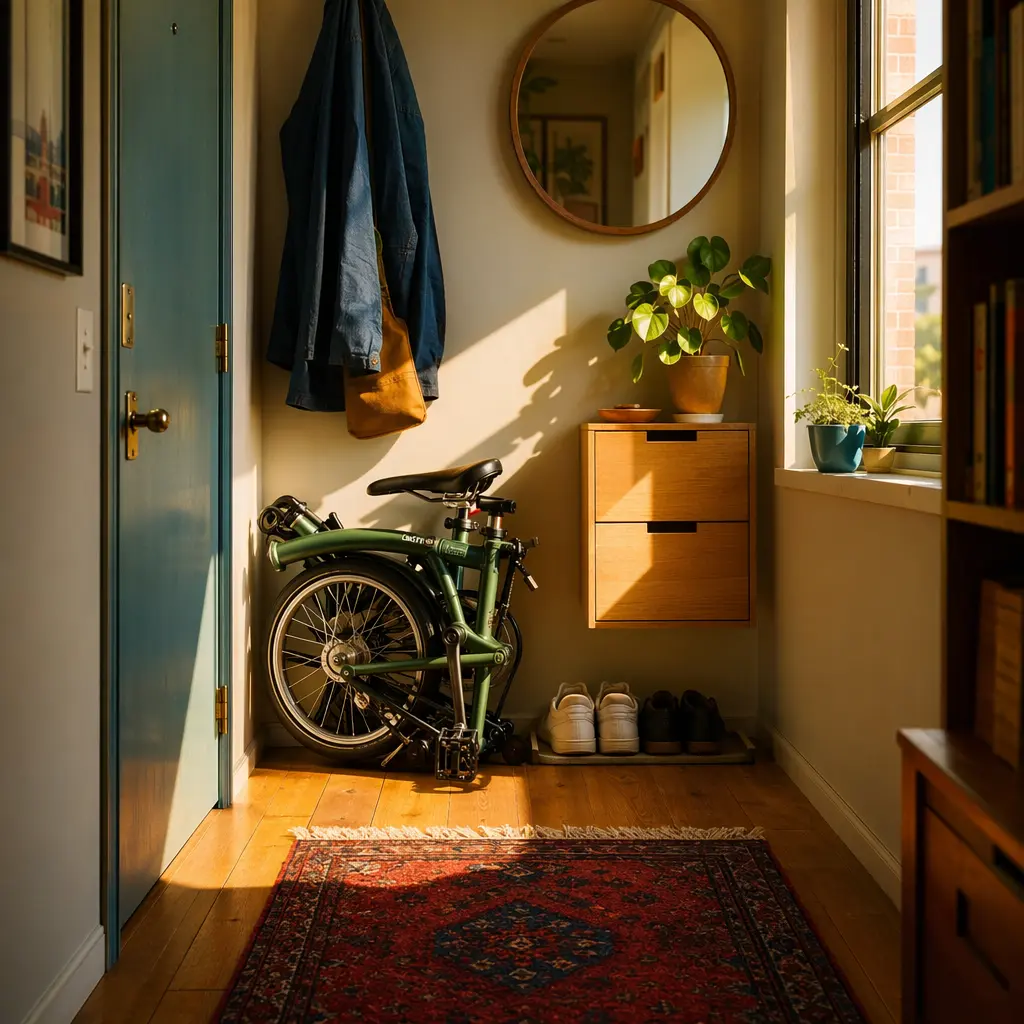
- Ultra-compact folders: Designed for the smallest possible fold, ideal for peak-time trains and tiny flats. Often use smaller wheels and prioritise portability over ride comfort.
- Ride-focused folders: Slightly larger when folded, but with longer wheelbases and better stability. A good choice if you ride longer distances between stations.
- Internal-gear commuters: Focused on low maintenance and year-round reliability, with enclosed gearing and full mudguards.
- Lightweight premium builds: Emphasise low carry weight with high-quality materials, sometimes at the expense of included accessories.
Frequently asked questions
Are folding bikes allowed on UK trains?
Most UK train operators allow folding bikes at any time, as long as they are folded. This is a major advantage over full-size bikes, which often face peak-time restrictions.
Do small wheels feel unstable?
Good-quality folding bikes are designed to compensate for smaller wheels with thoughtful geometry. Cheaper models can feel twitchy, but premium designs are usually stable and predictable.
How durable are folding mechanisms?
At this price, hinges and locks are built for frequent use. Regular cleaning and occasional adjustment will keep them secure for years of daily folding.
Can a folding bike replace a full-size commuter bike?
For urban commuting and mixed train travel, yes. For very long rides or rough surfaces, a full-size bike may still be more comfortable.
A folding bike in the £1,000–£2,000 range is an investment in convenience. If trains, storage and reliability are priorities, the right choice can make everyday travel smoother and more flexible without feeling like a compromise.
Find these on Amazon
As an Amazon Associate, CheapBikes earns from qualifying purchases.