Best Folding Bikes Under £300: Compromises to Know
A clear buyer’s guide to folding bikes under £300. Learn what you gain, what you give up, and how wheel size, hinges and ride feel affect daily commuting and storage.
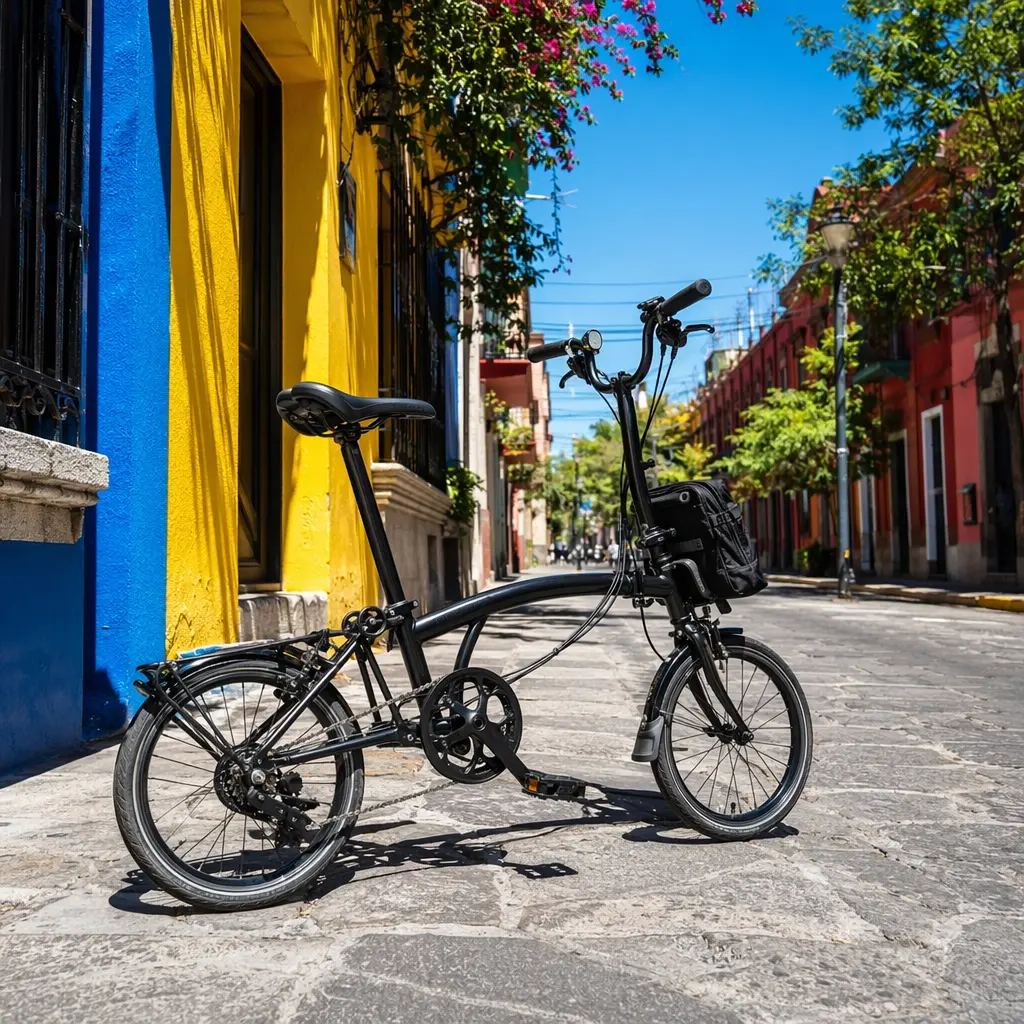
Folding bikes under £300 appeal to commuters short on space and cash. They promise easy storage at home or work, quick hops on trains or buses, and a simpler alternative to full-size bikes. At this price, though, every design choice involves compromise. This guide explains what to expect, where corners are usually cut, and how to pick a budget folder that still suits your daily journeys.
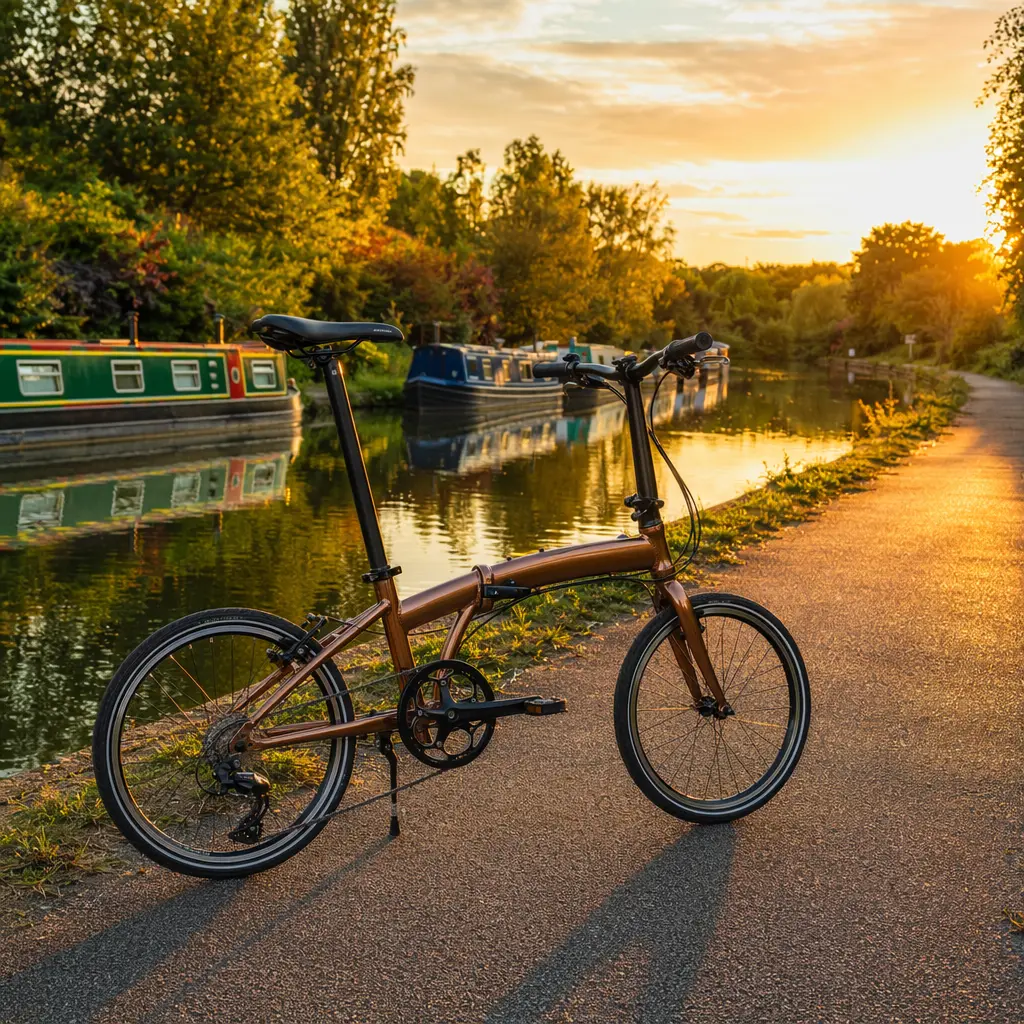
What to look for
Low-cost folding bikes vary more than they first appear. Paying attention to a few key details will help you avoid the worst compromises and choose a bike that fits your use.
- Wheel size: Most budget folders use 16in or 20in wheels. Smaller wheels fold tighter but feel twitchier; 20in wheels roll more smoothly and cope better with rough roads.
- Hinge quality: The main frame hinge is critical. Look for a solid latch with minimal play when locked; flex here affects both safety and ride feel.
- Gearing: Expect a simple 6- or 7-speed derailleur. It’s fine for flat to gently rolling routes but limited on steep hills.
- Brakes: Rim brakes are common at this price. They’re adequate for commuting but less powerful in wet weather than disc brakes.
- Geometry and fit: Folding bikes are one-size-fits-most. Check saddle height range and handlebar adjustability to suit your height.
- Weight: Budget folding bikes are rarely light. Heavier frames are tougher but less pleasant to carry up stairs or onto trains.
- Included accessories: Mudguards and a rear rack add value. Lights and kickstands are common but basic.
Budget and what you're getting
Under £300, you’re buying practicality rather than refinement. Frames are usually steel or basic aluminium, keeping costs down but adding weight. Components focus on durability over precision, so shifting may feel clunky and wheels may need occasional truing. You generally won’t get ultra-compact folds, premium hinges, or wide gear ranges. The upside is simplicity: fewer fancy parts mean cheaper maintenance and less worry about damage during daily use.
Standout categories or types
Even within the sub-£300 bracket, folding bikes fall into a few recognisable types. Knowing which suits your riding helps narrow the field quickly.
- 16in wheel folders: The most compact when folded and easiest to store under desks or in cupboards. Best for short, flat commutes.
- 20in wheel folders: Slightly larger when folded but noticeably more stable and comfortable on longer rides.
- Steel-frame folders: Heavier but often feel sturdier and soak up road buzz better than cheap aluminium.
- Alloy-frame folders: Lighter to carry but can feel harsh, especially with narrow tyres and rigid forks.
Frequently asked questions
Are folding bikes under £300 reliable?
They can be, if expectations are realistic. Regular checks on bolts, hinges and brakes are important, especially during the first few months of use.
How fast do they feel compared with normal bikes?
Small wheels accelerate quickly but lose speed more easily. On flat routes they’re fine; on longer rides they feel slower than full-size hybrids.
Can I take one on trains and buses?
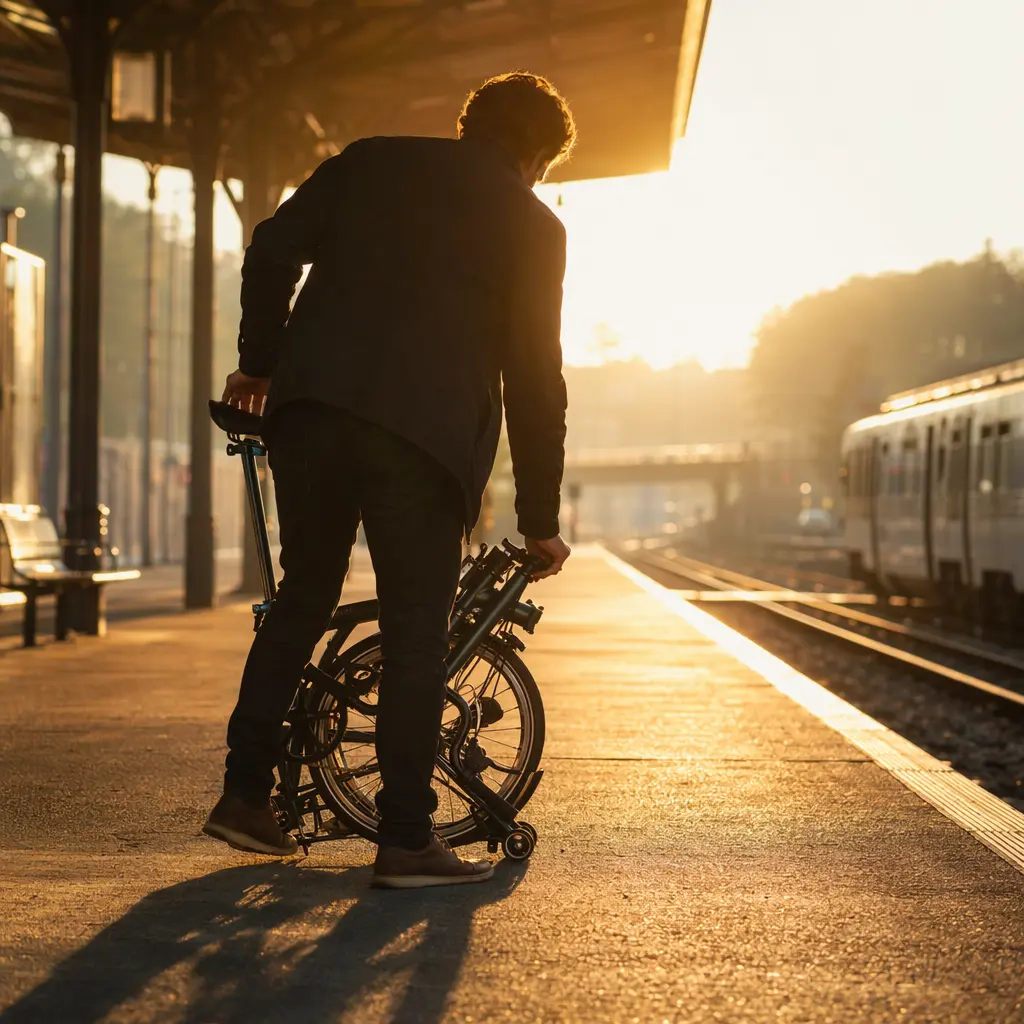
Most UK operators accept folding bikes, even at peak times, provided they are folded. Check the folded size and use a strap to keep it secure.
Do they handle hills?
Limited gearing makes steep climbs hard work. If hills dominate your route, consider whether a slightly higher budget would be worthwhile.
Are spare parts easy to find?
Most components are standard, but tyres and tubes for small wheels may be less common in local shops. Online availability is usually good.
A folding bike under £300 won’t replace a premium commuter, but it can solve real transport problems for modest money. Focus on hinge quality, wheel size and fit, accept the limits, and you’ll get a practical, space-saving bike that earns its keep on everyday journeys.
Find these on Amazon
As an Amazon Associate, CheapBikes earns from qualifying purchases.