Folding bikes for heavy riders: what to check
A plain‑English UK guide to folding bikes for heavier riders, covering weight limits, frame hinges, wheel size and brakes, plus realistic trade‑offs to expect.
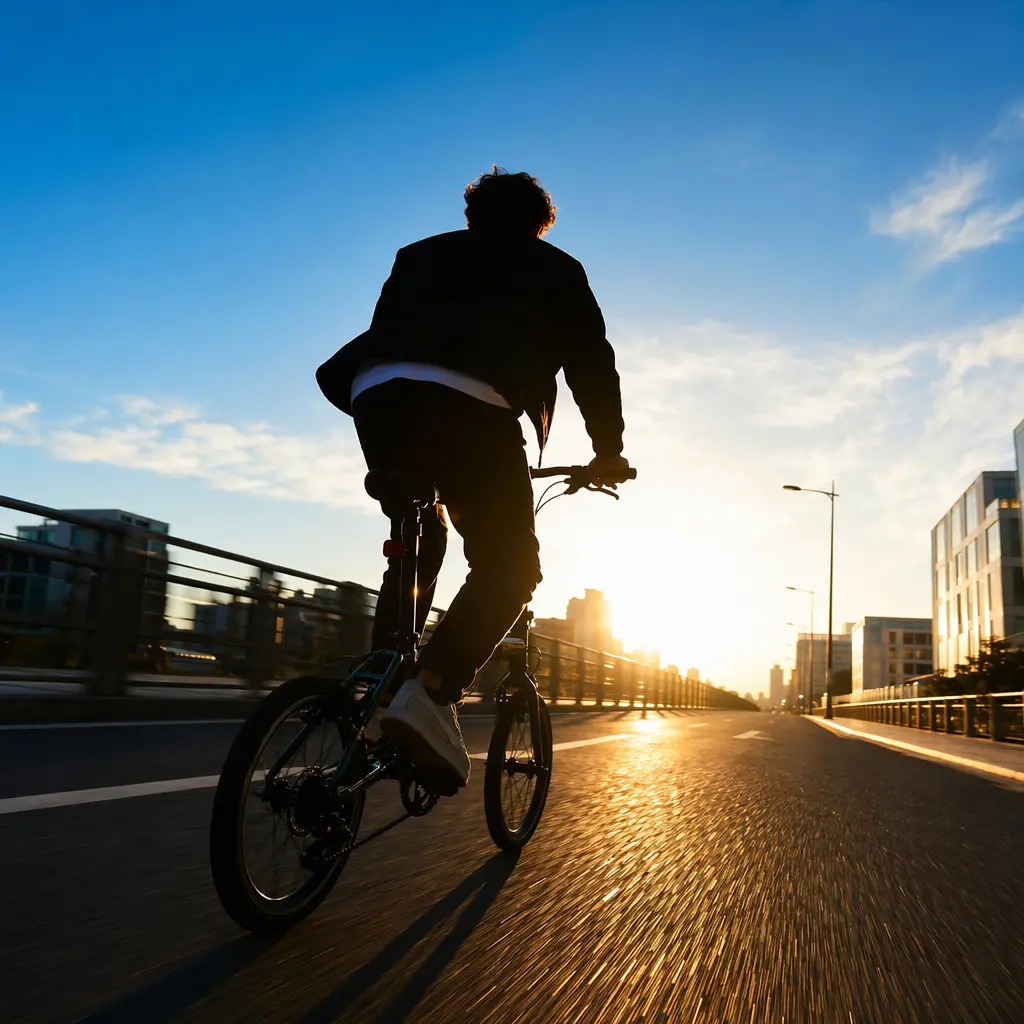
Folding bikes are brilliant for mixed commutes, small flats and trains — but heavier riders need to be pickier than most. Weight limits, hinge strength and wheel size matter more here than on full‑size bikes. This guide explains what to check before buying, and where it’s worth spending (or saving) money.
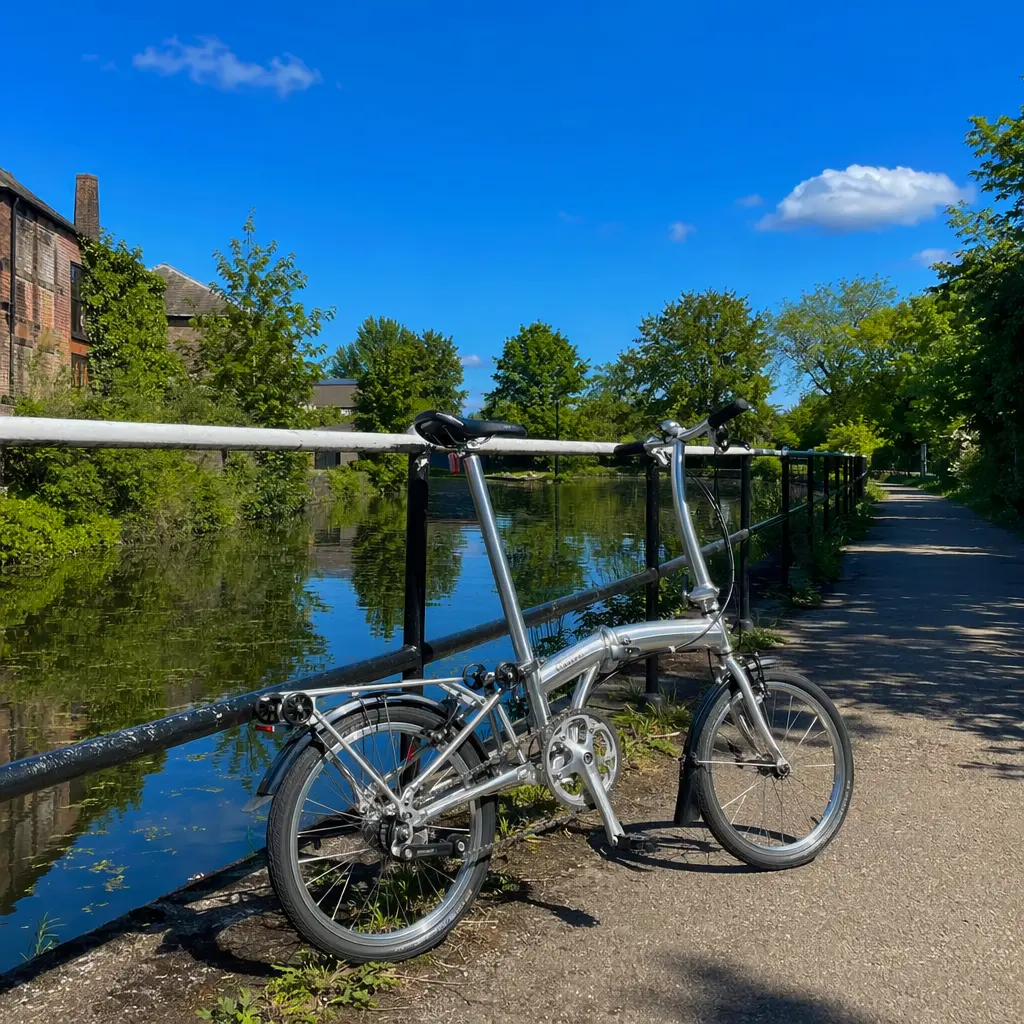
What to look for
Not all folding bikes are built the same. For heavier riders, a few components and design choices make a real difference to safety, comfort and longevity.
- Maximum rider weight: Check the stated limit (often includes rider, clothing and luggage). Aim for headroom rather than sitting right on the limit.
- Frame material: Aluminium is common and light, but thicker tubing matters. Steel can be heavier yet more forgiving under load.
- Hinges and latches: Look for chunky hinges with secondary safety locks. Flex or play at the hinge is a red flag.
- Wheel size: 20‑inch wheels generally cope better with higher loads than 16‑inch, spreading weight and improving stability.
- Brakes: Mechanical disc brakes or quality V‑brakes are preferable; cheap callipers can struggle with heavier riders, especially in the wet.
- Tyres and rims: Double‑wall rims and wider tyres (1.75–2.0in) add strength and comfort.
- Geometry and fit: A longer wheelbase and adjustable stem/seatpost help dial in a stable riding position.
- Included accessories: Built‑in racks, mudguards and sturdy kickstands add weight — factor this into the bike’s rated limit.
Budget and what you're getting
At the lower end of the market, folding bikes often prioritise compact size and low price over outright strength. Heavier riders may notice flex at the hinge, basic wheels, and limited adjustability. Mid‑range options typically upgrade the hinge hardware, wheels and brakes, adding confidence and durability. Paying more doesn’t always mean lighter — sometimes it simply means stronger tubing, better welds and higher‑quality components that cope with daily use.

Standout categories or types
Within the folding bike world, a few broad designs suit heavier riders better than others. Compact 16‑inch folders excel for train travel but place higher stresses on wheels and frames. For many riders, 20‑inch folders strike the best balance between portability and robustness.
Another split is between ultra‑light commuters and sturdier, utility‑focused folders. The latter often use thicker tubing, stronger racks and less extreme folding mechanisms. They may be a little heavier to carry, but they tend to feel calmer on the road and last longer under higher loads.
Frequently asked questions
What weight limit should I aim for?
Look for a stated maximum rider weight comfortably above your body weight. If you ride with panniers or a backpack, include that too. A margin of 10–15kg helps account for bumps and potholes.
Are folding bikes safe for heavier riders?
Yes — provided the bike is designed for the load. Problems arise when lightweight, compact models are pushed beyond their limits. Checking hinges, wheels and brakes is key.
Is a bigger wheel always better?
Bigger wheels generally improve stability and reduce stress on rims and spokes, but they make the folded package larger. For most heavier commuters, 20‑inch wheels are a sensible compromise.
Do I need suspension?
Suspension can add comfort but also weight and complexity. Wider tyres at sensible pressures often deliver enough comfort without the downsides.
A folding bike can be a practical, enjoyable choice for heavier riders — as long as you prioritise strength over absolute compactness. Check the numbers, inspect the hinges, and choose a design that feels stable under you. Done right, it’s a commuter tool that fits both your journey and your build.
Find these on Amazon
As an Amazon Associate, CheapBikes earns from qualifying purchases.