Best Folding Bikes for Daily Commuters Under £1,000
A buyer’s guide to folding bikes under £1,000 for UK commuters, focusing on ride feel, fast folding for trains, and durability for everyday use.
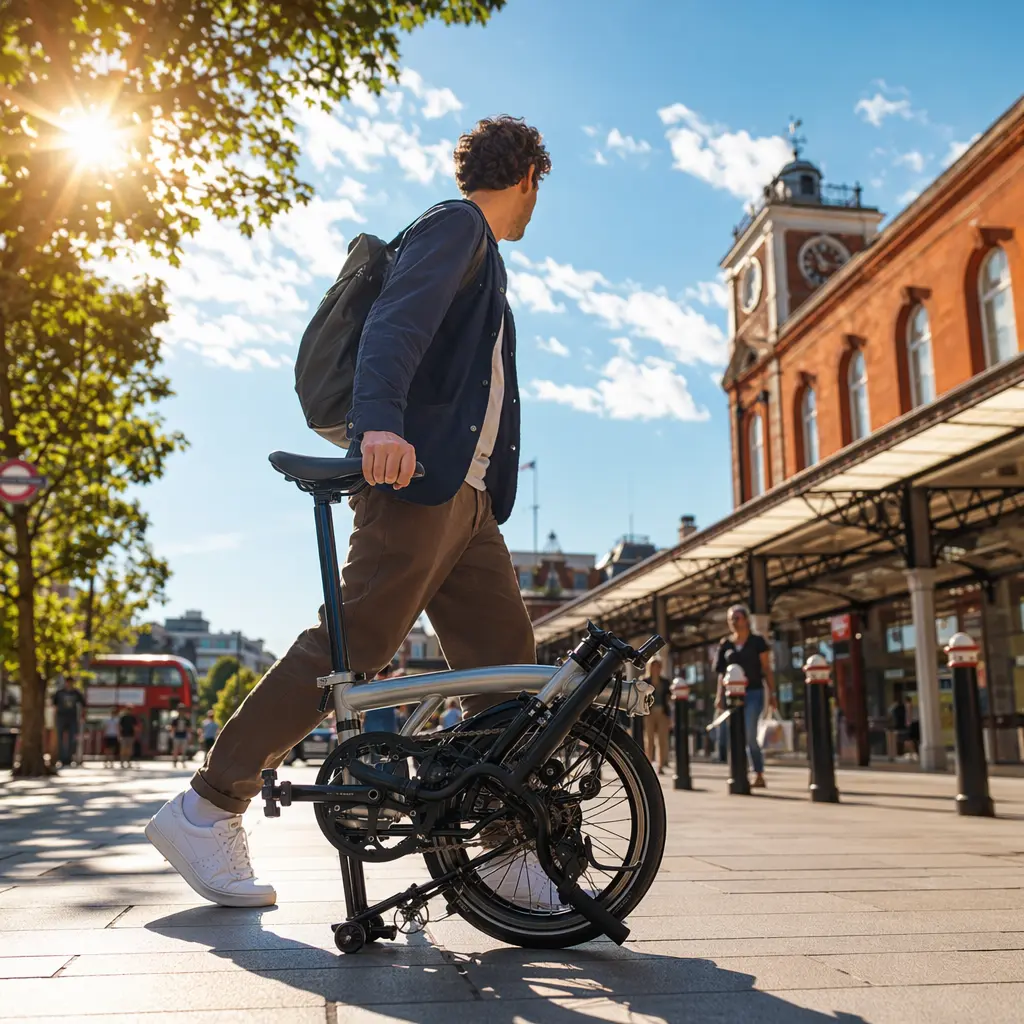
For many UK commuters, a folding bike is the simplest way to combine cycling with trains, tubes or buses. With a budget of £500–£1,000, you’re looking for a bike that folds quickly on a busy platform, feels stable on the road, and stands up to daily use without constant fettling. This guide explains what actually matters at this price point, so you can choose a practical folder for everyday commuting rather than a novelty that’s awkward to live with.
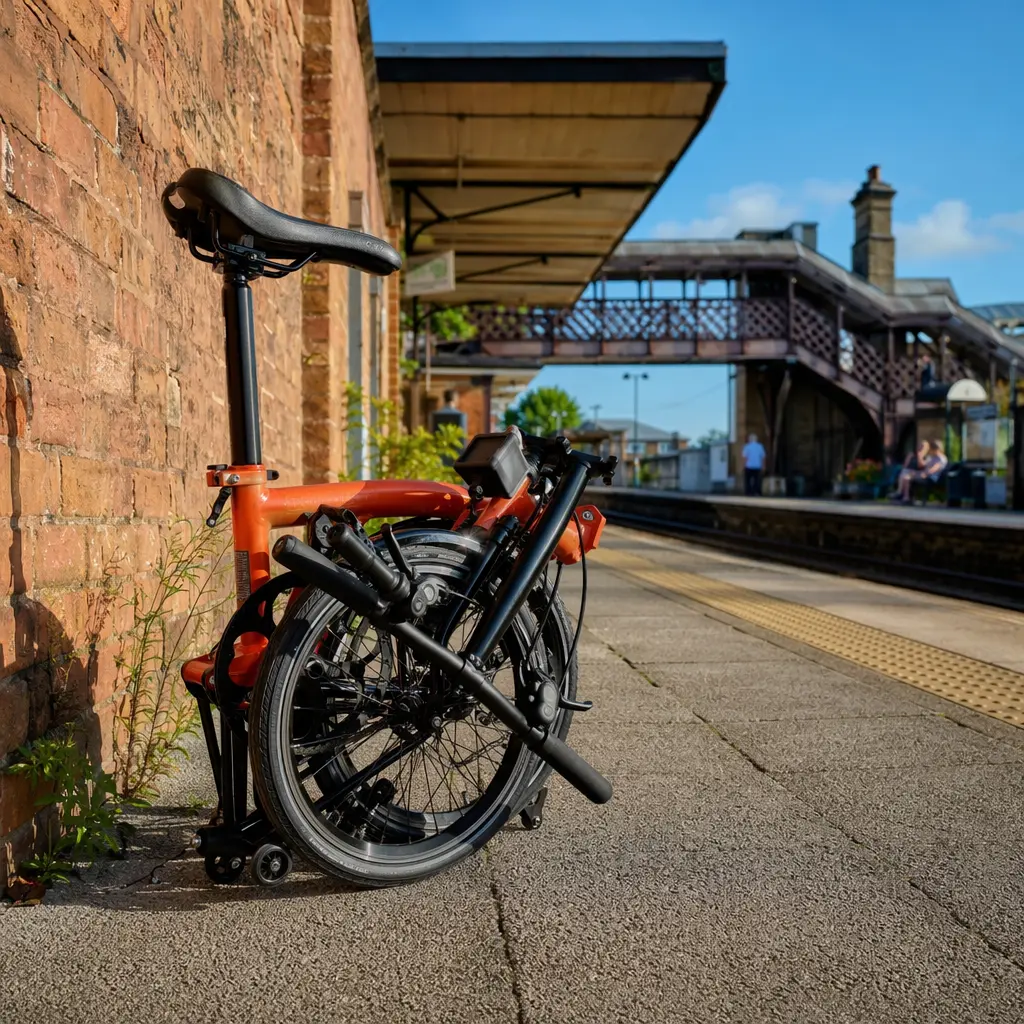
What to look for
Folding bikes have different priorities to full-size commuters. The best ones balance compactness with ride quality and reliability. At under £1,000, you can expect sensible components and a well-thought-out design, but it pays to know where compromises usually sit.
- Gearing: Hub gears (3–8 speed) are popular for commuters because they’re low-maintenance and work when stationary. Derailleur gears are lighter and cheaper but need more cleaning.
- Frame material: Aluminium is common for keeping weight down. Steel is heavier but can feel smoother over rough roads and cope well with daily knocks.
- Brakes: V-brakes are simple, light and easy to adjust. Mechanical disc brakes offer better wet-weather performance but add weight and cost.
- Geometry and ride feel: Short wheelbases can feel twitchy. Look for designs that prioritise stability at commuting speeds, especially if you’ll ride with a backpack or panniers.
- Fit and adjustability: Folding bikes usually have a wide height range. Check seatpost and handlebar adjustment so you can get a comfortable position.
- Weight: Lighter bikes are easier on stairs and platforms, but ultra-light often means higher cost or less robust parts.
- Included accessories: Mudguards, luggage racks and a kickstand add real commuting value and save money later.
Budget and what you're getting
Between £500 and £1,000 is the sweet spot for everyday folding bikes. Cheaper options often compromise on hinges, clamps or wheels, which you notice quickly with daily folding. At this level you’re paying for better frame joints, more durable components and a smoother ride. You may still see heavier frames, basic tyres and limited gear ranges compared with premium folders, but the bikes are generally robust enough for year-round commuting if looked after.
Standout categories or types
Not all folding bikes in this price range feel the same. Small design choices make a big difference to how they cope with daily commuting and train travel.
- Compact folders: Prioritise a very small folded size. Ideal if your train operator has strict space rules, but they can feel firmer on rough roads.
- Ride-focused folders: Slightly larger when folded, but with longer wheelbases or bigger wheels for improved comfort and stability.
- Hub-gear commuters: Heavier, but excellent for all-weather use and stop-start city riding.
- Derailleur-based folders: Lighter and cheaper, with wider gear ranges, but more exposed to dirt and knocks.
Frequently asked questions
Are folding bikes comfortable enough for daily commuting?
Yes, for typical urban distances. While they don’t float over potholes like a full-size bike, good tyres, sensible geometry and correct saddle height make a big difference.
How fast do folding bikes fold in real use?
Most commuter-focused designs fold in 10–30 seconds once you’re familiar with the process. Simpler mechanisms are usually faster and more reliable long term.
Can I take a folding bike on any UK train?
Generally yes, as folded bikes count as luggage. However, size limits and peak-time rules vary by operator, so it’s worth checking before you buy.
Do folding bikes need more maintenance?
They need similar maintenance to other bikes, with extra attention to hinges and clamps. Keeping these clean and correctly adjusted is key for safety and longevity.
Is £1,000 enough for a durable daily folder?
For most commuters, yes. You won’t get the lightest or smallest-folding designs, but you can expect a dependable bike that handles daily travel without fuss.
A good folding bike can remove many of the friction points from a mixed-mode commute. Focus on fold speed, ride stability and everyday durability, and you’ll end up with a bike that fits neatly into your routine rather than complicating it.
Find these on Amazon
As an Amazon Associate, CheapBikes earns from qualifying purchases.